Dossier de presse | no. 7819-01
Communiqué seulement en anglais
Letting the Land Lead
Plontur Group
Plontur Wins World Architecture Festival Recognition for Nature-Led Design
Plontur Group has been named winner in the Leisure-Led Development category at the World Architecture Festival 2025, recognizing Luana Farms in Calaca, Batangas for its nature-led and landscape-driven approach to development.
The recognition reflects Plontur’s core belief that meaningful design begins with listening. The land is not something to be worked around or built over. It sets the framework for everything that follows.
A nature-led approach
Luana Farms was shaped through a landscape architect-led design process, where planning decisions were guided first by ecological systems rather than built form. The design began with understanding the land itself: its topography, vegetation, water movement, wind patterns, and the communities it already supports.
Plontur’s approach places landscape at the center of the design process. Architecture emerges as a response to the land, not as a starting point. This allows places to develop with clarity and restraint, grounded in how natural systems function over time.
The site sits between Mount Batulao and Taal Lake, two defining landforms that shape the character of Batangas. Rather than turning inward, the masterplan opens toward these features. Views, movement, and gathering spaces are oriented to strengthen the relationship between people and place.
Site-driven master planning
Before design began, more than 350 native trees were documented and preserved. Buildings and circulation routes were carefully woven around these existing elements to maintain canopy continuity and ecological connections across the site.
Of the 10.9-hectare property, 73 percent remains unbuilt. These areas are preserved as forest buffers, ecological corridors, and productive farmland. The land continues to function as a living system, supporting biodiversity, food production, and long-term resilience.
Built areas are organized using the spatial logic of the Filipino barangay. Structures are clustered around shared open spaces, rather than treated as isolated objects. This layout encourages openness, accessibility, and everyday social interaction, while keeping the majority of the site intact and adaptable.
Four zones shaped by the land
The masterplan is organized into four zones, each responding directly to topography, slope, and movement across the site.
An invitation to gather
Located at the highest elevation near the main road, the first zone establishes a civic threshold. It houses the restaurant, hotel, and pavilion, forming a place of arrival where visitors encounter landscape before architecture. Green roofs, open decks, and permeable structures allow the ground plane to remain continuous and accessible.
An invitation to reflect
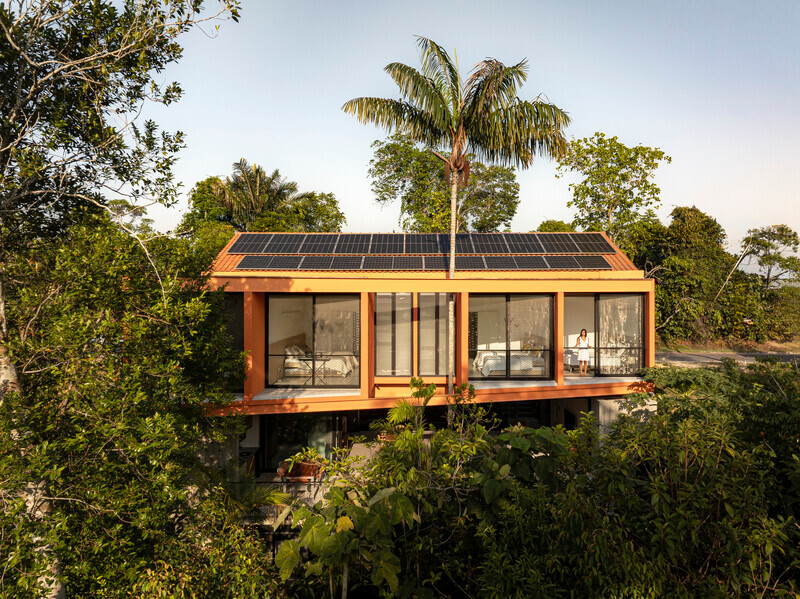
Moving downslope, villas and amenities are placed lightly on the terrain. Inspired by the bahay kubo, structures are elevated and open, allowing air, light, and vegetation to move freely. Natural pools, rain catchment areas, and elevated walkways support both ecological performance and quiet retreat.
An invitation to connect
At the center of the site is a working permaculture farm. Guests and farmers share the same landscape through planting, harvesting, markets, and learning spaces. Hospitality, education, and livelihood intersect here, creating a shared environment rooted in daily use.
An invitation to grow
On the steepest slopes, terraced agroforestry transforms challenging terrain into productive land. Using on-site materials, the slopes are stabilized to support long-term food systems, reinforcing ecological resilience, while allowing the land to continue evolving.
Environmental and social performance
Luana Farms was designed with clear environmental and social goals from the outset.
Rain catchment systems are intended to supply up to 50 percent of the site’s irrigation needs. Passive cooling strategies reduce indoor temperatures and reliance on mechanical systems. Procurement is targeted largely within a 50-kilometer radius, supporting local producers, craftspeople, and agricultural partners.
The project also aims to improve farmer income through direct trade, shared agricultural programs, and on-site markets. These strategies ensure the landscape continues to support both ecological health and the communities that depend on it.
Restoring the connection between people and place
Luana Farms reflects Plontur’s belief that design should restore the living connection between people and nature. By listening to the land and the communities it supports, the project creates an environment that can adapt over time rather than resist change.
The land sets the framework. Community gives it meaning. Architecture responds with intention.
The World Architecture Festival recognition affirms this way of working. Not as a style, but as a responsibility. As Plontur continues its practice, the focus remains on shaping places that evolve with time, remain rooted in ecology, and are built for how people live, grow, and belong.
Technical sheet
Project Name: Luana Farms
Location: Calaca, Batangas, Philippines
Site Area: 10.9 hectares
Project Team: Erick Yambao, Alfredo Bertuzzi, John Aguilar
About Plontur Group
Plontur Group is a multidisciplinary, nature-led design studio based in the Philippines. The practice brings together landscape architecture, masterplanning, sustainability, and environmental design to shape how people and place come together.
Guided by the philosophy “Nature Is Our Blueprint”, Plontur designs environments by listening first to land and the communities it supports. The studio’s work focuses on creating places that evolve over time, remain rooted in ecological systems, and contribute positively to how people live, grow, and belong.
Pour plus d’informations
Contact média
- Plontur, Inc.
- Erick Yambao, Founder / Design Director
- erick@plontur.com
- +63 917 513 6010
Pièces jointes
Termes et conditions
Pour diffusion immédiate
La mention des crédits photo est obligatoire. Merci d’inclure la source v2com lorsque possible et il est toujours apprécié de recevoir les versions PDF de vos articles.

Luana Masterplan
Plontur Group
Image très haute résolution : 20.0 x 11.25 @ 300dpi ~ 7,4 Mo
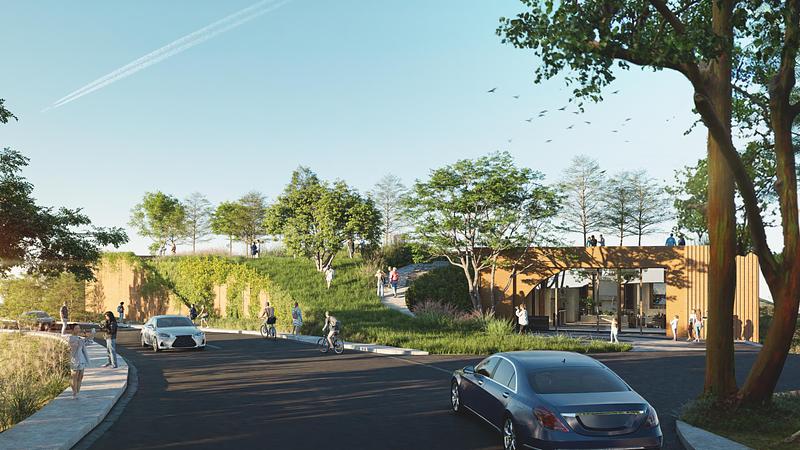
Image très haute résolution : 20.0 x 11.25 @ 300dpi ~ 20 Mo
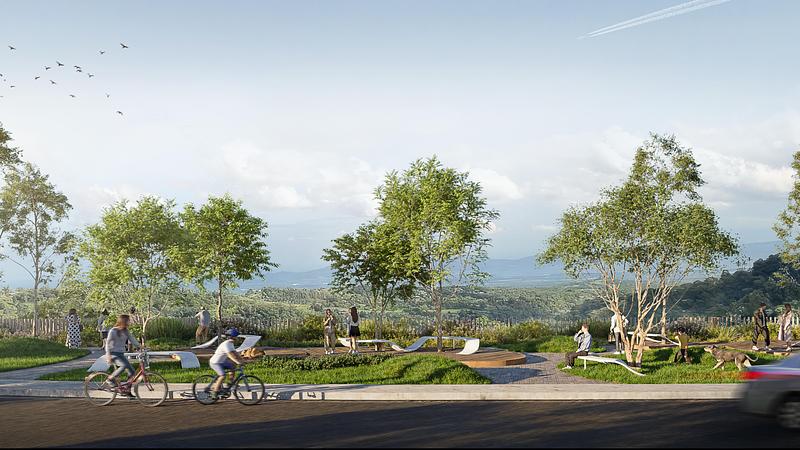
Image très haute résolution : 20.0 x 11.25 @ 300dpi ~ 20 Mo
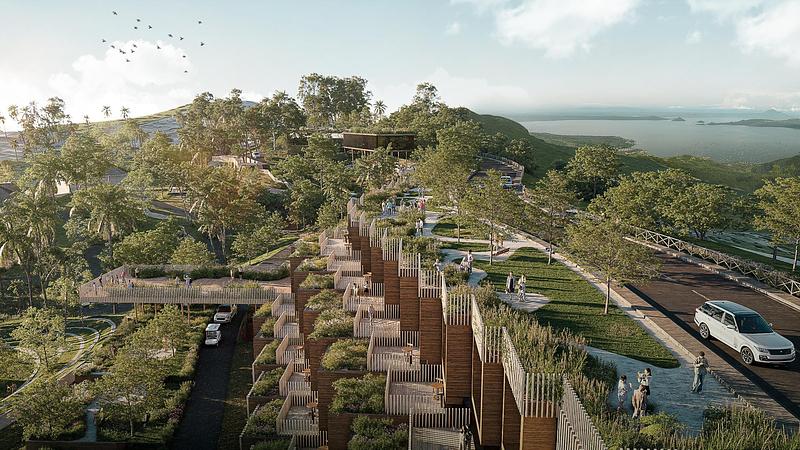
Image moyenne résolution : 8.53 x 4.8 @ 300dpi ~ 8 Mo
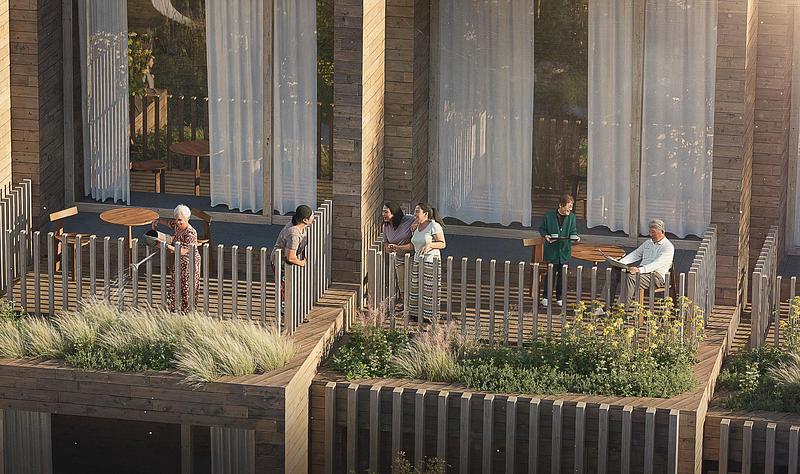
Image moyenne résolution : 6.39 x 3.79 @ 300dpi ~ 4,5 Mo
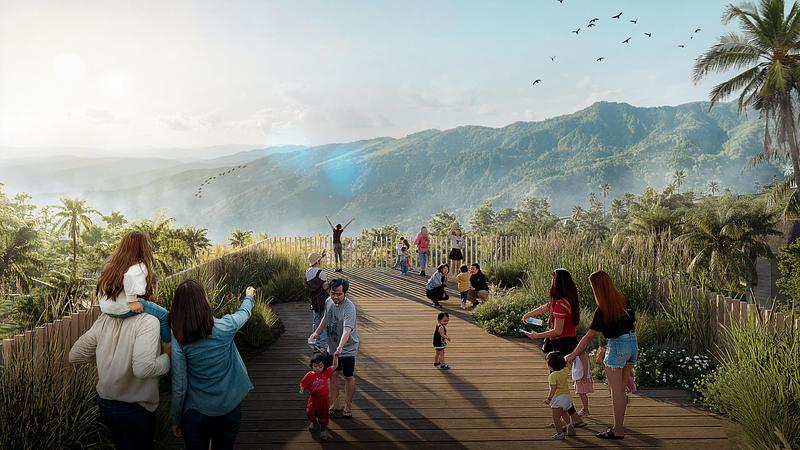
Image très haute résolution : 20.0 x 11.25 @ 300dpi ~ 23 Mo
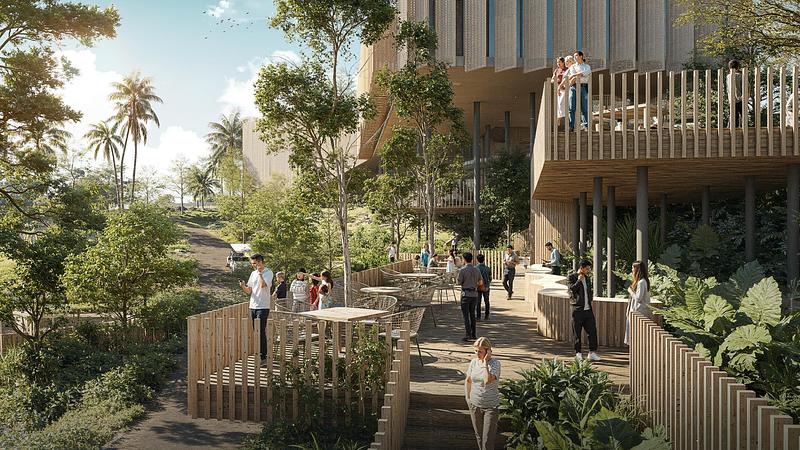
Image moyenne résolution : 8.53 x 4.8 @ 300dpi ~ 8,2 Mo
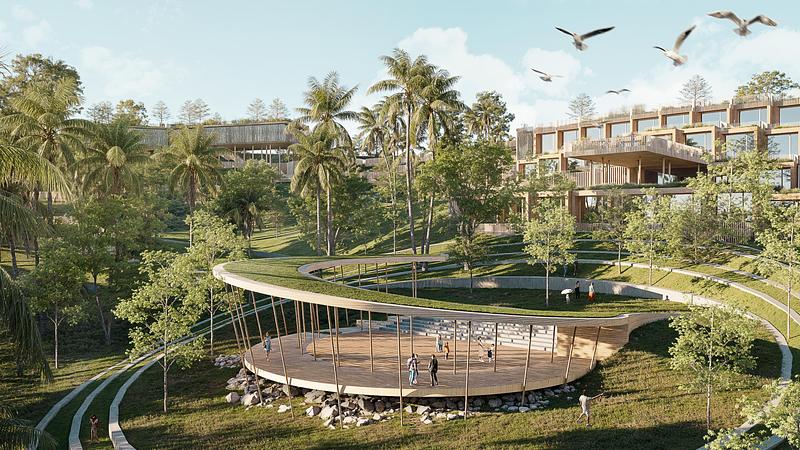
Image très haute résolution : 20.0 x 11.25 @ 300dpi ~ 30 Mo
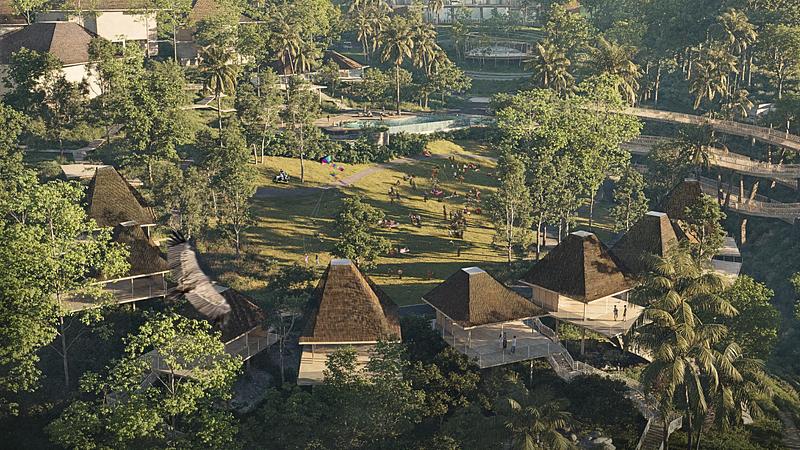
Image très haute résolution : 20.0 x 11.25 @ 300dpi ~ 37 Mo
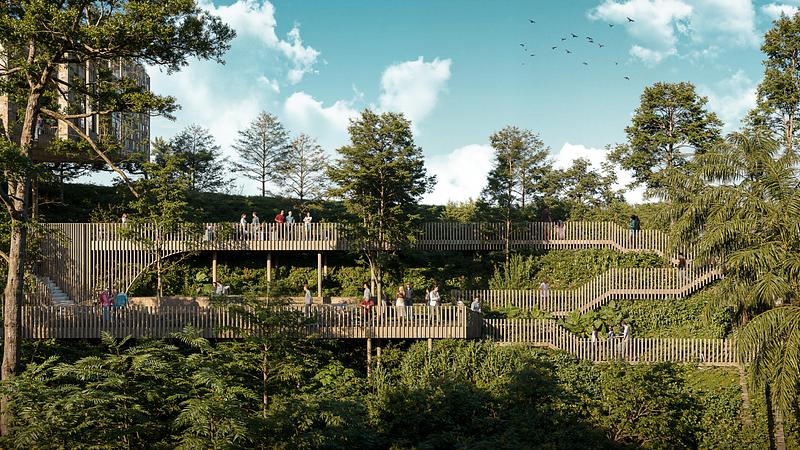
Image très haute résolution : 20.0 x 11.25 @ 300dpi ~ 30 Mo
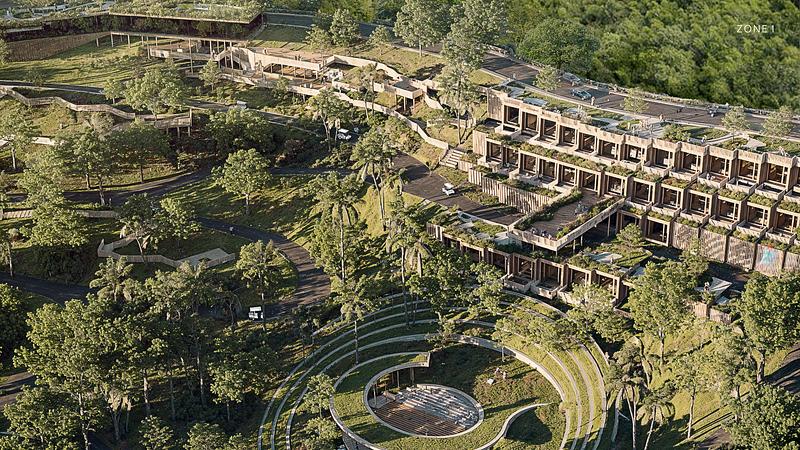
Image très haute résolution : 20.0 x 11.25 @ 300dpi ~ 38 Mo
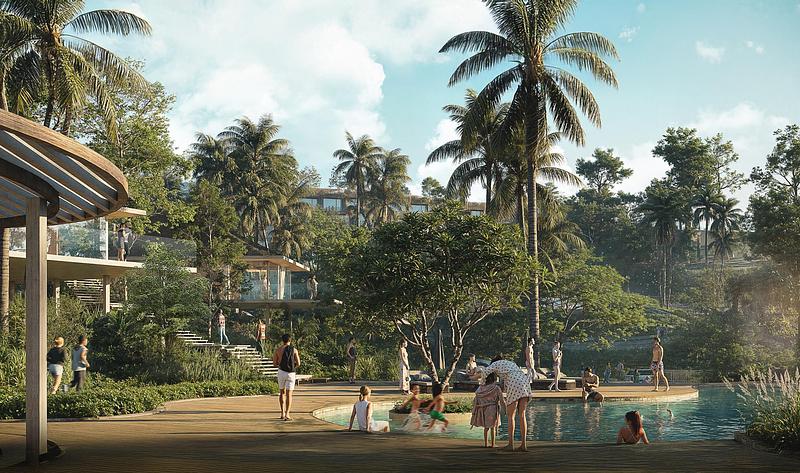
Image moyenne résolution : 8.53 x 5.04 @ 300dpi ~ 7,7 Mo
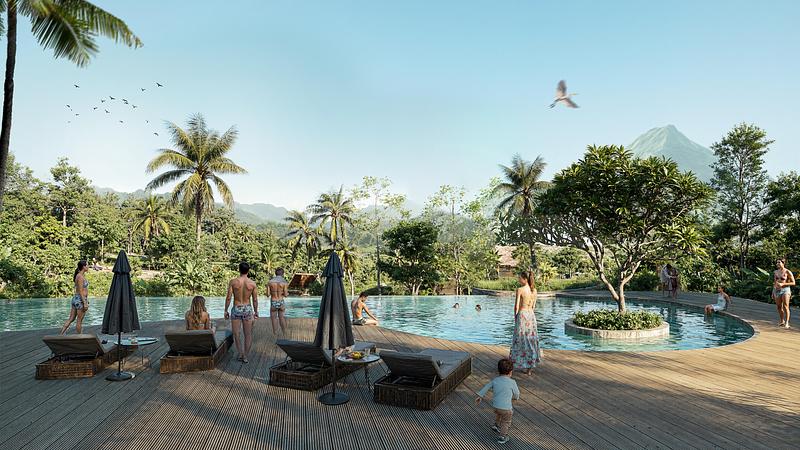
Image très haute résolution : 20.0 x 11.25 @ 300dpi ~ 27 Mo
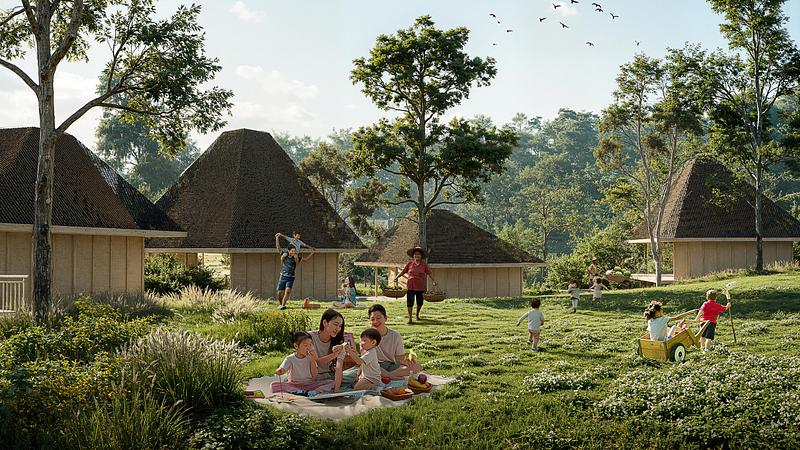
Image très haute résolution : 20.0 x 11.25 @ 300dpi ~ 37 Mo
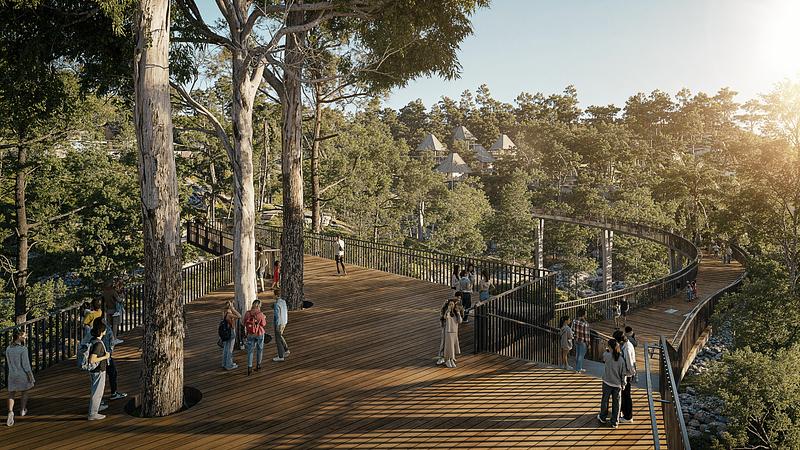
Image très haute résolution : 20.0 x 11.25 @ 300dpi ~ 33 Mo
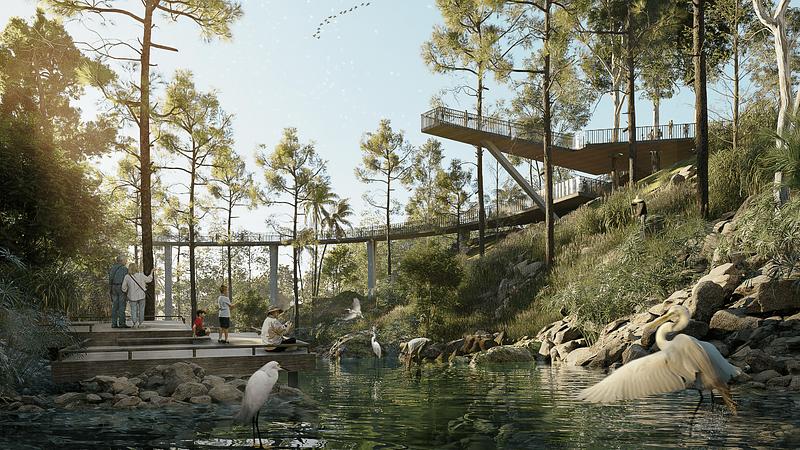
Image très haute résolution : 20.0 x 11.25 @ 300dpi ~ 31 Mo
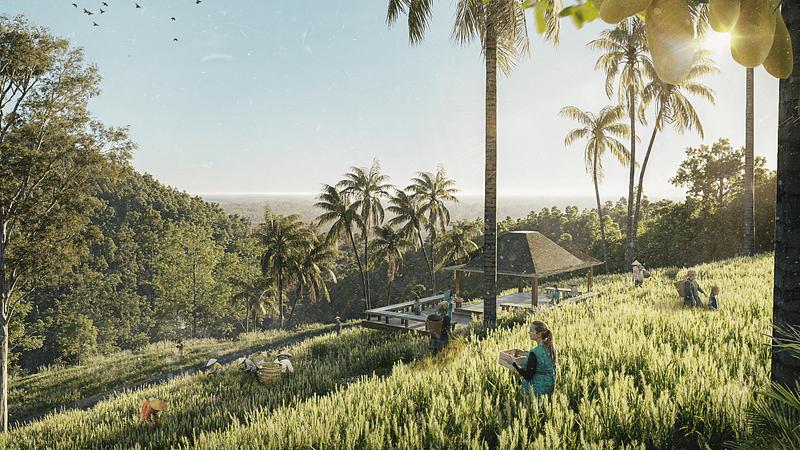
Image très haute résolution : 20.0 x 11.25 @ 300dpi ~ 29 Mo
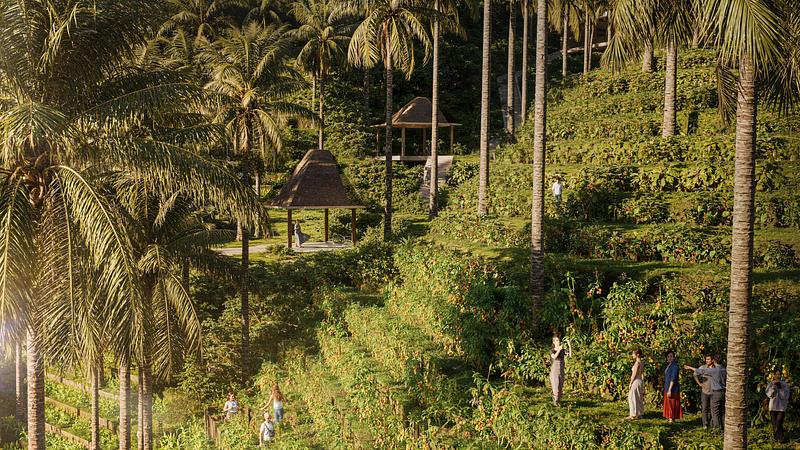
Image haute résolution : 12.8 x 7.2 @ 300dpi ~ 18 Mo
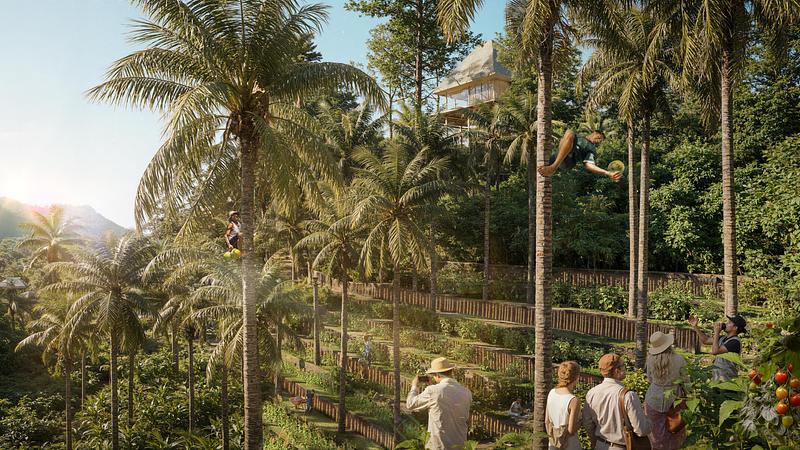
Image haute résolution : 12.8 x 7.2 @ 300dpi ~ 19 Mo
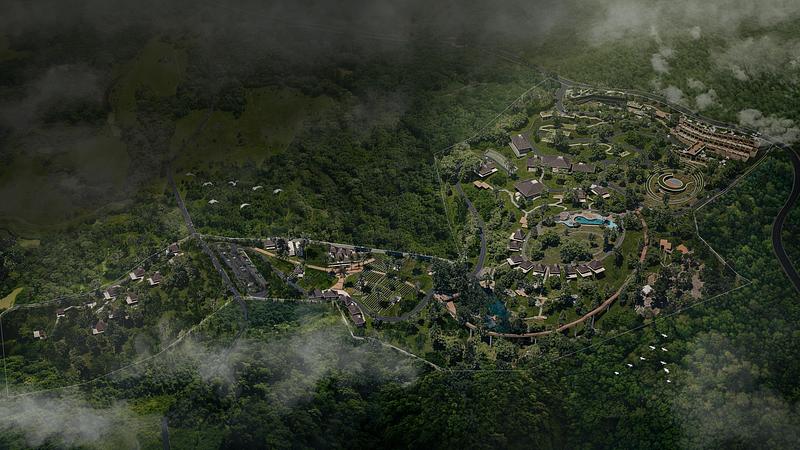
Image très haute résolution : 20.0 x 11.25 @ 300dpi ~ 32 Mo

Publicité