Dossier de presse no. 3649-01
Journalistes! Découvrez ce projet prêt à publier. Créez gratuitement un compte média v2com pour télécharger les images haute résolution.
Créez un compte média
Dossier de presse | no. 3649-01
Communiqué seulement en anglais
Beneath The Porticoes: UNS’s Winning Design Proposal Selected for New Metro Line in Turin
UNS
UNS’s vision for Turin’s new Metro Line 2 recasts transportation infrastructure as a recognisable urban landmark for the city. Guided by three distinct design principles, the winning proposal translates Turin’s rich history into a contemporary and welcoming transit system.
UNS’s design proposal, in collaboration with Settanta7, Mijksenaar, Frigorosso, 3BA, and WSP, was selected by an international jury of experts, chaired by Dominique Perrault. Recognised for its reimagination of the subway as an act of city making, the jury emphasised how the design strengthens the link between mobility, public space, and the urban context. They also emphasised how the proposal is set to shape how users move, work, and live through an elegant, carefully considered design that will stand the test of time.
Turin’s existing urban fabric is central to the consortium’s design. The city is historically shaped by flow — from the Po and Dora rivers to the 18 kilometers of arcaded porticoes that inform how locals and visitors move. As such, Line 2 interprets this legacy as a new “urban river”, transparent yet vital, connecting neighborhoods, histories, and generations.
Three complimentary pillars were developed to facilitate this flow – the branding principles, transit experience, and scales of identity. Together, these ideas position infrastructure as public space and a social catalyst, strengthening wayfinding, neighbourhood identity, and how users experience the city.
"For Turin’s new Metro Line 2, we wanted to create more than a transport system. We wanted to design a new civic connection for the whole city, one that brings Turin’s history and its future into direct conversation," explains Ben van Berkel, Founder and Principal Architect at UNS. "What is especially important is that this metro is truly public in spirit: it feels open, safe, and welcoming, with stations and entrances that extend the public realm so that, in places, the park meets the metro and infrastructure becomes part of the city’s shared social space.”
Contemporary architecture in dialogue with heritage
Turin is a city of evolution, shaped as much by atmosphere as by history. The city’s long porticoes, its industrial past, and its more recent shift toward culture, creativity, and gastronomy shaped the project’s main concept: transition. Metro Line 2 very much reflects this story; it is a design principle defined by movement from one point to another and translated into a simple architectural language that moves from the arch to the portico, from the curve to the square.
The design approach also responds to Turin’s built environment. The city is marked by its sober facades and clear geometries, while interiors often reveal a richer and more detailed spatial experience. The new metro line draws on this contrast, moving from a restrained exterior to more welcoming and distinctive interior spaces, so that traditional and contemporary architecture relate clearly to the history of the city.
Flexible modules for everyday moments
A flexible design approach was taken for Turin’s new Metro Line 2, ensuring that it could work across various conditions along the line. With 32 stations planned in total, the initial design phase encompasses 10 stations and needs to be able to adapt without losing clarity. In response, a modular architectural language was developed that made it possible to adjust scale, proportion, and programme to the different sites – including the Mole Giardini, San Giovanni Bosco, and Carlo Alberto stations – while maintaining a consistent visual and spatial logic across the line.
To support this flexibility, UNS defined identity at three levels. The first is Network Identity, developed in close collaboration with Frigorosso and through a comprehensive brand manual. This layer translates the concept of the Urban Flow Experience into a unified language of signs, geometries, materials, colours, and messaging, allowing the brand to operate as a form of identity infrastructure across the entire metro network. Next is System Identity, which coordinates urban elements that extend into the surrounding neighbourhoods. This gives the line a clear and legible presence as a single system. The third is Station Identity, which allows each location to respond to its specific context through art, landscape design, and local references shaped by nine thematic principles, including Nature, History, Innovation, and Culture.
The system’s brand language draws on the relationship between Turin’s mountains, porticoes, and flows of water, turning these elements into a recognisable graphic and spatial logic for Line 2. The colour palette moves from warm yellows and ochres to greens and blues, reflecting terrain, landscape, and atmosphere, while the branding extends across the full passenger journey and across all public-facing platforms. It informs not only signage and spatial communication within the stations, but also campaigns, stationery, merchandise, digital applications, and the tone of voice used to communicate the project over time. This was especially important in relation to the construction phase, where the identity helps to explain disruption clearly and invites locals to stay connected to the project as it develops, rather than experiencing it as a barrier.
Together, these three layers of identity allow the metro to remain coherent as a network while giving each station its own character and giving the line a distinct public presence. This structure also supports effective wayfinding and user comfort as a consistent system, and network identity helps passengers recognise entrances, understand movement through the station, and navigate the line more easily. At the same time, station-specific identity creates distinct points of reference, making each stop easier to remember and orient within.
The result is a metro environment that is clear, calm, and easy to use, with spaces that support both efficient movement and a stronger sense of place.
A new urban threshold
UNS’s approach to the stations’ interior design treats the metro system as more than a sequence of transit spaces. It is conceived as a continuous public experience shaped by movement, orientation, material quality, and locality. Drawing on Turin’s architectural context, the system presents a clear and legible presence at city level, while underground spaces unfold as carefully composed interiors with a warmer, more atmospheric identity. Stations become contemporary “jewel boxes”, transforming transit into a sensory experience.
UNS’s experienced design expertise extends this thinking across the full passenger journey, considering each step from ticket purchase and trip planning online to approaching the station, entering it, making decisions within it, reaching the correct platform, and boarding the train. By analysing the journey as a connected sequence of digital and physical touchpoints, the design supports a travel experience that is clear, intuitive, and less stressful from the moment a trip begins.
Across the network, local references are embedded in the design language so that stations feel connected to their surroundings and easier to remember. Durable materials such as aluminum and porcelain stoneware ensure performance and longevity, while diffused lighting reduces glare and enhances comfort. Wayfinding elements and terrazzo-inspired flooring link historical memory with contemporary infrastructure.
Together, these strategies support a metro environment that is relaxed, intuitive, and welcoming, where design improves orientation, strengthens identity, and elevates the quality of everyday travel.
Technical sheet
Client: Extraordinary Commissioner for the construction of Line 2 of the Turin Metro; Infratrasporti.To S.r.l
UNS Team: Ben van Berkel, Marianthi Tatari, Raul Forsoni, Michele De Simone, Melinda Matuz, Saba Navabi, Leon Hansmann, Aigul Sadrtdinova, Ren Yee, Cristina Garriga, Huey Chan
Advisors:
Local Architect: Settanta7
Branding company: Frigorosso
Wayfinding: Mijksenaar
Structure & MEP: 3BA
Sustainability, People flow, Façade: WSP
Visualisations by:
Produced by HISM, Settanta7, UNS, ©Extraordinary Commissioner ChiaiaAbout UNS
Since 1988, when Ben van Berkel and Caroline Bos established UNS in Amsterdam, the firm has been driven by the singular vision to design spaces that shape the way people live, work, and connect. Today, UNS is a global design and consulting studio that goes beyond architecture. From interiors and product design to urban development, landscape design, and user experience, they create solutions that are as diverse as the challenges they face.
With strategically located offices in Amsterdam, Shanghai, Hong Kong, Dubai, Frankfurt, Melbourne, Riyadh, and Austin, UNS is equipped to work seamlessly across the globe, bringing local insights to every project. With a passion for innovation at the heart of their work, their designs stand for quality, originality, optimism, and intelligence, and they take pride in building spaces that inspire, adapt, and endure.
Pour plus d’informations
Contact média
- UNS
- Alexis Traussi, Senior Content Coordinator
- a.traussi@unstudio.com
-
+31 (0)20 570 20 40
Pièces jointes
Termes et conditions
Pour diffusion immédiate
La mention des crédits photo est obligatoire. Merci d’inclure la source v2com lorsque possible et il est toujours apprécié de recevoir les versions PDF de vos articles.
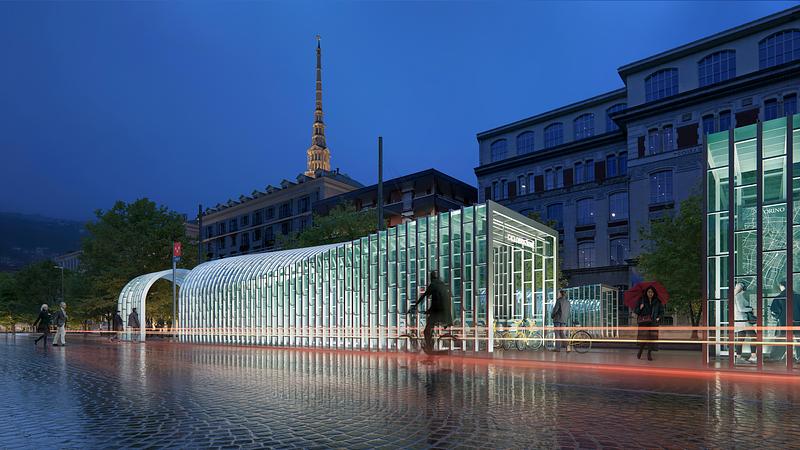
Image haute résolution : 16.67 x 9.38 @ 300dpi ~ 8,6 Mo
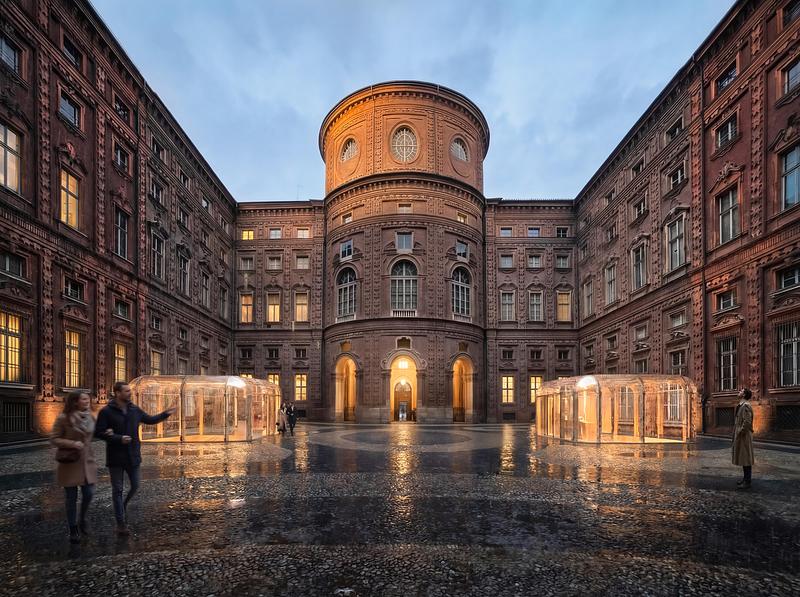
Image haute résolution : 16.0 x 11.95 @ 300dpi ~ 3,6 Mo
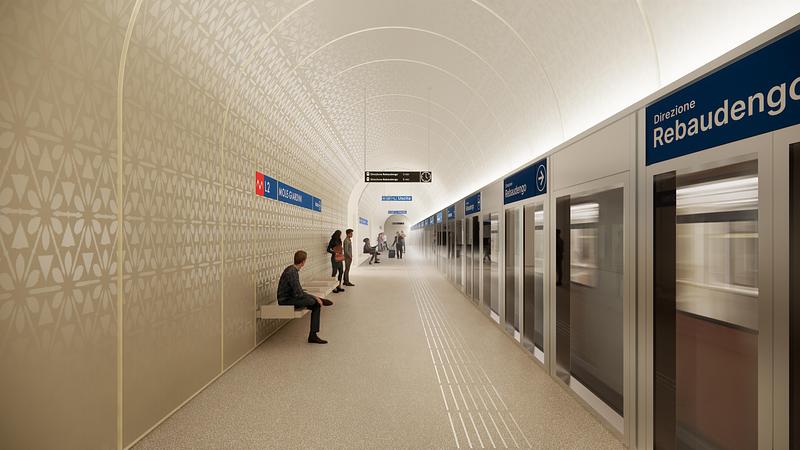
Image haute résolution : 12.8 x 7.2 @ 300dpi ~ 4,1 Mo
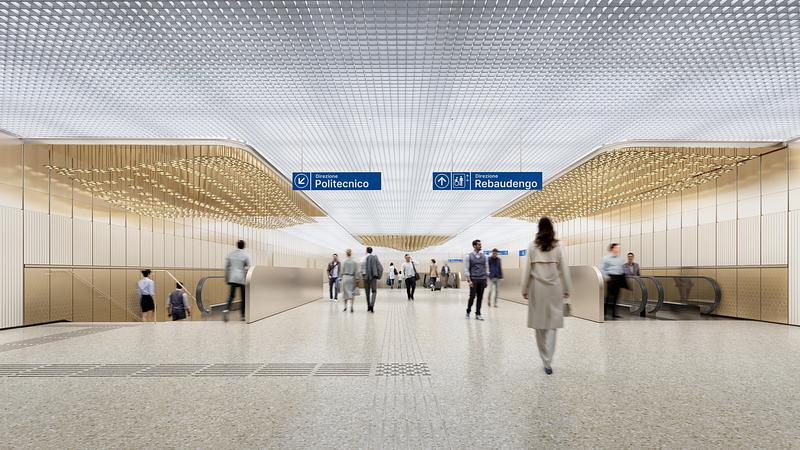
Image haute résolution : 16.67 x 9.38 @ 300dpi ~ 9,3 Mo
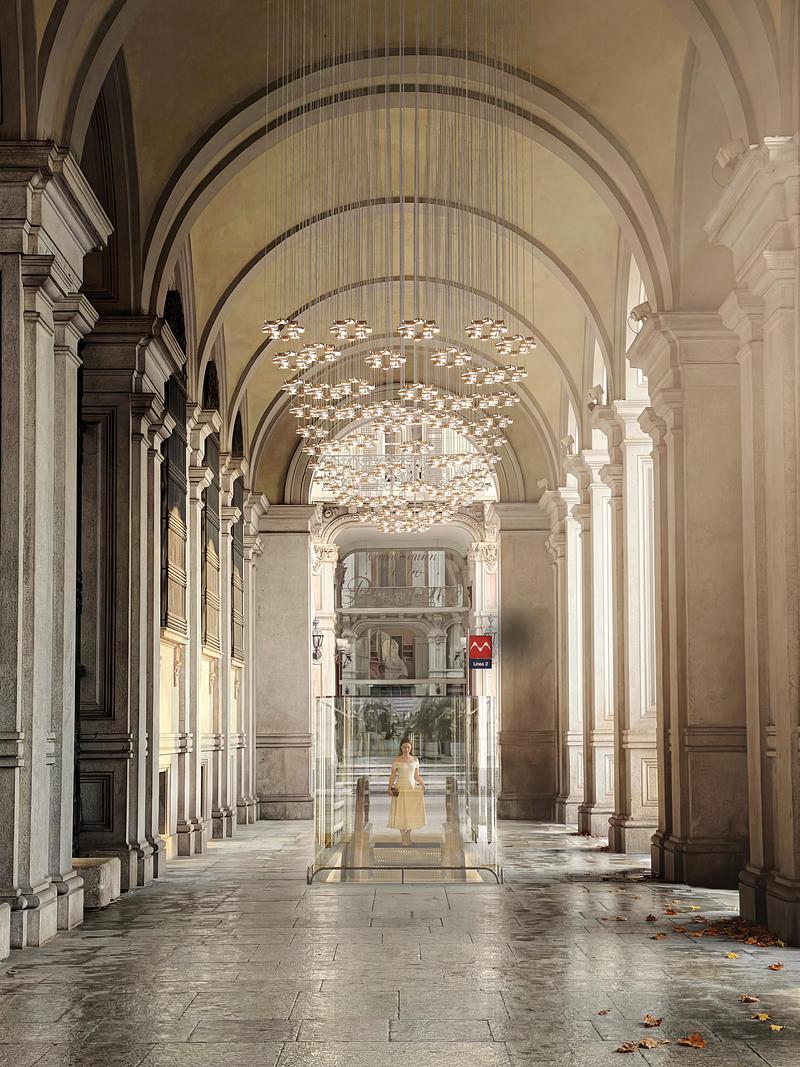
Image haute résolution : 10.08 x 13.44 @ 300dpi ~ 18 Mo
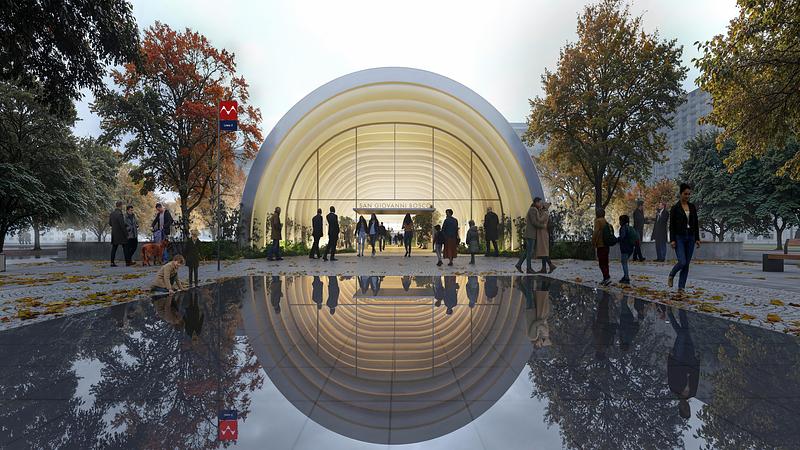
Image haute résolution : 16.67 x 9.38 @ 300dpi ~ 22 Mo
Publicité
Vous pourriez également aimer...
Amsterdam, Pays-Bas, 01-07-2026
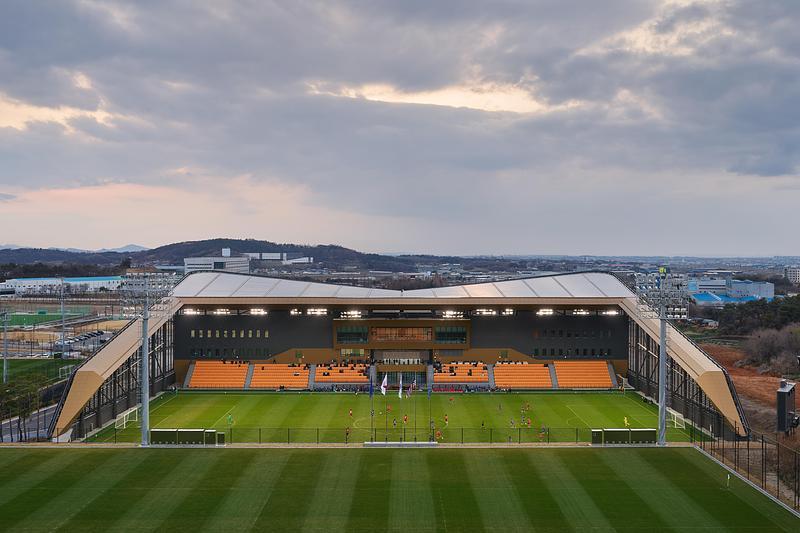
UNS livre le Korean Football Park : le centre d’entraînement de toute une nation
UNS
Costa Rica, Costa Rica, 13-07-2026
LTR1 : un quartier vertical conçu autour d'une forêt
Carazo Arquitectura
New York, États-Unis, 08-06-2026