Dossier de presse no. 2889-01
Journalistes! Découvrez ce projet prêt à publier. Créez gratuitement un compte média v2com pour télécharger les images haute résolution.
Créez un compte média
Dossier de presse | no. 2889-01
Communiqué seulement en anglais
Woods Bagot Reimagines Historic Wool Stores as Contemporary Mixed-Use Precinct
Woods Bagot
The Younghusband Woolstore Redevelopment is one of Australia’s most ambitious adaptive reuse projects, setting new benchmarks in sustainable development and decarbonisation. Using a "light touch" methodology, Woods Bagot has converted over 17,000 square metres of underutilised industrial landscape into a vibrant, mixed-use community precinct.
Younghusband is a cherished example of turn-of-the -century Victorian industrial architecture, employing vast redbrick structures, original ghost signage, and a distinctive saw-tooth roof. The deep floor plates, natural patina, and remnant pastoral parapher nalia make it a unique urban playground for living, working, and socialising.
The Woolstore has long serviced the community for sundry purposes, from a costume store for the Australian Ballet, to a studio space for grassroots artistic enterprises. Steeped in more than 120 years of history, it is one of the few remaining examples of its kind in Victoria. Since 2016, the architects have engaged in regular consultation with the community to ensure their satisfaction while the building was renewed and restored.
For the architects, the project was about exercising restraint and celebrating the building’s scars and patina. Woods Bagot has converted over 17,000 square metres of underutilised industrial landscape into a vibrant, mixed-use community precinct, returning valuable city-fringe space back to the public.
Looking at heritage as more than a façade, the team extends adaptive reuse to include structures that were once overlooked, in the hope this project will inform newcomers about the history that once took place there.
Major interventions to the site related to increasing liveability and attractiveness, leveraging opportunities to improve the site’s inclusivity and equitability. One of the major challenges to adaptively reusing older buildings is ensuring the site’s safety and accessibility, bringing the site up to code – in terms of fire, disability access, and earthquake standards – without detracting from its rich heritage and charm.
New insertions have been designed to feel contemporary yet complementary, so as not to detract from the rich heritage. These include modern glass lifts and external link bridges suspended over the bluestone laneway to improve access and add animation within the building. The original blue stone cobbles from the laneway have been individually removed, planed, and reinstalled to improve usability for wheelchairs, walking aids, prams, and bicycles.
The design prioritises community benefit through integrating public spaces, pedestrian connectivity, and facilities that support social interaction. Multiple entry points have been carefully curated to provide connections, inviting public and private collaboration. Central to the design was the introduction of a ‘town square’, strategically located at the heart of the precinct, offering light-filled auditorium seating – a space for people to meet, share, socialise, and connect. The town square connects to the new activated rail corridor, a landscaped shared pedestrian and bicycle pathway.
Architects have taken a comprehensively circular approach to construction on the project, adding only what is needed and removing only when absolutely necessary. The majority of existing materials have been retained, with upgrades to the roof, windows, and entries for improved thermal performance. “Waste” materials have been redeployed elsewhere in the build. For instance, removed Douglas fir timber beams have been salvaged during the refurbishment and made into handrail ledges in the public area and link bridges. Timber from the site has been de-nailed and planed by local makers, Timber Trip, and reintegrated into the refurbishment.
Reuse of materials on Younghusband has resulted in an 84% reduction in embodied carbon compared to similar reference buildings (equivalent to 11,335,000kg in carbon savings). Younghusband is fitted with a 330kW rooftop solar array and battery storage to supplement the building’s electrical requirements. Efficient fittings have reduced the building’s energy usage by 34%, and the precinct is entirely carbon neutral in operation.
A 50kL rainwater collection tank services landscape irrigation and WC flushing, and paired with efficient fixtures and fittings, the building’s potable water usage has been reduced by 25 percent when compared to a typical reference building.
The civic legacy of the Younghusband redevelopment lies in its transformation of a historic industrial site into a dynamic, inclusive precinct that celebrates community, heritage, and sustainability. By preserving and adapting the heritage woolstore buildings, the project strengthens Melbourne’s cultural identity, while making them accessible and relevant for future generations.
Younghusband demonstrates how heritage buildings can be repurposed to meet contemporary needs without compromising character, offering a scalable approach to sustainable and equitable urban development across Melbourne and beyond.
Project: Younghusband Woolstore
Address: 2- 50 Elizabeth Street, Kensington, VIC 3031, Australia
Architect: Woods Bagot (498 Little Collins Street, Melbourne 3000)
Design Leader: Peter Miglis
Client: Built Development Group, Irongate, Ivanhoe Cambridge JV
Project Completion: 2024
Size: 56,000 sqm NLA
Sustainability: 5.5 Star NABERS Energy Base Building; 4.5 Star NABERS Water Whole
About Woods Bagot
Woods Bagot designs places that meet the challenges and opportunities of our rapidly changing world. Their commitment creates enduring, forward thinking outcomes, unlocking humanity’s highest potential.
With a global design culture devoted to creativity, resilience, and purpose spanning 18 global studios, they ensure every project contributes to their clients' visions, inspiring future generations.
Woods Bagot is part of the 7C Network.
Woods Bagot - Architecture for Worlds Ahead.
Pour plus d’informations
Contact média
- Woods Bagot
-
Isla Sutherland, Communications Manager
- isla.sutherland@woodsbagot.com
- +61 3 8646 6645
Pièces jointes
Termes et conditions
Pour diffusion immédiate
La mention des crédits photo est obligatoire. Merci d’inclure la source v2com lorsque possible et il est toujours apprécié de recevoir les versions PDF de vos articles.
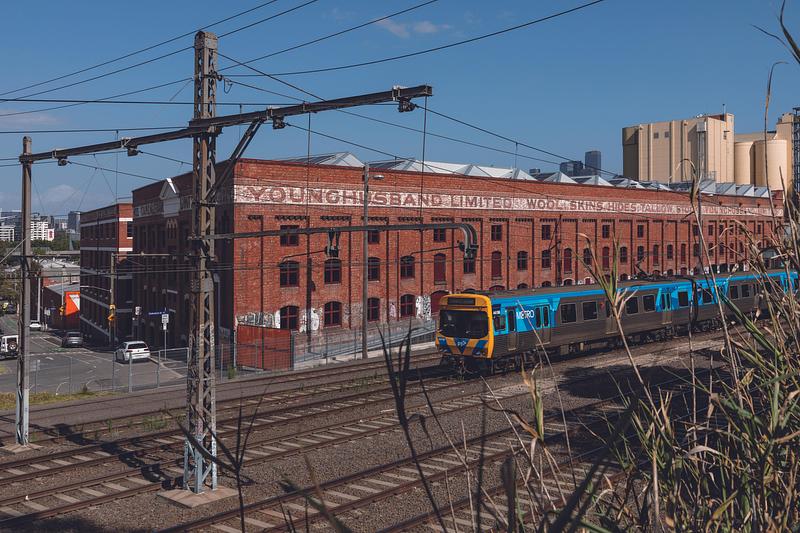
Image haute résolution : 16.0 x 10.67 @ 300dpi ~ 10 Mo
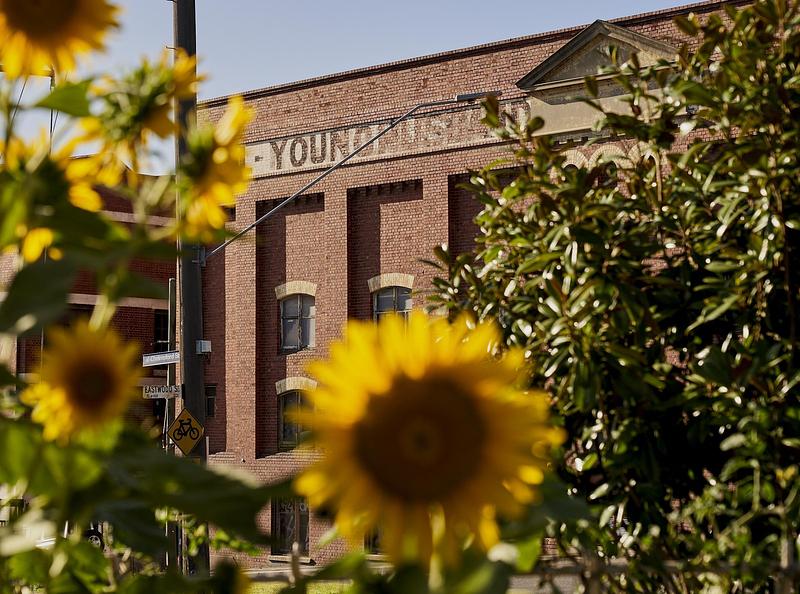
Image moyenne résolution : 8.0 x 5.94 @ 300dpi ~ 4,4 Mo

Image haute résolution : 16.0 x 11.98 @ 300dpi ~ 13 Mo
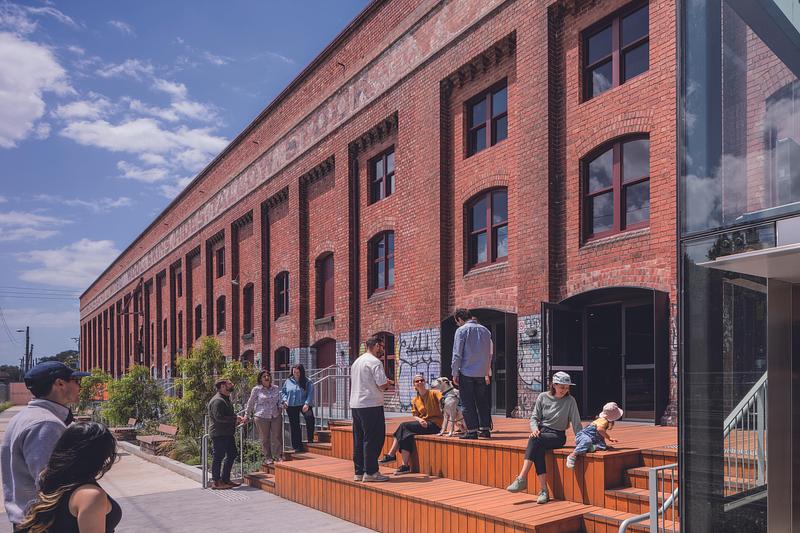
Image haute résolution : 16.0 x 10.67 @ 300dpi ~ 9,3 Mo

Image haute résolution : 10.67 x 16.0 @ 300dpi ~ 11 Mo
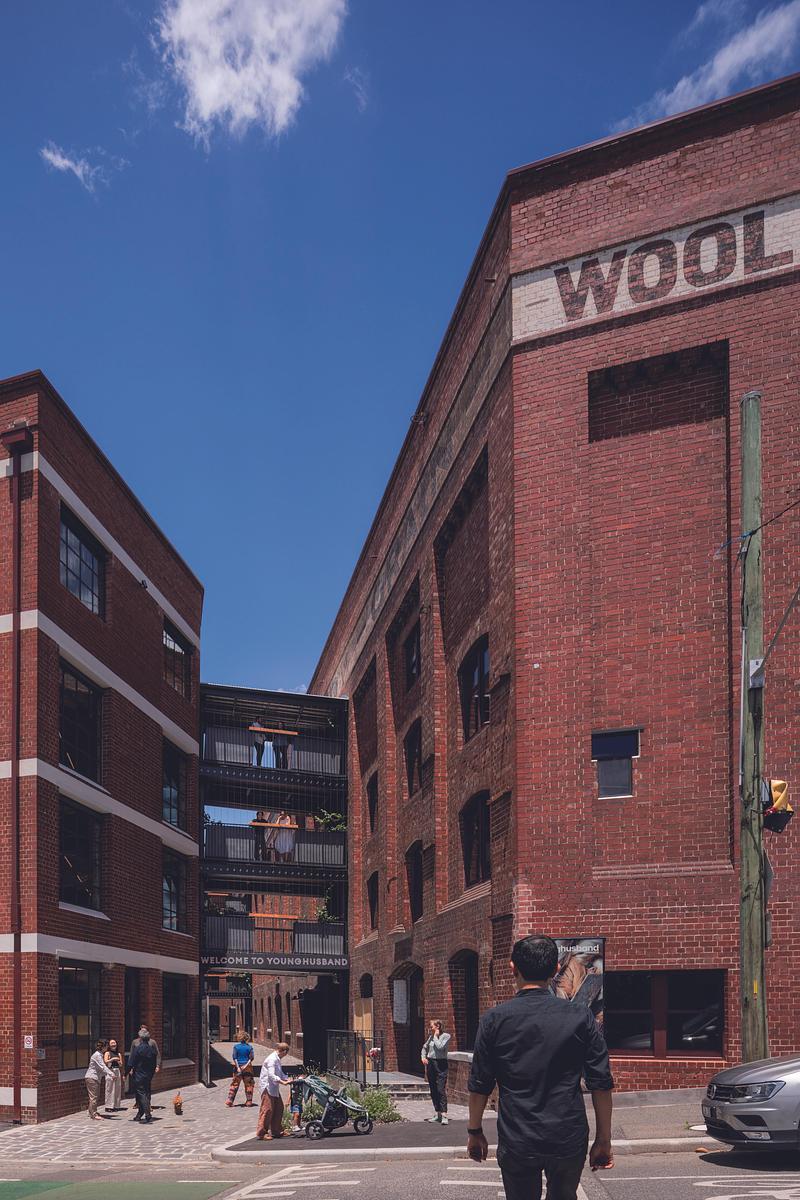
Image haute résolution : 10.67 x 16.0 @ 300dpi ~ 8,9 Mo
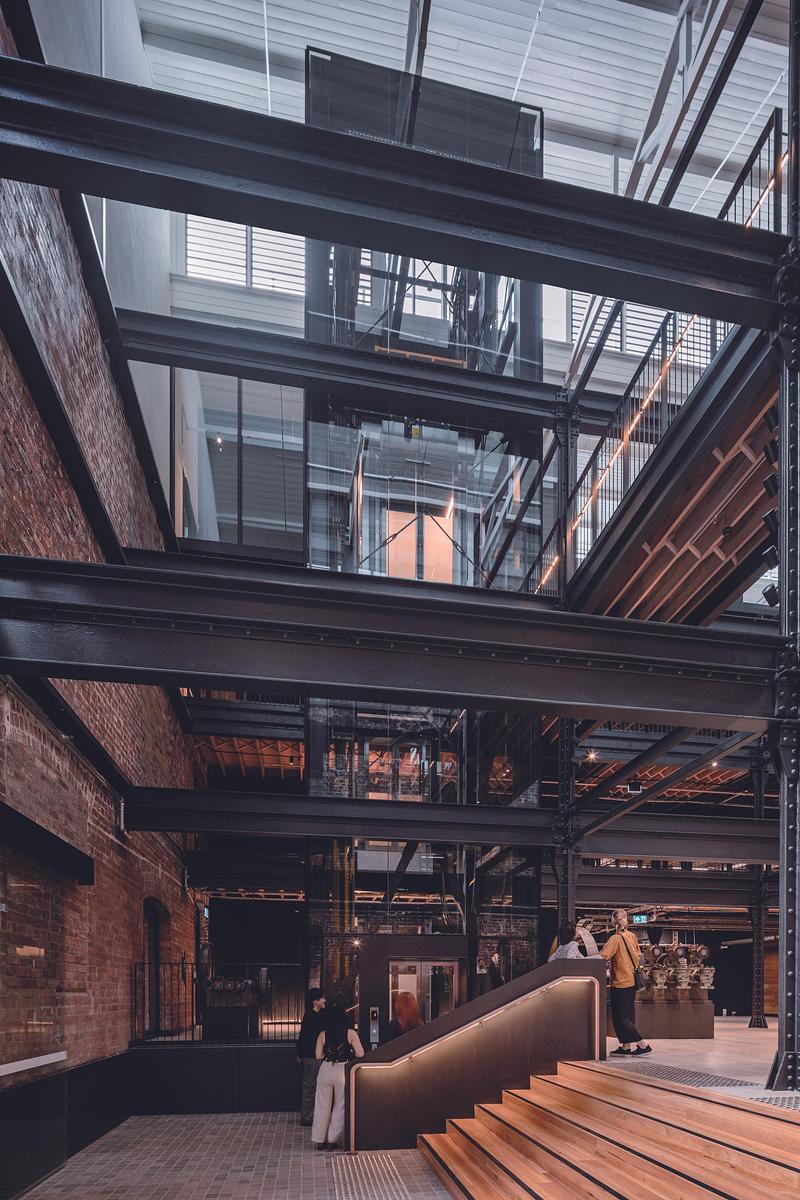
Image haute résolution : 10.67 x 16.0 @ 300dpi ~ 9,8 Mo
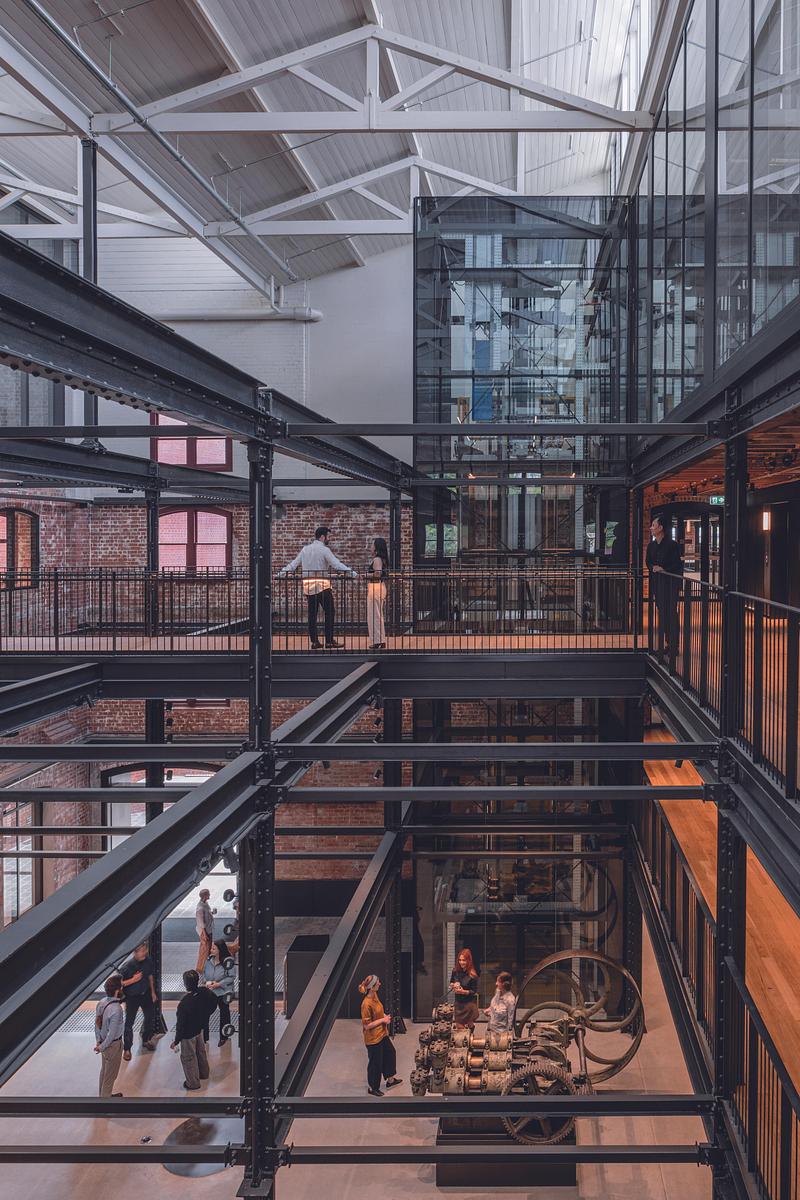
Image haute résolution : 10.67 x 16.0 @ 300dpi ~ 9,4 Mo
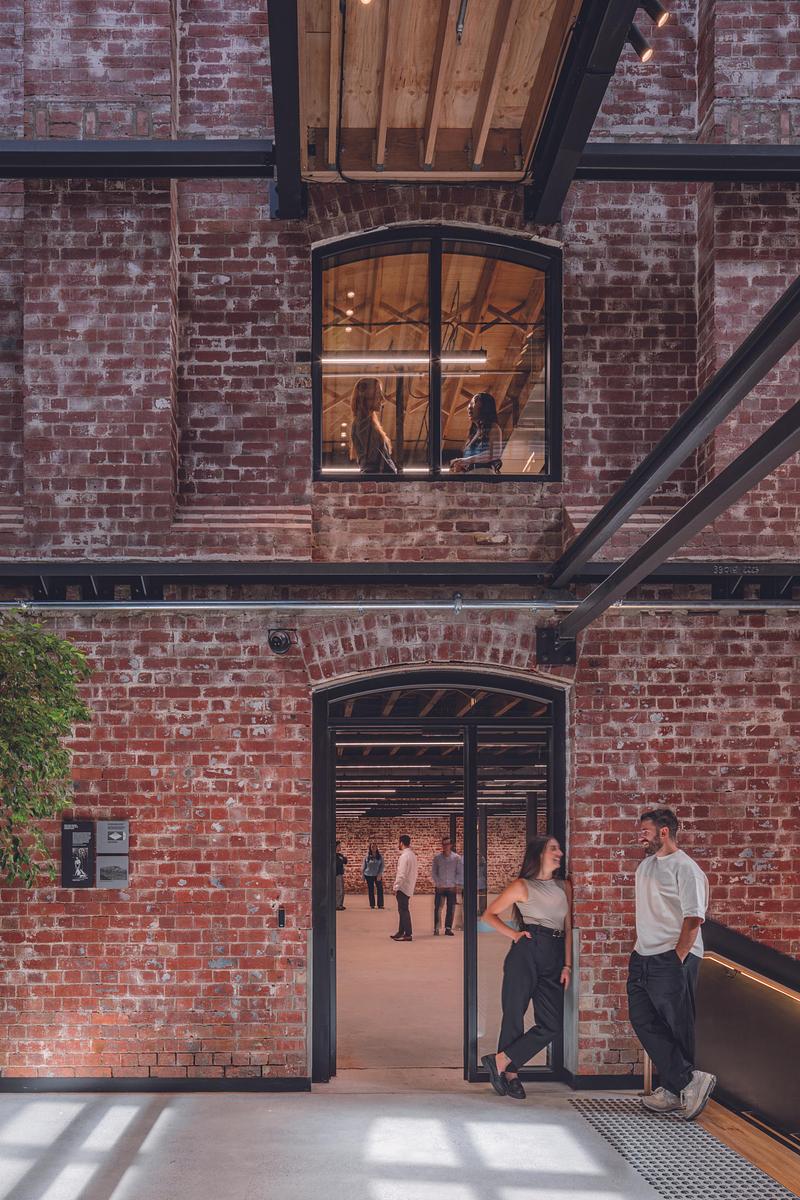
Image haute résolution : 10.67 x 16.0 @ 300dpi ~ 10 Mo
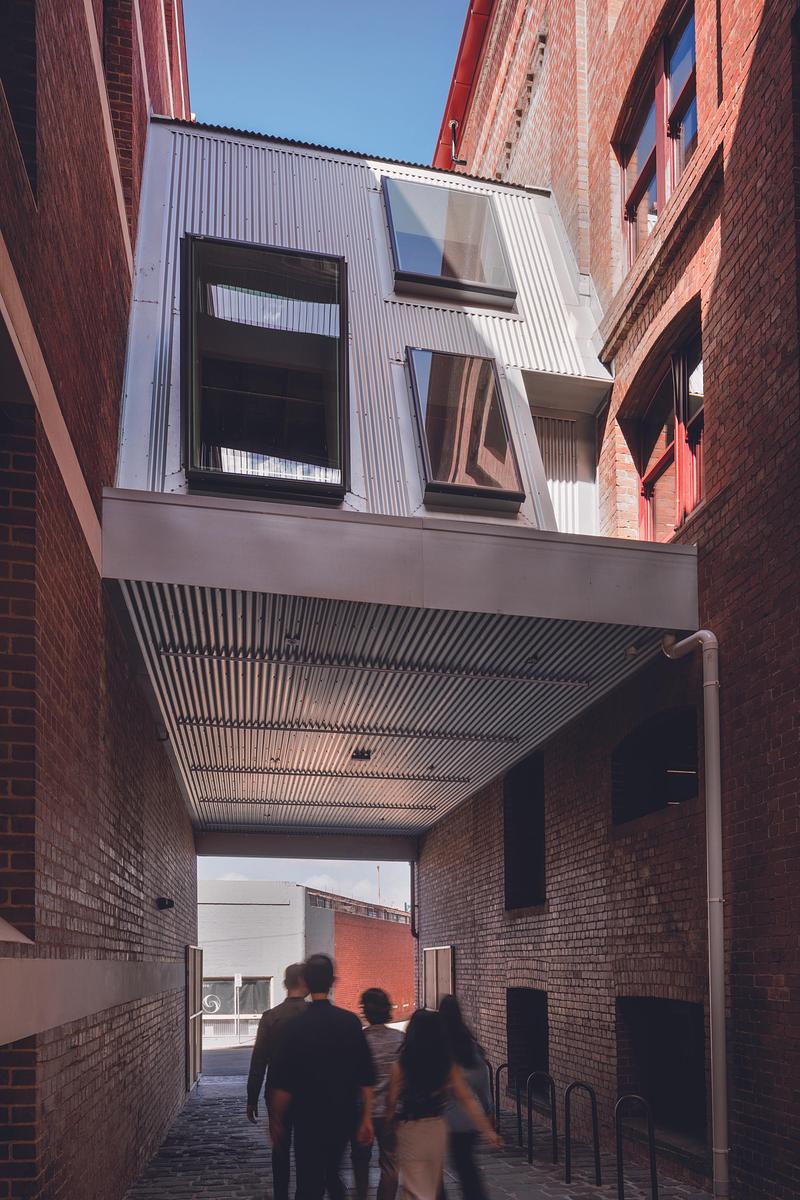
Image haute résolution : 10.67 x 16.0 @ 300dpi ~ 8,7 Mo
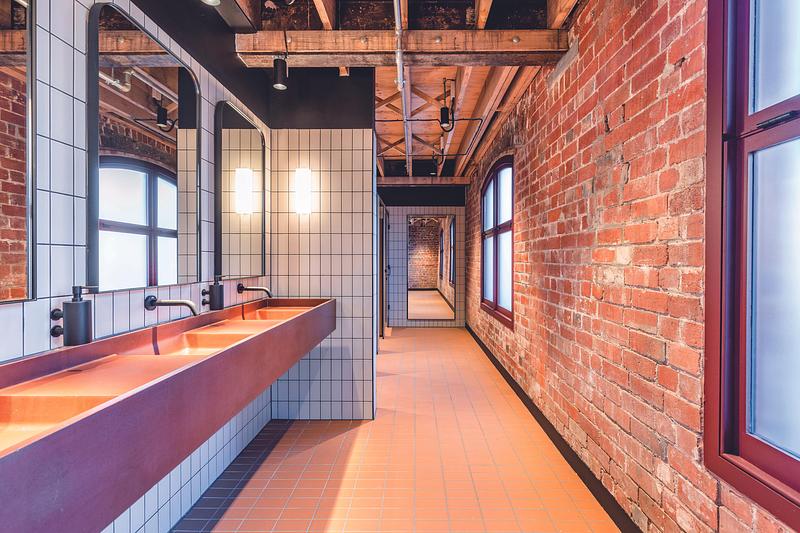
Image haute résolution : 16.0 x 10.67 @ 300dpi ~ 9,5 Mo
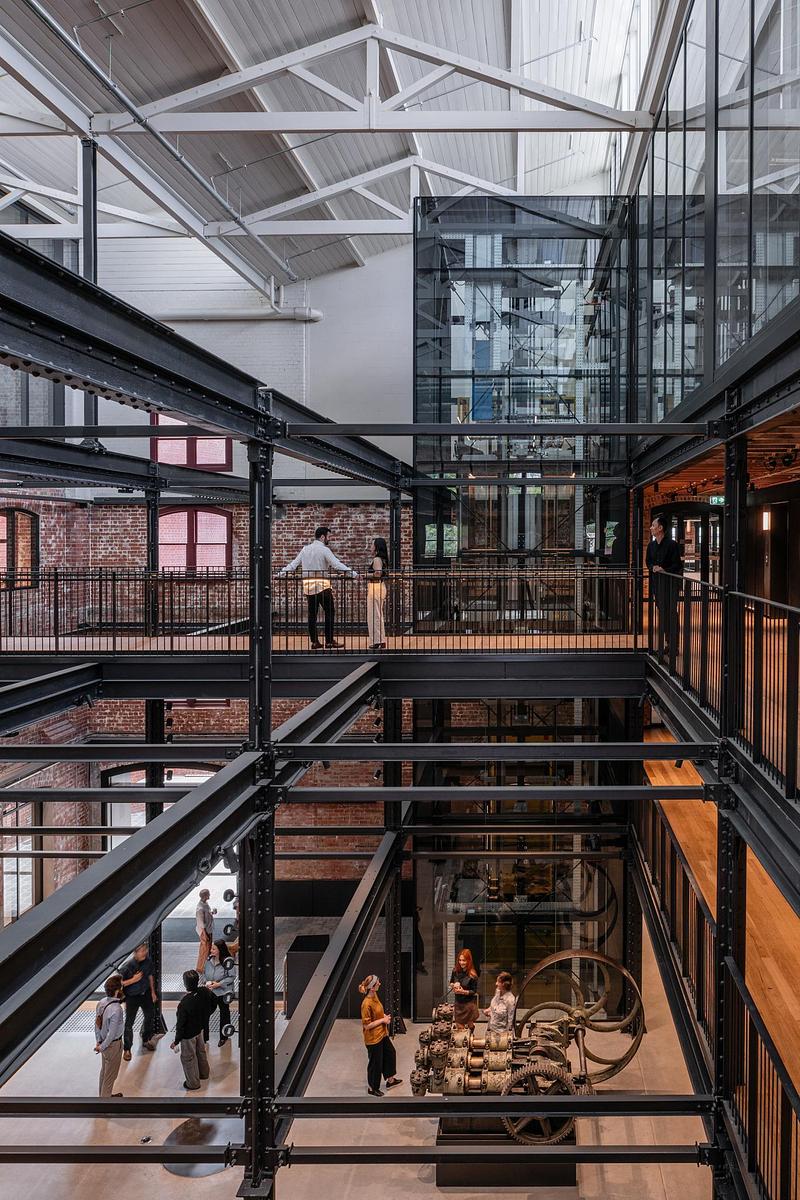
Image moyenne résolution : 4.55 x 6.83 @ 300dpi ~ 1,1 Mo
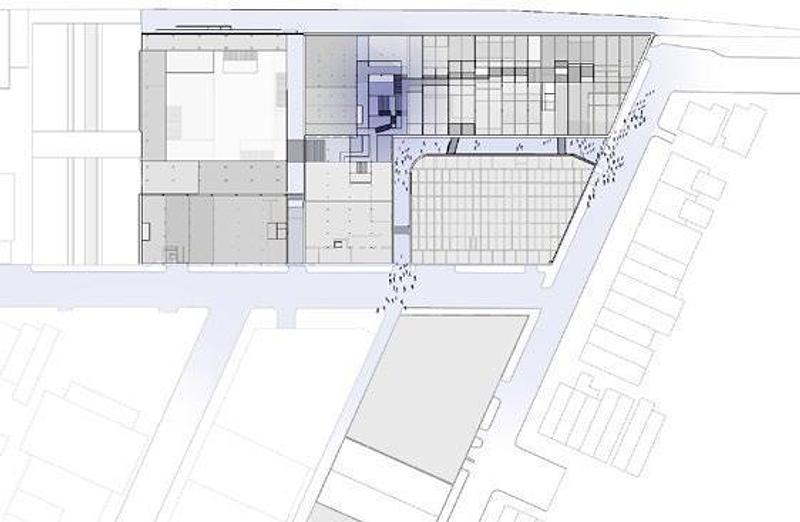
Image basse résolution : 1.87 x 1.22 @ 300dpi ~ 32 ko
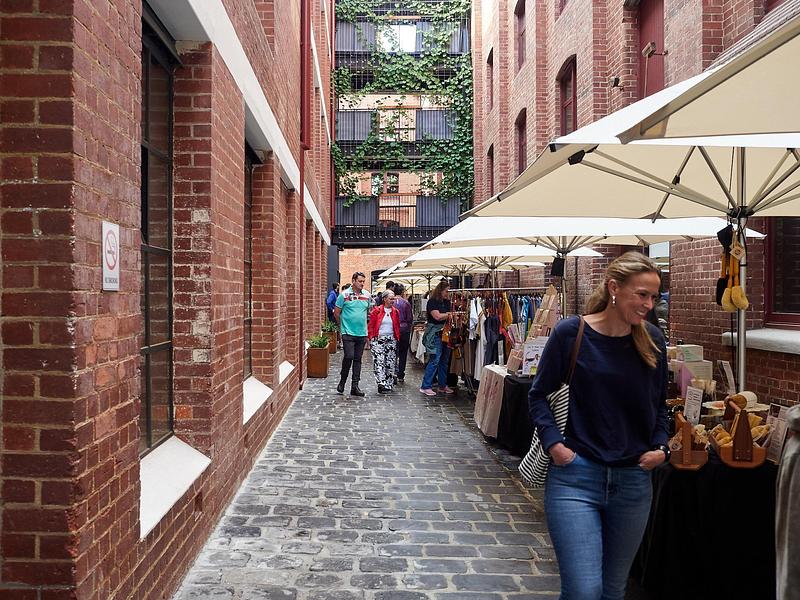
Image moyenne résolution : 6.83 x 5.12 @ 300dpi ~ 1 Mo
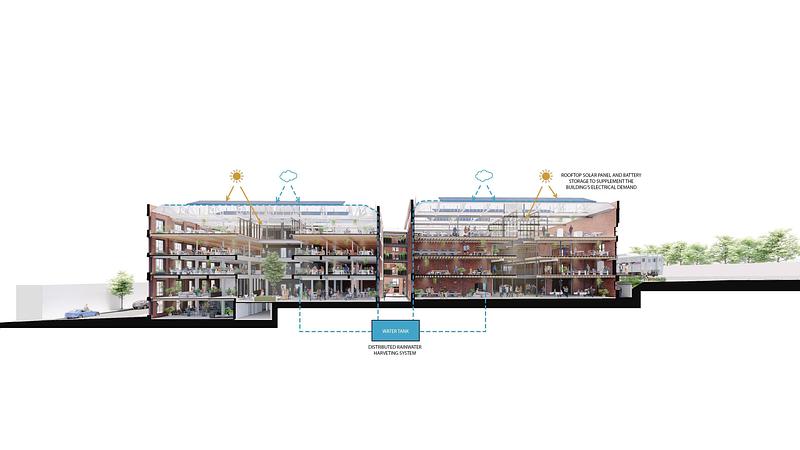
Image haute résolution : 12.8 x 7.2 @ 300dpi ~ 1,6 Mo
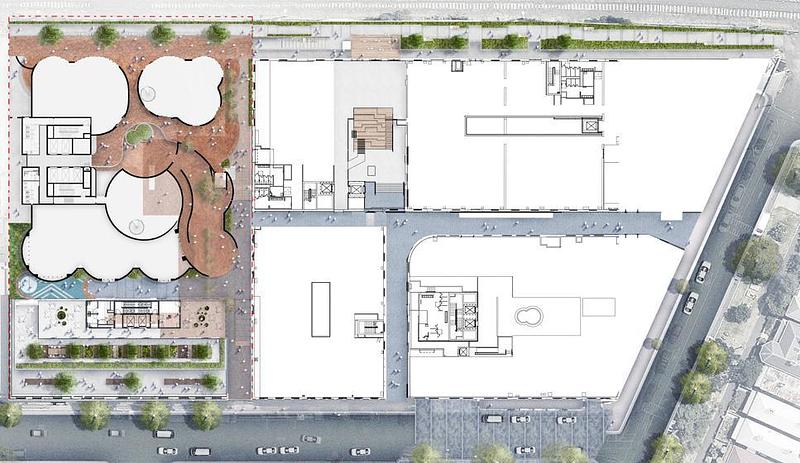
Image basse résolution : 3.22 x 1.87 @ 300dpi ~ 880 ko
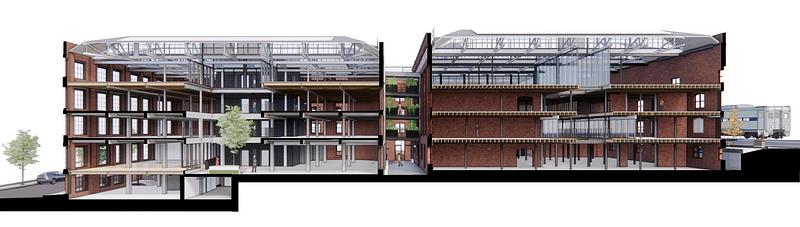
Image moyenne résolution : 7.65 x 2.17 @ 300dpi ~ 1,4 Mo

Publicité
Vous pourriez également aimer...

Los Angeles, États-Unis, 20-10-2026
L'Architecture MasterPrize annonce ses lauréats 2026
Farmani Group
Céragrès Studio : du projet à la matière. Un nouveau lieu pour le design.
Découvrez Céragrès Studio : un tout nouvel espace au cœur du Mile-Ex réunissant matériaux, mobilier et expertise. Conçu comme un véritable coffre à outils pour les professionnels du design et de l’architecture, le Studio met à votre disposition une matériauthèque évolutive, un laboratoire d’exploration et un réseau de collaborateurs engagés à donner vie à vos projets.

San Francisco, États-Unis, 23-07-2026