Galerie photos
Architecture industrielle
Parcourez la galerie photos pour trouver des images classées par catégories. Ajoutez-les à vos tableaux Pinterest. Accédez au dossier pour télécharger l’image ou pour obtenir plus de détails sur le projet.
Créez un compte média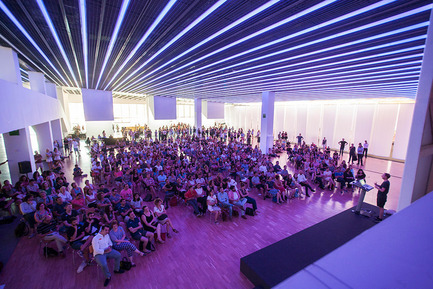
FADfest. Le « Festival of All Design » à Barcelone
FAD - Fostering Arts and Design
-
Crédit photo :
Xavier Padrós
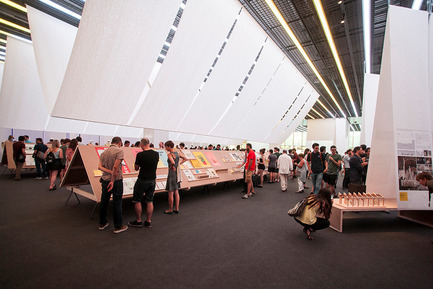
FADfest. Le « Festival of All Design » à Barcelone
FAD - Fostering Arts and Design
-
Crédit photo :
Xavier Padrós
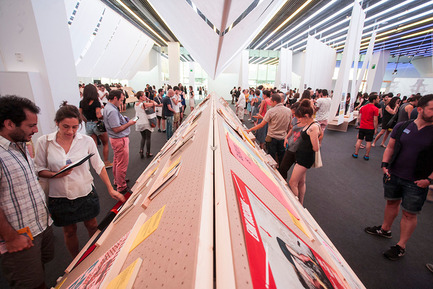
FADfest. Le « Festival of All Design » à Barcelone
FAD - Fostering Arts and Design
-
Crédit photo :
Xavier Padrós
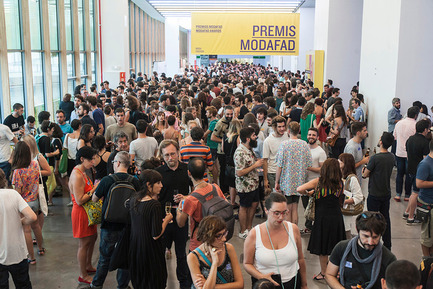
FADfest. Le « Festival of All Design » à Barcelone
FAD - Fostering Arts and Design
-
Crédit photo :
Xavier Padrós
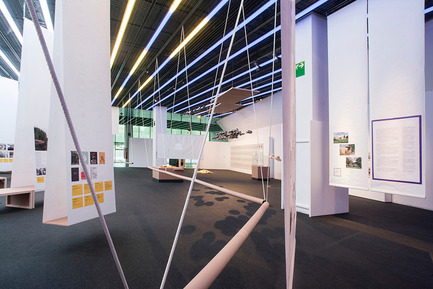
FADfest. Le « Festival of All Design » à Barcelone
FAD - Fostering Arts and Design
-
Crédit photo :
Xavier Padrós
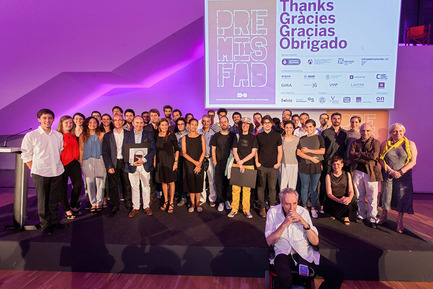
FADfest. Le « Festival of All Design » à Barcelone
FAD - Fostering Arts and Design
-
Crédit photo :
Xavier Padrós

FADfest. Le « Festival of All Design » à Barcelone
FAD - Fostering Arts and Design
Campaign FADfest 2016
Crédit photo :
FAD

FADfest. Le « Festival of All Design » à Barcelone
FAD - Fostering Arts and Design
Campaign FADfest 2016
Crédit photo :
FAD

L'Empreinte Québécoise se dévoile au Salon canadien du meuble du 28 au 30 mai !
L'Empreinte Québécoise
La nouvelle signature québécoise
Crédit photo :
Empreinte Québécoise
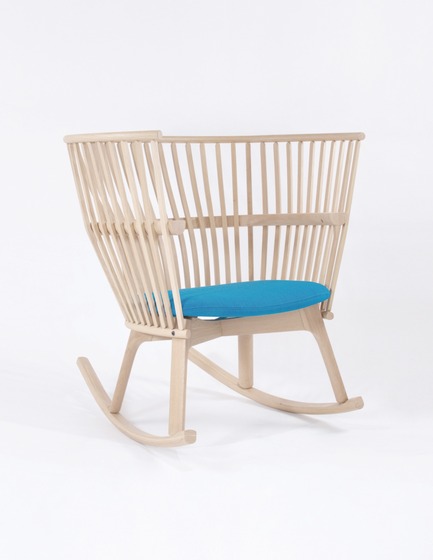
L'Empreinte Québécoise se dévoile au Salon canadien du meuble du 28 au 30 mai !
L'Empreinte Québécoise
Étoffe par Guillaume Sasseville et Les Ateliers St-Jean
Crédit photo :
Nancy Pelland

Publicité
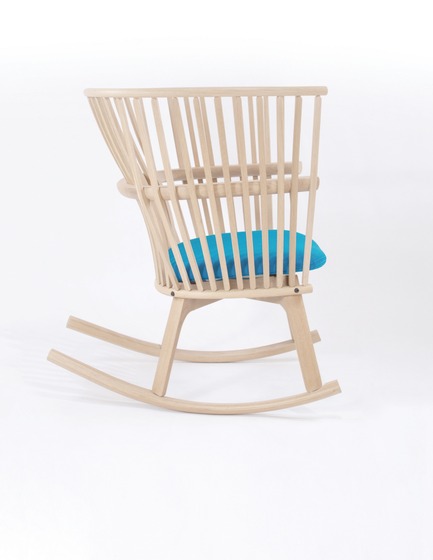
L'Empreinte Québécoise se dévoile au Salon canadien du meuble du 28 au 30 mai !
L'Empreinte Québécoise
Étoffe par Guillaume Sasseville et Les Ateliers St-Jean
Crédit photo :
Nancy Pelland
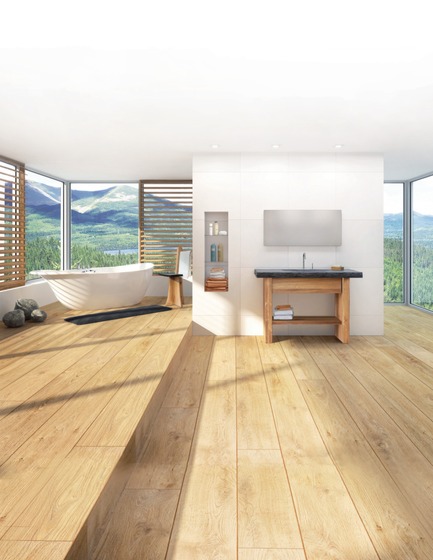
L'Empreinte Québécoise se dévoile au Salon canadien du meuble du 28 au 30 mai !
L'Empreinte Québécoise
Collection Boréale par Rémi Théberge et Vanico-Maronyx
Crédit photo :
Vanico-Maronyx
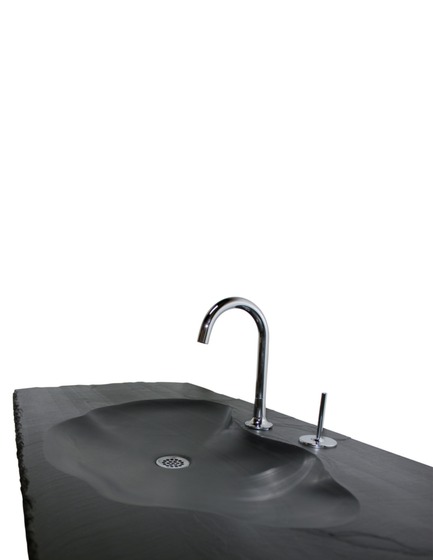
L'Empreinte Québécoise se dévoile au Salon canadien du meuble du 28 au 30 mai !
L'Empreinte Québécoise
Collection Boréale par Rémi Théberge et Vanico-Maronyx
Crédit photo :
Vanico-Maronyx
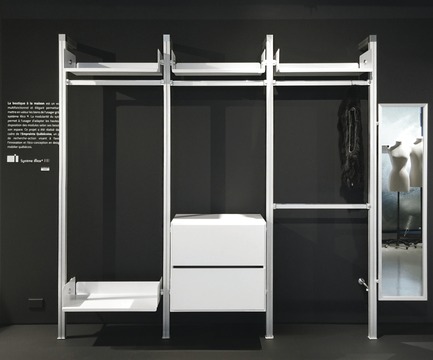
L'Empreinte Québécoise se dévoile au Salon canadien du meuble du 28 au 30 mai !
L'Empreinte Québécoise
Boutique à la maison par Rho
Crédit photo :
Noémie Candeau
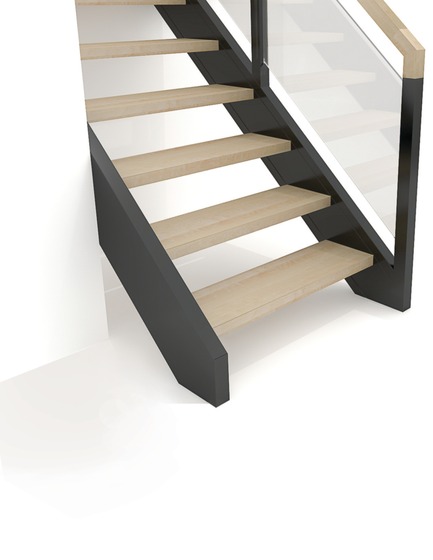
L'Empreinte Québécoise se dévoile au Salon canadien du meuble du 28 au 30 mai !
L'Empreinte Québécoise
L'escalier Puzz par Olivier Laplante-Goulet, Jean-Claude Poitras et le Centre de l'Escalier
Crédit photo :
Centre de l'Escalier
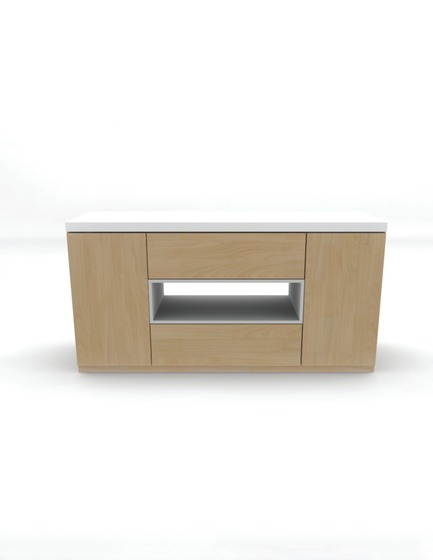
L'Empreinte Québécoise se dévoile au Salon canadien du meuble du 28 au 30 mai !
L'Empreinte Québécoise
Reverso par Guillaume Poulin et Limuro
Crédit photo :
Limuro
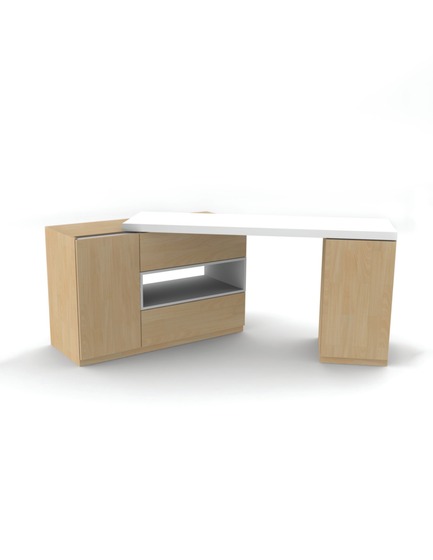
L'Empreinte Québécoise se dévoile au Salon canadien du meuble du 28 au 30 mai !
L'Empreinte Québécoise
Reverso par Guillaume Poulin et Limuro
Crédit photo :
Limuro
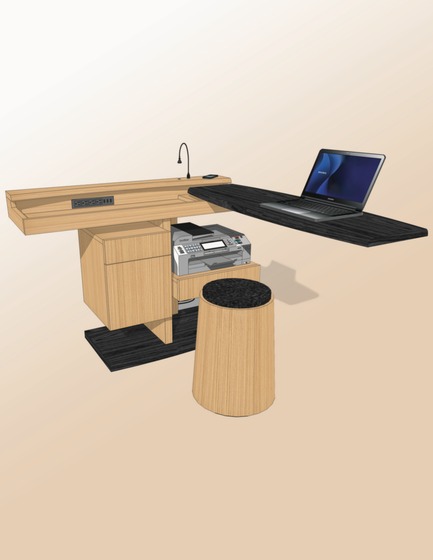
L'Empreinte Québécoise se dévoile au Salon canadien du meuble du 28 au 30 mai !
L'Empreinte Québécoise
Castor par Guy Boileau et Mobican
Crédit photo :
Mobican
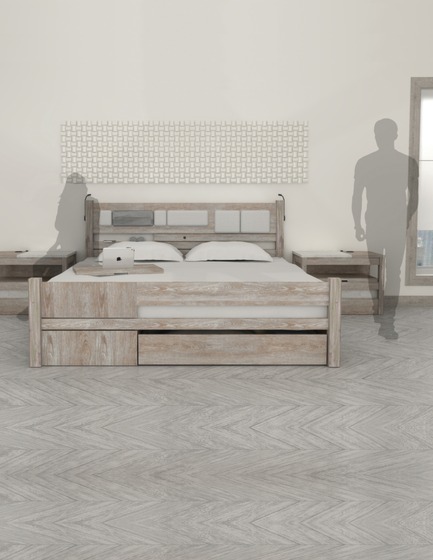
L'Empreinte Québécoise se dévoile au Salon canadien du meuble du 28 au 30 mai !
L'Empreinte Québécoise
Collection Temps par Nicholas Joyal et BSG
Crédit photo :
BSG
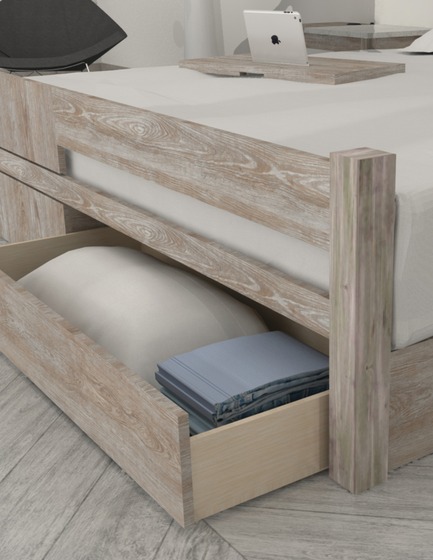
L'Empreinte Québécoise se dévoile au Salon canadien du meuble du 28 au 30 mai !
L'Empreinte Québécoise
Collection Temps par Nicholas Joyal et BSG
Crédit photo :
BSG
Publicité