Press kit no. 3274-04
Journalists, explore this publication-ready project. Create a free v2com media account to download high-resolution images.
Create a media account
Press Kit | no. 3274-04
Press release only in English
Powerwall
Studio RAP
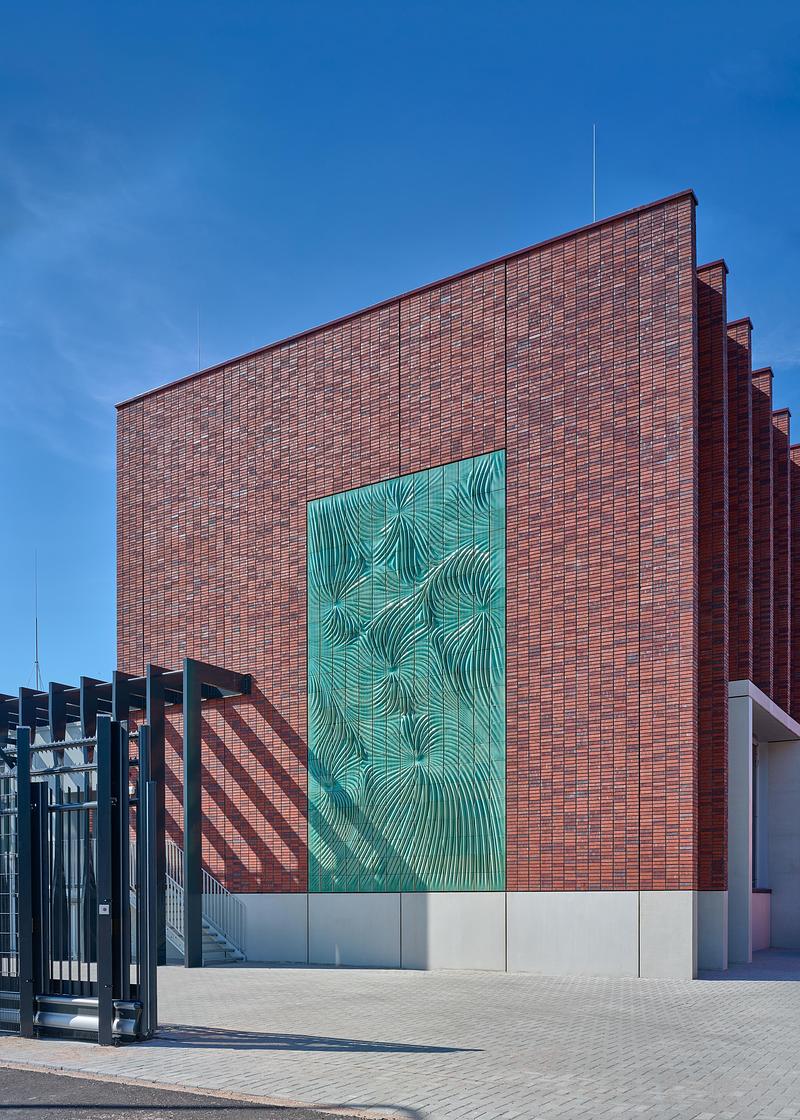
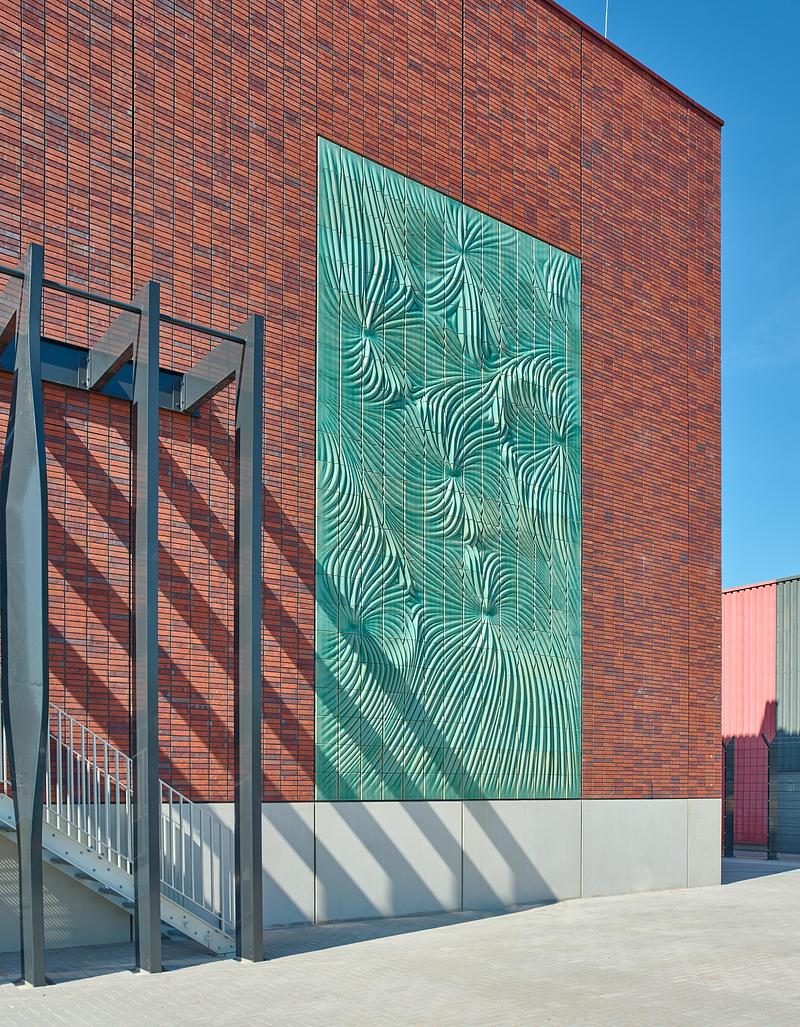
Powerwall is a new architectural artwork by Studio RAP at Switchstation Beverwijk in the Netherlands. Conceived as a bespoke façade-mounted ceramic surface for one of the country's high-voltage transformer stations, the project translates the invisible electromagnetic forces humming inside the building into a tactile, three-dimensional relief. By combining algorithmic design, 3D clay printing, and artisanal glazing, Powerwall transforms a piece of essential infrastructure into a work of architectural innovation, redefining its identity and providing a lasting contribution to the surrounding neighborhood.
The Design
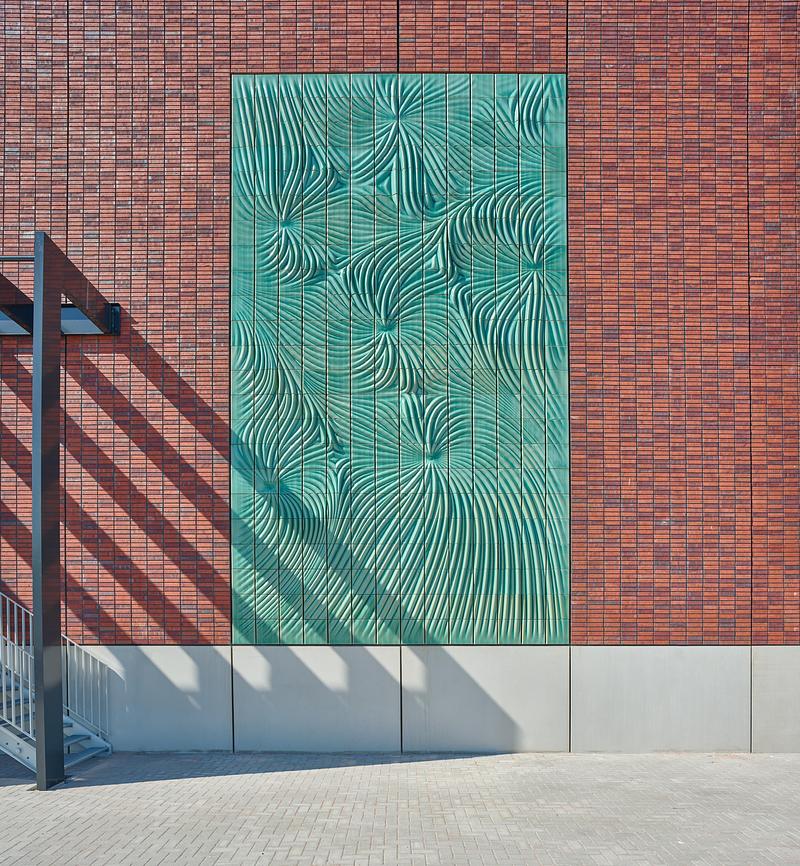
A transformer station is, naturally, a closed, utilitarian building, a piece of infrastructure that quietly carries a region's electricity. In most cities, such buildings sit in residential neighborhoods as blank, anonymous volumes that residents pass without noticing. With Powerwall, Studio RAP introduces a bespoke ceramic canvas to this utilitarian structure, turning a blank façade into a dynamic architectural artwork that visually translates the energy humming within.
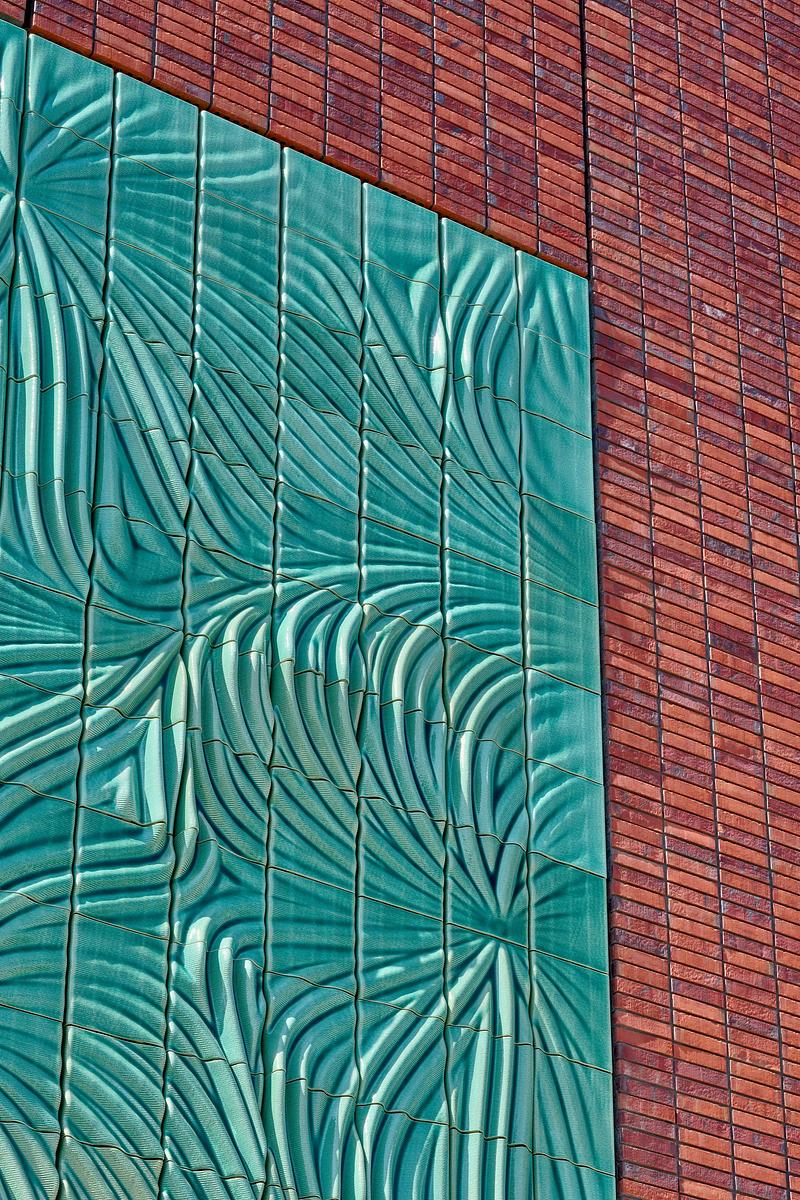
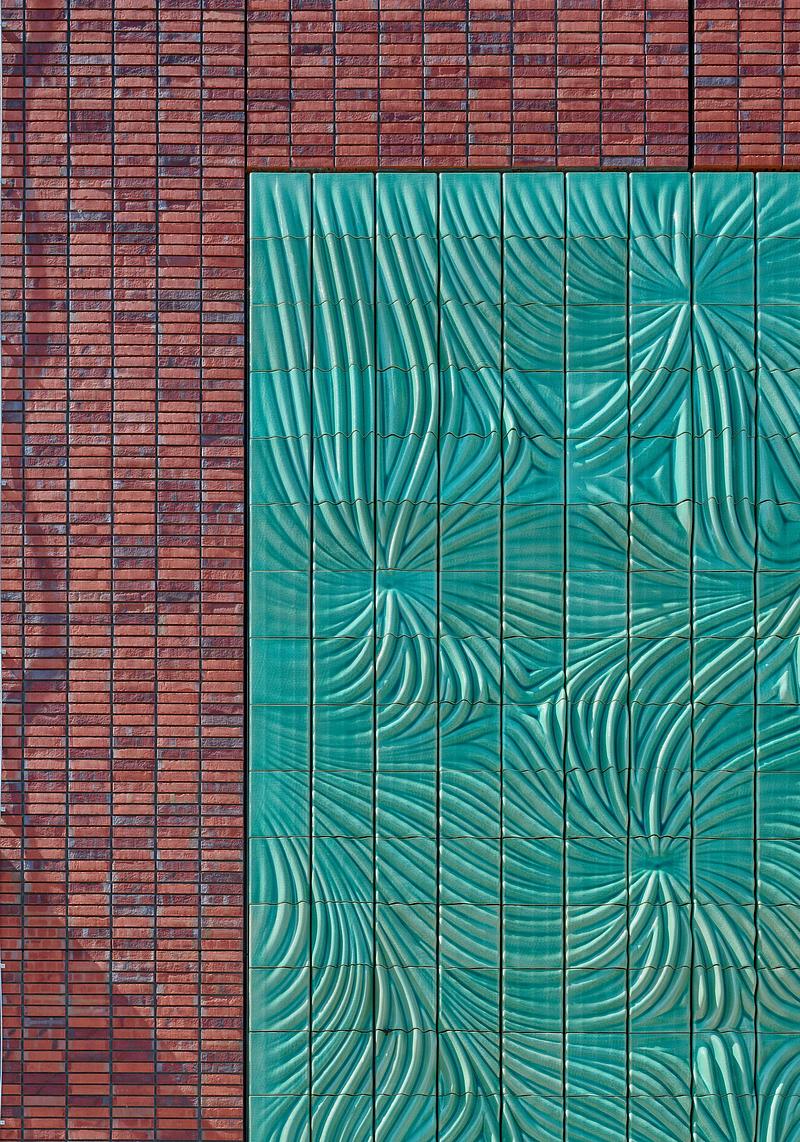
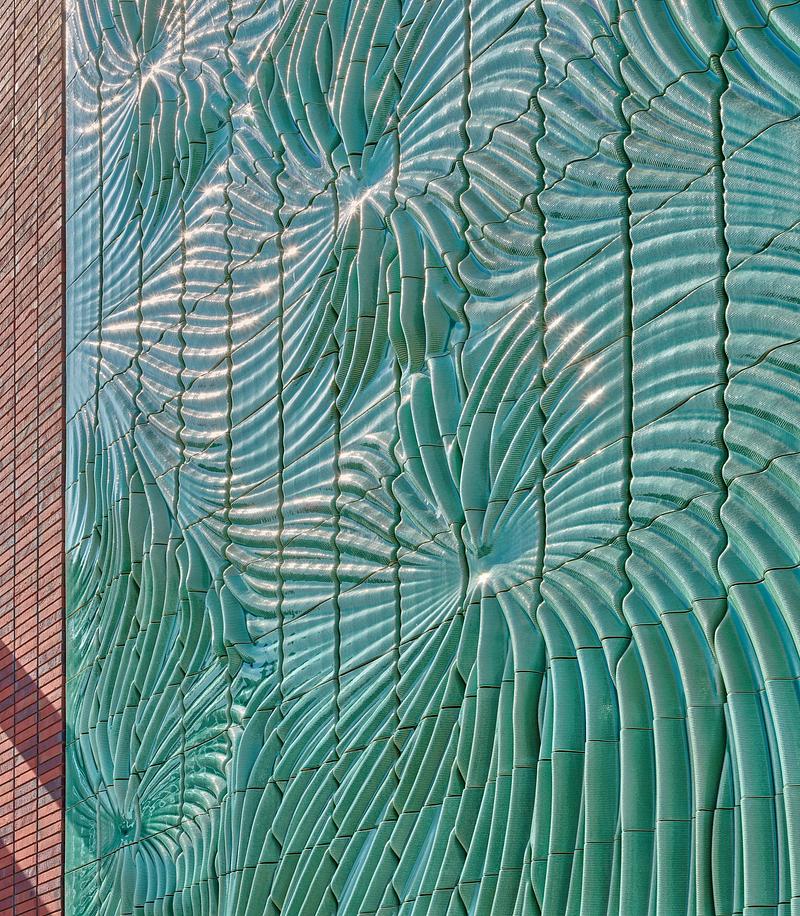
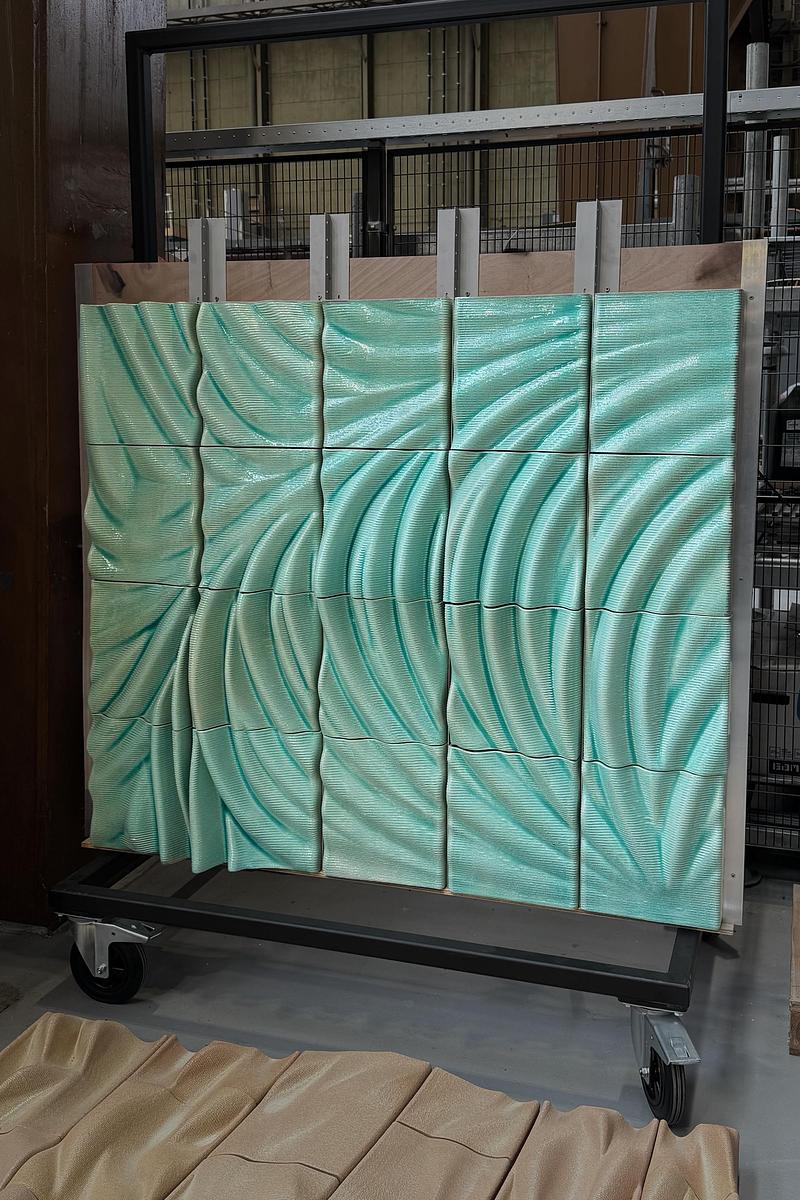
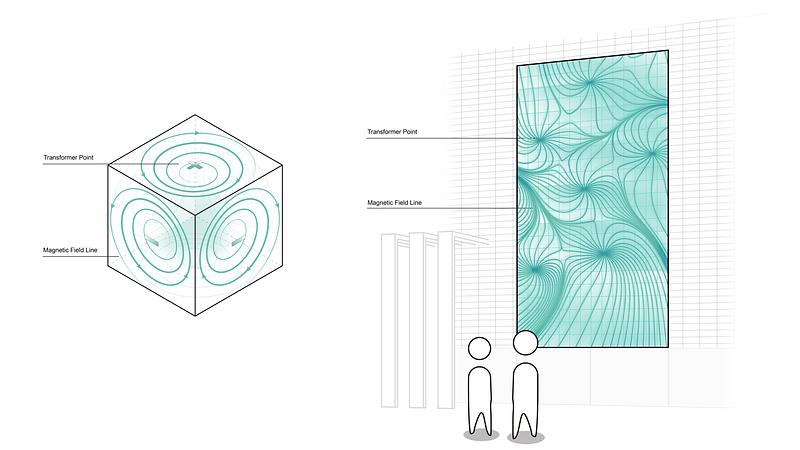
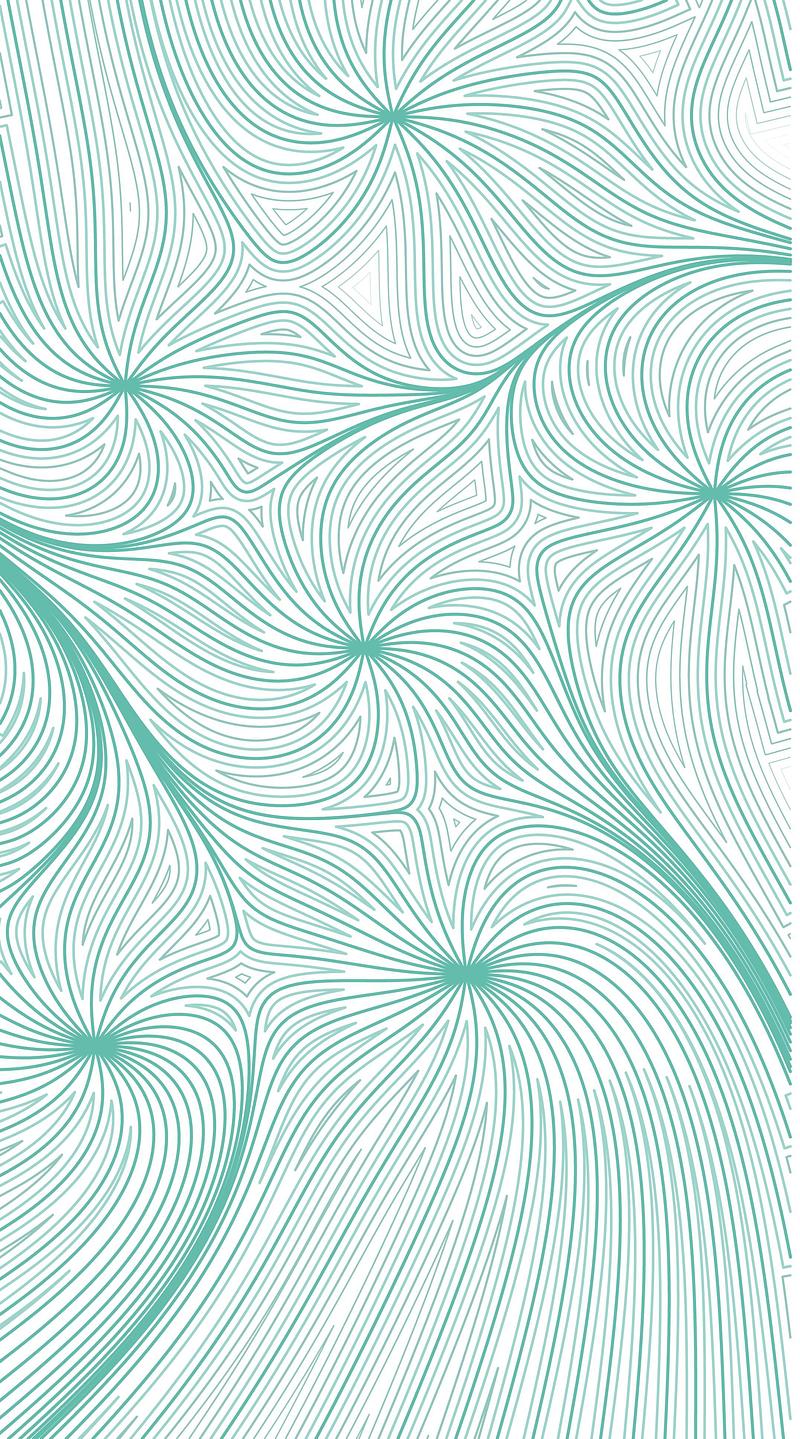
Spanning eight by five meters and integrated into the brick façade of Switchstation Beverwijk (designed by Powerhouse Company for Dutch grid operator TenneT), the artwork takes its inspiration directly from the forces it conceals. The flow lines of the electromagnetic fields generated by the transformers within become the design vocabulary of the wall. Sweeping spirals and flowing lines move across the surface, organized by algorithm into a composition that feels at once static and in motion.
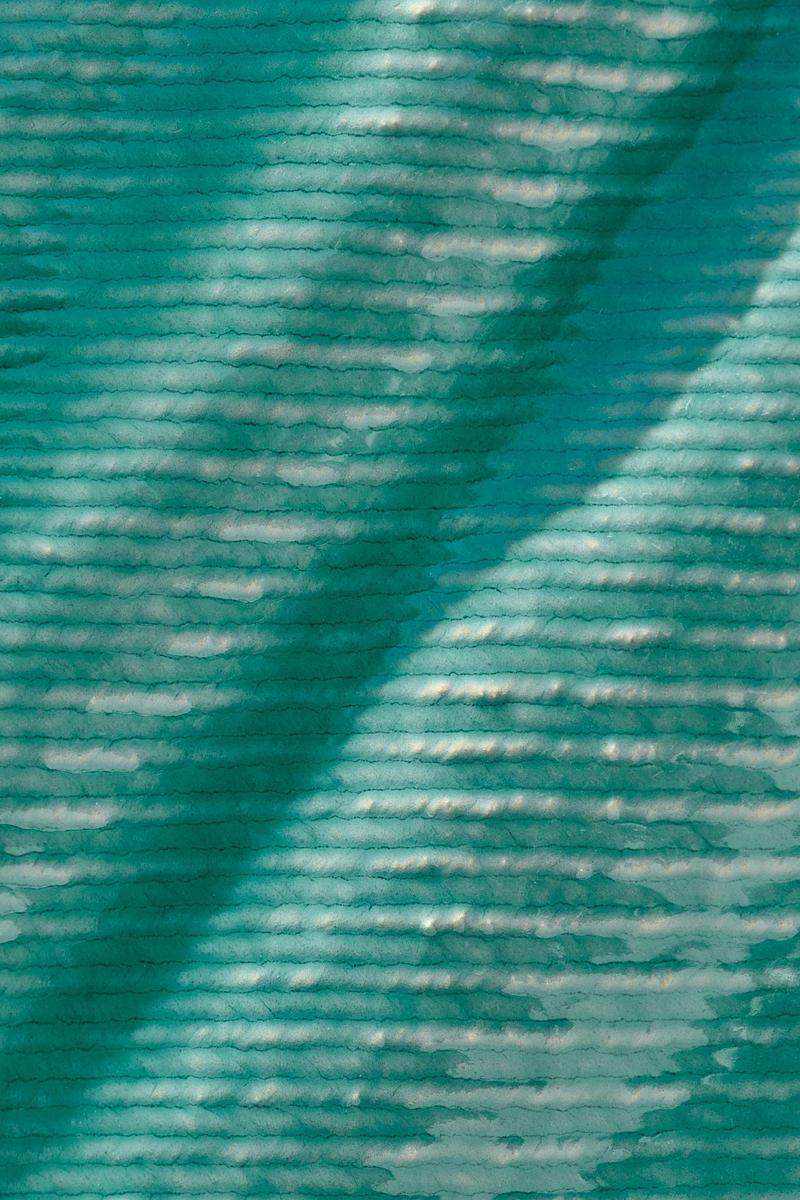
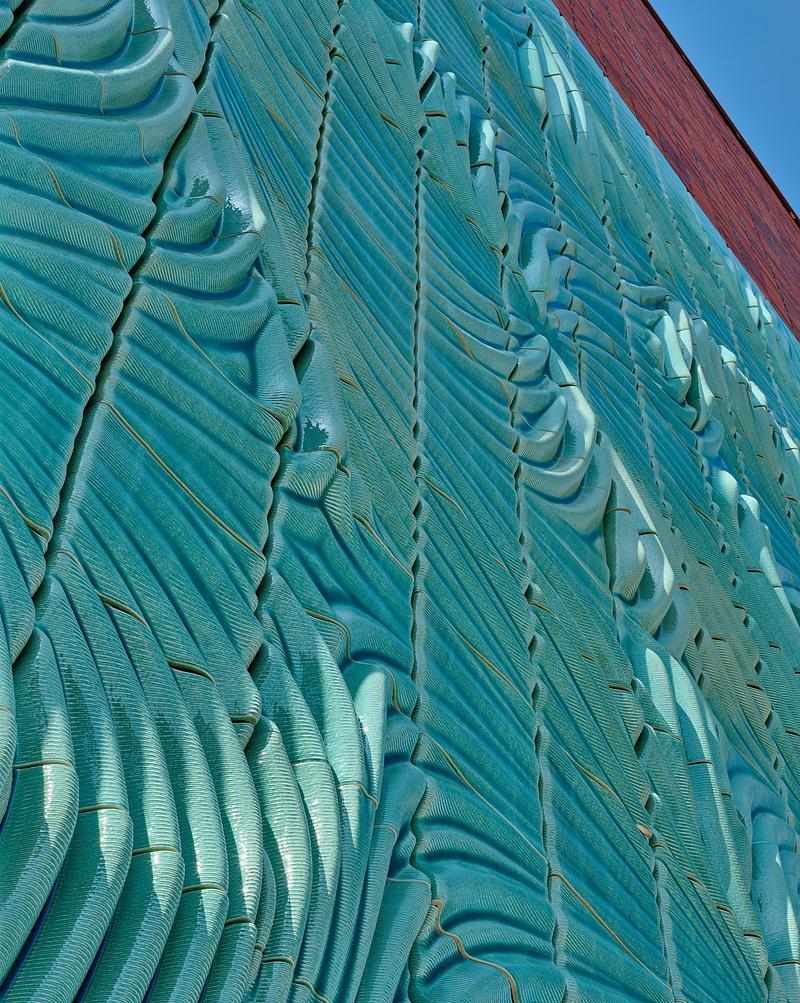
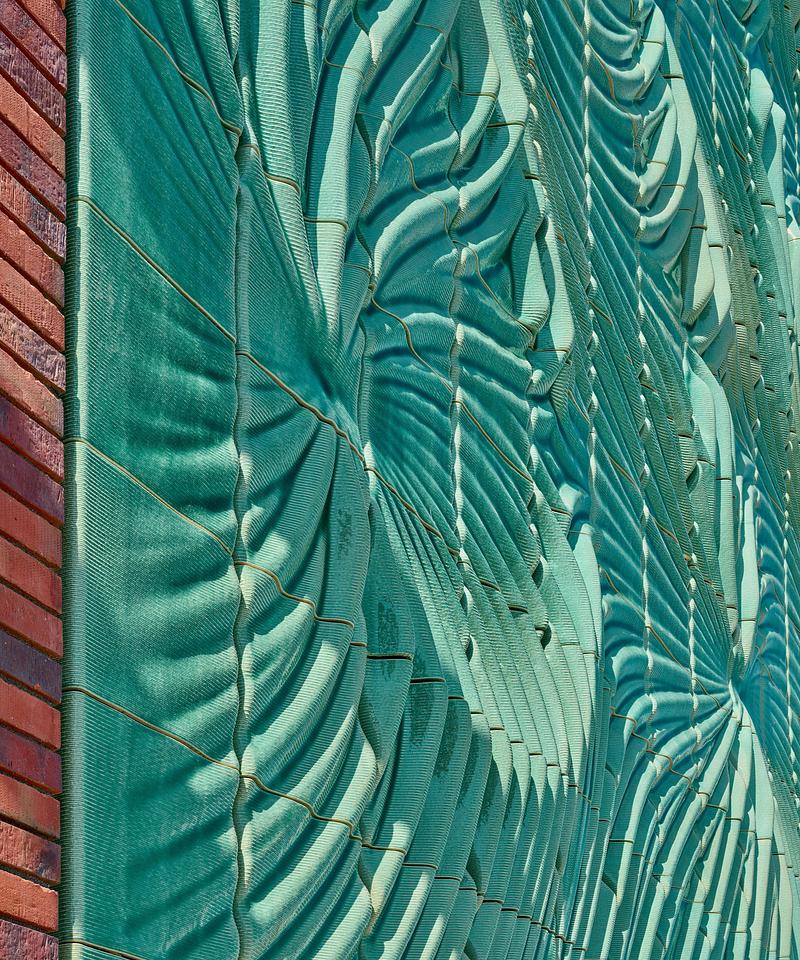
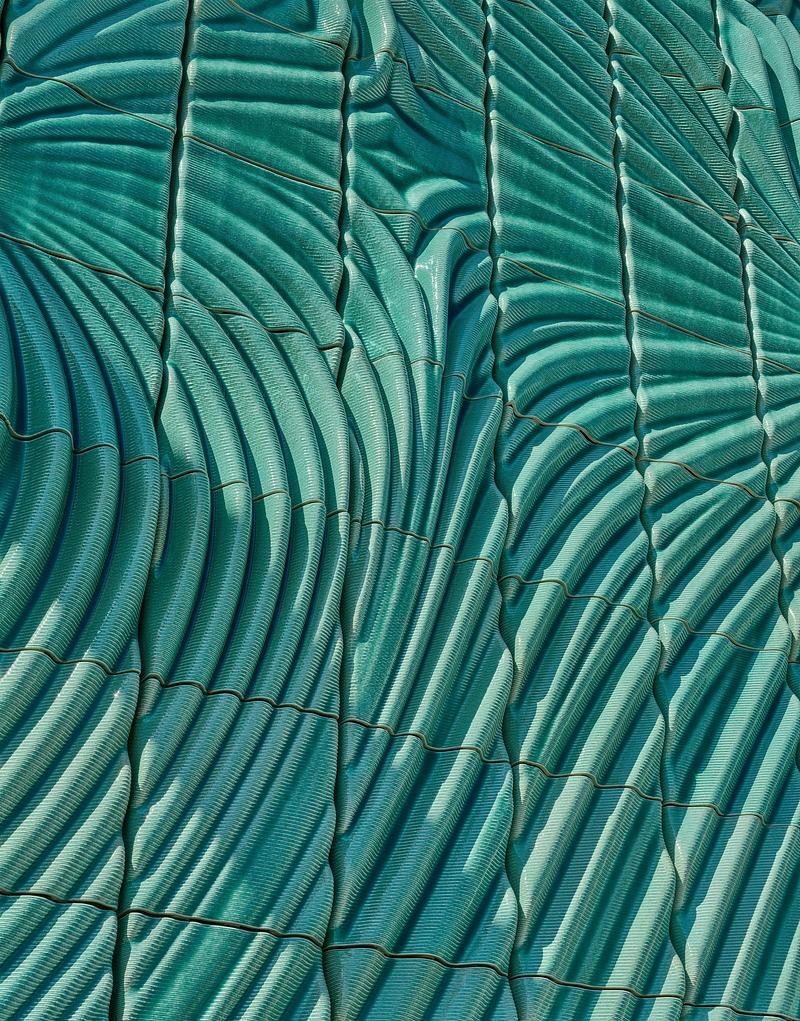
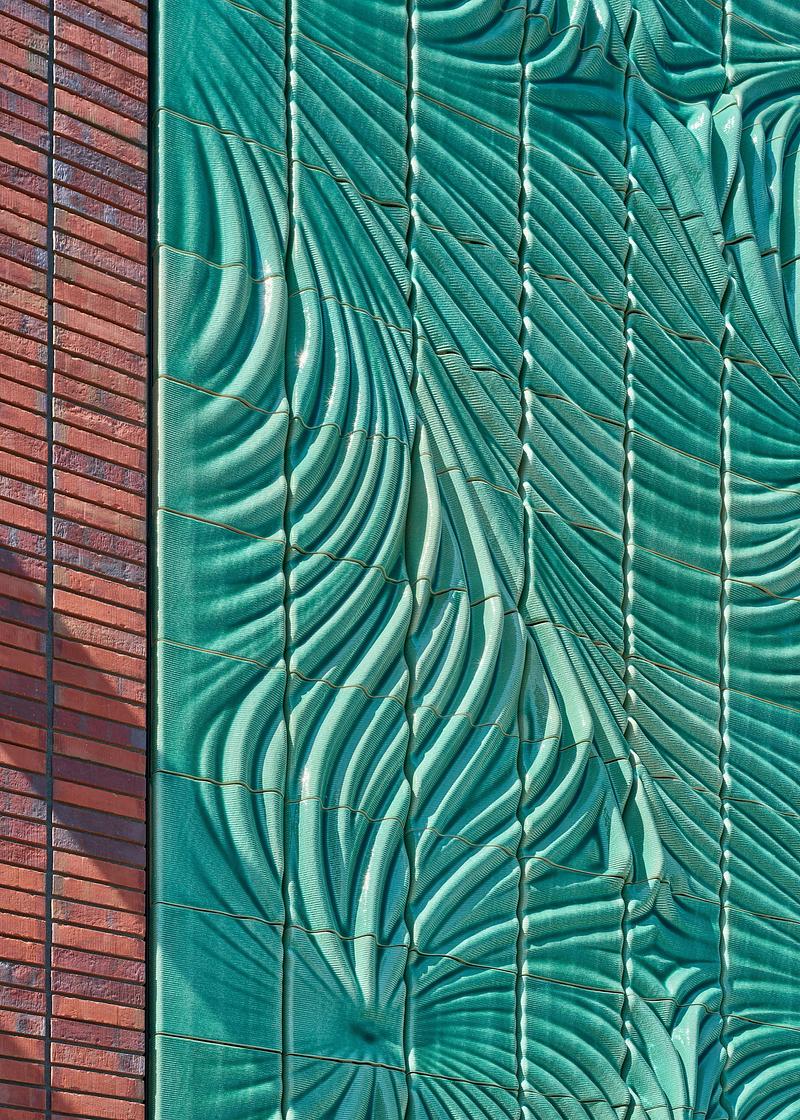
The translucent turquoise glaze shifts with the daylight, making the artwork look different at every moment of the day. The result is a façade that does not hide the building's function but rather illustrates it, creating a portrait of electricity rendered in ceramic. Through this intervention, Studio RAP demonstrates how digital craftsmanship can add an expressive layer to the building. The state-of-the-art, 3D-printed ceramic artwork introduces a highly tactile quality to the brick façade, rewarding passersby with a closer look.
The Innovation
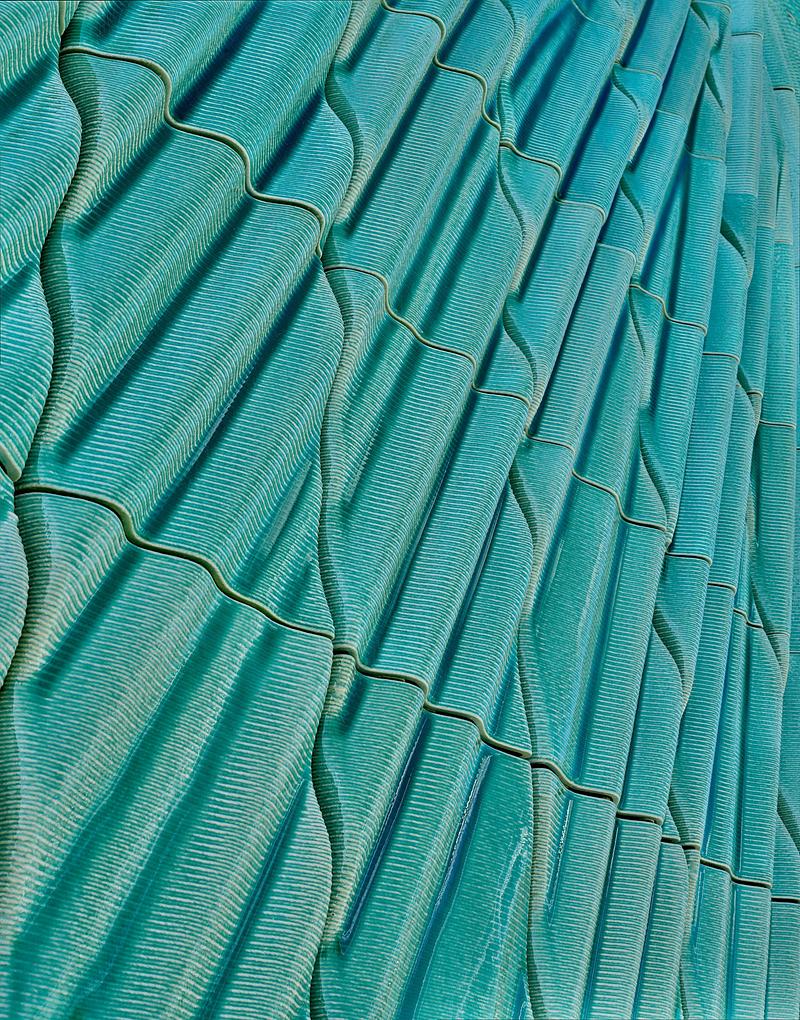
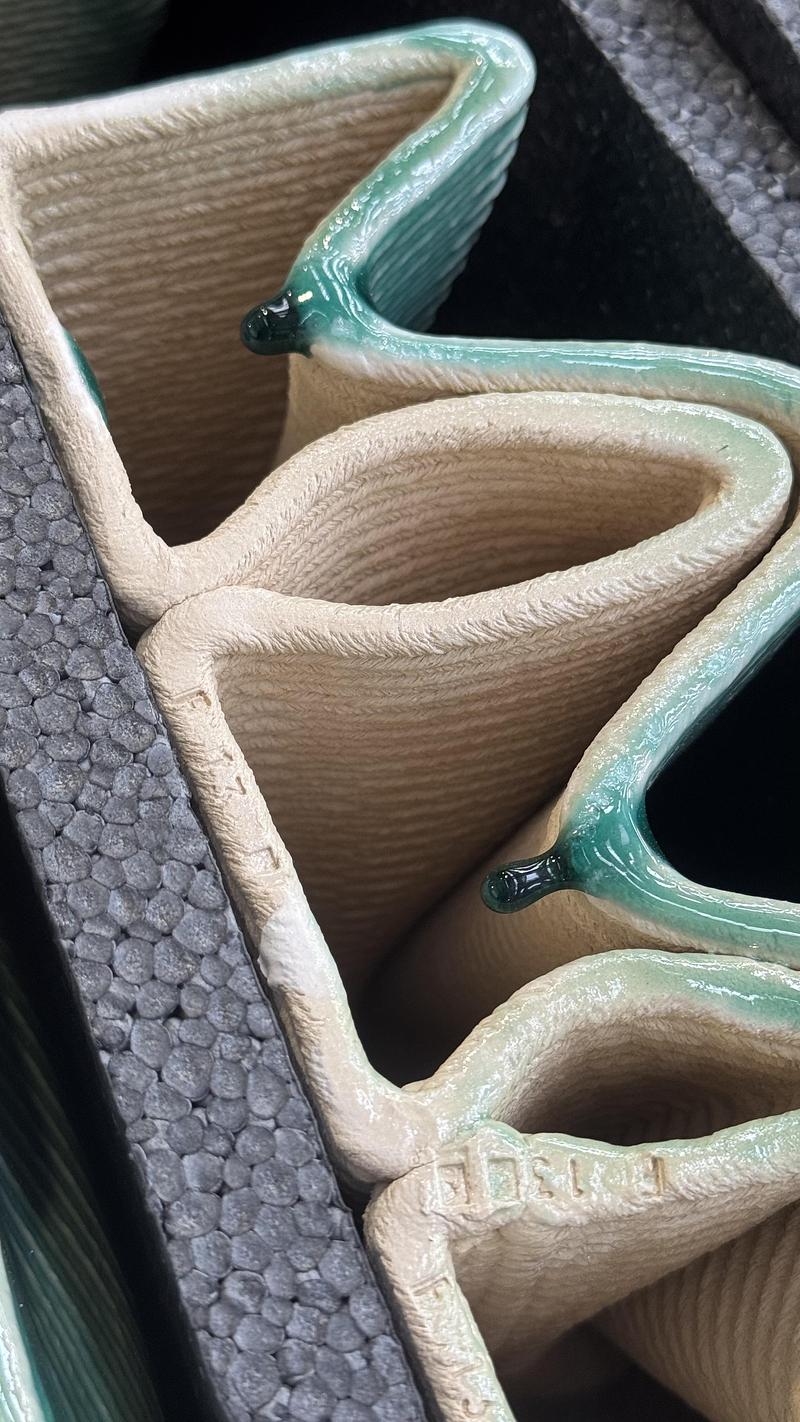
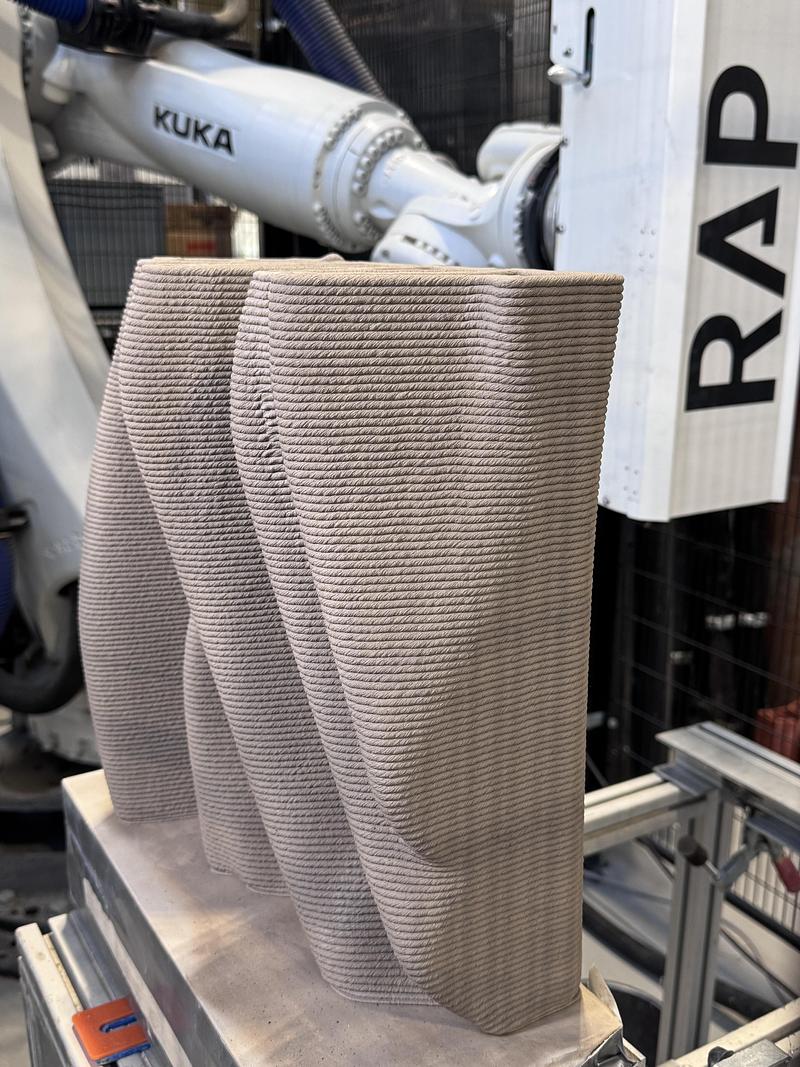
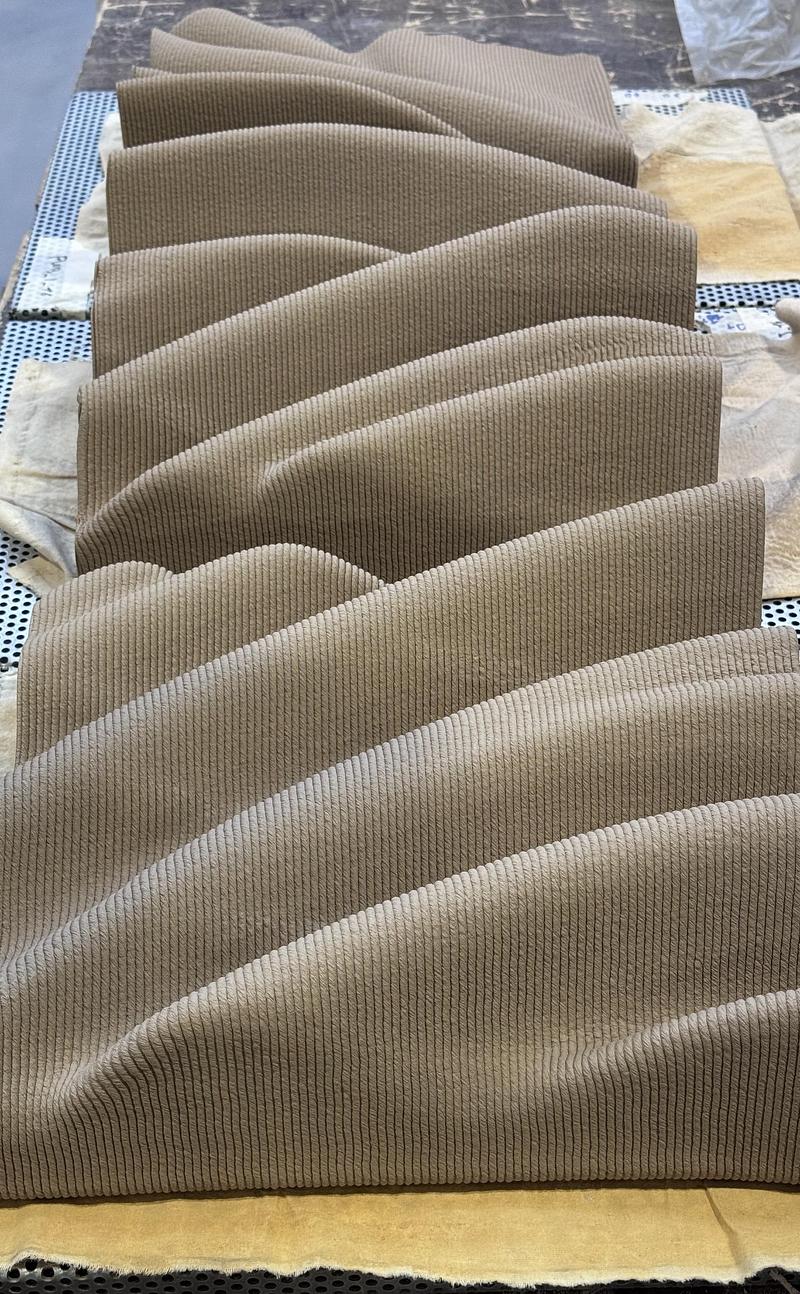
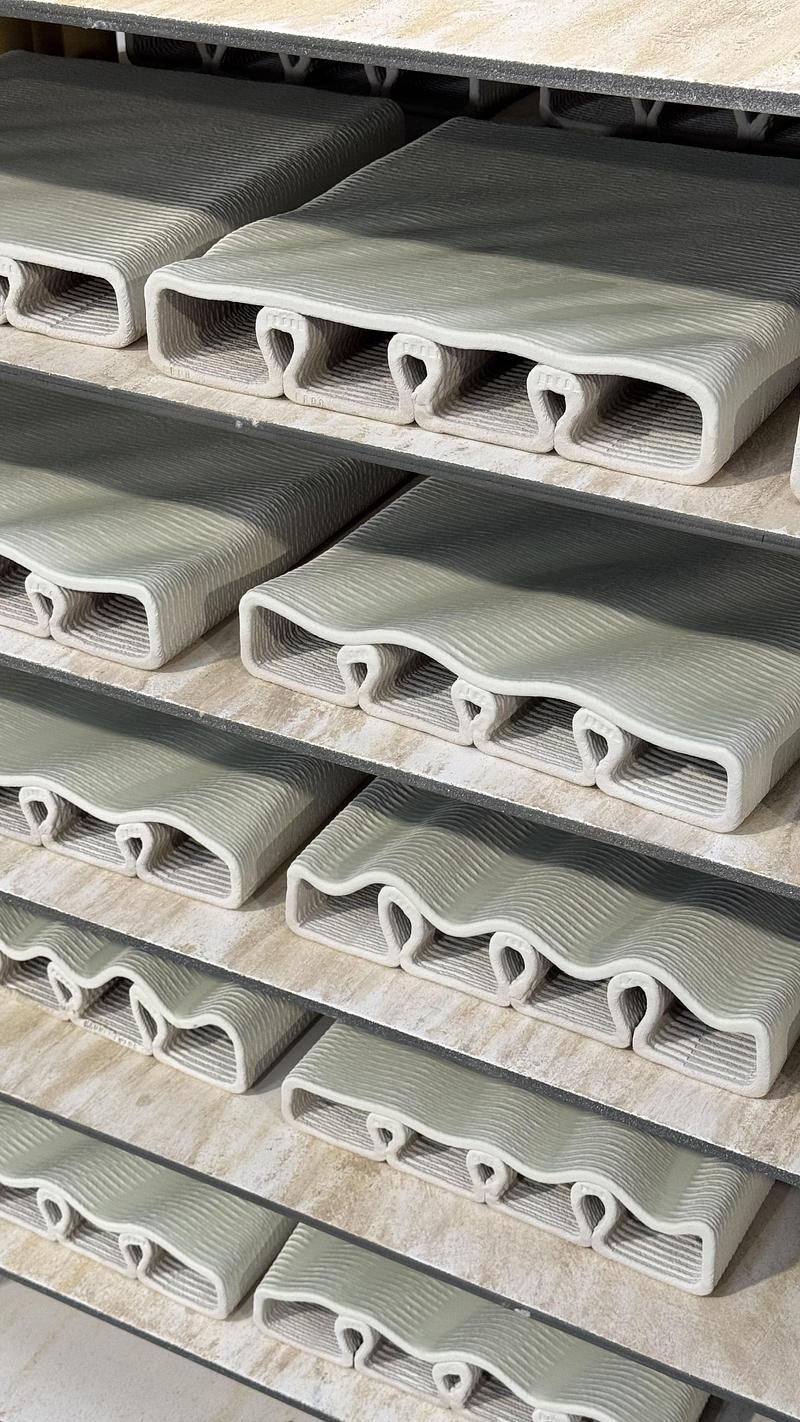
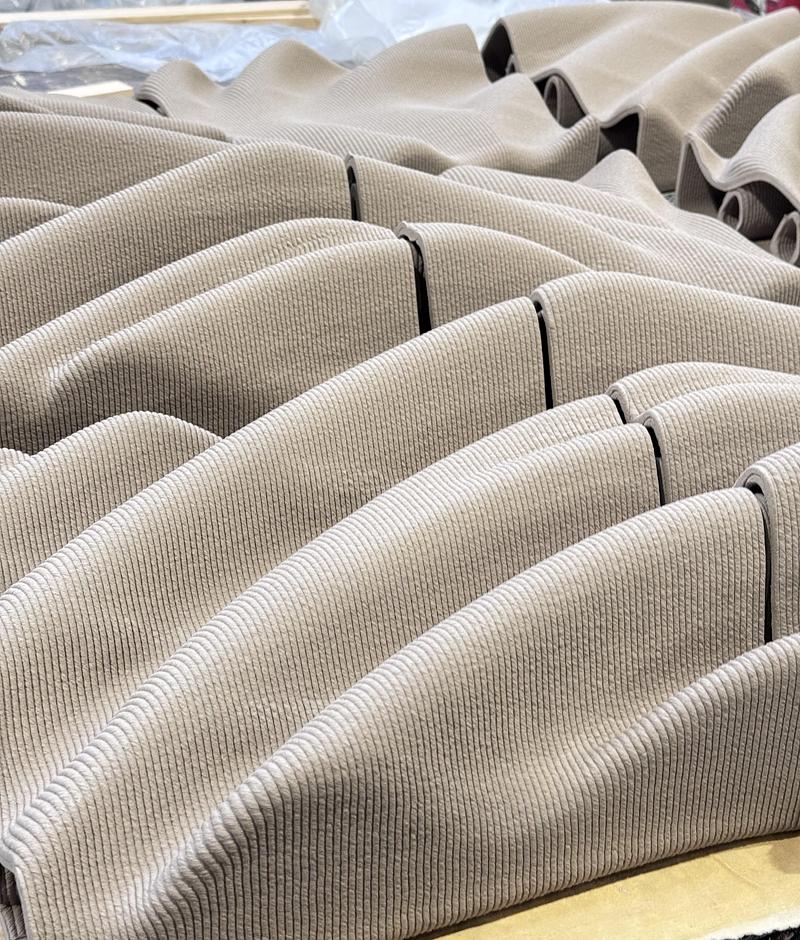
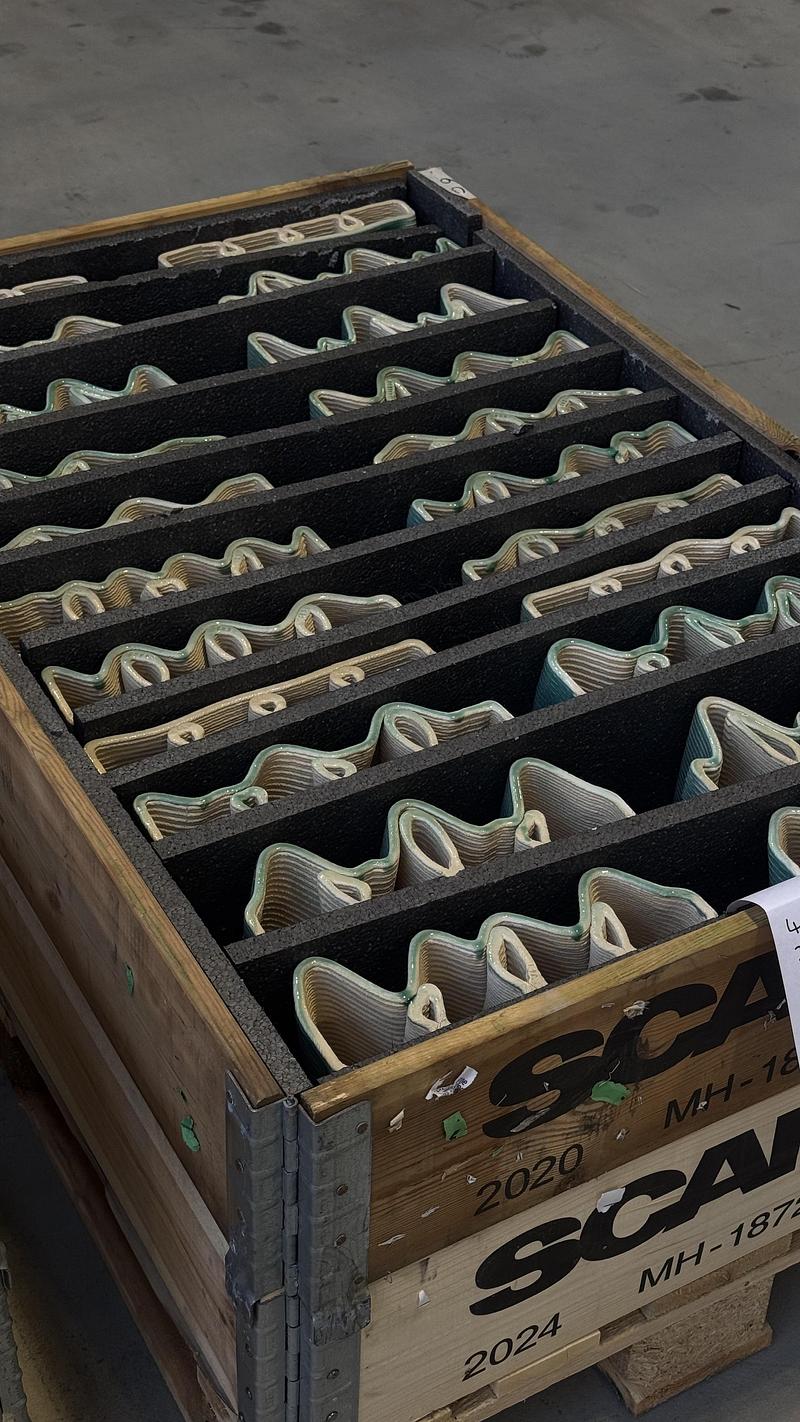
Powerwall is composed of 322 unique 3D-printed ceramic tiles. Each tile is shaped first by Studio RAP's computational design algorithms, which translate the magnetic field geometry into buildable forms. The tiles are then physically produced by the precise movements of a robotic clay printer in the studio's Rotterdam architecture workshop. The print layers are deliberately tuned to create a subtle ribbed texture that amplifies the 3D printing effect. This gives each piece its own rhythm, acting as a permanent record of the robot's path in the clay. A translucent turquoise glaze, applied across the entire surface, settles into the printed grooves and pools in the recessed areas. The studio embraces the reality that ceramics shrink and warp during the firing process. The intense heat of the kiln transforms the raw material, so the final piece is never an exact, sterile replica of the digital model but rather an organic, highly characterful architectural element. The glaze accentuates the relief's depth and highlights the marriage of digital logic and traditional ceramic craft. Translating this concept into a buildable surface required rigorous engineering. Every panel and tolerance was calculated to accommodate the natural behavior of the fired clay. Once the ceramic elements met the studio's strict standards, the artwork was handed off for smooth, highly professional on-site assembly into the brick façade.
Technical sheet
Client: TenneT Netherlands
Architect (Switchstation Beverwijk): Powerhouse Architectural artwork design and 3D ceramic printing: Studio RAP
Construction: JP van Eesteren, Mobilis TBI
Location: Beverwijk, Netherlands
Year: 2026
About Studio RAP
Studio RAP brings digital craftsmanship to architecture, pioneering expressive and context-driven ceramic designs. From its workshop in Rotterdam, the studio develops large-scale ceramic façades, ornaments, and architectural artworks using computational design and in-house robotic 3D clay printing. The studio works alongside architects, developers, and public clients to create ceramic narratives for buildings worldwide. The practice focuses on delivering both design and production from one integrated process, with a strict focus on aesthetics, precision, and meaningful expression. For centuries, ceramic surfaces have given buildings identity and character. That tradition largely receded with the standardization of modern construction. Studio RAP is part of a new generation using digital tools to bring it back in a contemporary language. Because every tile is generated by an algorithm and produced by a robot, ornamentation can again be specific to a place. The digital design process is flexible, adaptable, and manageable. This allows the studio to deliver unique designs in high-quality ceramics. It opens up a new design space for architects, offering bespoke façades that are rich, tactile, and unmistakably grounded in digital craftsmanship. Recent projects include New Delft Blue, which reinterprets the design vocabulary of traditional porcelain across two large 3D-printed ceramic gates, and Ceramic House, a high-end 3D-printed retail façade in Amsterdam. Together with Powerwall, these projects showcase Studio RAP's mission to enrich the built environment with a truly new architectural language.
For more information
Media contact
- Studio RAP
- Lucas ter Hall
- info@studiorap.nl
- +31 (0)10 3076364
Attachments
Terms and conditions
For immediate release
All photos must be published with proper credit. Please reference v2com as the source whenever possible. We always appreciate receiving PDF copies of your articles.
High-resolution image : 9.52 x 13.33 @ 300dpi ~ 9.1 MB
High-resolution image : 8.89 x 13.33 @ 300dpi ~ 8.3 MB

High-resolution image : 8.89 x 13.33 @ 300dpi ~ 11 MB
High-resolution image : 8.89 x 13.33 @ 300dpi ~ 13 MB
High-resolution image : 9.34 x 13.33 @ 300dpi ~ 14 MB
High-resolution image : 10.64 x 13.33 @ 300dpi ~ 16 MB
High-resolution image : 10.45 x 13.33 @ 300dpi ~ 14 MB
High-resolution image : 12.32 x 13.33 @ 300dpi ~ 14 MB
High-resolution image : 11.11 x 13.33 @ 300dpi ~ 17 MB
High-resolution image : 10.39 x 13.33 @ 300dpi ~ 13 MB
High-resolution image : 11.64 x 13.33 @ 300dpi ~ 20 MB
High-resolution image : 10.45 x 13.33 @ 300dpi ~ 15 MB
High-resolution image : 9.52 x 13.33 @ 300dpi ~ 14 MB

High-resolution image : 8.89 x 13.33 @ 300dpi ~ 11 MB
High-resolution image : 7.56 x 13.44 @ 300dpi ~ 9 MB
Very High-resolution image : 14.28 x 19.04 @ 300dpi ~ 4.6 MB
High-resolution image : 7.56 x 12.23 @ 300dpi ~ 2.2 MB
High-resolution image : 7.56 x 13.44 @ 300dpi ~ 9.2 MB
Medium-resolution image : 6.67 x 10.0 @ 300dpi ~ 9.4 MB
High-resolution image : 10.08 x 11.85 @ 300dpi ~ 2.6 MB
High-resolution image : 7.56 x 13.44 @ 300dpi ~ 9 MB
Very High-resolution image : 26.67 x 15.0 @ 300dpi ~ 3.4 MB
High-resolution image : 7.18 x 12.91 @ 300dpi ~ 1.8 MB
Advertising
You may also like...


Amsterdam, Netherlands, 2026-06-09
KiMu Children's Art Museum Opens in Amsterdam
KiMu Kinderkunstmuseum
Toronto, Canada, 2026-05-06
SAMMARCO Awarded Best Restaurant Design and Named Among Canada’s 100 Best Restaurants 2026
II BY IV DESIGN
Berwick-upon-Tweed, United Kingdom, 2026-03-04
NEON Unveils Kinetic Installation Chorus Ventus at Lauritzen Gardens, Omaha
NEON
New York, United States, 2025-12-16
New Community-led Playscape in a New York Public Housing Development
The Urban Conga

Montreal, Canada, 2025-12-08