Dossier de presse no. 7860-01
Journalistes! Découvrez ce projet prêt à publier. Créez gratuitement un compte média v2com pour télécharger les images haute résolution.
Créez un compte média
Dossier de presse | no. 7860-01
Communiqué seulement en anglais
KiMu Children's Art Museum Opens in Amsterdam
KiMu Kinderkunstmuseum
A museum for children to explore, experiment and follow their own creative process.
A distinctive new art museum for children has opened in Amsterdam. KiMu Kinderkunstmuseum (KiMu Children’s Art Museum) gives children the space to follow their own creative process and shows what unfolds when that process is taken seriously, grounded in a clear pedagogical approach. At KiMu, children explore, test, wander, question, fail and begin again. The museum provides the conditions and materials, without steering towards a fixed outcome.
Parallel Processes
KiMu opens with the exhibition Parallel Processes, featuring the work of nearly seventy children alongside that of renowned Dutch artists Brian Elstak, Willem Harbers and Roos van Haaften. Each artist brought their own way of working into the setup of the ateliers. Light artist Roos van Haaften provided input for the light studio, where children explore light, reflection and shadow using simple, everyday materials. Brian Elstak and Willem Harbers shaped the other studios, drawing on Elstak’s practice of storytelling through image, language and collective making, and Harbers’ process of material exploration, combining elements such as stone, metal and constructed forms that evolve over time.
The exhibition shows what happens when children and artists work with similar materials, questions and strategies, without seeing each other’s work before or during the process. The results develop side by side, independently of each other. The exhibition presents not only the works, but especially the processes behind them, including sketches, experiments and intermediate steps of both the children and the three artists. At times, striking similarities appear in both process and outcome. Elements such as Elstak’s robots or Harbers’ cage-like structures reappear in the work and process of children who have not seen the artists’ work.
Process as a starting point
The museum offers ateliers where children can work with materials, test ideas and develop their own projects. These are workspaces, not classrooms.
Tools and materials are accessible. The setup supports independent use. Children decide what they make and how they work.
Pedagogy
KiMu Kinderkunstmuseum builds on years of experience in pedagogy and art education. This approach is rooted in the experience of founder Suzanne Huis, who has worked with children in atelier settings for many years. That experience forms the basis of how the museum operates and how children are guided without directing outcomes.
“Children want to know two things: am I welcome here, and can I be who I am?” says Suzanne Huis, director of KiMu. “At KiMu, the answer to both is yes. We create the conditions for them to take charge of their own creativity and to follow their own path, in the way that suits them.”
Prepared environment
The design and use of the space stem from KiMu’s view of humanity, in which children are regarded as full-fledged human beings with their own competencies, ideas, and desires.
KiMu’s way of working aligns with this: children are never forced to accept themes, assignments, schedules, or other predetermined end results. Instead, KiMu offers them a ‘prepared environment’: richly set tables or floor arrangements with materials and tools that invite independent work. Everything is aimed at helping children achieve and maintain concentration, so that they can follow their own ideas and engage in a profound creative process.
For Parallel Processes, the prepared environment for the participating children was developed based on the strategies and resources of three professional creators: Brian Elstak, Willem Harbers and Roos van Haaften. However, their work was not visible anywhere in the workshops. This gave the children complete freedom to forge their own path. This led to parallel processes of research, thought, and imagination.
Shaping a raw structure into a museum for children
KiMu is located in Amsterdam Noord, a rapidly developing neighbourhood across the River IJ, known for its mix of garden villages, former industrial areas and waterfront redevelopments, home to some of the city’s most exciting cultural initiatives, galleries, restaurants and architecture. In the redeveloped centre of this borough, a new building was constructed with a designated museum function, now home to KiMu.
Together with WE architecten, the space was developed from an empty concrete shell into a museum environment, while deliberately retaining the raw, industrial character of the building.
“We were immediately drawn to the light and the openness of the space,” says Suzanne Huis. “Even when it was still an empty shell, there was something very inspiring about it. We wanted to keep that feeling intact, while shaping it into a museum environment that supports how children explore and create.”
The layout is organized around a large central space, two storeys high, with large windows facing the water. Visitors enter through a two-storey foyer with a shop before moving into this open volume. From there, different routes and perspectives emerge.
Two wooden stairs, a triangular balcony and a suspended net, where children can lounge and relax, shape how the space is used. The balcony, almost like a crow’s nest, breaks up the central volume and introduces a new perspective, while a mirror above the net catches light and brings back the reflection of the water outside.
Slender cherry wood frames and internal windows keep sightlines open between the ateliers and the main spaces, referencing a minimal Japanese aesthetic.
The palette combines soft industrial grey (RAL 7032), as found in the concrete base, with moss yellow accents.
The design was developed through close collaboration. Founder Suzanne Huis defined how the spaces needed to function and designed and developed many of the interior concepts, including the ateliers and furniture. WE architecten translated this into a spatial design and added new interventions such as the stairs, balcony and net.
“It was never about creating a finished image,” says Wouter van Alebeek of WE architecten. “The space needed to invite creative use and leave room for discovery.”
Interior and spatial elements
The process led throughout. Materials were sourced along the way. Furniture was designed, adapted and built during the process, often using reused or found materials. Children were involved in making parts of the interior, making the process itself visible in the building.
The interior combines the existing concrete structure with wood, colour and custom-built parts, together forming a warm and restrained material palette while keeping the original character of the building visible. The stairs are finished with an extended railing that ensures safety for children while creating a continuous line along both staircases and the gallery.
In the combined foyer and shop, a single counter serves both museum and retail functions and is clad in second-hand 1930s tiles that children printed with parts of KiMu’s logo. Above it, suspended from the foyer’s ceiling, a large light installation by artist Rein is composed of mirrored glass elements that shift in colour with the light and form a monumental presence in the space.
The shop sells a variety of supplies, including OWN, KiMu’s own line of open-ended materials that invite children to shape their own play, without instructions or fixed outcomes.
The cloakroom features a locker system by i29 architects, developed under their new label, Elements Amsterdam, executed in steel and felt in contrasting colours, combined with a row of coat hooks at children’s height, referencing those found in schools. In the ateliers, furniture was developed from practical use and Suzanne Huis’ experience of working with children, and built by LikaPika, the company of carpenter Lika Kortmann.
The Atelier of Light was developed in collaboration with TOEVAL GEZOCHT, building on their longstanding experience with exhibitions on children’s creative processes, including earlier presentations at the Stedelijk Museum Amsterdam.
KiMu shows what can emerge when children are given the space to think, make and develop in their own way. By focusing on how ideas take shape over time, on process rather than outcome, the museum offers a unique perspective on how children engage with art and making. The museum was officially opened by Femke Halsema, the mayor of Amsterdam, together with Amsterdam's official children’s mayor Kiyaro.
Technical sheet
Client
KiMu Kinderkunstmuseum / Suzanne Huis, founder
Architect
WE architecten (Wouter van Alebeek, Erik de Vries and Zofia Sosnierz)
Interior design
Suzanne Huis in collaboration with WE architecten
Visual identity, logo and signage
HOAX
Artists
The children of KiMu (approximately 70), Brian Elstak, Roos van Haaften, Willem Harbers
Ateliers (exhibition setup)
Supplied and arranged by KiMu, with input from Brian Elstak, Willem Harbers and Roos van Haaften
Light studio
Developed in collaboration with Stichting TOEVAL GEZOCHT
Light installation
Rein
Carpentry
Lika Kortmann / Likapika
Lockers
‘Elements’, designed by Jeroen Dellensen for i29
Net structure
Design by WE architecten, built by OneTwoTree
Strijk Design and Van Dijk & Co, Amsterdam
KiMu is a new children’s museum in Amsterdam Noord, where children are approached as autonomous makers. Guided by a distinct vision on arts education based on autonomy, process and imagination, KiMu develops exhibitions, studios, educational programmes and its own product line.
KiMu is for children, parents, teachers, artists, educators and everyone who wants to strengthen children in their creativity and individuality.
Pour plus d’informations
Contact média
- KiMu Kinderkunstmuseum
- Pieter Valk, PR
- pieter@pvpr.nl
- +31 (0)6 48353259
Pièces jointes
Termes et conditions
Pour diffusion immédiate
La mention des crédits photo est obligatoire. Merci d’inclure la source v2com lorsque possible et il est toujours apprécié de recevoir les versions PDF de vos articles.
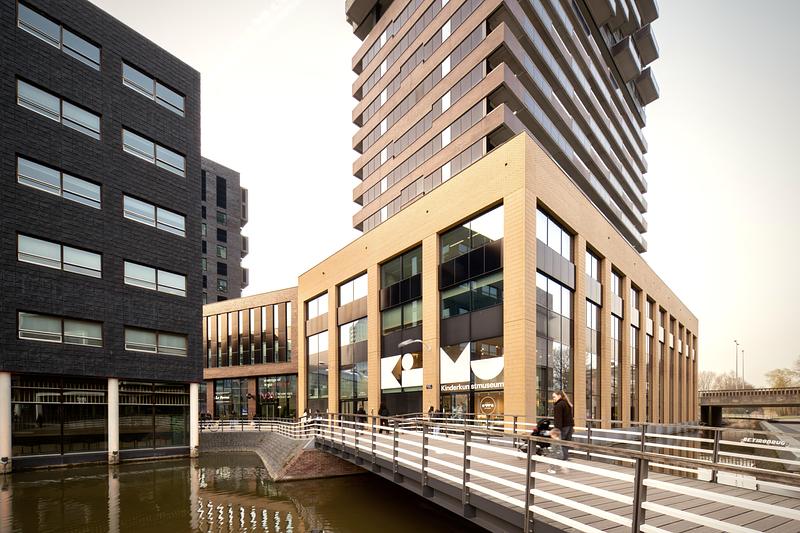
Image très haute résolution : 27.52 x 18.35 @ 300dpi ~ 8,4 Mo
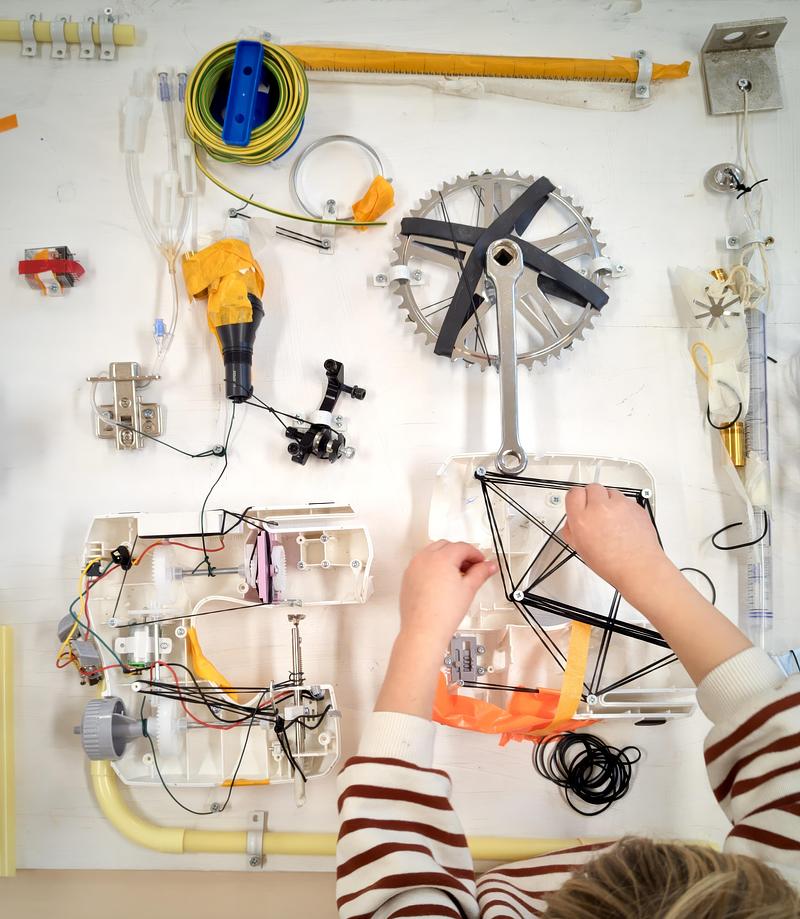
Image haute résolution : 14.1 x 16.2 @ 300dpi ~ 3,2 Mo
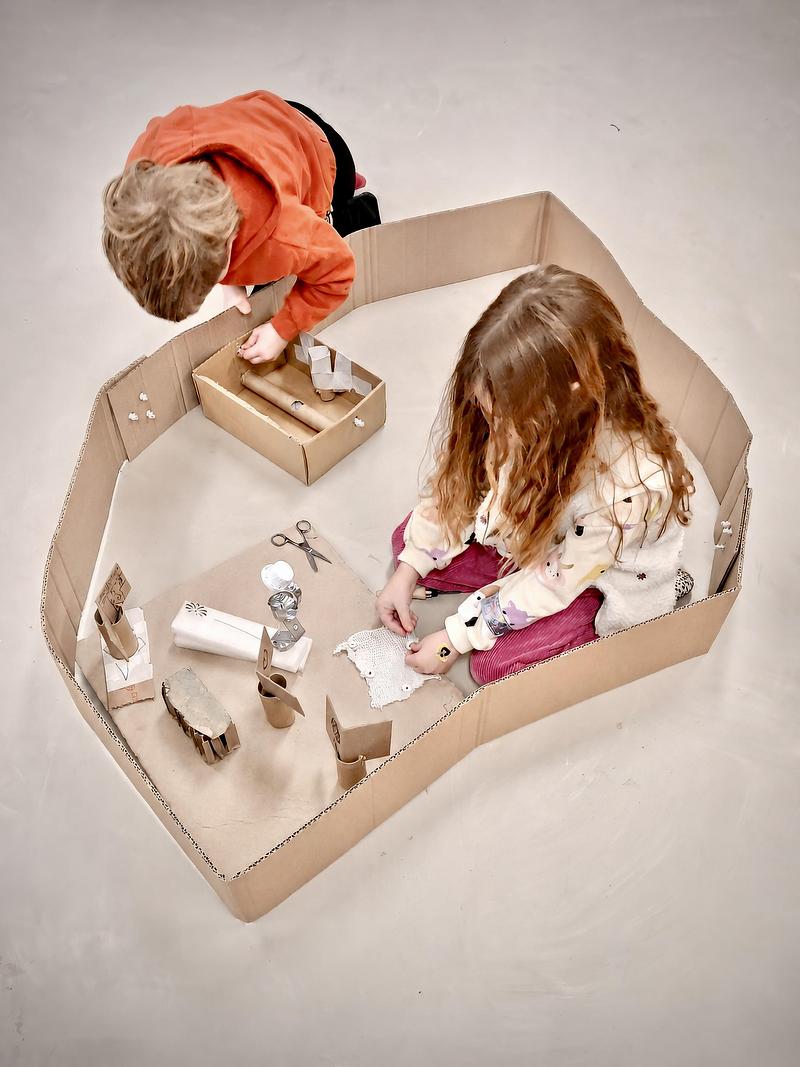
Image haute résolution : 9.99 x 13.32 @ 300dpi ~ 1,5 Mo
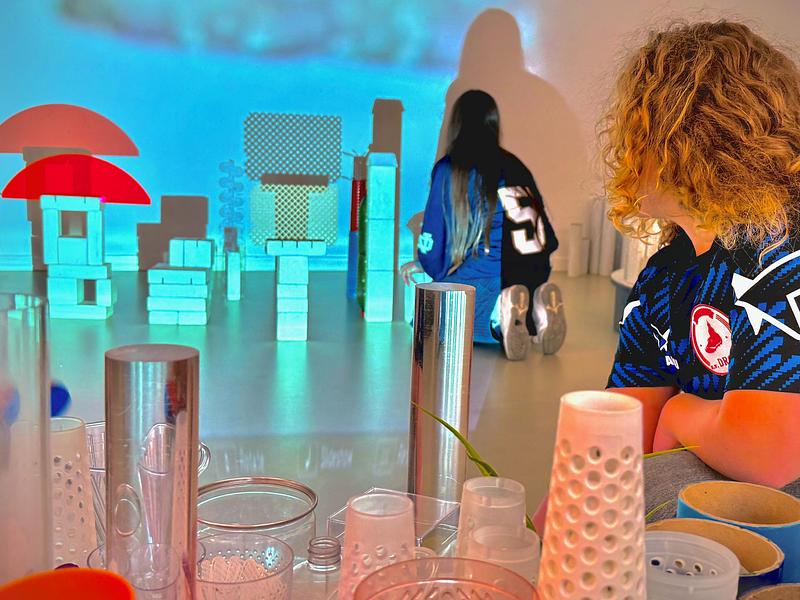
Image moyenne résolution : 10.95 x 8.21 @ 300dpi ~ 23 Mo
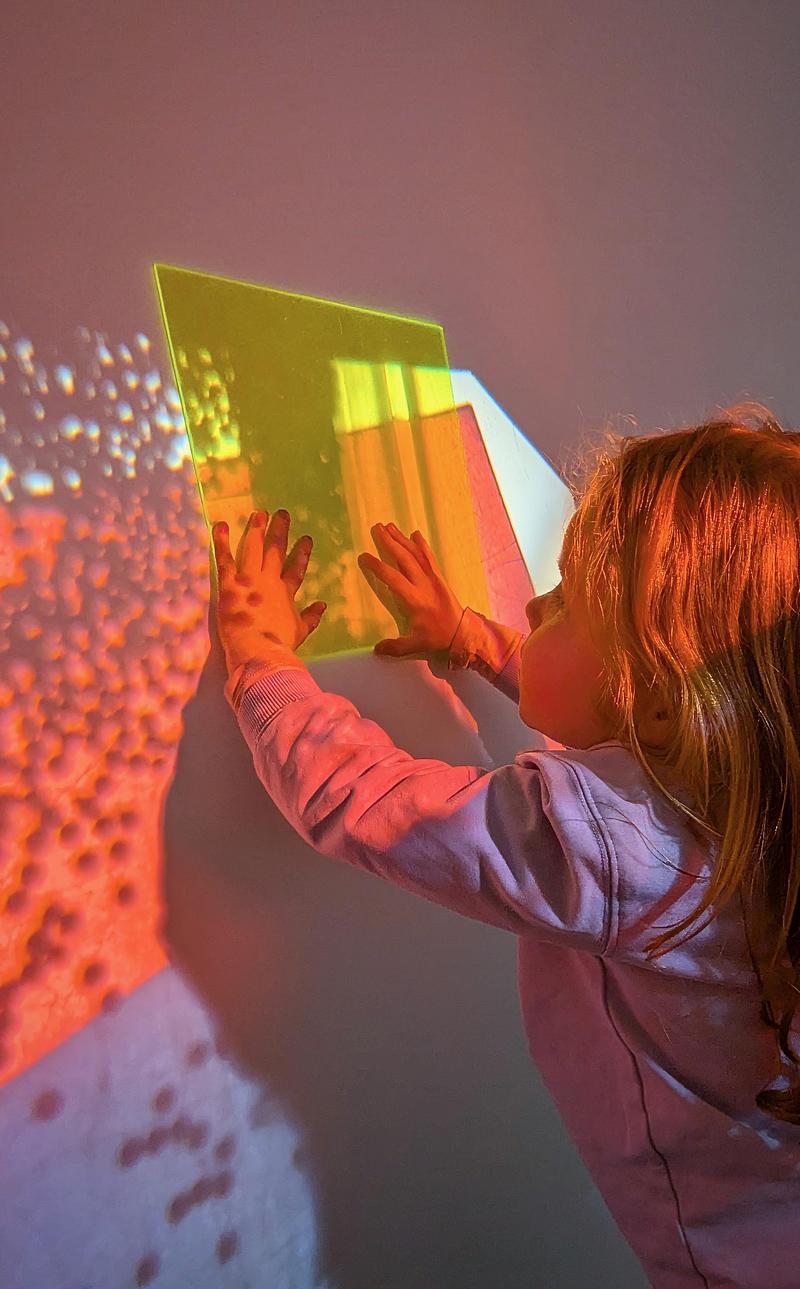
Image moyenne résolution : 6.1 x 9.83 @ 300dpi ~ 15 Mo
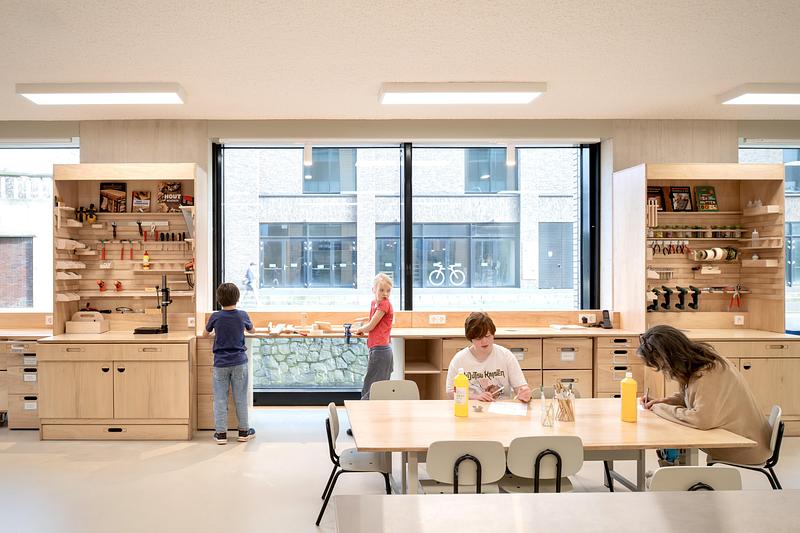
Image très haute résolution : 27.0 x 18.0 @ 300dpi ~ 7,7 Mo
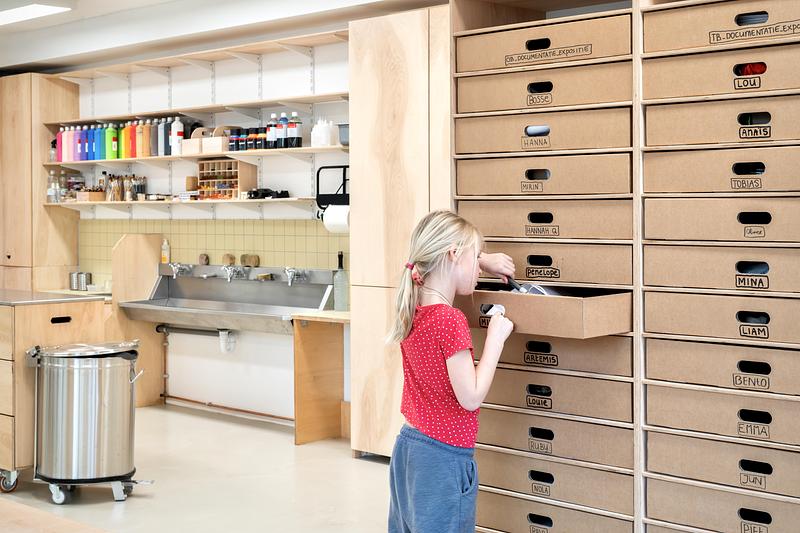
Image très haute résolution : 26.63 x 17.75 @ 300dpi ~ 7,6 Mo
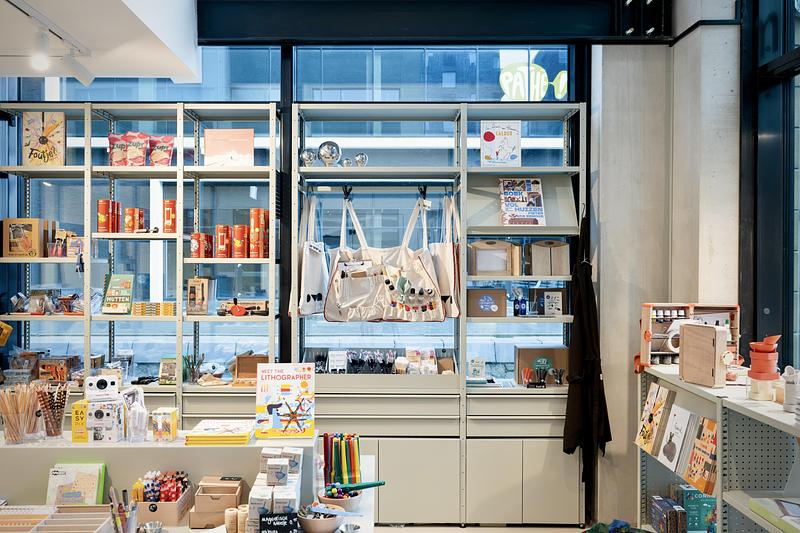
Image très haute résolution : 27.52 x 18.35 @ 300dpi ~ 9,6 Mo
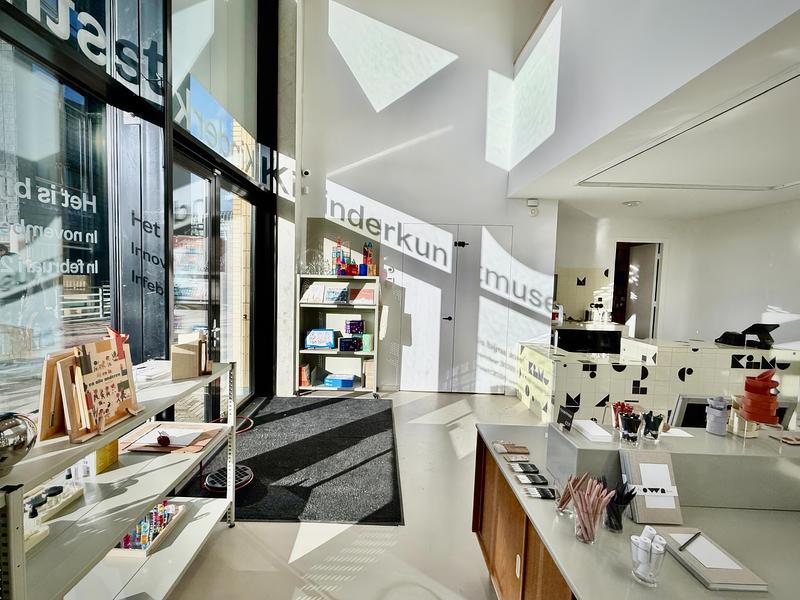
Image haute résolution : 13.31 x 9.99 @ 300dpi ~ 34 Mo
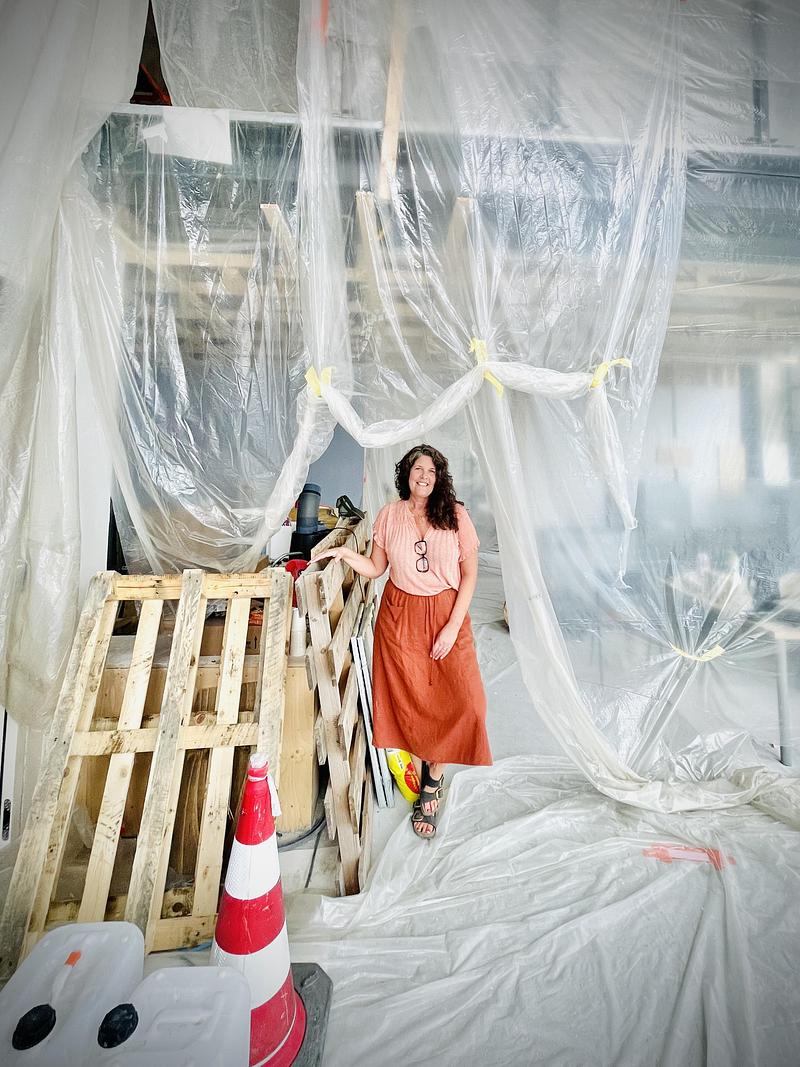
Image haute résolution : 8.45 x 11.27 @ 300dpi ~ 25 Mo
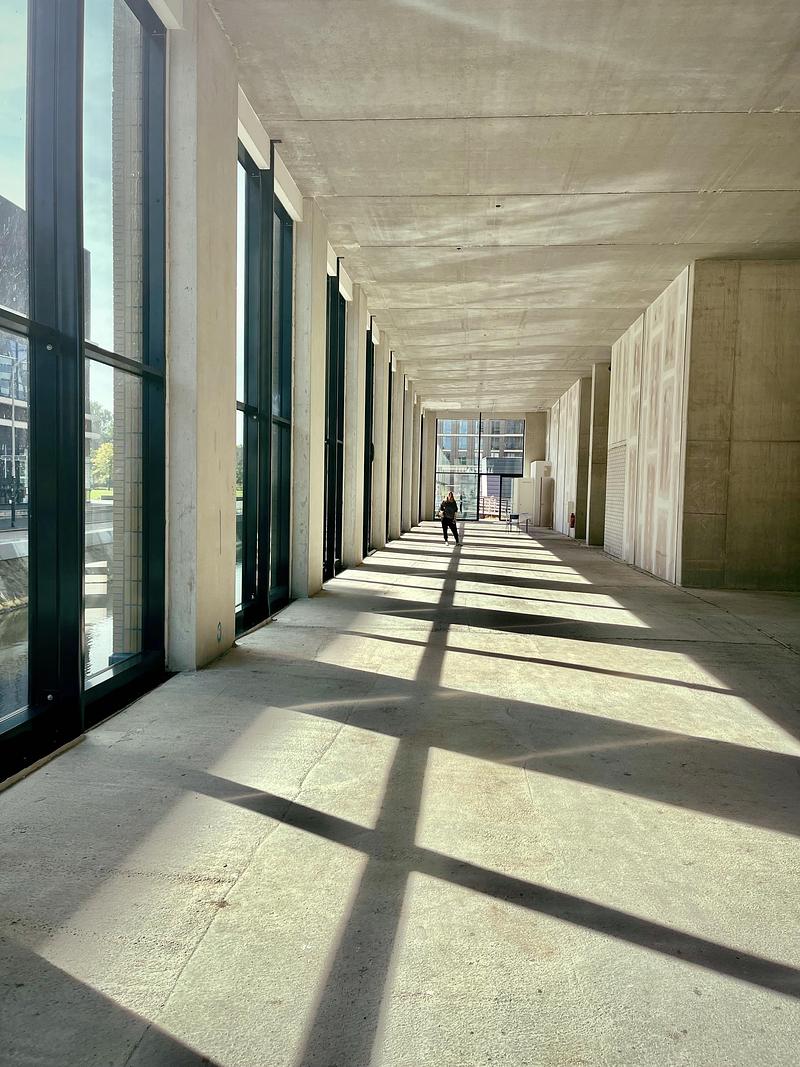
Image haute résolution : 10.08 x 13.44 @ 300dpi ~ 3 Mo
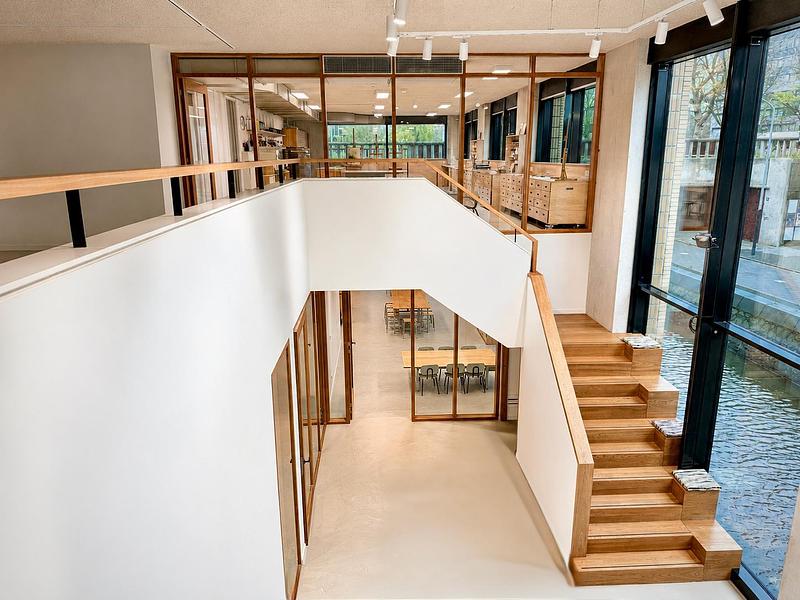
Image basse résolution : 4.83 x 3.62 @ 300dpi ~ 4,5 Mo
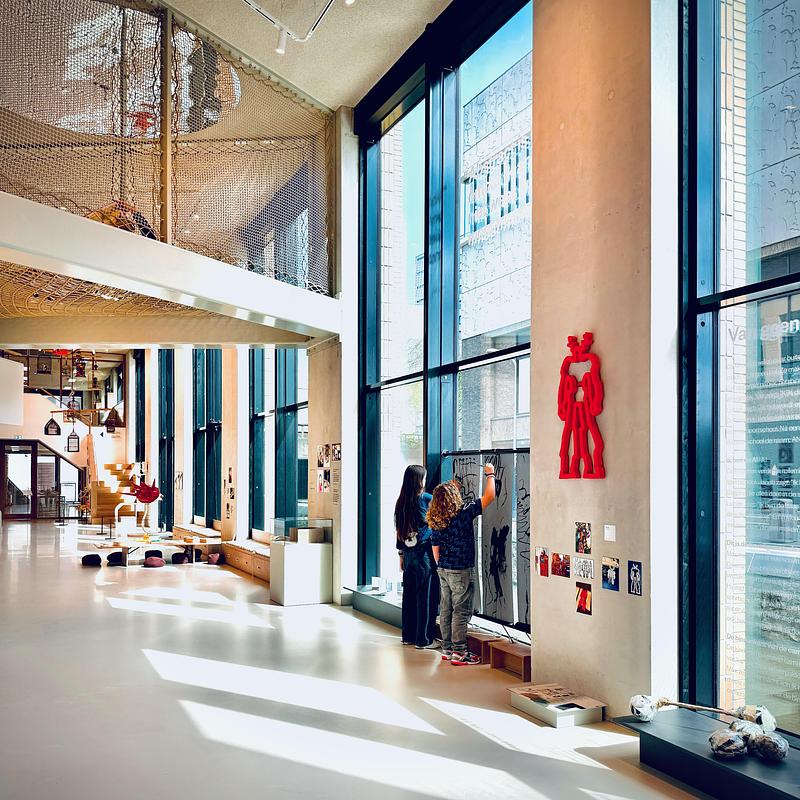
Image haute résolution : 13.61 x 13.61 @ 300dpi ~ 48 Mo
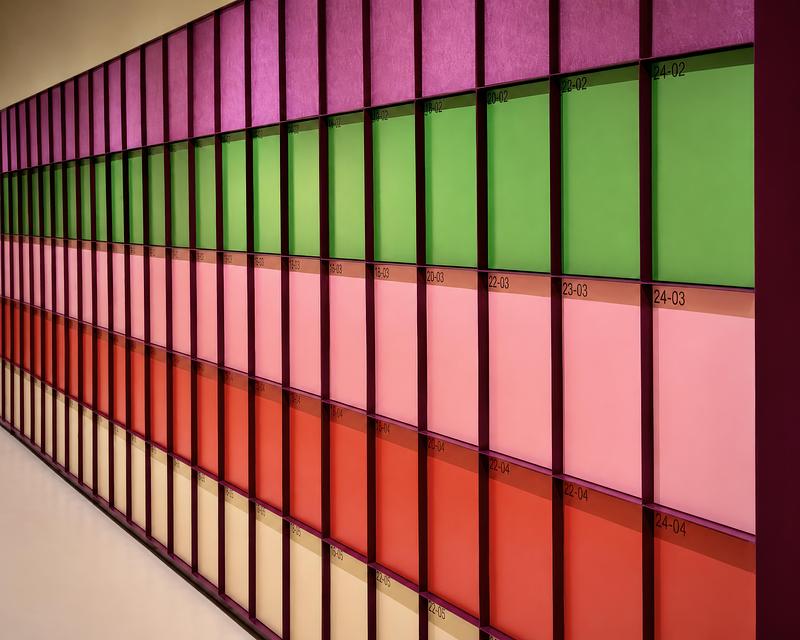
Image haute résolution : 12.9 x 10.32 @ 300dpi ~ 1,5 Mo
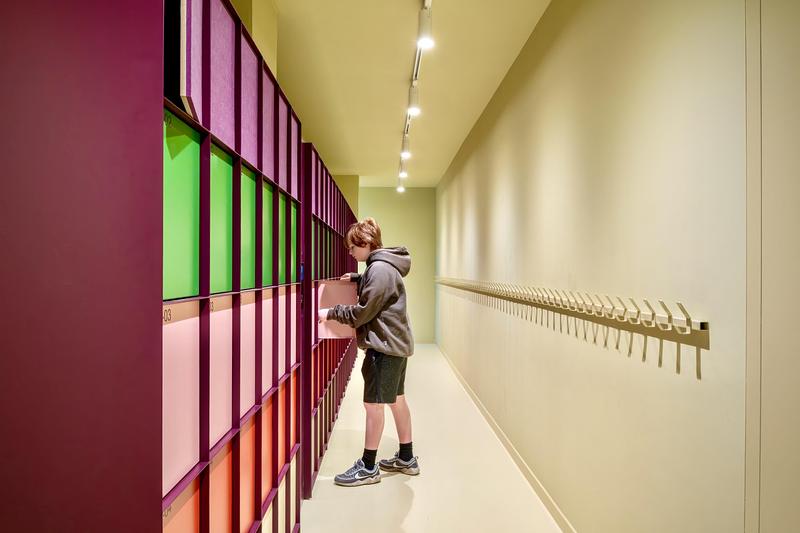
Image haute résolution : 13.65 x 9.1 @ 300dpi ~ 1,1 Mo
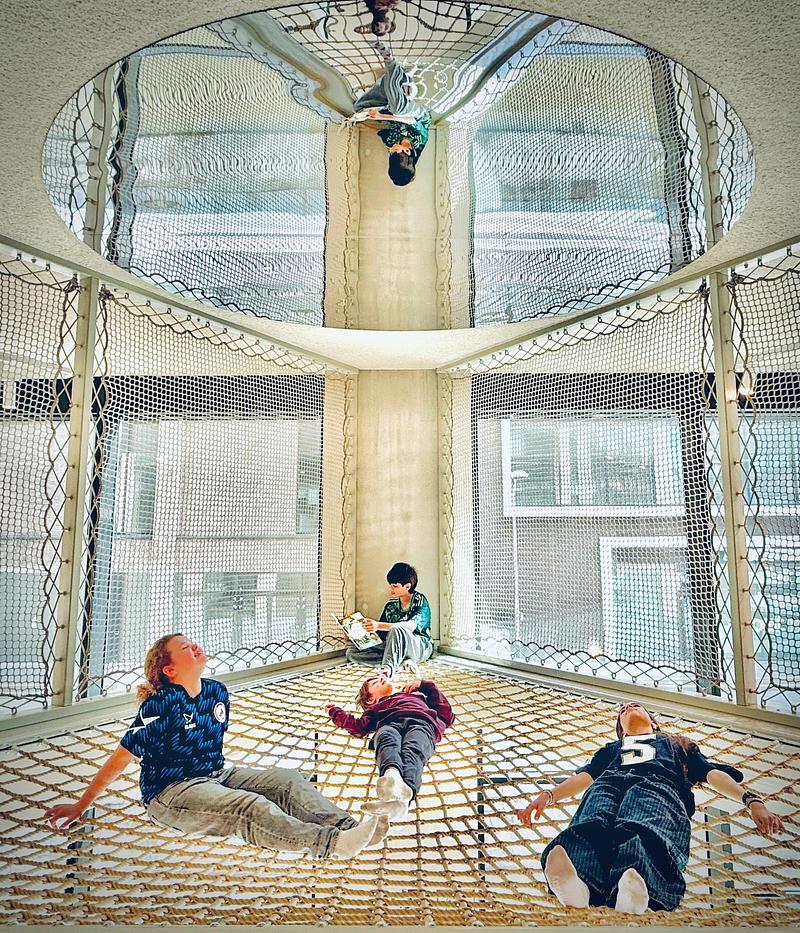
Image moyenne résolution : 7.83 x 9.13 @ 300dpi ~ 18 Mo
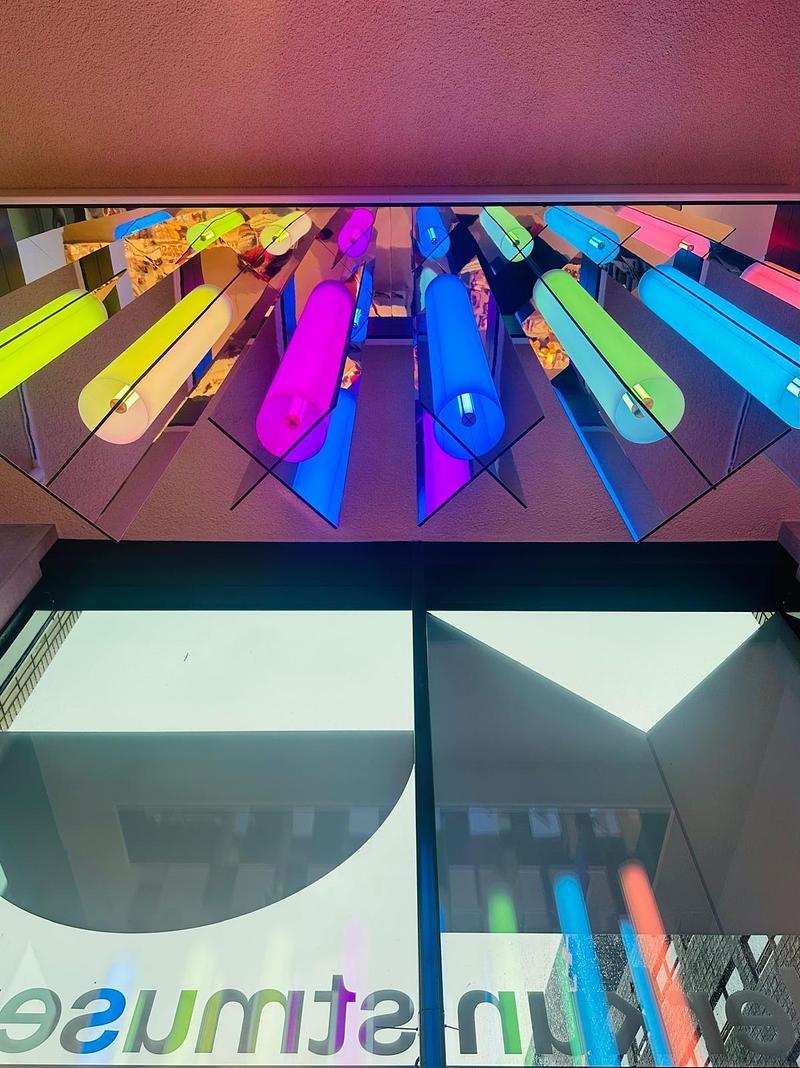
Image moyenne résolution : 3.99 x 5.33 @ 300dpi ~ 770 ko
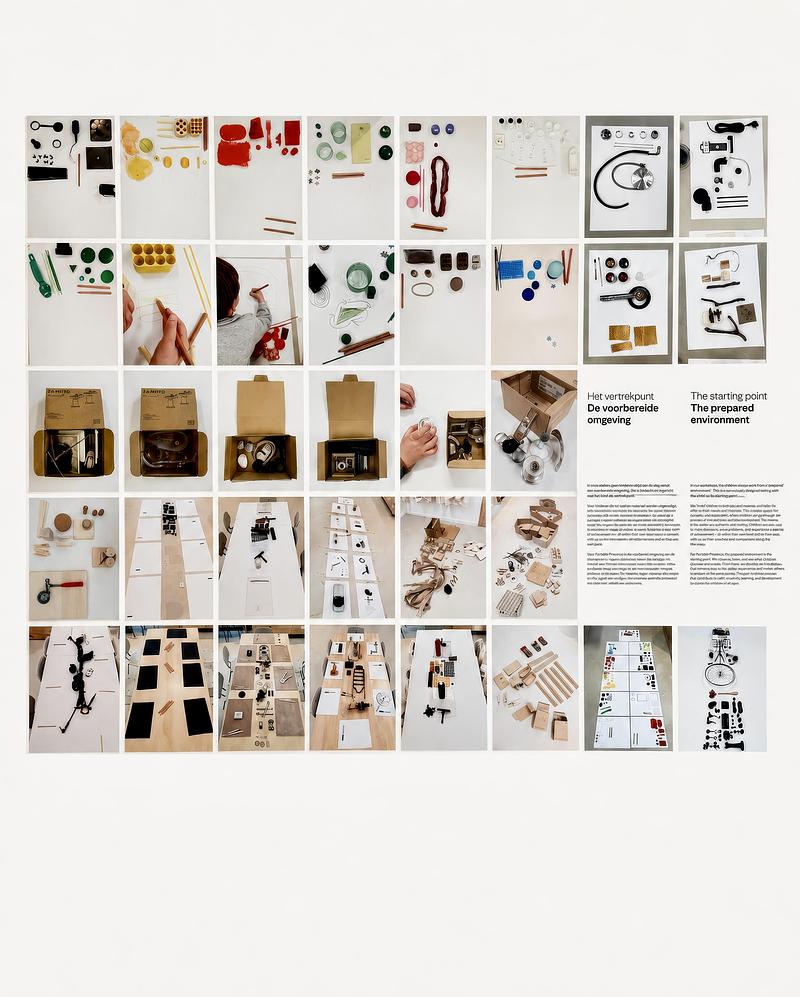
Image haute résolution : 10.33 x 12.88 @ 300dpi ~ 1,4 Mo
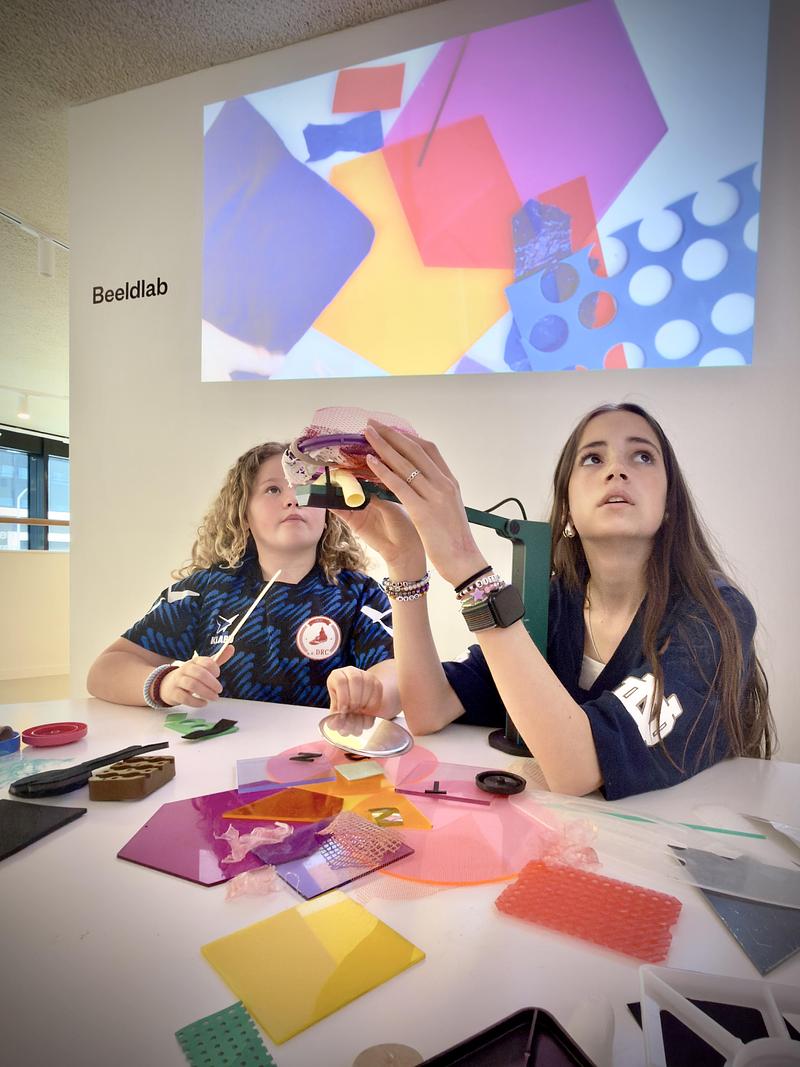
Image très haute résolution : 14.18 x 18.91 @ 300dpi ~ 3 Mo
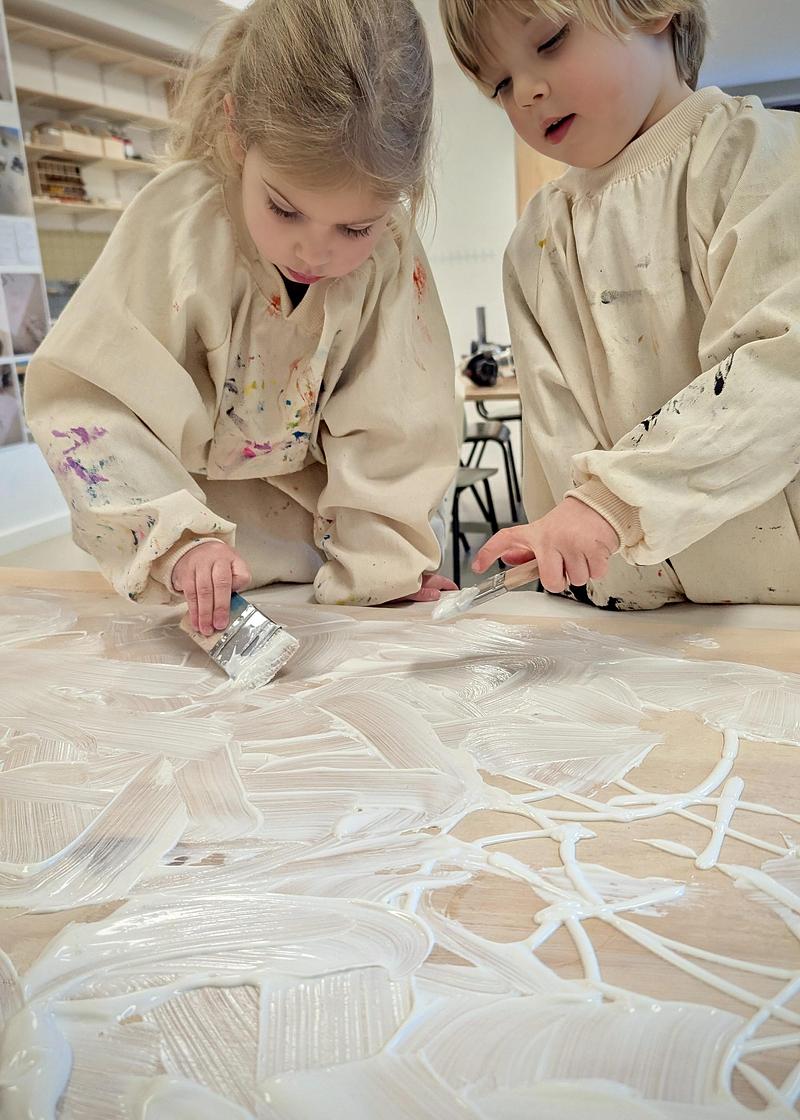
Image moyenne résolution : 7.56 x 10.58 @ 300dpi ~ 1,5 Mo
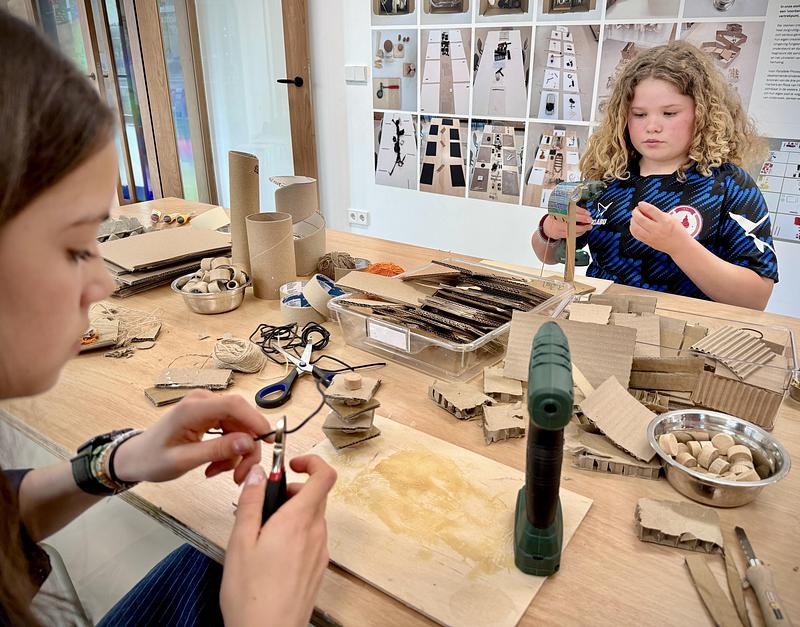
Image très haute résolution : 17.7 x 13.87 @ 300dpi ~ 4,2 Mo
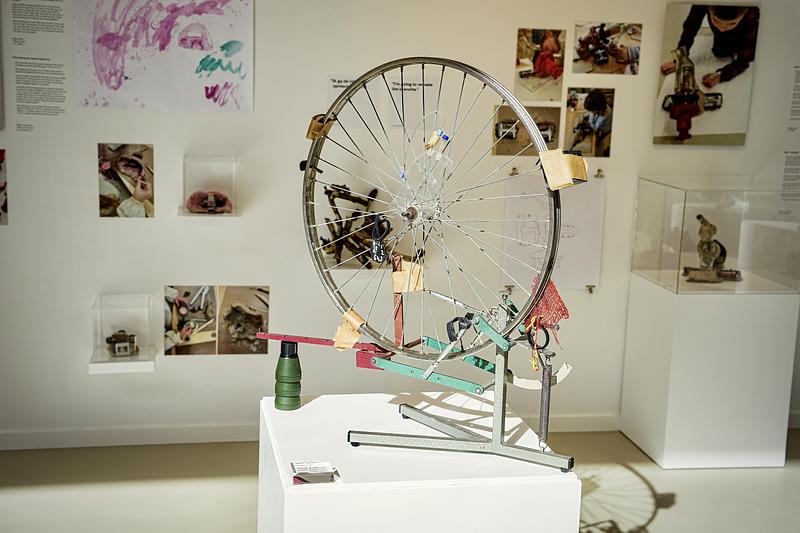
Image haute résolution : 13.33 x 8.89 @ 300dpi ~ 2,1 Mo
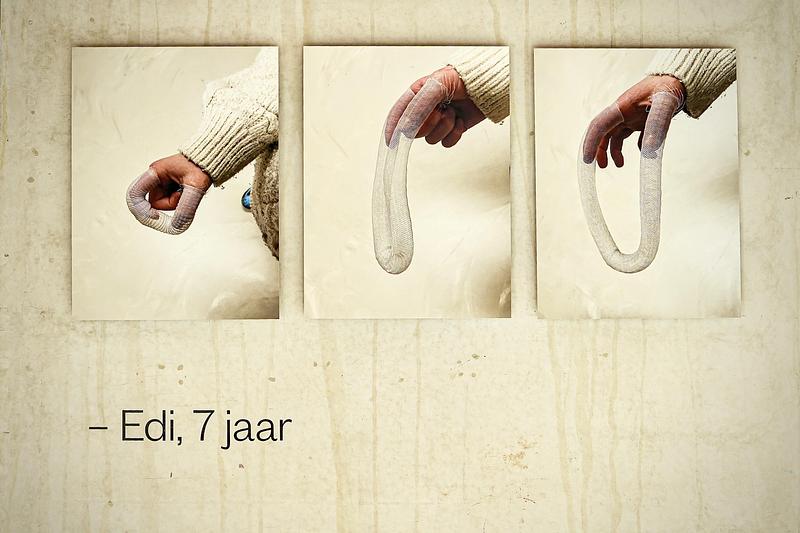
Image moyenne résolution : 10.98 x 7.32 @ 300dpi ~ 1,4 Mo
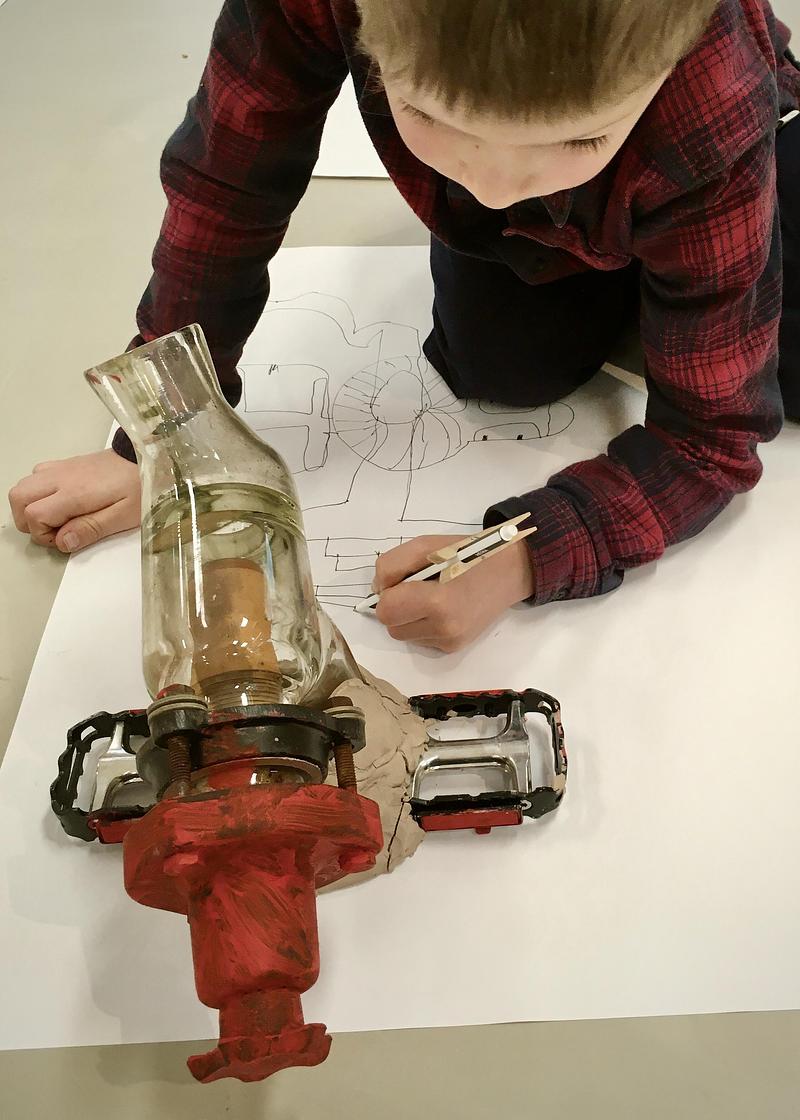
Image moyenne résolution : 7.44 x 10.42 @ 300dpi ~ 1,2 Mo
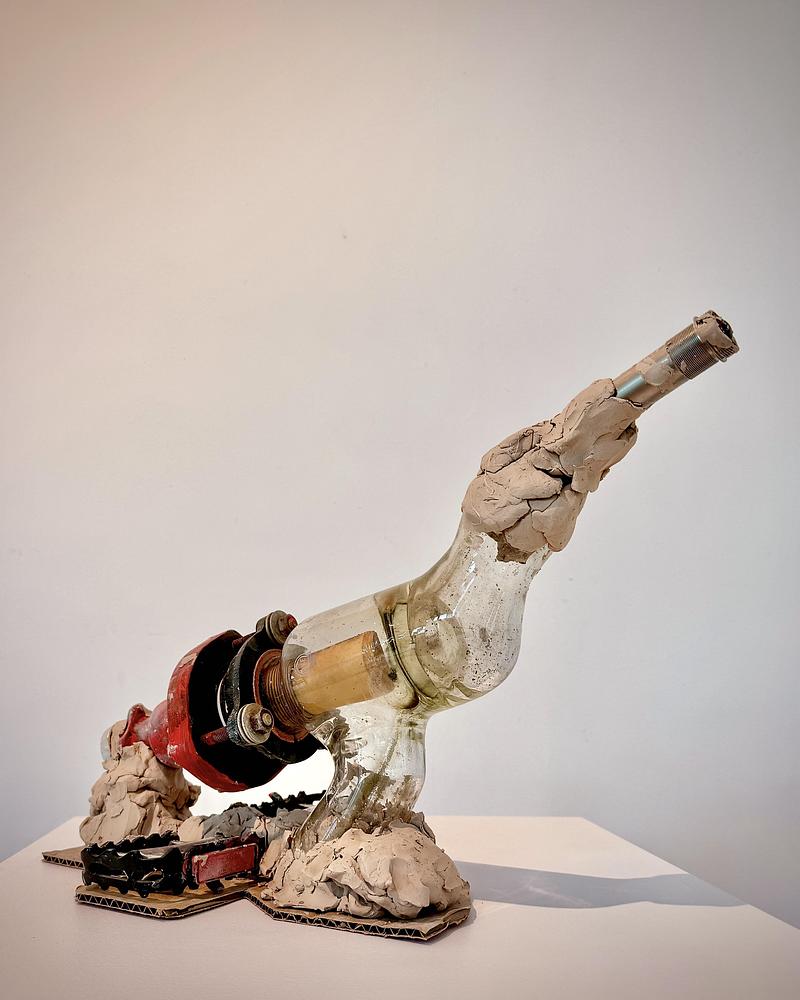
Image haute résolution : 12.16 x 15.2 @ 300dpi ~ 2,2 Mo
Publicité
Vous pourriez également aimer...
Istanbul, Türkiye, 01-10-2026
ARKOBJECT : la culture artisanale d’Istanbul prend une forme contemporaine
ARKOBJECT
Paris, France, 19-05-2026
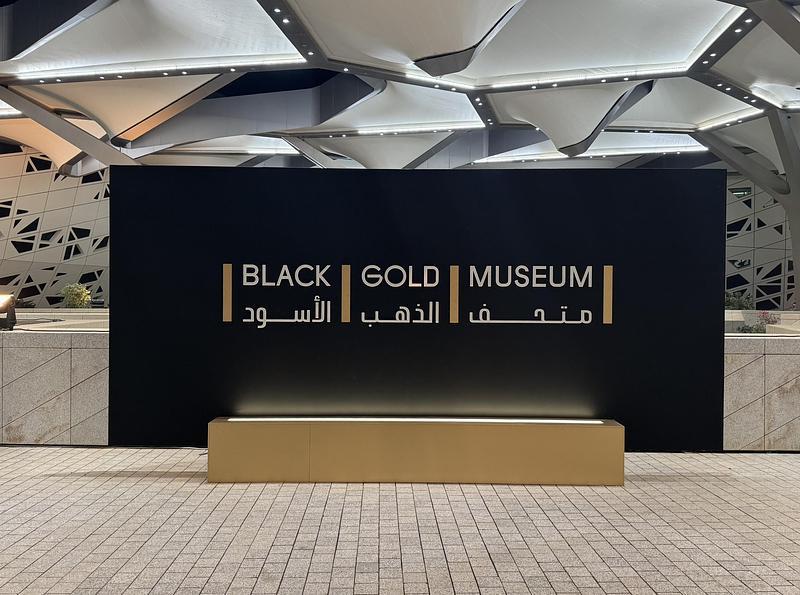
Le Black Gold Museum devient un nouveau musée où le pétrole devient art
La Méduse
Berwick-upon-Tweed, Royaume-Uni, 04-03-2026