Dossier de presse no. 3724-18
Journalistes! Découvrez ce projet prêt à publier. Créez gratuitement un compte média v2com pour télécharger les images haute résolution.
Créez un compte média
Dossier de presse | no. 3724-18
Communiqué seulement en anglais
San Martin Market
EL EQUIPO CREATIVO
Experience a renewed tradition at San Martin Merkatua, a space dedicated to reconnecting with local identity and heritage.
Located in the heart of San Sebastián’s Romantic Area, San Martin Market forms part of the city’s everyday identity. More than a place of provision, it is a space of encounter—a setting where local identity is expressed not only through its products, but through the relationships built around them.
The recent renovation is grounded in a clear idea: to recover the essential character of the market as a vibrant urban space, deeply connected to its community.
For the studio, this project is particularly meaningful. Two of the three partners are from Donostia, and working on a place so embedded in the city’s collective memory has been a unique opportunity to engage with it through proximity, familiarity, and a deep understanding of its everyday use.
A local connection that enhances the product
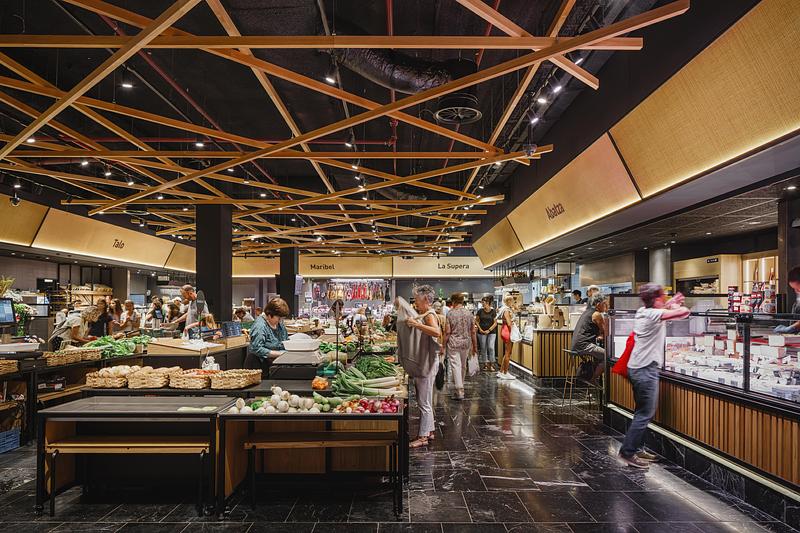
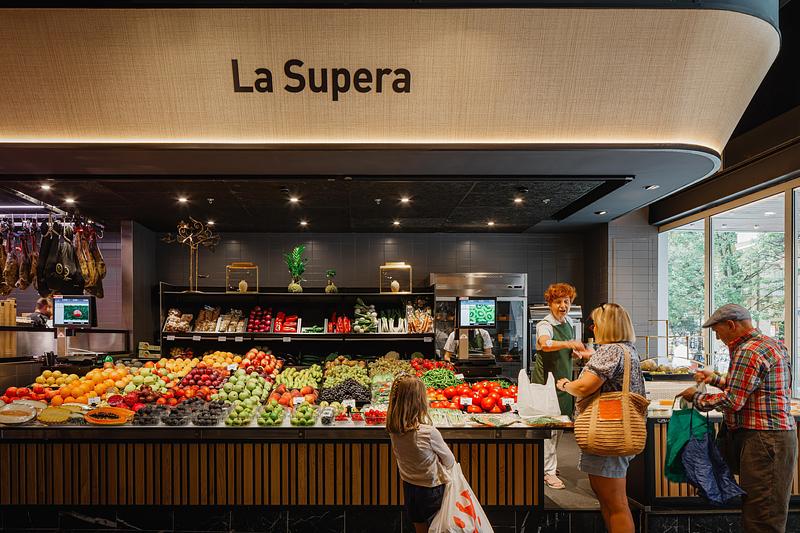
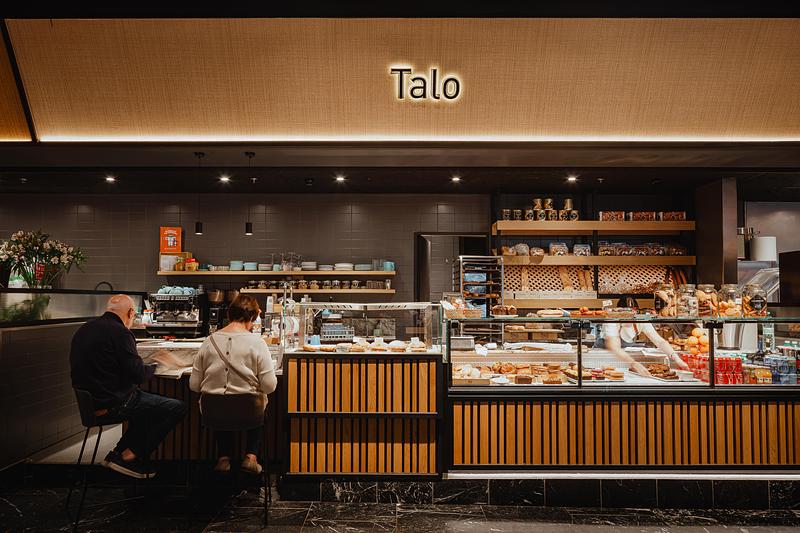
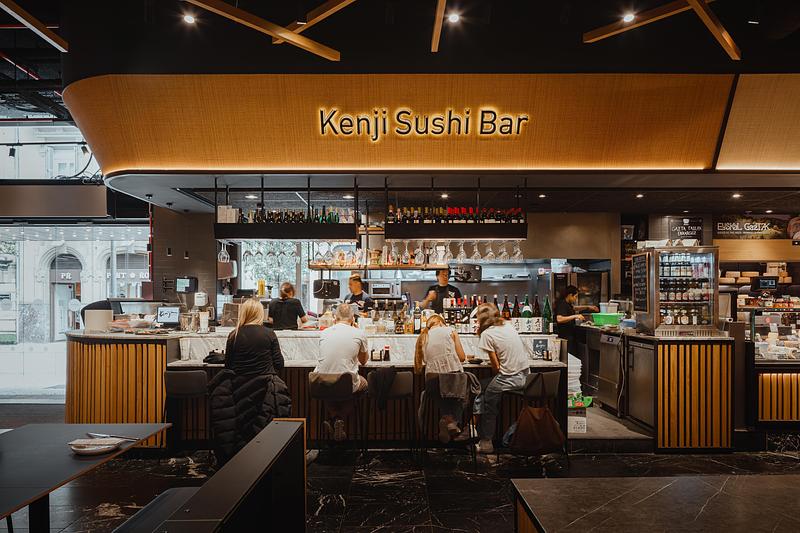
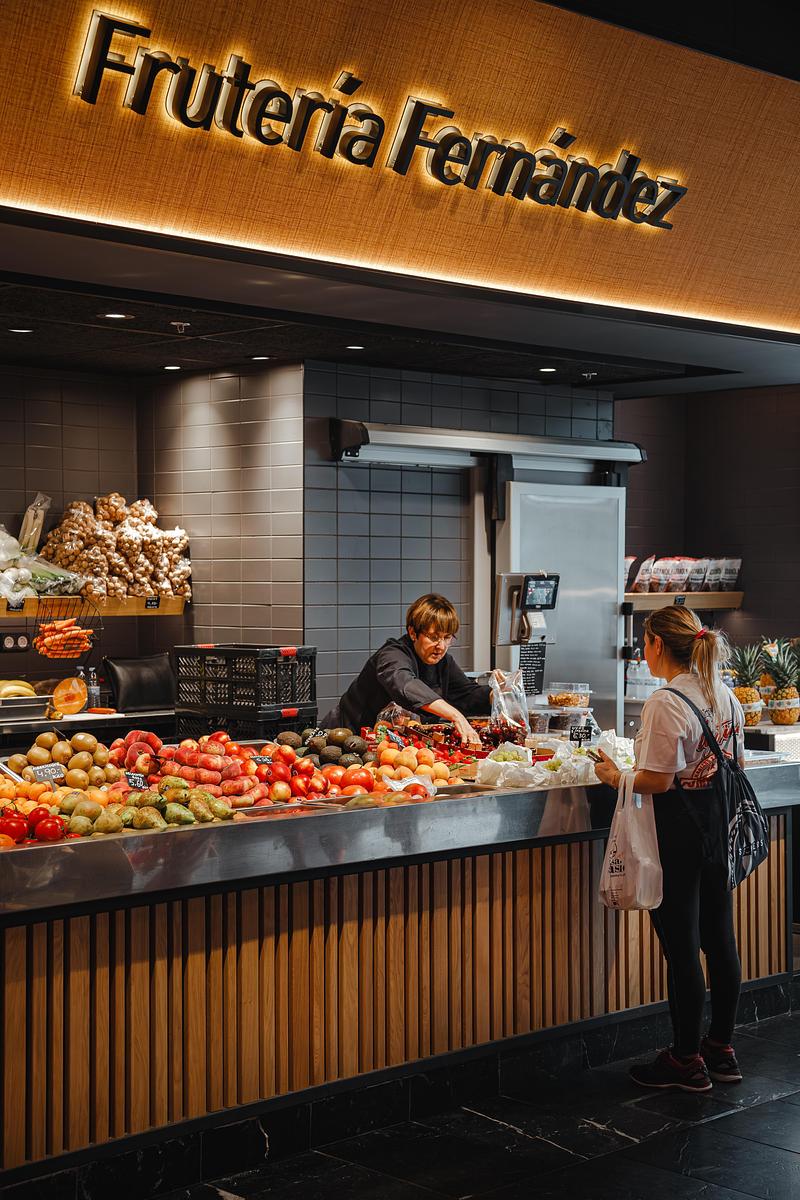
The first objective is to highlight local products, the true protagonists of the market. The architecture is conceived as a quiet backdrop that supports without competing, using honest, locally sourced materials—wood, stone, and iron—that bring texture, warmth, and a timeless identity. A restrained and natural colour palette enhances the presence of fresh products, creating a welcoming, approachable, and clearly recognisable environment.
Beyond its material expression, this strategy seeks to create an inviting, accessible, everyday space where users feel at ease to explore, pause, and engage.
One market, two experiences
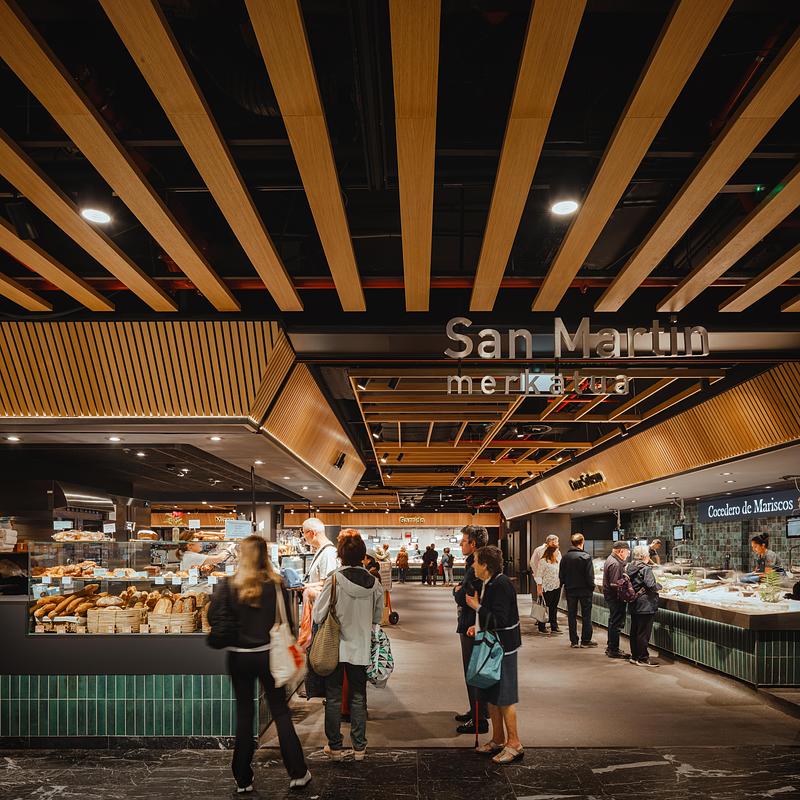
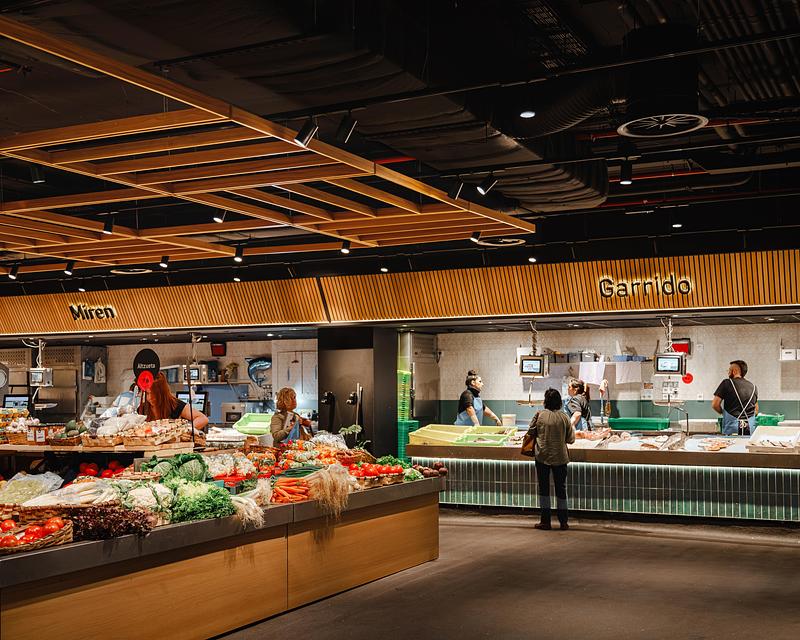
The market is organized across two levels, each offering a distinct program: the ground floor brings together produce from the land and butcher shops, while the basement level is dedicated to fishmongers.
The design expresses this duality through different material and formal languages in showcases, counter fronts, and suspended ceiling elements, evoking the worlds of field and sea. This narrative not only explains the origin of the products, but also creates an emotional connection between users and their provenance, reinforcing the overall market experience.
From field to market
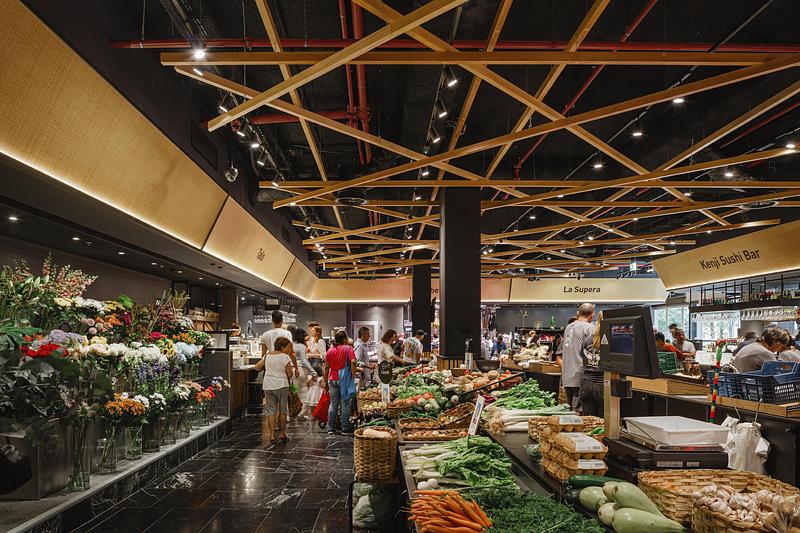
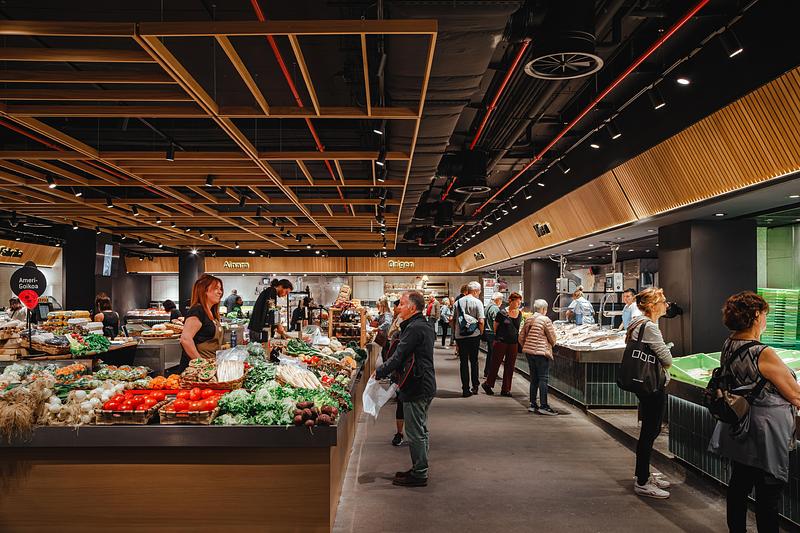
On the ground floor, the design draws on agricultural tradition and the idea of bringing produce from the land closer to the consumer.
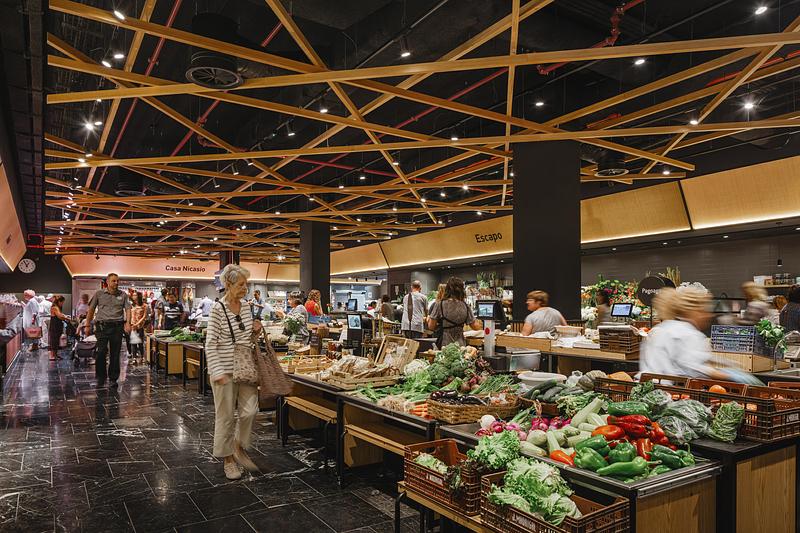
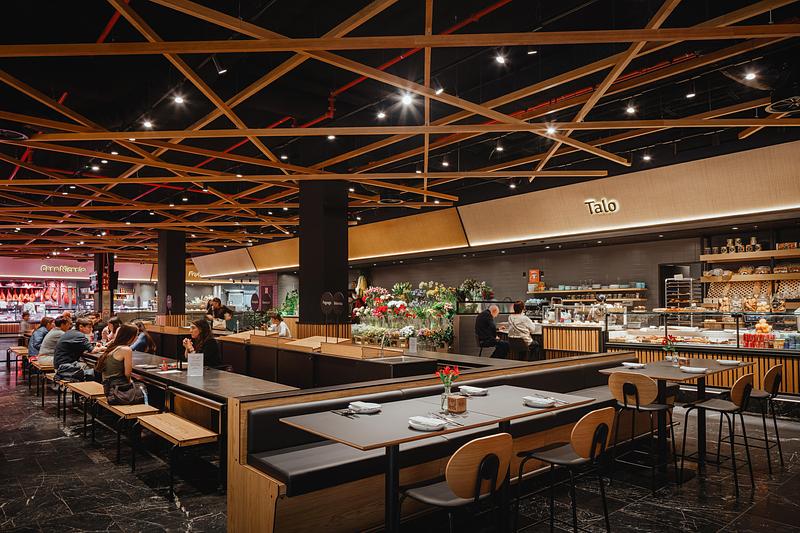
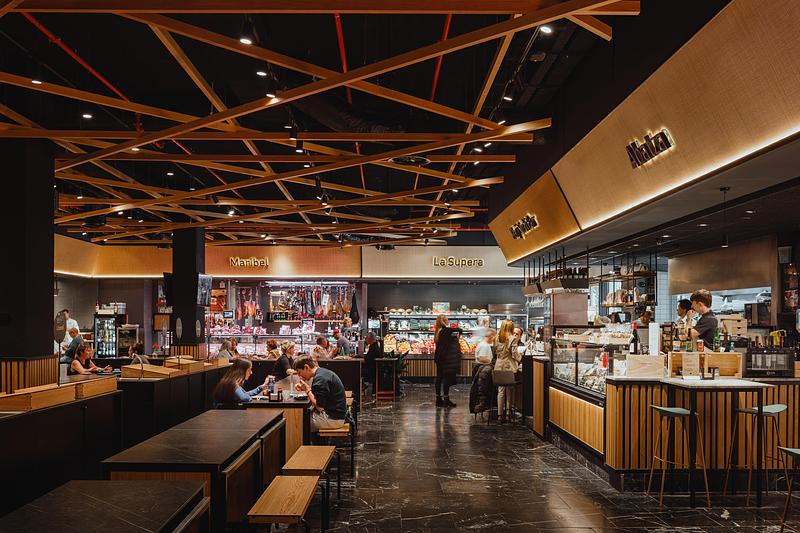
The space is inspired by the rural landscape and incorporates references to woven baskets historically linked to harvesting. A woven wooden ceiling introduces warmth and a more domestic scale, while local stone in floors and countertops reinforces the connection to the territory.
Metal structures provide a contemporary counterpoint, while also recalling the structural memory of the original market. The result is a space where materiality goes beyond aesthetics to create a warm, familiar, and welcoming atmosphere, always placing the focus on the product.
From port to market
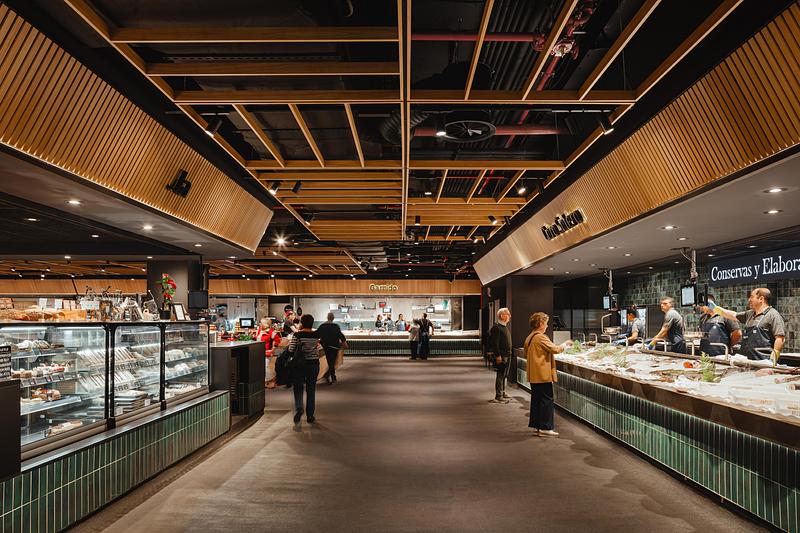
On the basement level, the project is linked to the sea and port activity, establishing a distinct yet coherent identity.
The ceiling design references the crates traditionally used for fish transport, while the finishes evoke the structure of wooden boats and fishing nets. A palette of turquoise and green tones recalls the Cantabrian Sea, creating a fresh, luminous, and evocative environment.
At the same time, the space responds to the hygiene and functional requirements specific to fishmongers, integrating these constraints within a coherent architectural language.
From market to table
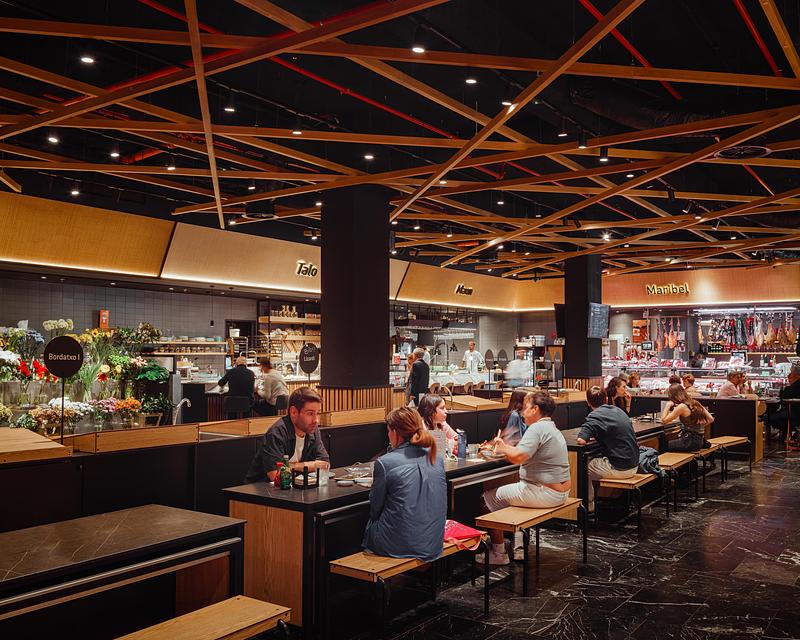
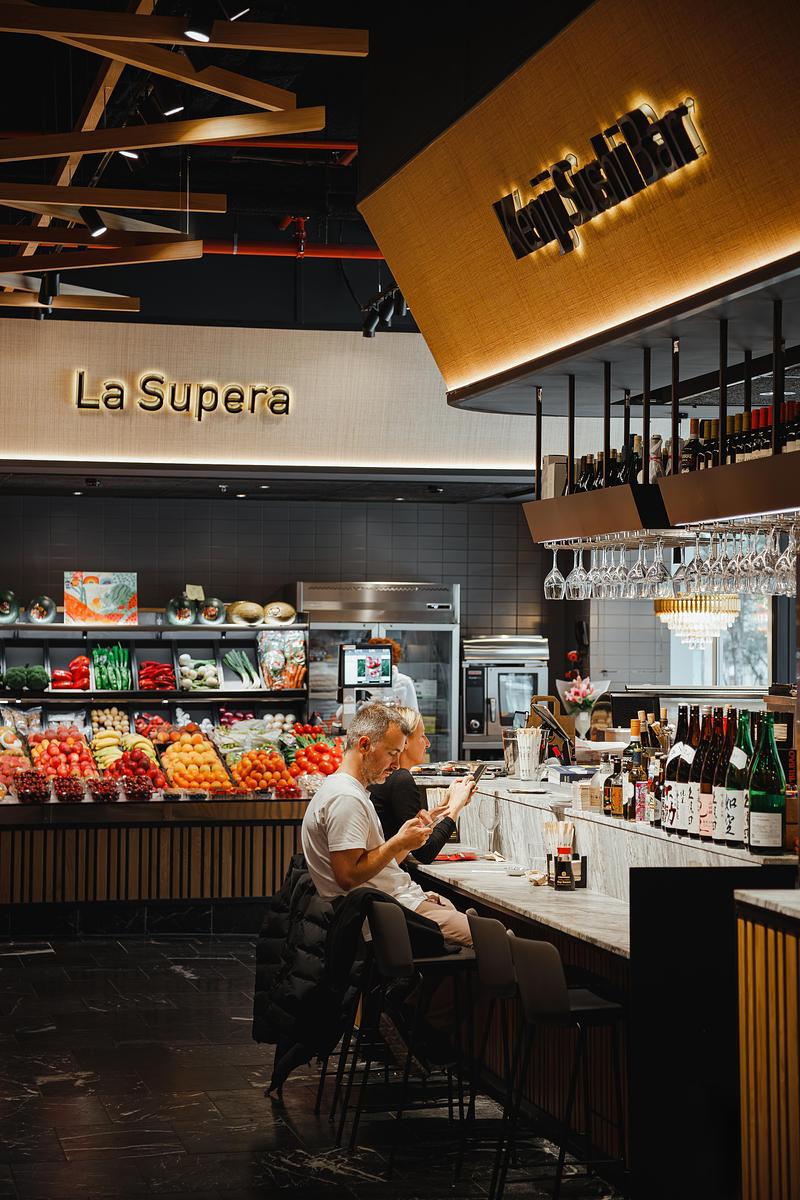
The design incorporates the possibility of tasting market products, either at the stalls or in a central ground-floor area. This strategy responds to the project’s second key objective: reinforcing the market as a social space within the neighbourhood, where value lies not only in buying, but in everything that happens around it.
A versatile space
The central ground floor plays a key role in this transformation. In the morning, it is occupied by the caseras—a traditional term referring to the people who bring fresh produce from local farmhouses (caseríos) into the city—keeping a deeply rooted tradition alive. In the afternoon, the same tables become shared seating where visitors can enjoy market products. This flexibility extends the space’s use, broadens its social hours, and attracts new audiences, integrating different ways of inhabiting the market in one place.
For many local residents, the daily visit to the market is a ritual of encounter, conversation, and belonging—an aspect the project reinforces by encouraging people to stay, share, and build community.
Relationship with the city
Another key aspect of the project is its relationship with the exterior.
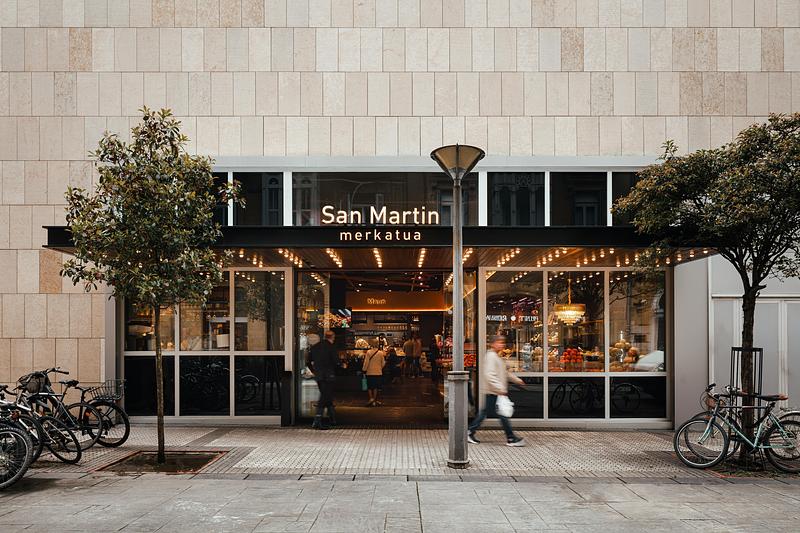
The introduction of new openings in the façade allows natural light to enter and establishes a more direct visual connection between the interior and the surrounding urban environment, reinforcing the building’s sense of openness, accessibility, and transparency.
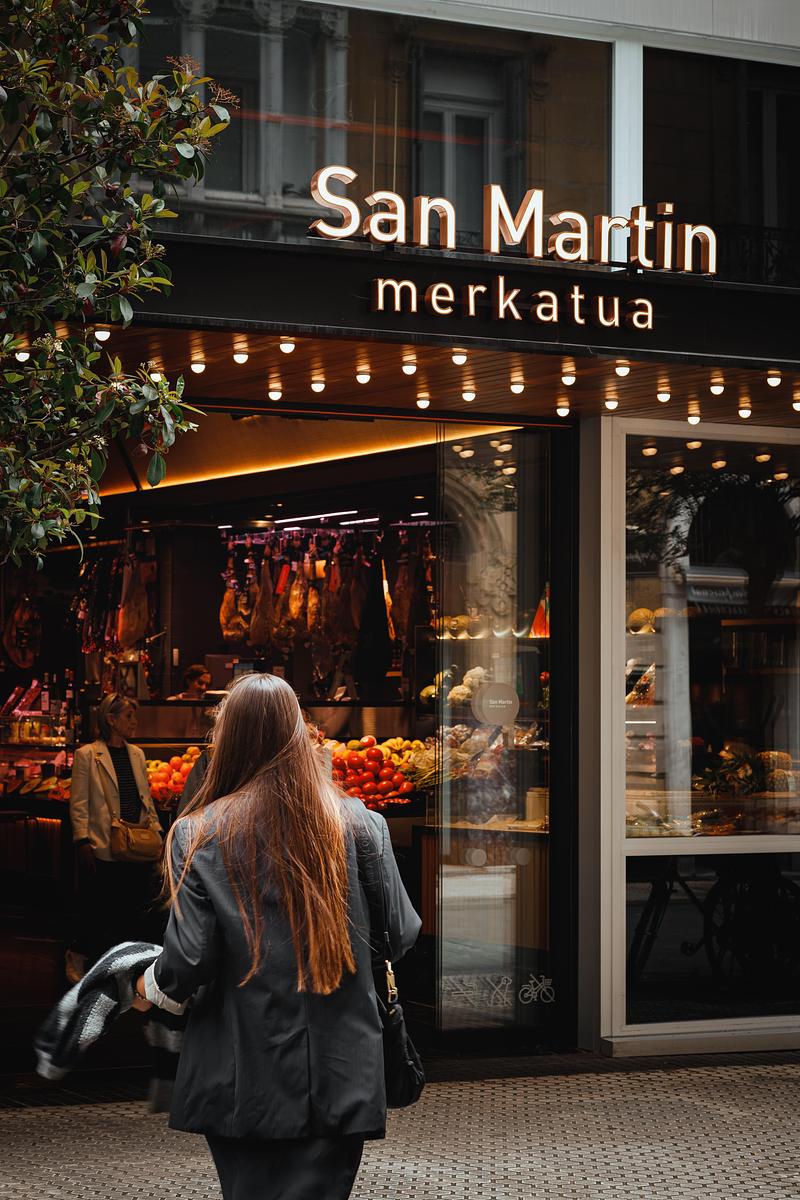
The project also strengthens the market’s urban presence through a new canopy and a more visible entrance, consolidating it as a reference point within the neighbourhood.
The addition of perimeter spaces with terraces allows the market’s activity to extend into the public realm, blurring the boundary between inside and outside and transforming it into an active place throughout the day.
The result is a market that recovers its essence, while projecting it into the future: a warm, welcoming, and deeply urban space where local produce, architecture, and everyday life come together to create new forms of encounter.
Technical sheet
Design: EL EQUIPO CREATIVO
Partners: Oliver Franz Schmidt, Natali Canas del Pozo, Lucas Echeveste Lacy
Project lead: Lucas Echeveste Lacy
Client: San Martin Merkatua
Contractor: Incoga Smart Building
Lighting: lichtplanners
Photography: Aitor Estévez
About El Equipo Creativo
Founded in Barcelona by architects Oliver Franz Schmidt, Natali Canas del Pozo, and Lucas Echeveste Lacy, El Equipo Creativo has established itself as an international benchmark in interior design for hospitality, gastronomy, and brands.
Their projects stand out for a strong conceptual approach that combines compelling narratives, bold design, and a deep connection to the local context.
Each design reinterprets the cultural and material essence of its surroundings, integrating traditional craftsmanship techniques and custom-made elements that bring authenticity and a unique character.
Their portfolio includes collaborations with boutique hotels, major international chains, and world-renowned restaurants such as Tickets and Pakta (Albert Adrià), as well as Disfrutar (#1 in The World’s 50 Best Restaurants). Through a vibrant use of colour and carefully selected materials, their work aims to inspire users, while reflecting the unique identity of each place.
With more than 60 international awards and projects across four continents, El Equipo Creativo is a global reference in design. FRAME magazine has recognised them among the 20 most influential designers in the world, reinforcing their vision as creators of unique spaces with visual, narrative, and cultural impact.
Pour plus d’informations
Contact média
- EL EQUIPO CREATIVO
- Ricard Fabregat
- comunicacion@elequipocreativo.com
- 0034 932216875
Pièces jointes
Termes et conditions
Pour diffusion immédiate
La mention des crédits photo est obligatoire. Merci d’inclure la source v2com lorsque possible et il est toujours apprécié de recevoir les versions PDF de vos articles.
Aitor Estévez
Image très haute résolution : 13.23 x 19.84 @ 300dpi ~ 12 Mo
Aitor Estévez
Image très haute résolution : 20.0 x 13.33 @ 300dpi ~ 20 Mo
Aitor Estévez
Image très haute résolution : 20.0 x 13.33 @ 300dpi ~ 22 Mo
Aitor Estévez
Image très haute résolution : 20.0 x 13.33 @ 300dpi ~ 22 Mo
Aitor Estévez
Image très haute résolution : 20.0 x 13.33 @ 300dpi ~ 21 Mo
Ground floor
Aitor Estévez
Image très haute résolution : 20.0 x 16.0 @ 300dpi ~ 16 Mo
Aitor Estévez
Image très haute résolution : 20.0 x 13.34 @ 300dpi ~ 16 Mo
Aitor Estévez
Image très haute résolution : 20.0 x 13.33 @ 300dpi ~ 15 Mo
Aitor Estévez
Image très haute résolution : 20.0 x 13.33 @ 300dpi ~ 15 Mo
Aitor Estévez
Image très haute résolution : 20.0 x 13.33 @ 300dpi ~ 14 Mo
Aitor Estévez
Image très haute résolution : 13.33 x 20.0 @ 300dpi ~ 15 Mo
Aitor Estévez
Image très haute résolution : 13.33 x 20.0 @ 300dpi ~ 14 Mo
Aitor Estévez
Image très haute résolution : 20.0 x 13.33 @ 300dpi ~ 23 Mo

Ground floor
Aitor Estévez
Image très haute résolution : 20.0 x 13.33 @ 300dpi ~ 21 Mo
Aitor Estévez
Image très haute résolution : 20.0 x 20.0 @ 300dpi ~ 21 Mo
Aitor Estévez
Image très haute résolution : 20.0 x 13.33 @ 300dpi ~ 15 Mo
Aitor Estévez
Image très haute résolution : 20.0 x 13.33 @ 300dpi ~ 16 Mo
Aitor Estévez
Image très haute résolution : 20.0 x 16.0 @ 300dpi ~ 18 Mo
Publicité
Vous pourriez également aimer...


Barcelona, Espagne, 29-04-2019
Restaurant et boulangerie-café Andina Notting Hill
EL EQUIPO CREATIVO
New York, États-Unis, 29-09-2026
M Moser Associates dirige la transformation du siège new-yorkais de Cleary Gottlieb
M Moser Associates
Montréal, Canada, 14-09-2026
Maison Territo fait découvrir l’univers de Moooi au Canada
Maison Territo
İstanbul, Türkiye, 27-07-2026
URBANJOBS réinvente l'expérience culinaire au Bodrum EDITION
URBANJOBS
Munich, Allemagne, 16-07-2026
Une esthétique minimaliste et intemporelle : le nouveau bureau de création de BESTSECRET
HENN