Dossier de presse no. 3274-04
Journalistes! Découvrez ce projet prêt à publier. Créez gratuitement un compte média v2com pour télécharger les images haute résolution.
Créez un compte média
Dossier de presse | no. 3274-04
Communiqué seulement en anglais
Powerwall
Studio RAP
Industrial heritage of the future: Powerhouse Company collaborates with Studio RAP on Switchstation Beverwijk
Beverwijk, 2026 – The area around the Bazaar in Beverwijk is entering a new chapter. Long defined by technical infrastructure and large-scale commerce, it is set to develop into a lively new neighborhood. To meet the area's rapidly growing electricity demand, TenneT commissioned Powerhouse Company to design a new 150 kV switchstation beside the Bazaar. Responding to this changing context, Powerhouse Company approached the building as industrial heritage of the future: essential energy infrastructure with a strong architectural presence. Integrated into its brick facade is Powerwall by Studio RAP, one of the world’s largest robotically 3D-printed ceramic artworks.
Power infrastructure with a public side
The wider redevelopment of the Bazaar area will introduce housing, workspaces, public space, and a renewed connection to the waterfront. As the switchstation will form a central part of this future neighborhood, each design element was carefully considered to soften its technical character, break down its scale, and create a more engaging and approachable presence for people passing by.
The building is organized into two complementary volumes: a taller brick volume containing the primary electrical installation and a lower metal volume housing the secondary functions. Deep brick piers give the facade rhythm and depth, while sculptural metal lamellas wrap the lower volume, visually connecting both parts into one coherent composition. Their gently undulating form casts playful patterns of shadow across the facade. Together with Studio RAP’s ceramic artwork, these elements turn the switchstation into a architectural focal point that invites curiosity.
From electromagnetic fields to ceramic relief
Set into the brick facade, Studio RAP’s Powerwall offers both a figurative and artistic expression of the switchstation’s purpose. Inspired by the invisible electromagnetic forces at work inside the building, the artwork translates their movement into a flowing relief that lends the facade a captivating presence. Powerwall’s scale and vivid appearance catch the eye of passersby from afar, while its intricate details reward a closer look.
Using computational design, Studio RAP created 322 unique 3D-printed tiles. Together, they form an 8-by-5-meter ceramic relief, making Powerwall one of the world’s largest robotically 3D-printed ceramic artworks. Each tile was produced in Studio RAP’s workshop using in-house robotic clay printing, resulting in subtle variations in form, texture, and depth. After firing, the tiles were finished with a translucent turquoise glaze that settles into the grooves and recessed areas, further enhancing the vibrancy of the relief as light shifts across its surface.
Infrastructure built to belong
As the energy transition moves forward, transformer stations and switchstations are becoming an integral part of the urban environment. They are not public buildings, but they do have a public presence. When these buildings are part of people’s daily lives, their design calls for a more considered architectural approach. With Switchstation Beverwijk, Powerhouse Company and Studio RAP show that essential infrastructure can remain secure and highly functional, while being a thoughtful addition to its surroundings. The result is a recognizable presence in Beverwijk - designed not only for today’s infrastructure, but also for tomorrow’s neighborhood.
About Powerhouse Company
Powerhouse Company is an international architecture firm with studios in Rotterdam, Munich, Oslo, and Nairobi. Since its founding in 2005, it has grown into a multidisciplinary team of over one hundred designers and specialists. Its portfolio ranges from adaptive reuse and residential developments to interiors, private villas, and public buildings. Powerhouse Company delivers integrated design solutions that combine timeless beauty with technical precision and an ongoing focus on innovation.
About Studio RAP
Studio RAP brings digital craftsmanship to architecture, pioneering expressive and context-driven ceramic designs. From its workshop in Rotterdam, the studio develops large-scale ceramic façades, ornaments, and architectural artworks using computational design and in-house robotic 3D clay printing. The studio works alongside architects, developers, and public clients to create ceramic narratives for buildings worldwide.
Note for editors
For more information, images and interview requests, please contact info@studiorap.nl or pr@powerhouse-company.com
Quotes
‘Utility buildings are often treated as if they exist outside everyday life. In reality, people live beside them, pass them every day, and experience them as part of the city. That understanding became the foundation of our design approach.’ - Paul Stavert, Partner Architect at Powerhouse Company
‘With Powerwall, we wanted the artwork to reveal something that would otherwise remain invisible. The electromagnetic fields informed the movement and depth of the ceramic relief, giving the building’s technical purpose a tangible presence on the facade.’ - Lucas ter Hall, Co-Founder Studio RAP
‘A reliable electricity grid depends on infrastructure such as this. At the same time, these buildings occupy a visible place in their surroundings. In Beverwijk, the aim was to meet all operational requirements while giving the switchstation an attractive and considered presence..’ - Arend Middelburg, Manager Construct Connections at TenneT
Architect: Powerhouse Company
Architectural artwork design and 3D ceramic printing: Studio RAP
Client: TenneT Netherlands
Status: Completed
Location: Beverwijk, the Netherlands
Construction: JP van Eesteren, Mobilis TBI
Photography: Pim Top, Sebastian van Damme
About Powerhouse Company
Powerhouse Company is an international architecture firm with studios in Rotterdam, Munich, Oslo, and Nairobi. Since its founding in 2005, it has grown into a multidisciplinary team of over one hundred designers and specialists. Its portfolio ranges from adaptive reuse and residential developments to interiors, private villas, and public buildings. Powerhouse Company delivers integrated design solutions that combine timeless beauty with technical precision and an ongoing focus on innovation.
About Studio RAP
Studio RAP brings digital craftsmanship to architecture, pioneering expressive and context-driven ceramic designs. From its workshop in Rotterdam, the studio develops large-scale ceramic façades, ornaments, and architectural artworks using computational design and in-house robotic 3D clay printing. The studio works alongside architects, developers, and public clients to create ceramic narratives for buildings worldwide.
Pour plus d’informations
Contact média
- Studio RAP
- Lucas ter Hall
- info@studiorap.nl
- +31 (0)10 3076364
Pièces jointes
Termes et conditions
Pour diffusion immédiate
La mention des crédits photo est obligatoire. Merci d’inclure la source v2com lorsque possible et il est toujours apprécié de recevoir les versions PDF de vos articles.
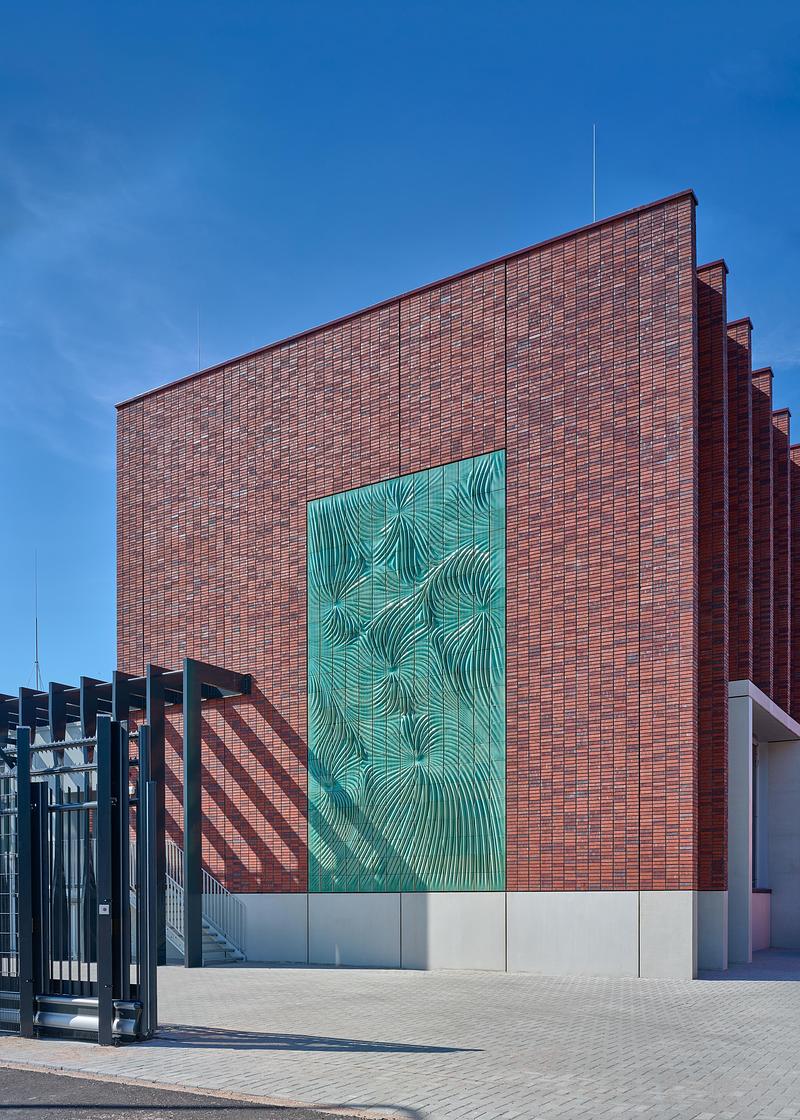
Image haute résolution : 9.52 x 13.33 @ 300dpi ~ 9,1 Mo
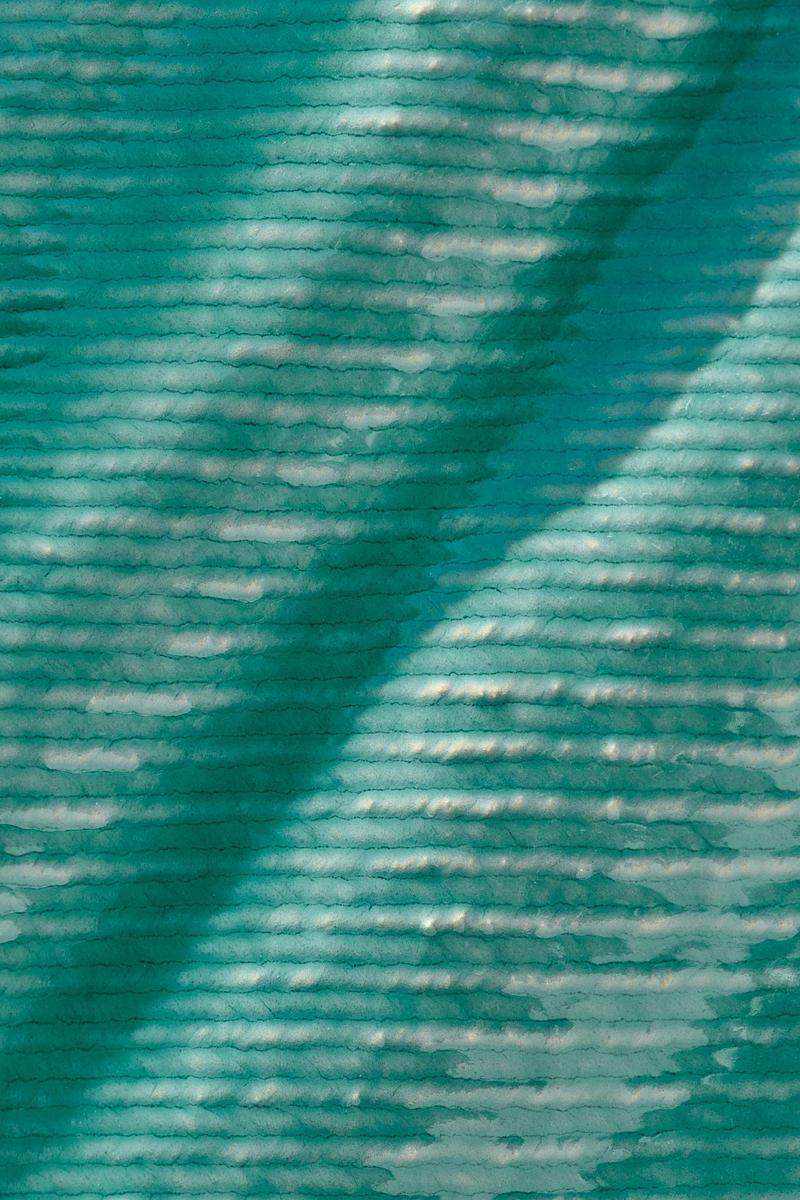
Image haute résolution : 8.89 x 13.33 @ 300dpi ~ 8,3 Mo

Image haute résolution : 8.89 x 13.33 @ 300dpi ~ 11 Mo
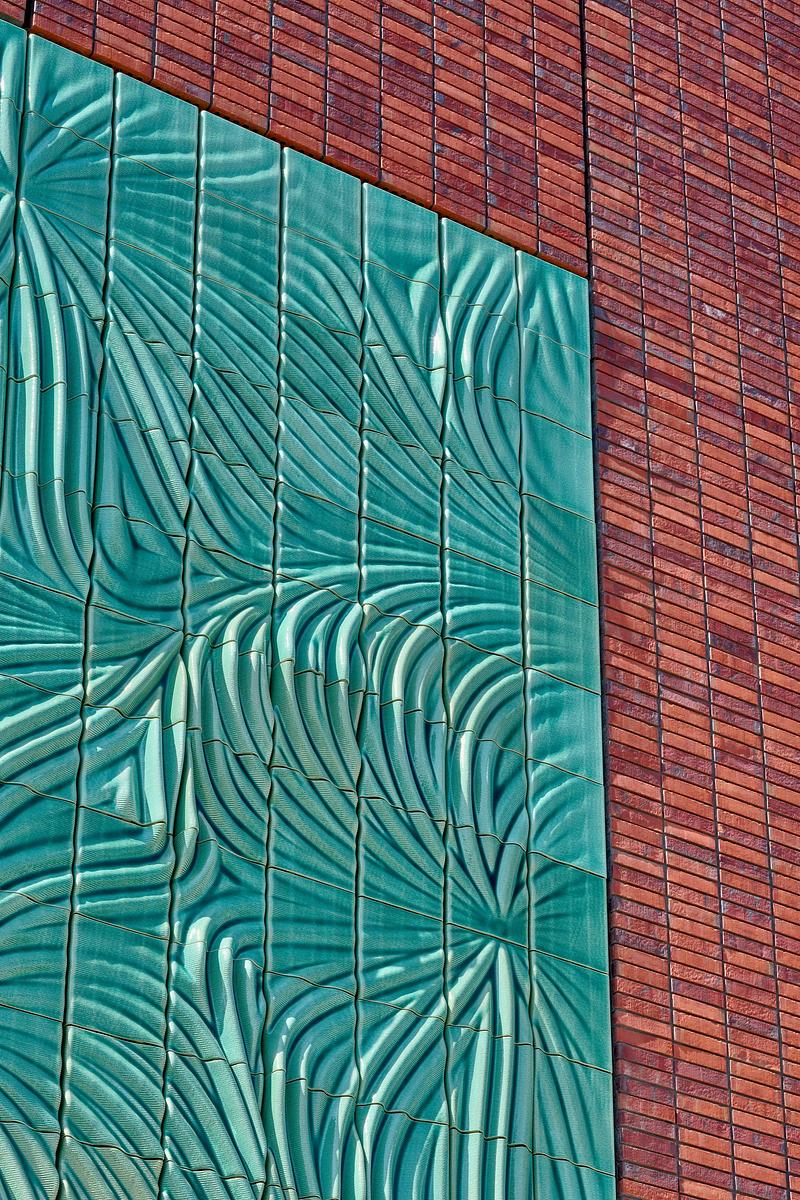
Image haute résolution : 8.89 x 13.33 @ 300dpi ~ 13 Mo
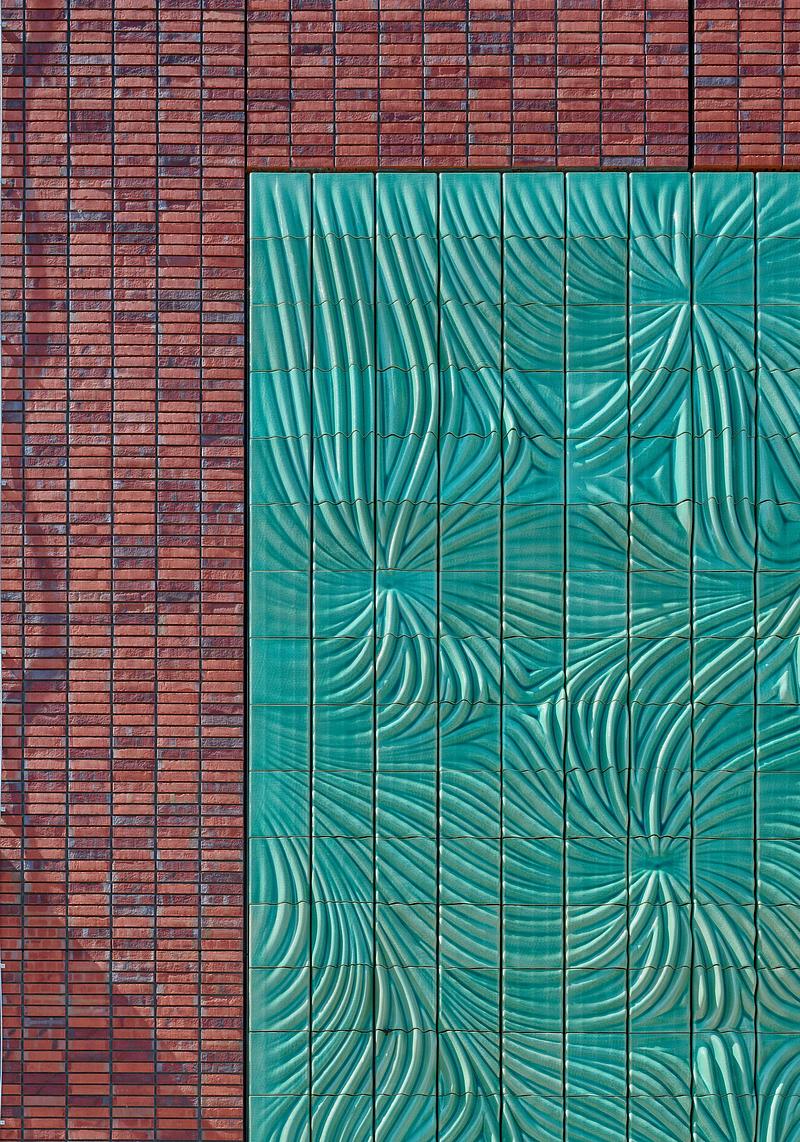
Image haute résolution : 9.34 x 13.33 @ 300dpi ~ 14 Mo
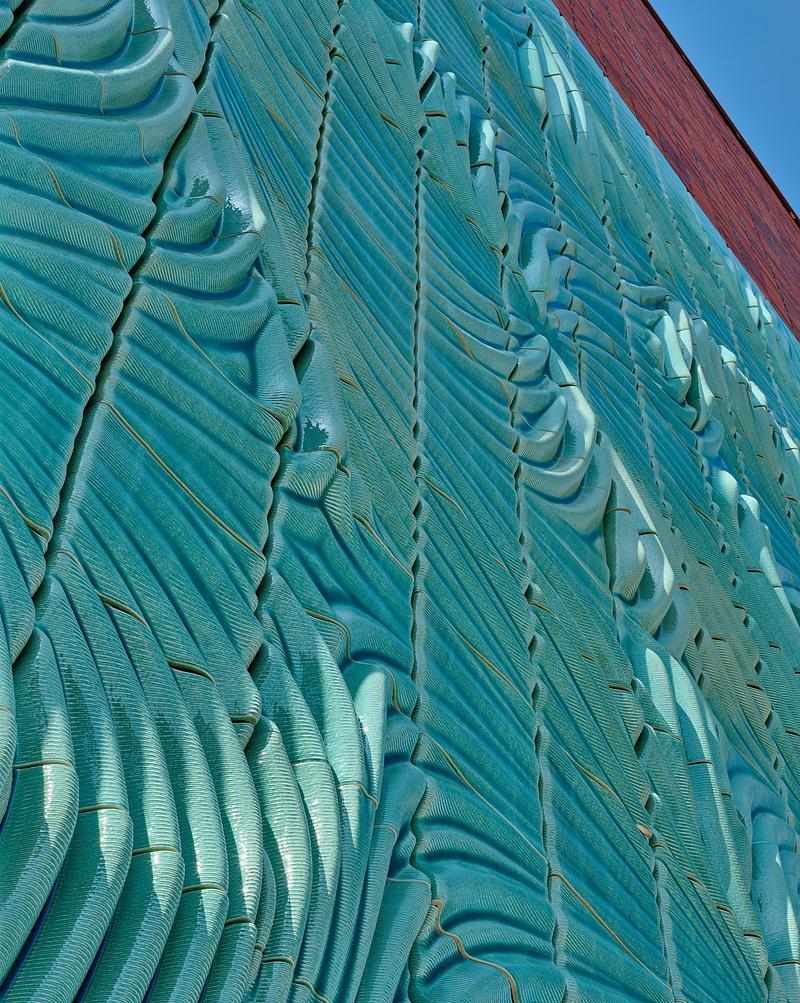
Image haute résolution : 10.64 x 13.33 @ 300dpi ~ 16 Mo
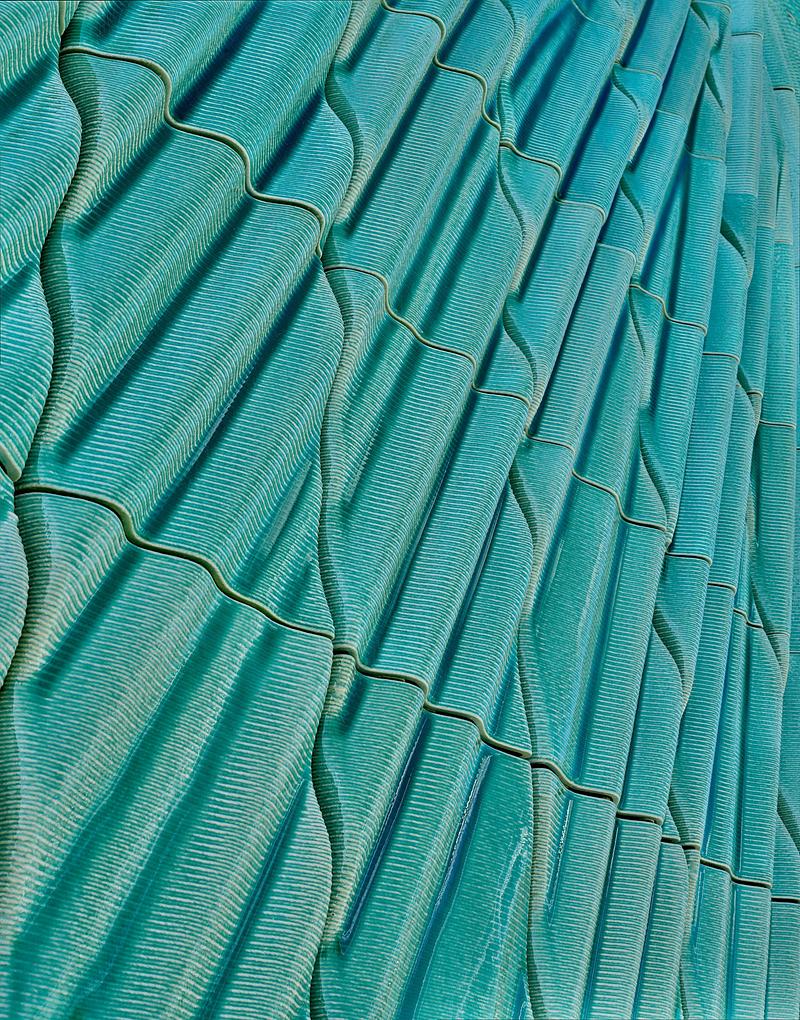
Image haute résolution : 10.45 x 13.33 @ 300dpi ~ 14 Mo
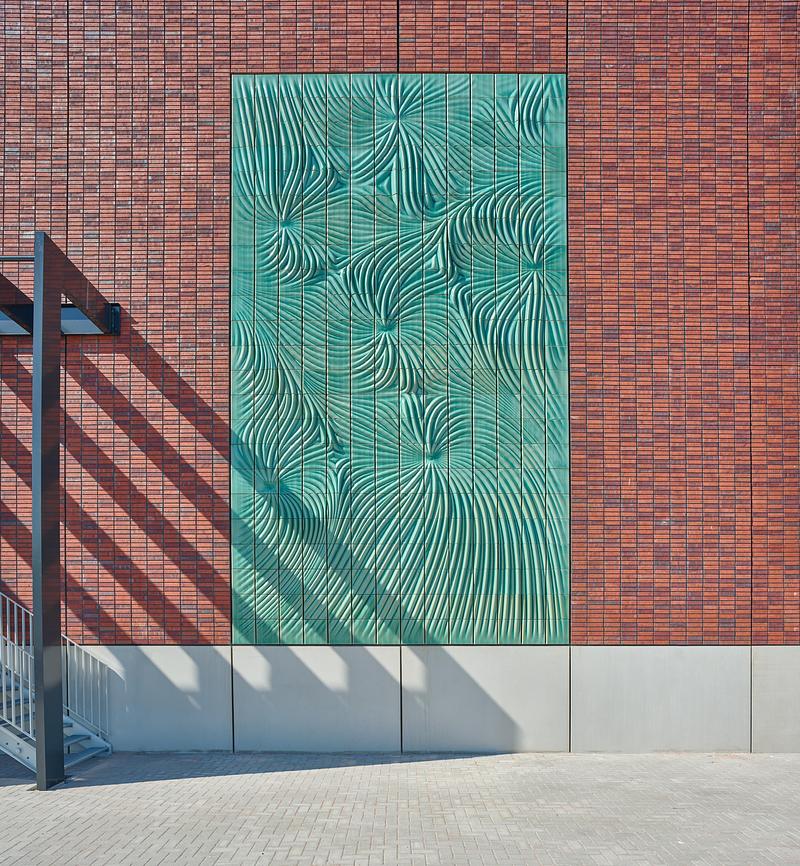
Image haute résolution : 12.32 x 13.33 @ 300dpi ~ 14 Mo
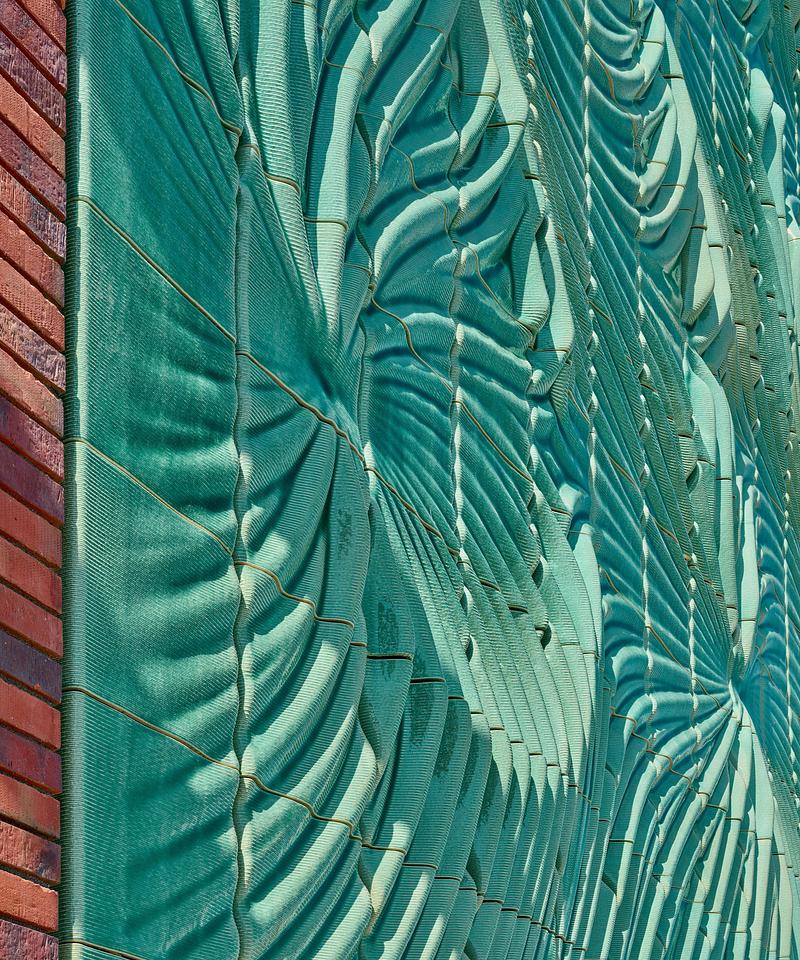
Image haute résolution : 11.11 x 13.33 @ 300dpi ~ 17 Mo
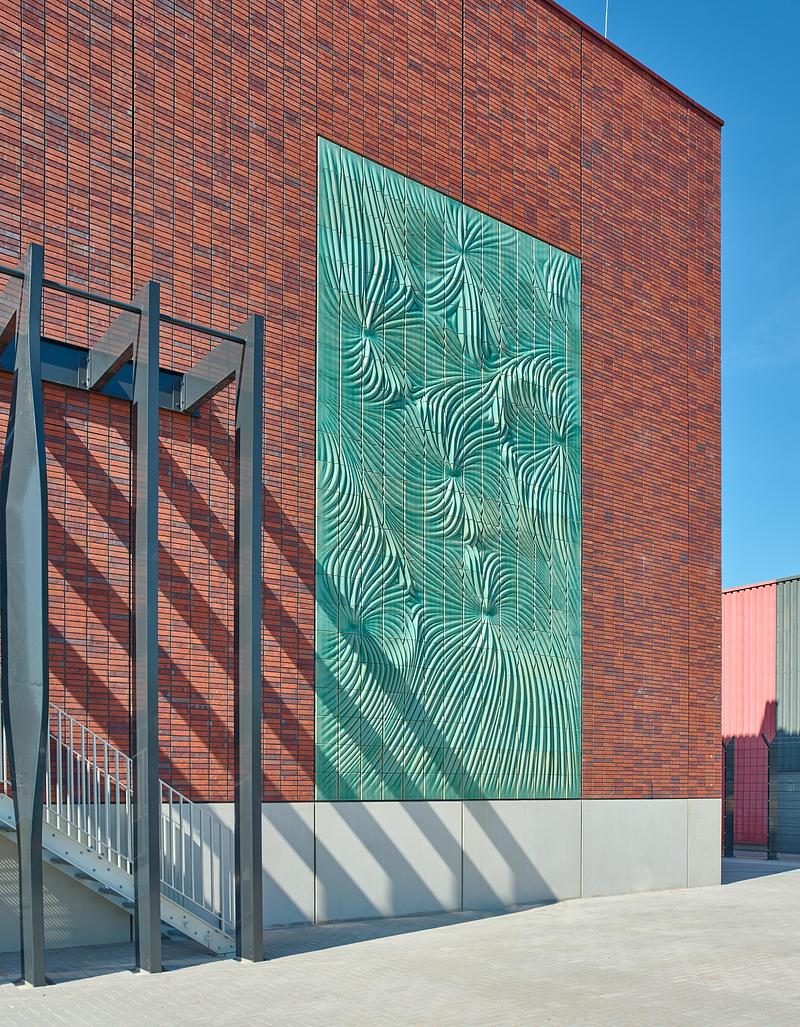
Image haute résolution : 10.39 x 13.33 @ 300dpi ~ 13 Mo
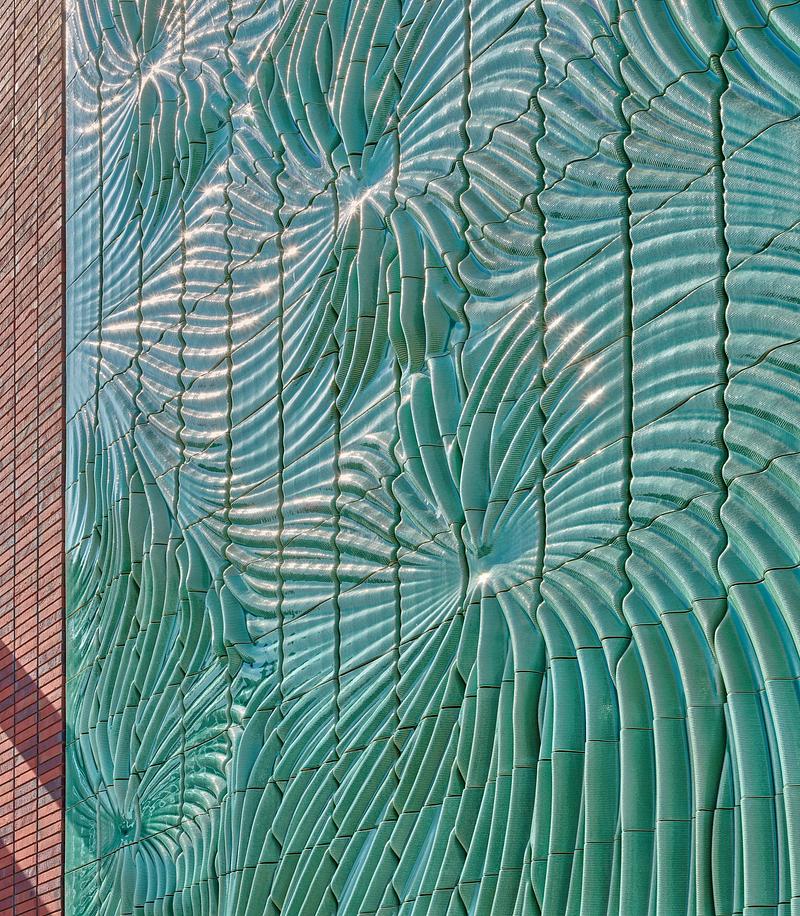
Image haute résolution : 11.64 x 13.33 @ 300dpi ~ 20 Mo
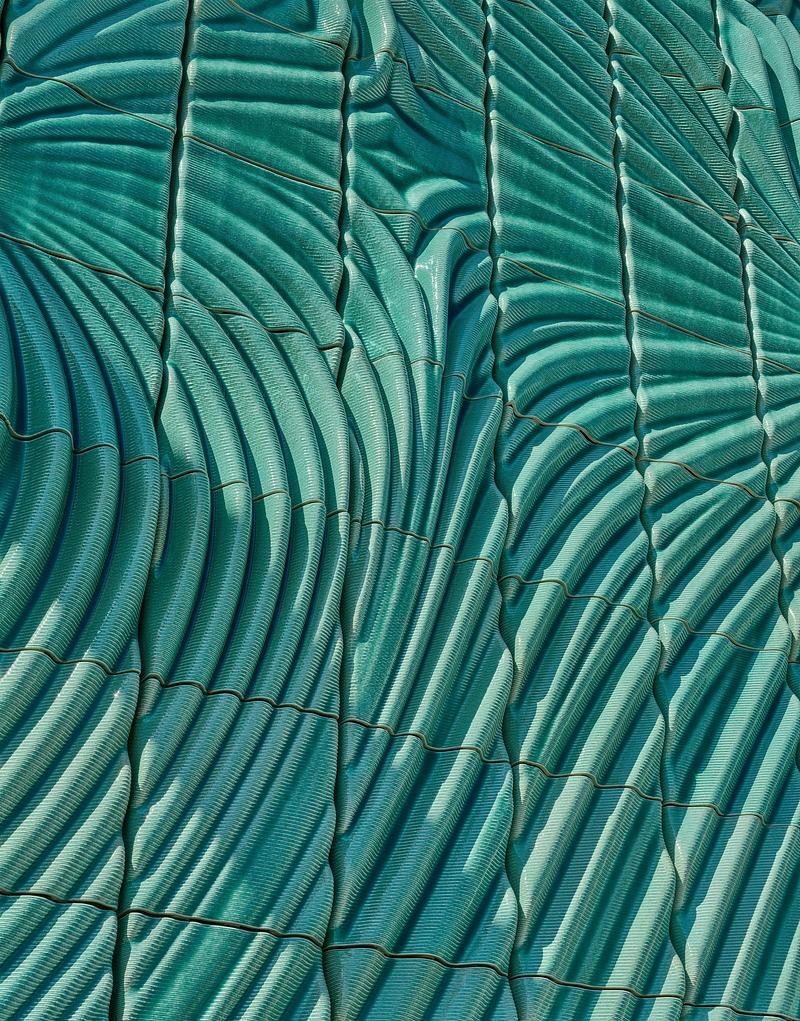
Image haute résolution : 10.45 x 13.33 @ 300dpi ~ 15 Mo
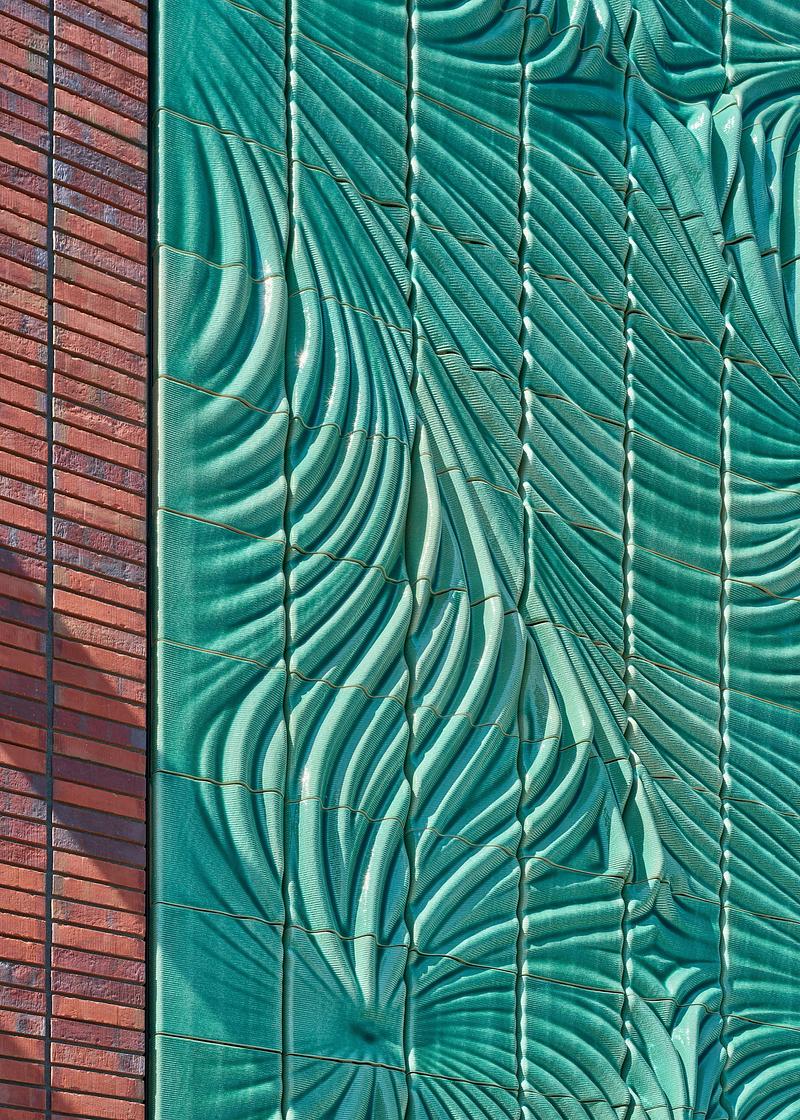
Image haute résolution : 9.52 x 13.33 @ 300dpi ~ 14 Mo

Image haute résolution : 8.89 x 13.33 @ 300dpi ~ 11 Mo
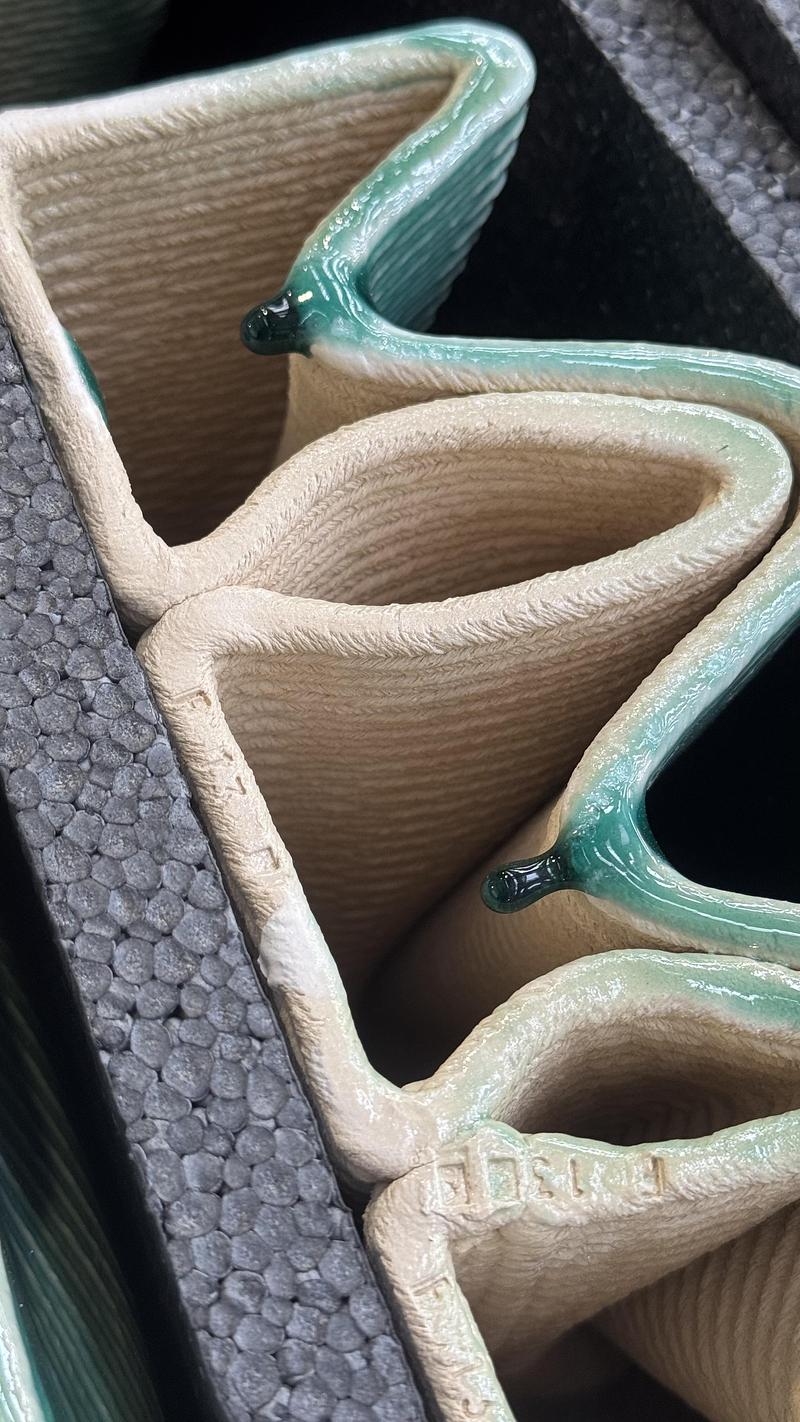
Image haute résolution : 7.56 x 13.44 @ 300dpi ~ 9 Mo
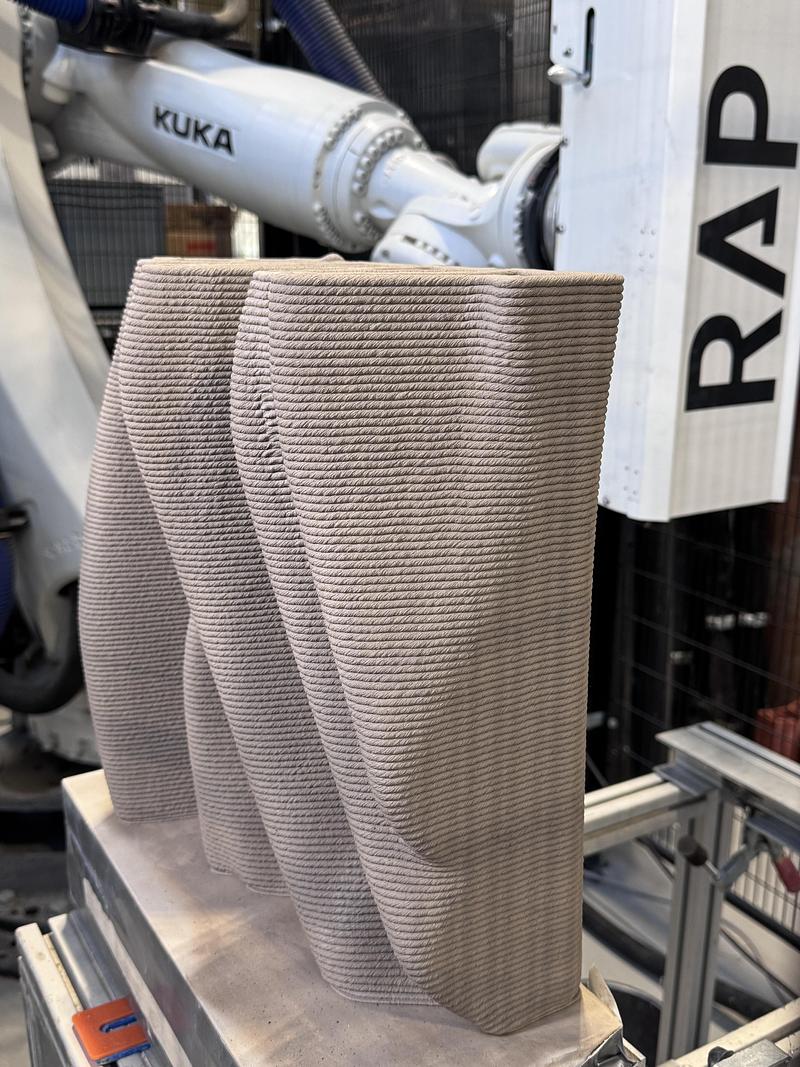
Image très haute résolution : 14.28 x 19.04 @ 300dpi ~ 4,6 Mo
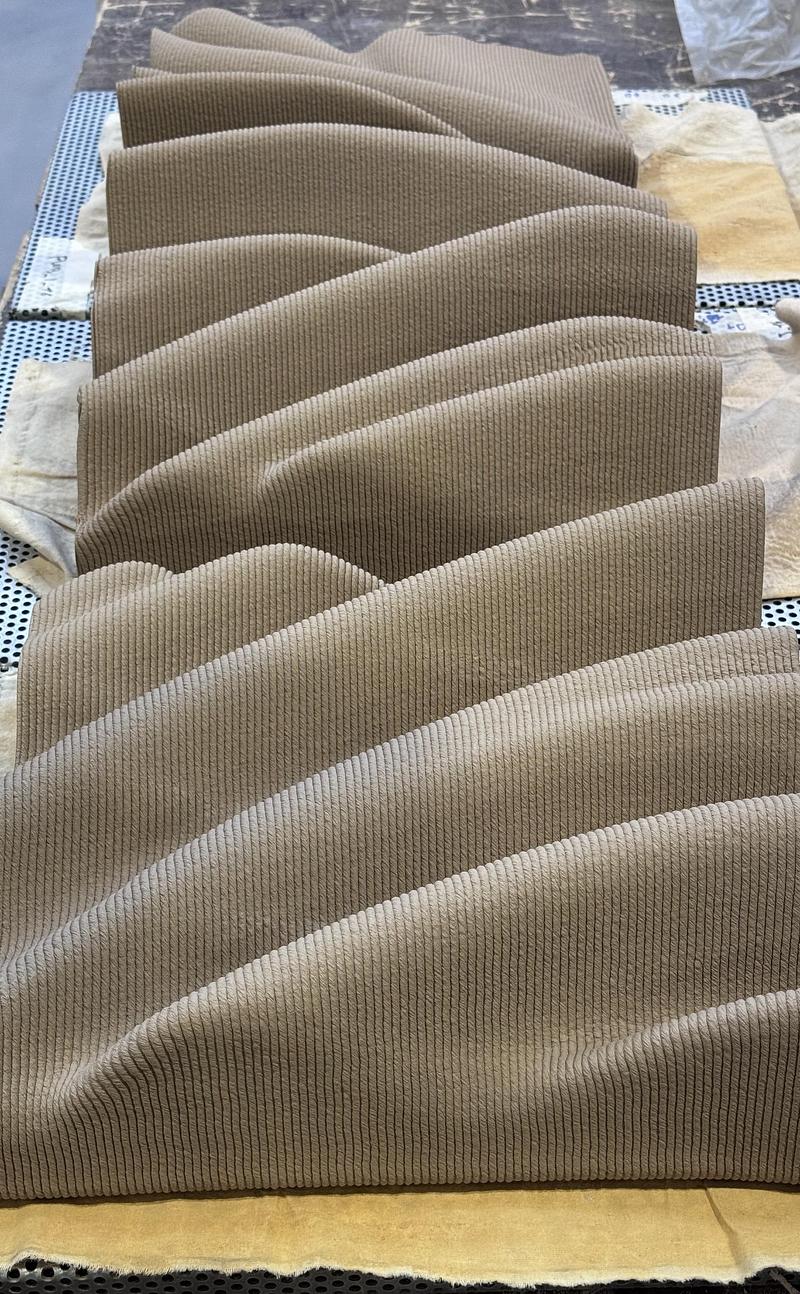
Image haute résolution : 7.56 x 12.23 @ 300dpi ~ 2,2 Mo
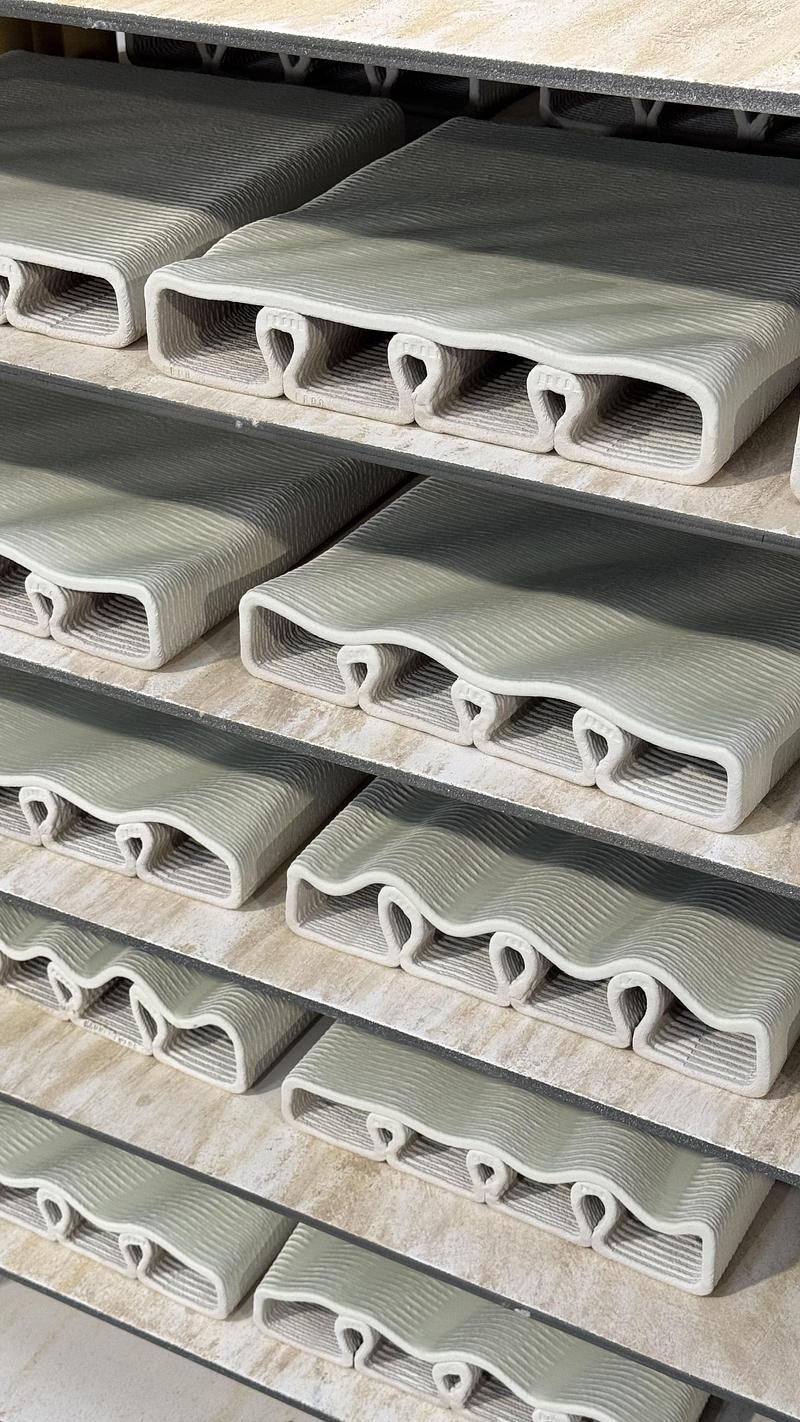
Image haute résolution : 7.56 x 13.44 @ 300dpi ~ 9,2 Mo
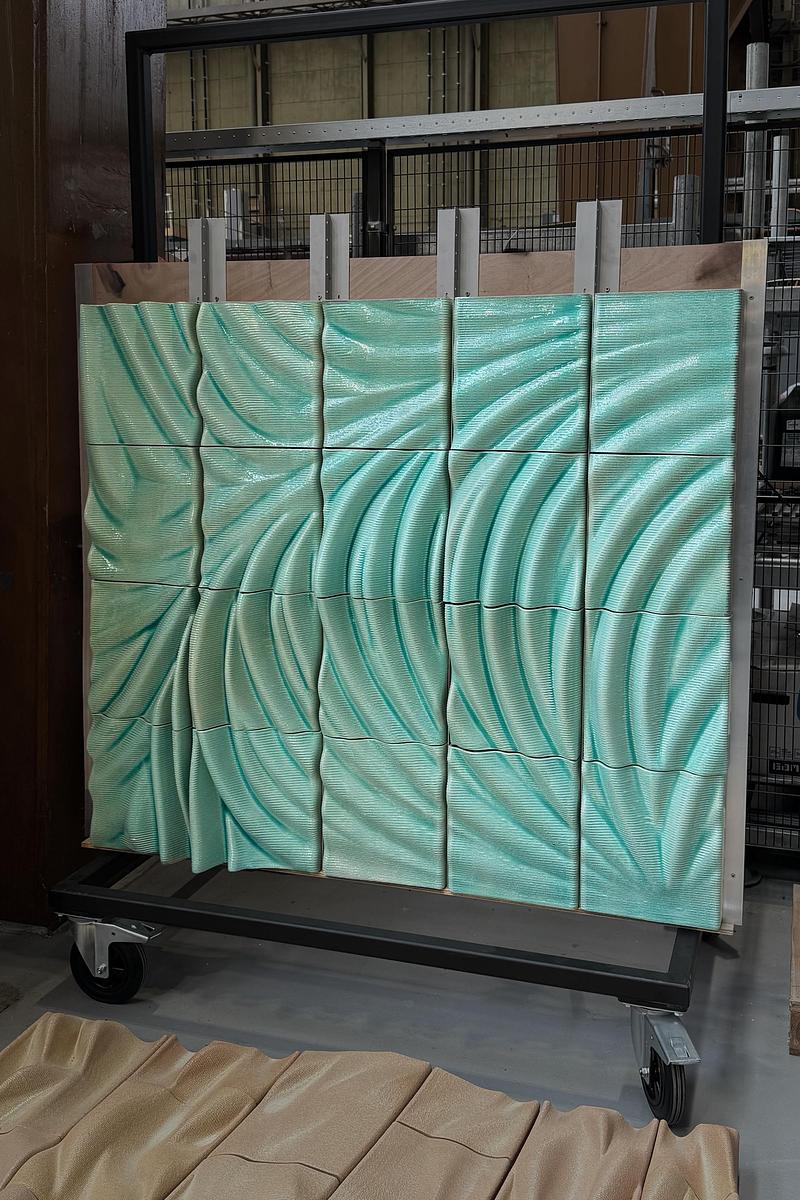
Image moyenne résolution : 6.67 x 10.0 @ 300dpi ~ 9,4 Mo
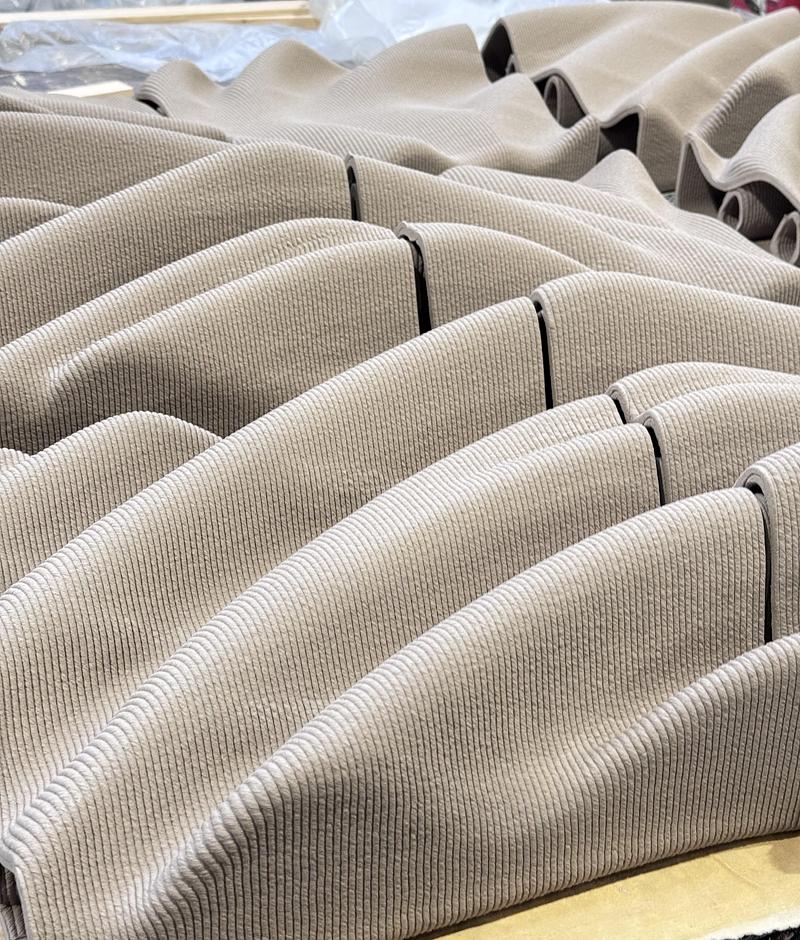
Image haute résolution : 10.08 x 11.85 @ 300dpi ~ 2,6 Mo
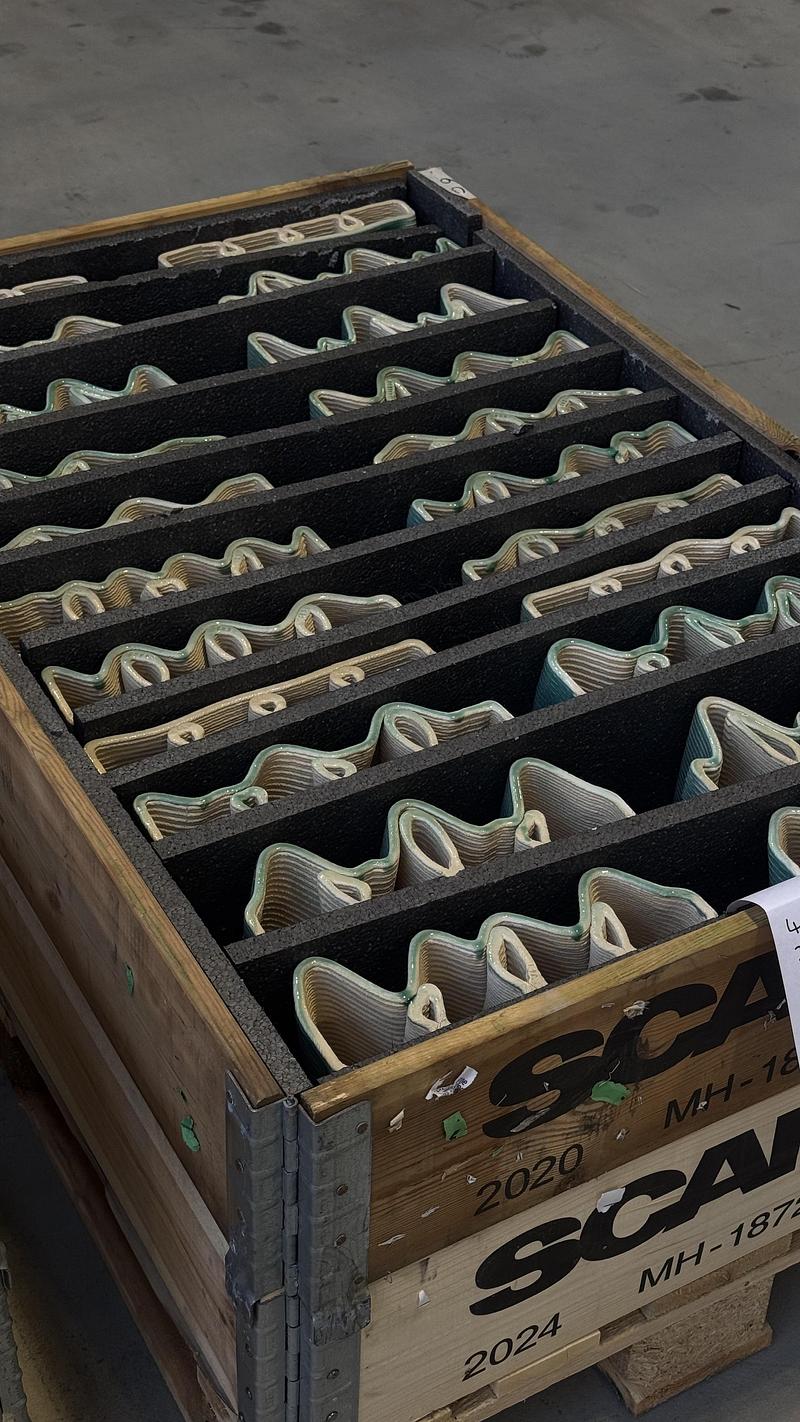
Image haute résolution : 7.56 x 13.44 @ 300dpi ~ 9 Mo
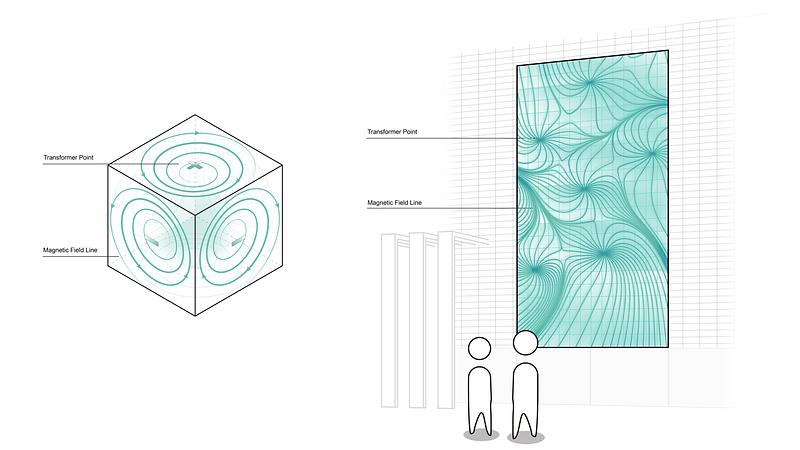
Image très haute résolution : 26.67 x 15.0 @ 300dpi ~ 3,4 Mo

Image haute résolution : 7.18 x 12.91 @ 300dpi ~ 1,8 Mo
Publicité
Vous pourriez également aimer...

Céragrès Studio : du projet à la matière. Un nouveau lieu pour le design.
Découvrez Céragrès Studio : un tout nouvel espace au cœur du Mile-Ex réunissant matériaux, mobilier et expertise. Conçu comme un véritable coffre à outils pour les professionnels du design et de l’architecture, le Studio met à votre disposition une matériauthèque évolutive, un laboratoire d’exploration et un réseau de collaborateurs engagés à donner vie à vos projets.

Istanbul, Türkiye, 01-10-2026
ARKOBJECT : la culture artisanale d’Istanbul prend une forme contemporaine
ARKOBJECT
Amsterdam, Pays-Bas, 09-06-2026
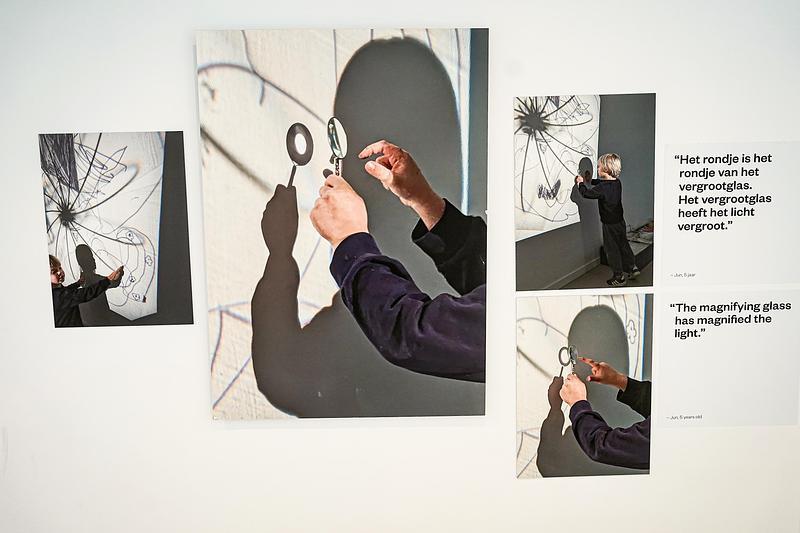
Le musée d'art pour enfants KiMu ouvre ses portes à Amsterdam
KiMu Kinderkunstmuseum
Paris, France, 19-05-2026
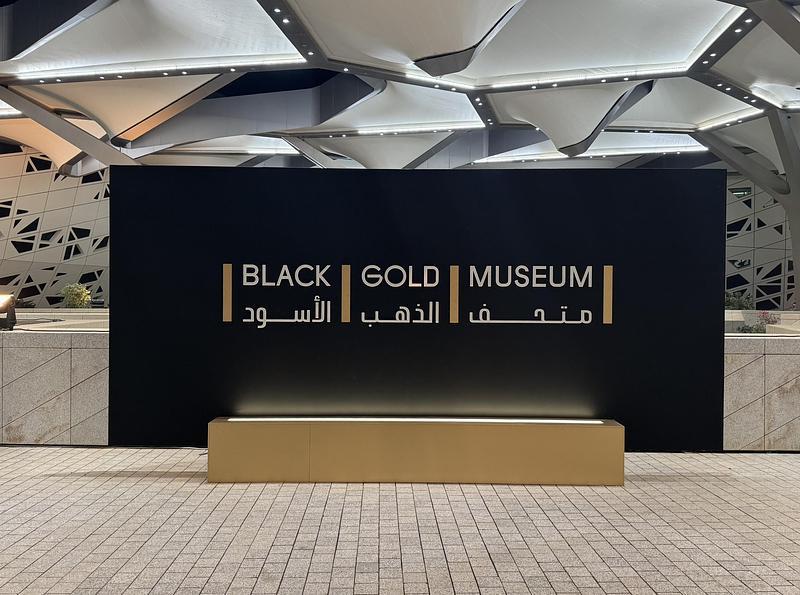
Le Black Gold Museum devient un nouveau musée où le pétrole devient art
La Méduse
Berwick-upon-Tweed, Royaume-Uni, 04-03-2026