Press Kit | no. 2234-03
Press release only in English
Niko Kapa Receives Alula Award for Socially Responsible Design Inspired by UNESCO Cultural Heritage
Studio Niko Kapa
Niko Kapa, a Greek designer based in Dubai, designed a collection of innovative products inspired by the natural environment of AlUla, “interpreting the region’s natural and cultural legacies into exceptional products for contemporary audiences”, while taking into consideration AlUla’s landscape, archaeology, and history. Nature becomes a design tool in mass-produced objects possessing handmade qualities, bringing the ancient in dialogue with the contemporary, and AlUla in dialogue with the world.
Inspired by volcanic landscapes, desert dunes, and sandstone mountains, the products developed through extensive material research aspire to combine local craftsmanship and contemporary design, merging art with functionality. The collection of utensils follows a zero-waste-making process involving upcycling and recycling. Revealing sculptural attributes of Arabian scenery, these are translated into functional objects, receptacles, and valet trays. Using the material of landscape, desert sand is bonded with recycled concrete and recycled ceramics, and is colored by natural earth pigments.
Highlighting relationships between form and the material that it is made of, construction uses one of the area’s most abundant natural resources: sand. Developed through material research, dessert sand comprises the main component of an environmentally conscious cement composite containing recycled AshCrete as a bonding agent for sand. AshCrete is composed of 97% fly ash, reusing a waste product and replacing most of the energy-intensive components of traditional concrete. Merging material technology with design processes, the substance has a stone-like matte finish texture that recreates the porosity of the local rocky landscape, while red clay is used as a natural pigment to replicate the warm color palette of earth. By exploiting proximity to the resource origin, the transportation cost of principal raw materials is reduced to a minimum.
The manufacturing process reduces the impact of mining for natural resources and energy by reusing and recycling waste products and locally-available pure sand. The product line is made locally, reducing the carbon footprint by abiding to principles of the circular economy. Moreover, the simplified manufacturing process doesn’t require technical expertise or special mechanical equipment, thus minimizing workmanship and labour costs, while optimizing logistics and fabrication time, thus rendering objects suitable for mass production. Artefacts will be produced and presented at AlUla’s cultural and retail outlets in Saudi Arabia, a globally significant heritage and culture destination.
About AlUla
AlUla tells the complex story of human settlement and civilization through art and design. Work includes prehistoric architecture upon the volcanic fields that continue to compel and confound archaeologists, the exquisite sculpture of ancient Arabian tribes who made it their capital, with monumental Nabataean tombs carved out of sandstone mountains and decorated with intricate symbols inspired by Italian, Egyptian, and Greek cultures.
These monuments are given context and story through their countless inscriptions, rock arts, intangible heritage, and traditional arts. The truly Living Museum gifts us with insight into art and culture of those who came before us, reminding us that history is a continuum. From this cradle of creativity, AlUla is emerging as a rekindled crossroads of culture to become a sublime place to encounter the art of our time. AlUla has been a place of creative inspiration and cultural exchange for millennia. As a journey through time, the spectacular landscape hosts an immense volume of archaeological discoveries. Its heritage sites include UNESCO World Heritage Site Hegra, Dadan, the capital of two ancient Arabian Kingdoms, and the mudbrick labyrinth of the Old Town.
Technical sheet
Collection: AlUla
Location: AlUla, KSA
Client: Royal Commission of AlUla
Materials: recycled concrete, desert sand, recycled ceramics, natural earth pigments, brass
Uses: homeware, office utensils and decorative objects
Designer: Niko Kapa
Product launch: 2023
About the AlUla Design Award
The AlUla Design Award recognizes exceptional design inspired by the heritage, landscapes, and artistic legacies of AlUla. The inaugural edition invited Saudi and international designers to conceptualize premium products inspired by the heritage, nature, and art of AlUla – a spectacular desertscape with an oasis, and the heart of ancient Incense Road. Submissions have been evaluated by a specialized jury comprised of leading industry leaders and opinion-makers in the spheres of design, retail, and media. This award is an important milestone in AlUla’s flourishing arts and cultural sector, continuing the region’s legacy as a hub for designers and artists in collaboration with a global creative community.
About Studio Niko Kapa
Studio Niko Kapa supports innovative architecture using research as an integral part of the design process, with a specific focus on sustainability, as well as the cultural importance of architecture and design. A significant part this work has been targeted to build awareness towards the built environment in the Middle East, while promoting sustainability through innovation.
- Listed by Architectural Digest among most influential architects in Middle East.
- Awarded Innovative Architect of the Year in UAE.
- Recipient of the AIA Middle East Award and Asia Design Prize.
- Recipient of the Signature Art Prize.
- Finalist of the Premio Arte Contemporanea and the Mediterranean Contemporary Art Prize.
- Recipient of the Audi Innovation Award, iF Design Award and German Design Award.
- Platinum Awarded Industrial Designer for contribution on sustainable design.
- Recipient of the Design Excellence Award and Iconic Award.
- Designer of the Year Nominee.
For more information
Media contact
- Studio Niko Kapa
- Niko Kapa - Director
- kapa@nikokapa.com
-
+44 793 889 8340
Attachments
Terms and conditions
For immediate release
All photos must be published with proper credit. Please reference v2com as the source whenever possible. We always appreciate receiving PDF copies of your articles.
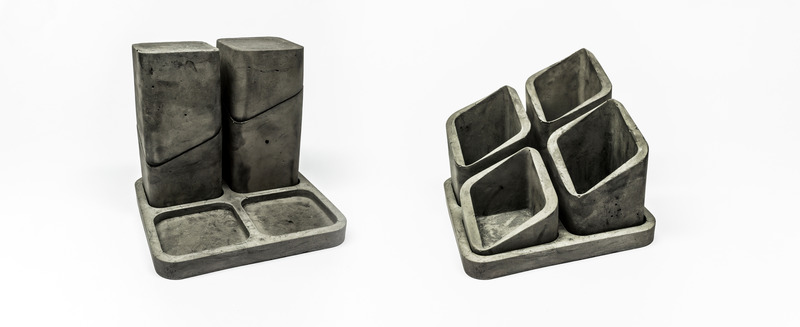
“Harrat” desk organiser is inspired by Saudi volcanic craters and Islamic geometric patterns
Very High-resolution image : 32.6 x 13.33 @ 300dpi ~ 10 MB

“Dune” valet tray is suggestive of Arabian topography and desert dunes
Very High-resolution image : 20.0 x 13.33 @ 300dpi ~ 10 MB
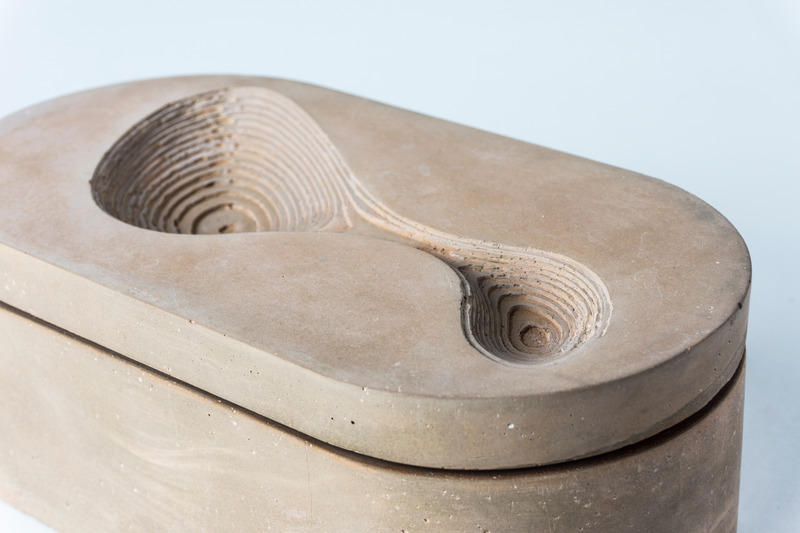
“Naqsh” Spice and Herbs Cellar is reminiscent of Hegra’s rock cuttings
Very High-resolution image : 20.0 x 13.33 @ 300dpi ~ 11 MB
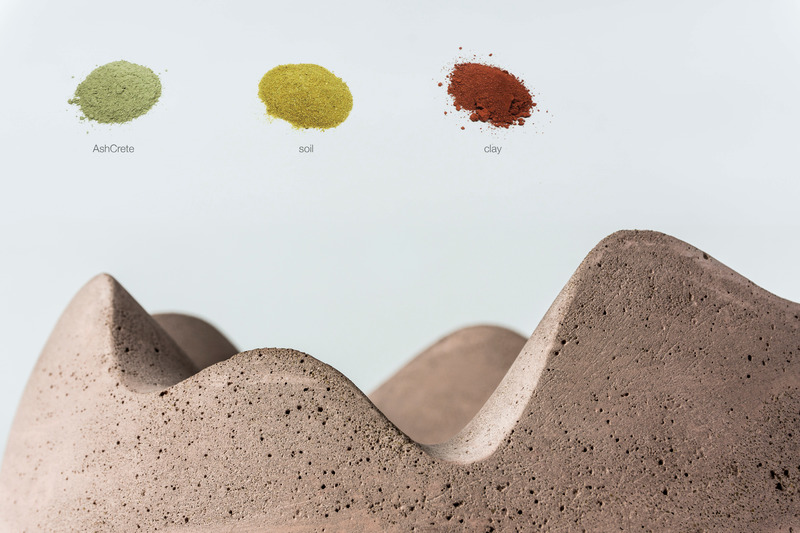
“Wadi” features the texture and porosity of local rocky landscape
Very High-resolution image : 20.0 x 13.33 @ 300dpi ~ 9.9 MB
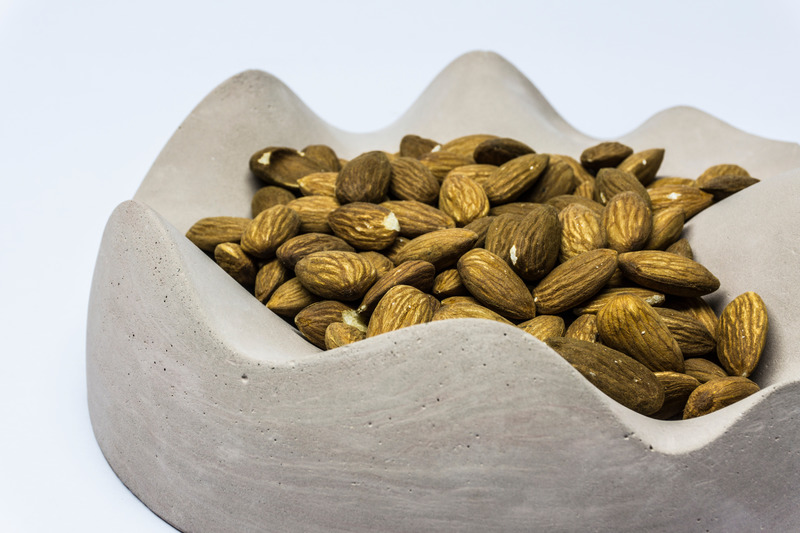
“Wadi” bowl recreates enclosing disposition of Saudi valley
Very High-resolution image : 20.0 x 13.33 @ 300dpi ~ 11 MB
Advertising