Press kit no. 1152-19
Journalists, explore this publication-ready project. Create a free v2com media account to download high-resolution images.
Create a media account
Press Kit | no. 1152-19
LumiGroup Designs Circadian Lighting for Bosco, a Rental Residential Project Developed by PUR Immobilia in Montreal
LumiGroup
Circadian lighting according to WELL standards
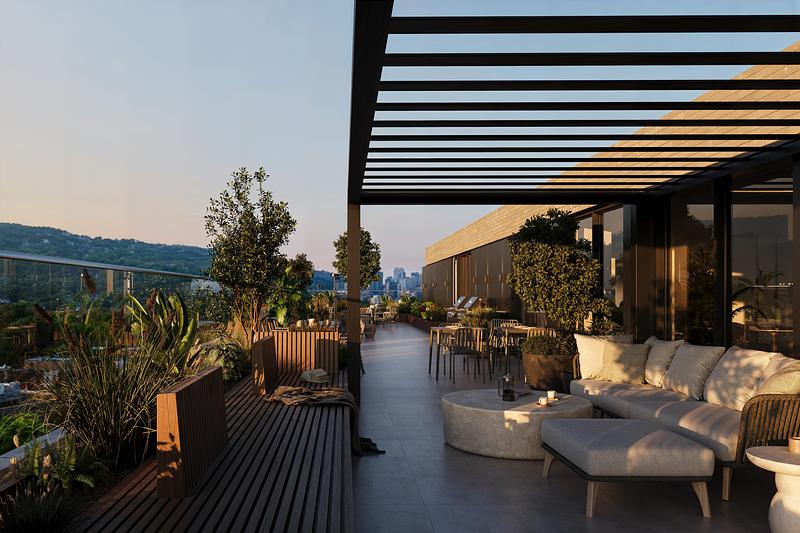
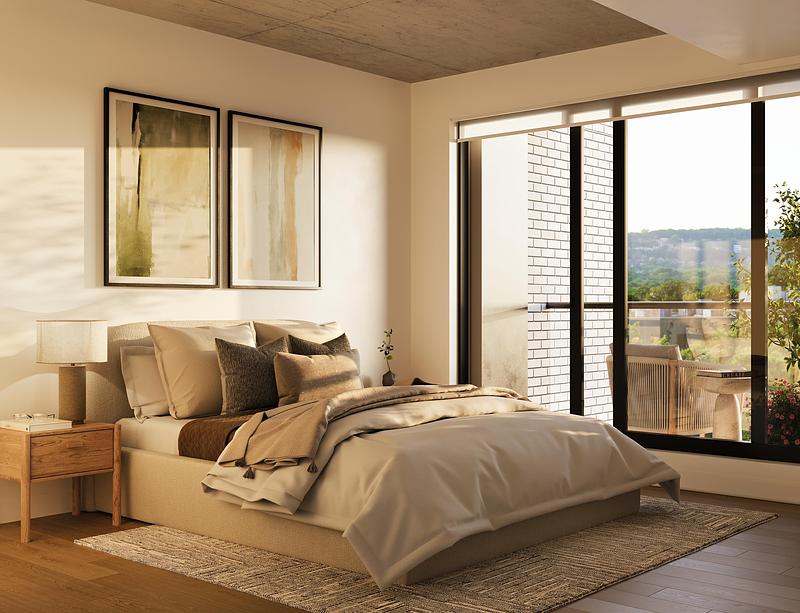
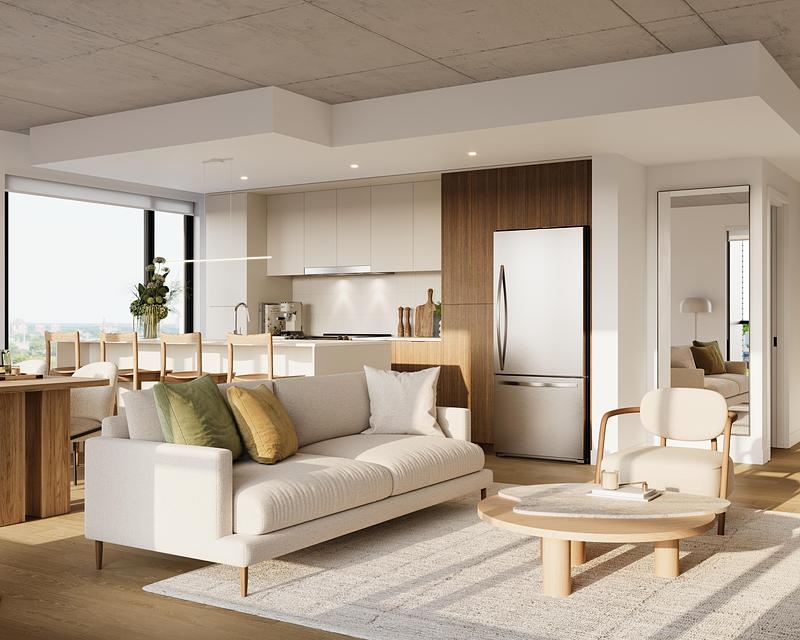
The Bosco residential project, developed by PUR Immobilia, introduces an approach still rarely seen in rental housing: the integration of circadian lighting within its common spaces. Designed by LumiGroup, the system goes beyond technical performance to explore how light can support the rhythms of everyday life.
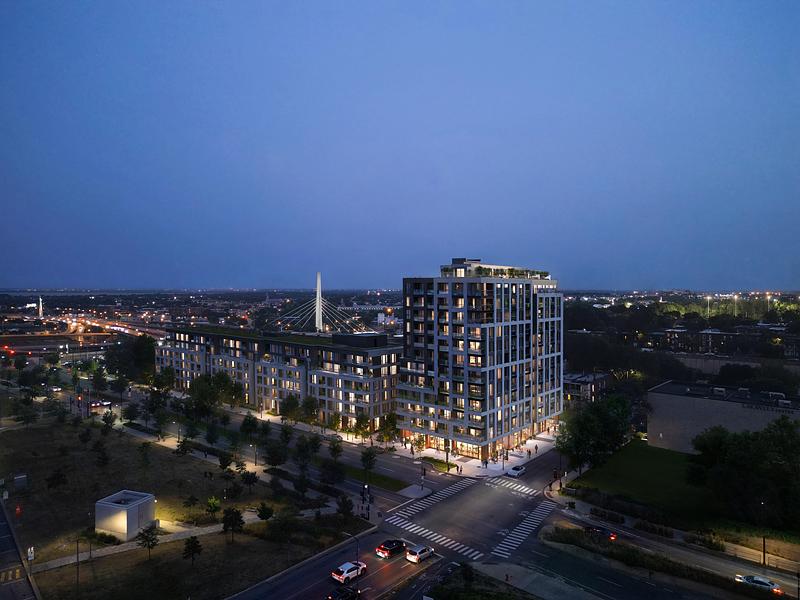
Urban life no longer follows a single cycle. Day, night, rest, and activity increasingly overlap, particularly in dense urban environments. In this context, lighting becomes a determining factor of everyday comfort—or discomfort. Located near Vendôme metro station and several healthcare institutions, Bosco responds to this reality by seeking to create a living environment that accommodates diverse schedules and lifestyles.
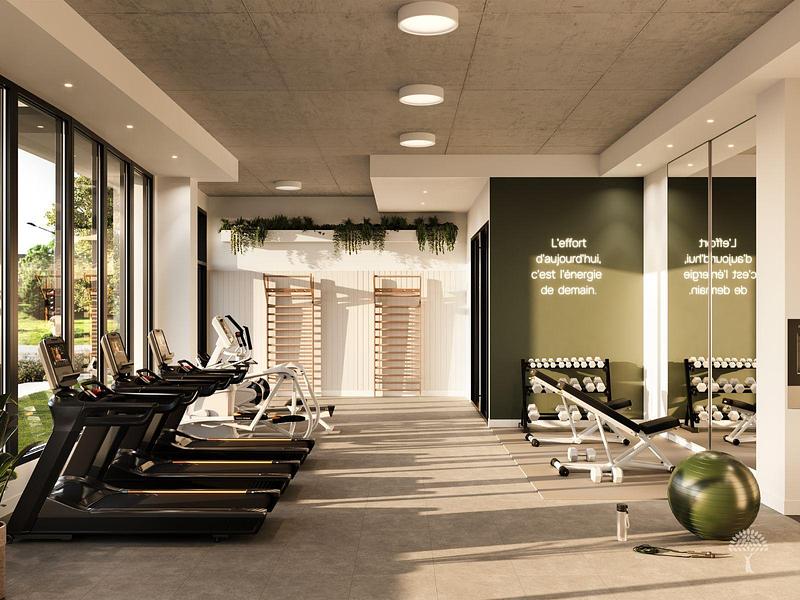
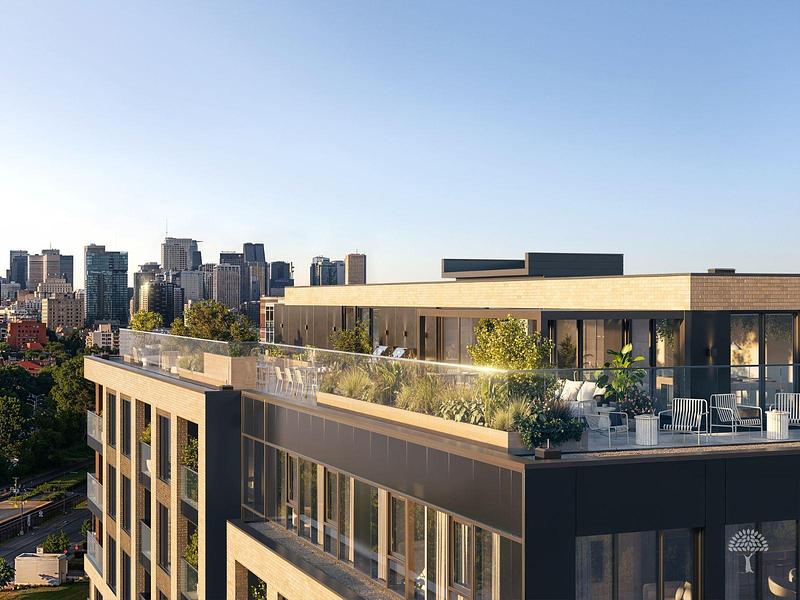
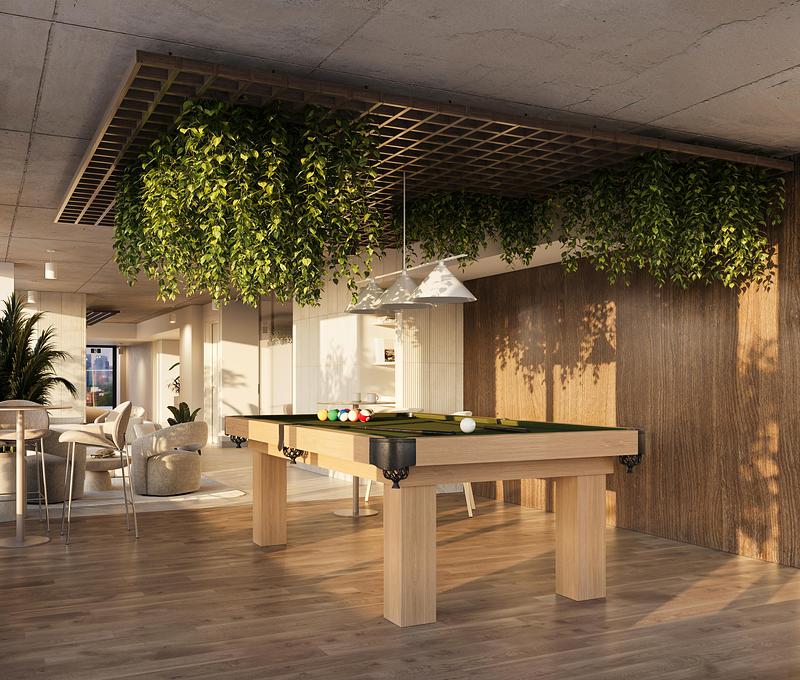
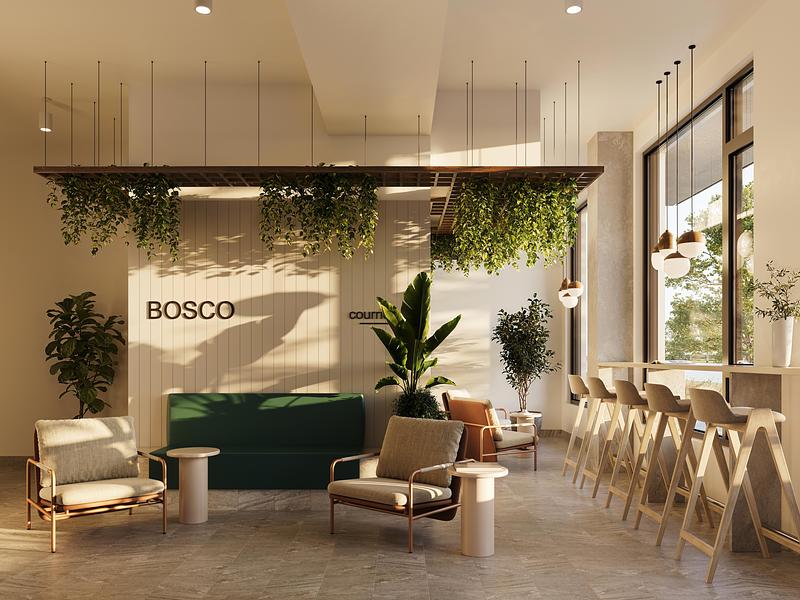
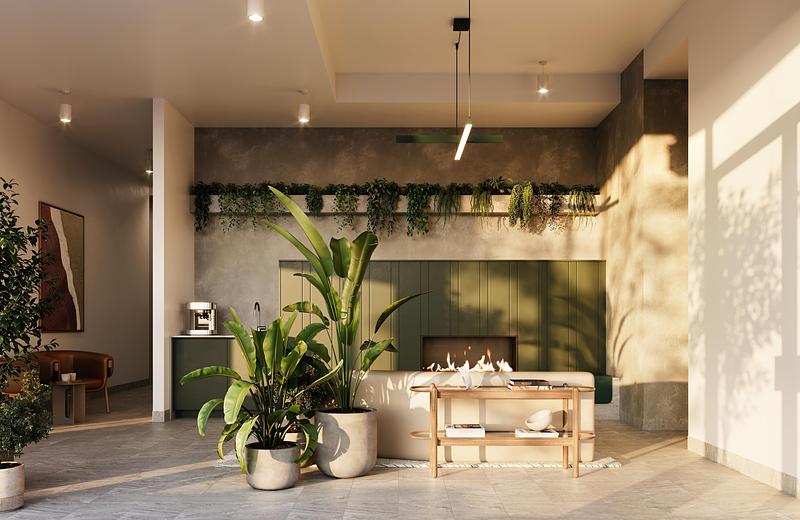
Developed by PUR Immobilia, Bosco is a 230-unit rental complex conceived from the outset as a vibrant living environment shaped by multiple uses. For Sophie Plante, lead designer at PUR, the goal was never to multiply amenities, but to create spaces where people genuinely want to spend time. Lobbies, corridors, shared lounges, and coworking areas are not conceived as neutral transition zones, but as spaces in their own right, and places that can welcome, calm, and support daily rhythms.
“At PUR, common areas are not designed as simple passageways,” explains Sophie Plante. “They are spaces in their own right, meant to be used, inhabited, and experienced. We wanted to create environments that feel comfortable and human—places where people feel at ease to settle in, meet others, or slow down. The goal was not to impress, but to support everyday life with spaces that remain beautiful while being genuinely functional.”
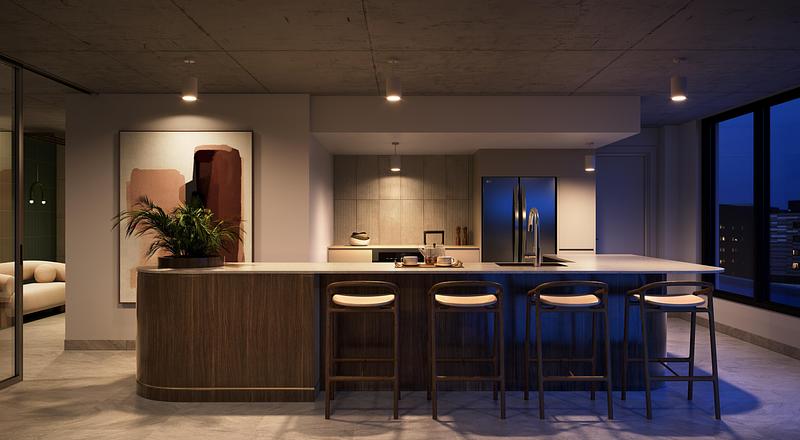
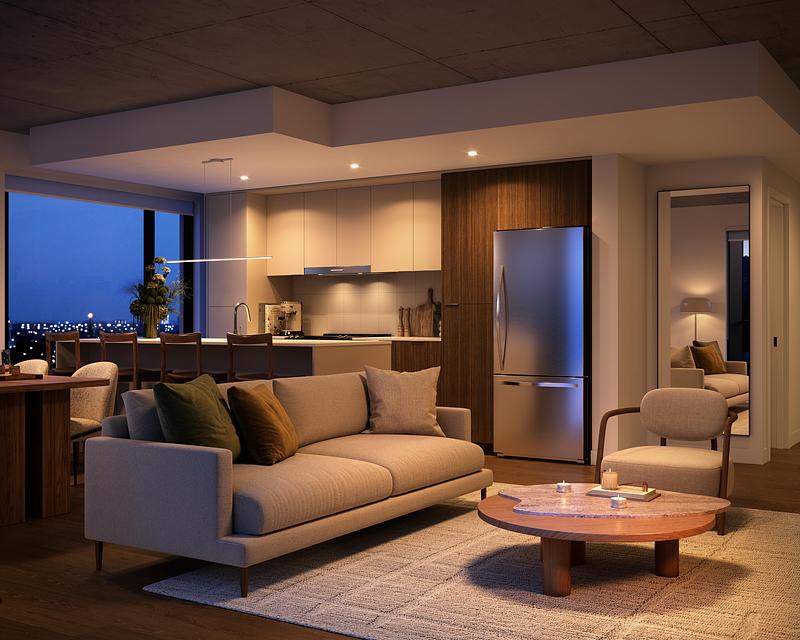
Within this approach, the integration of circadian lighting in the common areas emerged naturally. Designed for residents with atypical schedules—particularly healthcare workers—the system automatically adjusts color temperature and light intensity throughout the day, providing more stimulating light during daytime hours and softer, more calming light in the evening. The modulation is subtle, yet it significantly shapes how the spaces are perceived and used.
For LumiGroup, responsible for the lighting design and control system, Bosco represented a particularly meaningful opportunity for experimentation.
“Circadian lighting is the most advanced attempt to reproduce the biological effects of natural light indoors,” explains Jean-Claude Calabro, President of LumiGroup. “By modulating color temperature and light intensity according to the time of day, we help support alertness during the day and relaxation and melatonin production in the evening. The goal is not to over-illuminate, but to provide light that works with the body, rather than against it.”
Until recently, this approach was primarily reserved for office environments and healthcare facilities. Its integration into residential settings remains limited, largely due to the technical requirements it entails: lighting fixtures capable of finely adjusting their light spectrum, as well as flexible control systems capable of orchestrating these variations without complicating the user experience.
At Bosco, the system was integrated early in the design process through close collaboration with the architecture and interior design teams. The common areas are illuminated by an automated system using dual-spectrum LED lighting and wireless controls. Rather than imposing uniform brightness, the lighting adapts to the spaces and their uses, structuring circulation areas, softening transition zones in the evening, and contributing to a calmer atmosphere without relying on excessive illumination. It is a subtle adjustment, yet one that significantly influences both comfort and the perception of safety.
Beyond the immediate experience, circadian lighting positions Bosco within a broader vision of healthier buildings, where comfort, functionality, and performance are no longer treated as competing priorities. Through the integration of circadian lighting in its shared spaces, Bosco positions itself as a reference project in rental housing, exploring technological choices that remain relatively uncommon. The approach reflects a growing attention to the residential experience, and to evolving practices in contemporary rental living.
Technical sheet
Location: Montreal, QC, Canada
Lighting: LumiGroup
Architect/Designer: PUR Immobilia
Photo Credits: Common Ground Studios
About LumiGroup
Founded in 1995, LumiGroup is the largest lighting consultancy agency in Quebec, representing a wide range of lighting manufacturers from both local and international markets. Collaborating closely with architects, designers, and other industry specialists, LumiGroup helps clients develop optimal lighting solutions tailored to each unique project. By creatively transforming spaces with functionality and ergonomics in mind, LumiGroup enhances and elevates the user experience.
LumiGroup’s team includes globally trained consultants with expertise in industrial design, interior and exterior design, architecture, engineering, electrical systems, lighting, and manufacturing. Their extensive product range is showcased in a 10,000-square-foot showroom located in the heart of Montreal’s vibrant Mile End district.
For more information
Media contact
- LumiGroup
- Claudia Terriaca
- cterriaca@lumigroup.com
- 1-514-270-3552
Attachments
Terms and conditions
For immediate release
All photos must be published with proper credit. Please reference v2com as the source whenever possible. We always appreciate receiving PDF copies of your articles.
Medium-resolution image : 5.33 x 4.0 @ 300dpi ~ 270 KB
Medium-resolution image : 5.33 x 4.0 @ 300dpi ~ 270 KB
Very High-resolution image : 20.0 x 15.0 @ 300dpi ~ 11 MB
Very High-resolution image : 20.0 x 13.33 @ 300dpi ~ 12 MB
Medium-resolution image : 10.0 x 7.66 @ 300dpi ~ 31 MB
Very High-resolution image : 20.0 x 16.0 @ 300dpi ~ 130 MB
Very High-resolution image : 20.0 x 17.0 @ 300dpi ~ 24 MB
Very High-resolution image : 20.0 x 15.0 @ 300dpi ~ 17 MB
Medium-resolution image : 10.0 x 8.75 @ 300dpi ~ 36 MB
Very High-resolution image : 20.0 x 13.0 @ 300dpi ~ 14 MB
Very High-resolution image : 23.33 x 12.83 @ 300dpi ~ 13 MB
Very High-resolution image : 23.33 x 12.83 @ 300dpi ~ 33 MB
Very High-resolution image : 20.0 x 16.0 @ 300dpi ~ 41 MB

Advertising
You may also like...
Montreal, Canada, 2025-05-29
HUMÀ Design + Architecture and LumiGroup Embrace Maximalism at Club Saint-Denis
LumiGroup
Montréal, Canada, 2022-02-25
Bold and bright: OneSpan office highlights the symbiotic relationship between lighting and thoughtful design
LumiGroup
Céragrès Studio: From Concept to Material. A New Destination for Design.
Discover Céragrès Studio: a brand-new space in the heart of Mile-Ex, bringing together materials, furniture, and expertise. Designed as a true resource hub for design and architecture professionals, the Studio offers an evolving material library, a space for exploration, and a network of collaborators dedicated to bringing your projects to life.

Montréal, Canada, 2019-04-02
Bishop’s University Library Learning Commons: New Lighting and Interior Design
LumiGroup
Montréal, Canada, 2016-03-01
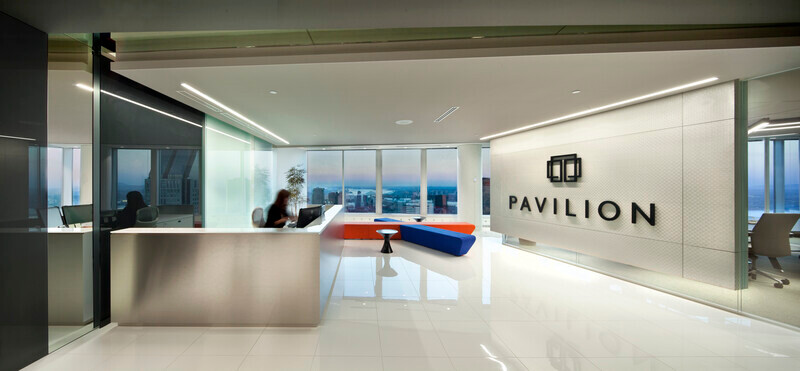
Monochrome tones, light and shadow for Pavilion Financial Corporation
LumiGroup


Lyon, France, 2026-10-19
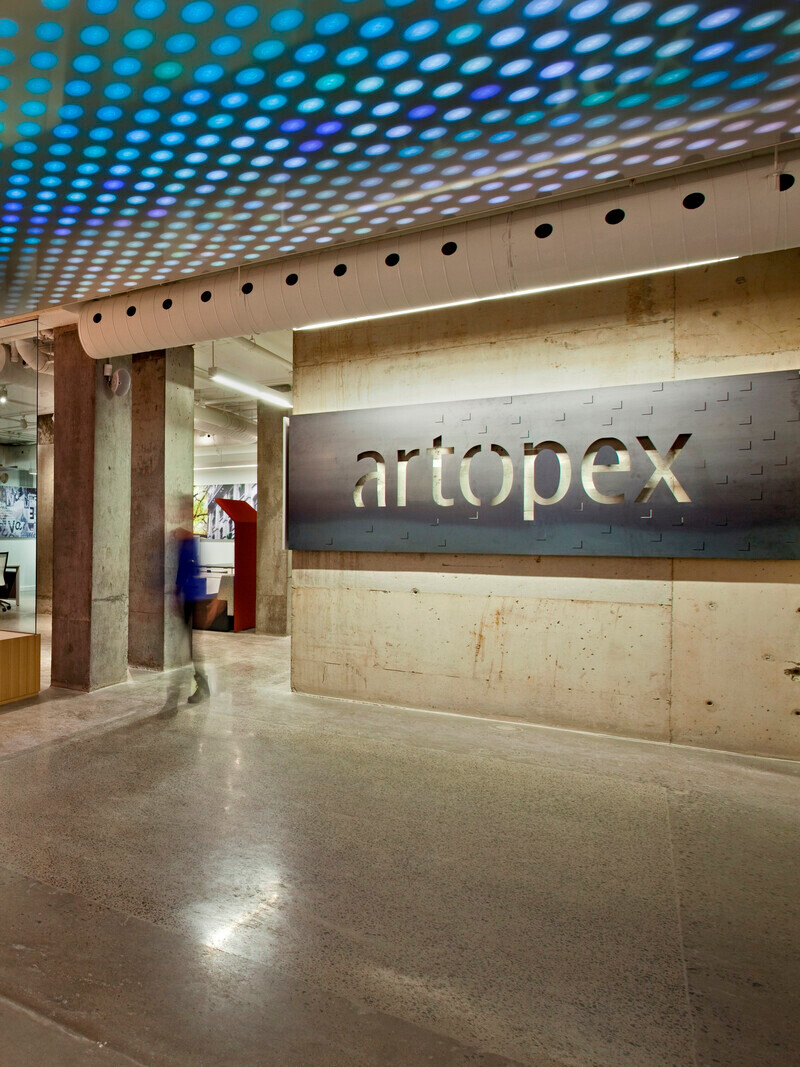
Pulsatil Shapes the Experience of Light at Sea Aboard the Orient Express Corinthian
Pulsatil
Barcelona, Spain, 2026-10-07
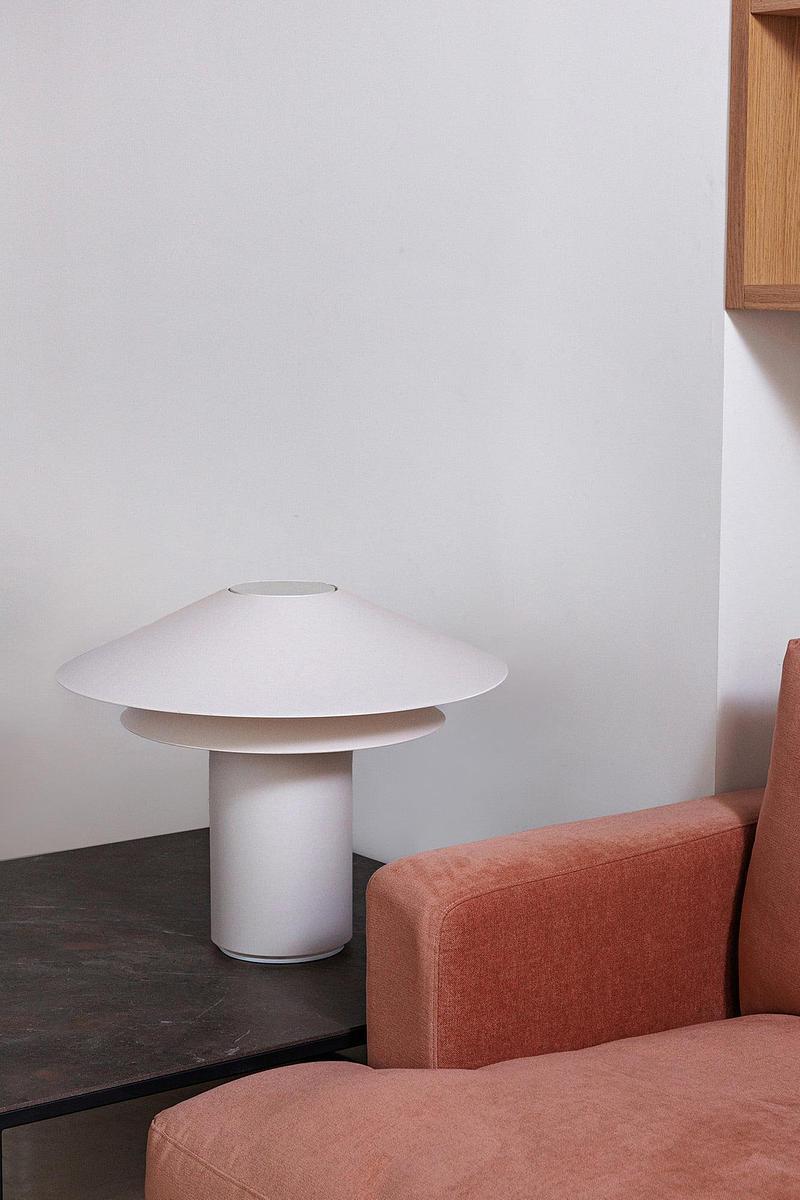
As Homes Move Beyond the "Big Light"
Faro Barcelona Introduces Shan
Faro Barcelona
Cowansville, Canada, 2026-09-02
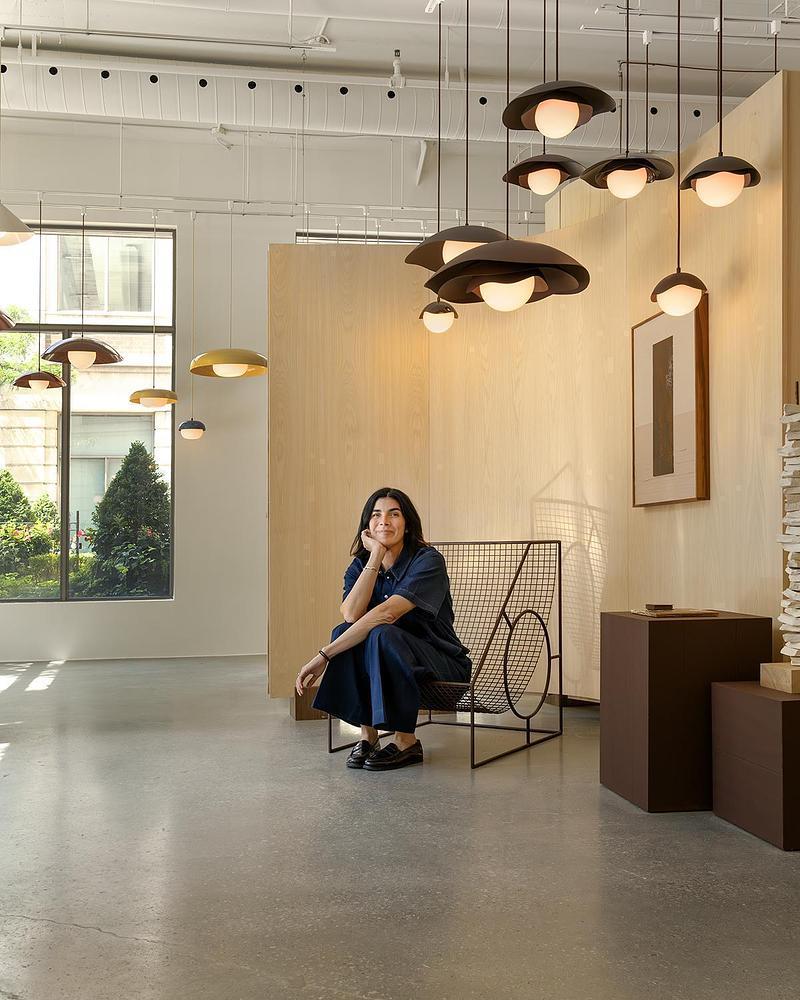
Luminaire Authentik Unveils Its New Showroom in Toronto’s King East Design District
Luminaire Authentik
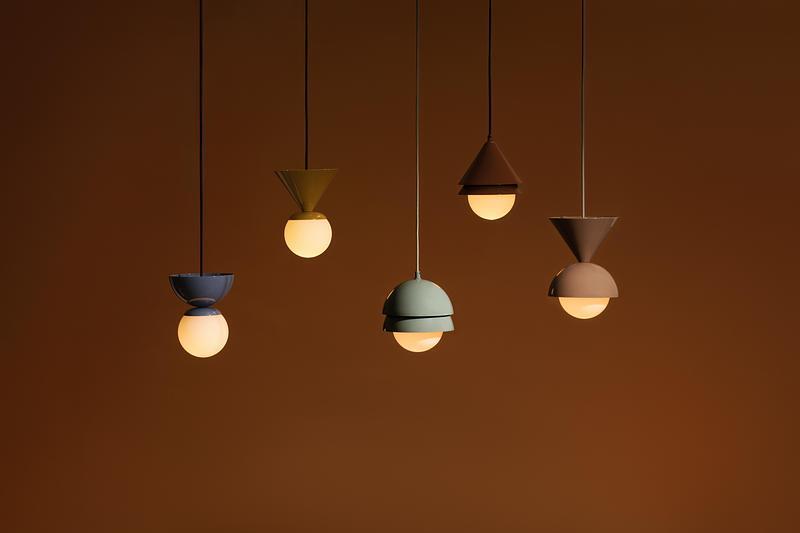
Cowansville, Canada, 2026-05-01
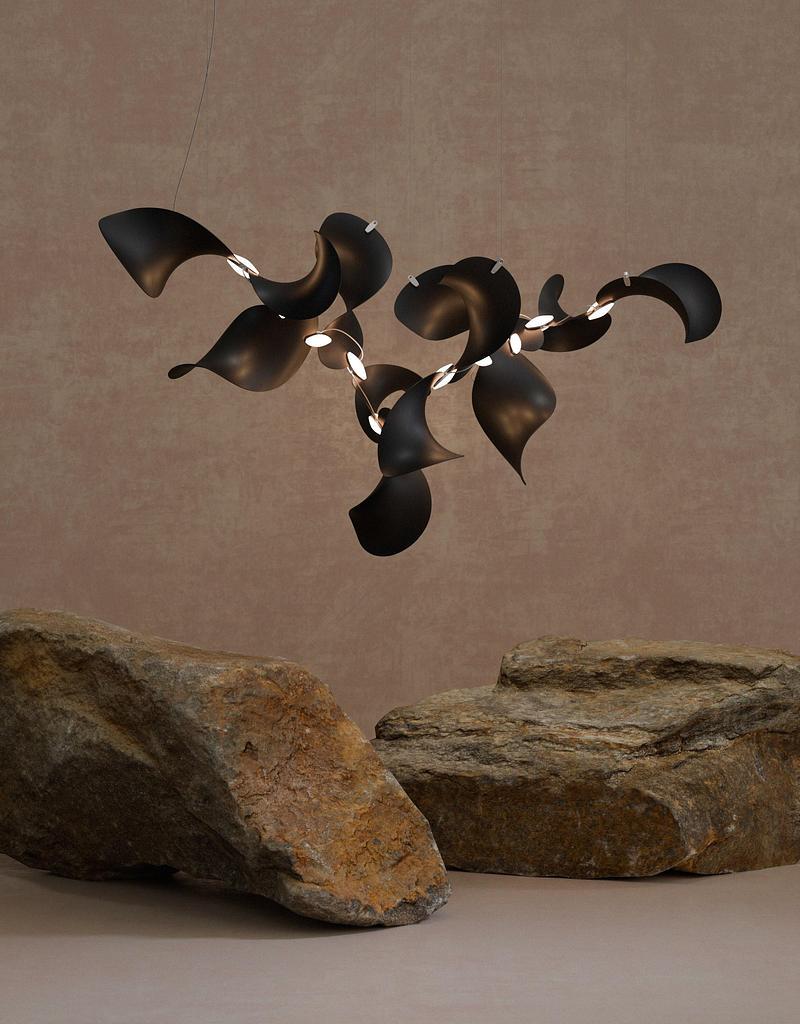
Forma Collection: A New Way to Think About Light
Luminaire Authentik
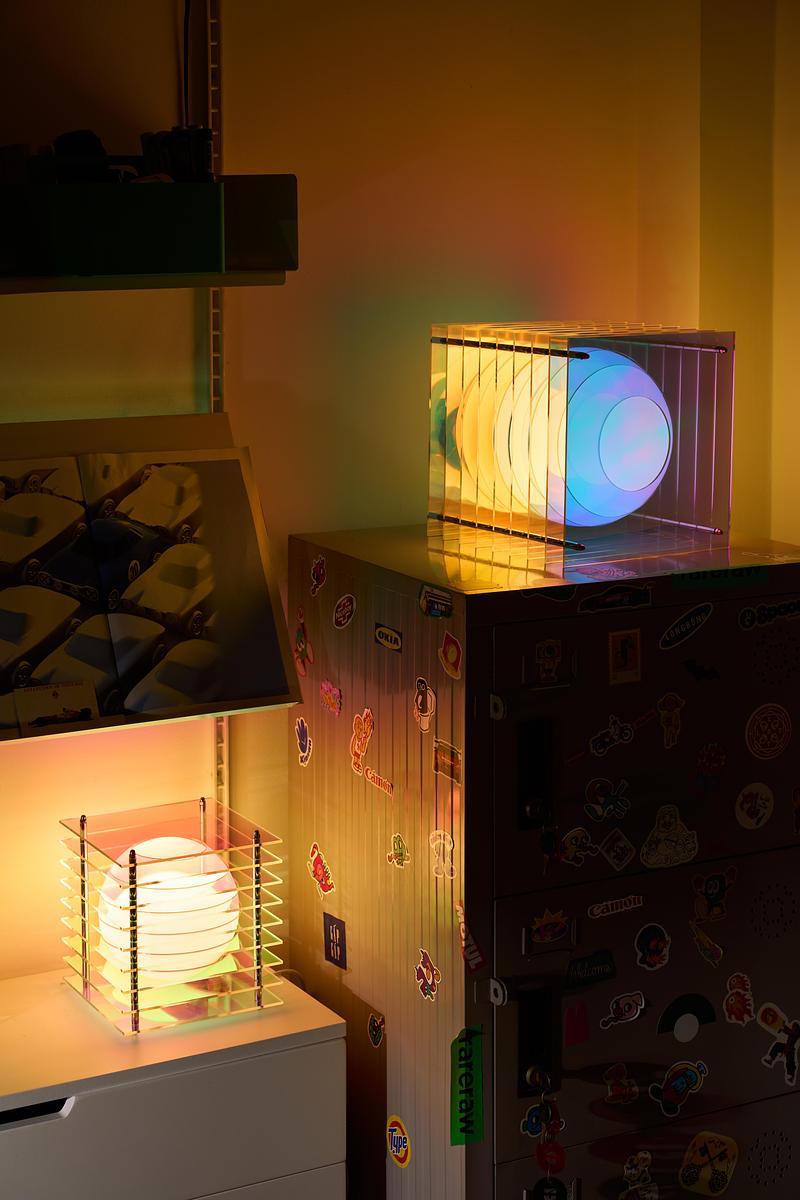
Ho Chi Minh, Vietnam, 2026-04-17
BằNG · Unboring Objects: shaped by materials, processes, and its workshop environment
BằNG
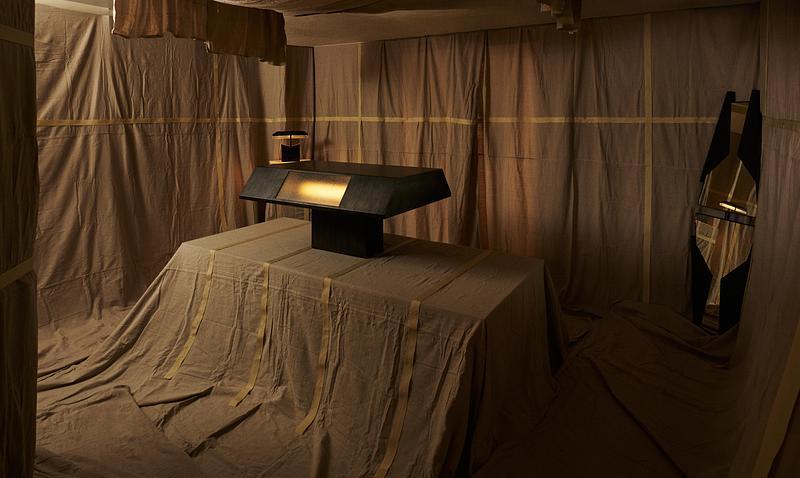
New York, United States, 2026-03-23
KAIA Presents First Collection with Pauline Leprince: Beneath the Surface
KAIA
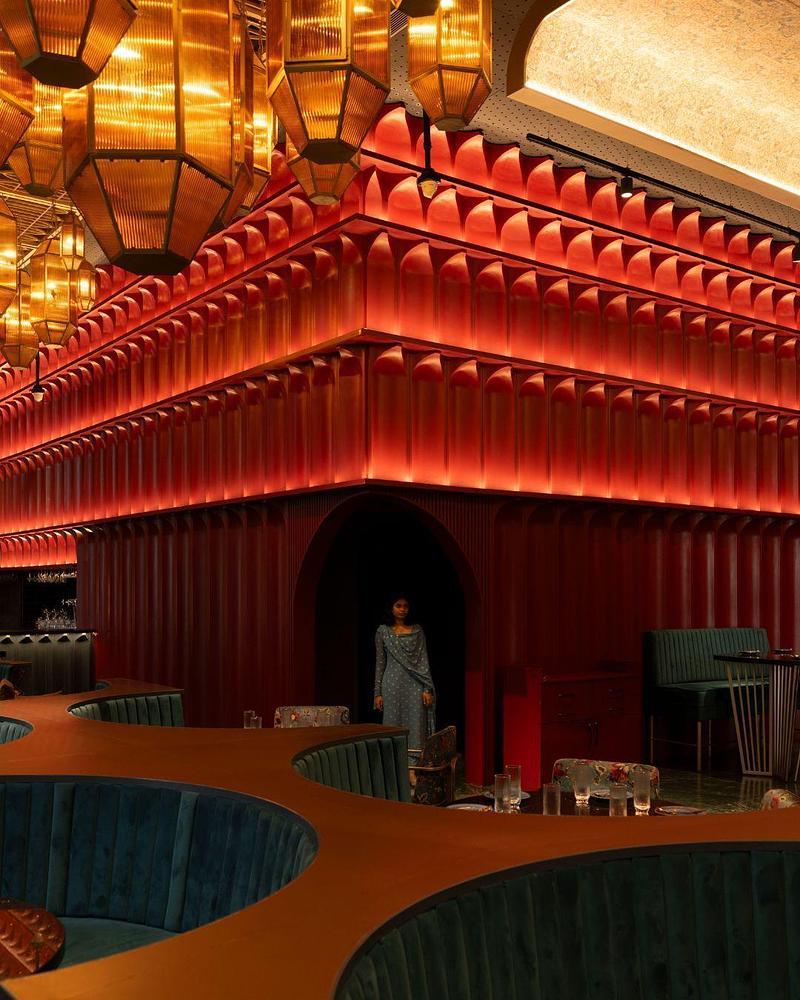
Hyderabad, India, 2026-03-16
Lighting Design by Love of Light Shapes the Interiors of Tevar Restaurant in Hyderabad
Love of Light
T'bilisi, Georgia, 2026-02-03
Award-Winning Moono Sliding Pendant Light - A New Typology of Light, by Shre Studio
SHRE Studio