Dossier de presse no. 7997-01
Journalistes! Découvrez ce projet prêt à publier. Créez gratuitement un compte média v2com pour télécharger les images haute résolution.
Créez un compte média
Dossier de presse | no. 7997-01
Communiqué seulement en anglais
Bianni Wool Paper
ARUDEKO
From textile waste to woven paper
The project was named the winner of the Textile Design category at the Dezeen Awards 2026.
Material research and development
Bianni originated from the observation of waste generated during the production of handmade wool rugs and cushions in Oaxaca, Mexico.
The residual wool fibers retain the colors obtained through traditional dyeing processes, including the use of natural dyes. These fibers become the starting point for the development of a new material without the need for an additional dyeing process.
The research focused on combining residual wool with recycled paper to produce a material that could be reintroduced into textile manufacturing.
Rather than developing a material for a predetermined product, the project focused on understanding its physical, tactile and visual properties through experimentation.
From textile to paper, from paper to textile
The manufacturing process combines two traditional craft techniques: handmade paper making and pedal loom weaving.
Residual wool fibers are incorporated into recycled paper pulp to produce handmade sheets. The distribution, color and concentration of the wool fibers determine the visual characteristics of each sheet.
Once dry, the paper is cut into strips and used as a weft material on a traditional pedal loom. Through this process, the paper acquires a woven structure, creating a material that combines characteristics of both paper and textiles.
The production method establishes a circular pathway in which waste generated through weaving is transformed into paper before being reintroduced into textile production.
Translucency and applications
During the experimentation process, translucency was identified as one of the material's visual properties.
When exposed to light, the woven paper reveals the colours and distribution of the wool fibres contained within its structure. The appearance of the material changes depending on the lighting conditions, making visible elements that are less apparent when the material is not illuminated.
This observation informed its application in lighting design. The lamp was developed as a means of exploring and demonstrating the material's interaction with light.
However, Bianni was not conceived exclusively as a lighting product. Its potential applications extend to interior design and architectural elements, including room dividers, headboards, wall installations and decorative surfaces.
Circular production and local economies
Beyond material development, Bianni explores alternative production models based on the recovery of existing resources and the integration of traditional craft techniques.
By connecting textile weaving and papermaking, the project creates opportunities for collaboration between different artisan workshops and aims to generate additional economic opportunities through the use of materials previously considered waste.
Bianni investigates how material innovation can take place within existing craft-based production systems, using traditional knowledge and available resources rather than replacing established manufacturing techniques.
The project proposes an approach to textile design in which production waste becomes a starting point for material development and is reintegrated into the process from which it originated.
Technical sheet
Official Project Name: Bianni
Location: Mexico
Textile artist: Dennise Arnaiz Torres
Collaborators: Alberto Valenzuela, Ana Solà and Nicólas Hernández
Photographer: Bianca Streich
Materials: Wool, recycled paper and cotton yarn
Uses: Interior design and architectural elements, including room dividers, headboards, wall installations and decorative surfaces.
About ARUDEKO
Founded in 2016, ARUDEKO is a Mexican textile design studio working at the intersection of traditional craftsmanship, contemporary design, and material innovation.
Our mission is to preserve and evolve ancestral textile techniques while empowering artisan communities and strengthening local economies.
Through research and experimentation, we explore the development of new materials, reimagining waste as a valuable resource and creating opportunities for circular and regenerative production.
We believe in design as a catalyst for social, economic, and environmental transformation, bridging traditional knowledge with new material possibilities.
Pour plus d’informations
Contact média
- ARUDEKO
- Cecilia Ramírez, Content Creator
- hola@arudeko.com
- 7717121575
Pièces jointes
Termes et conditions
Pour diffusion immédiate
La mention des crédits photo est obligatoire. Merci d’inclure la source v2com lorsque possible et il est toujours apprécié de recevoir les versions PDF de vos articles.
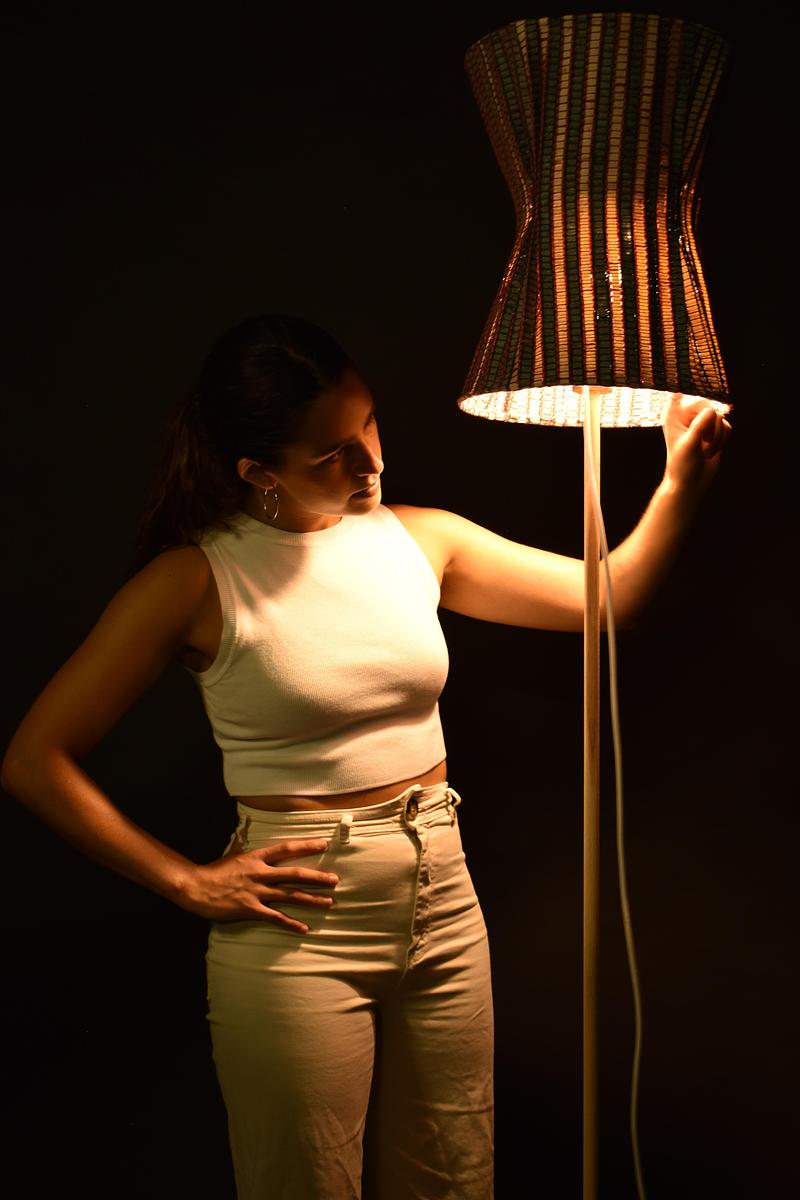
Image très haute résolution : 13.33 x 20.0 @ 300dpi ~ 5,2 Mo
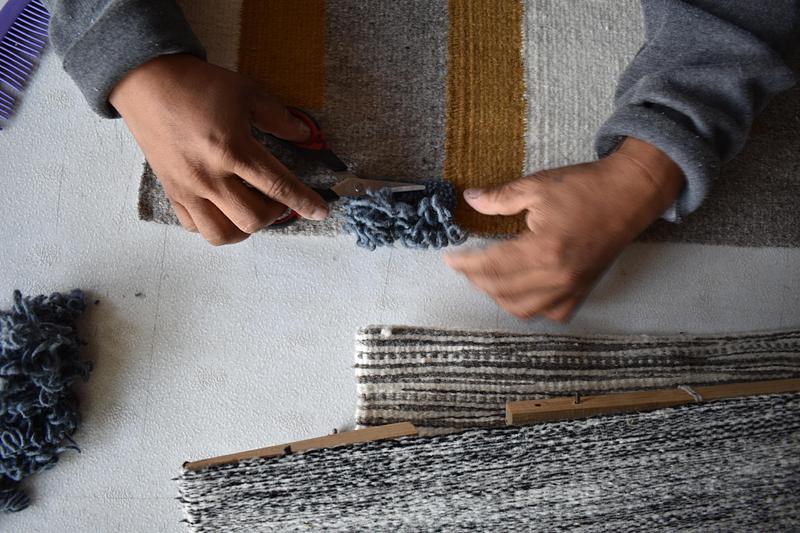
Image très haute résolution : 20.0 x 13.33 @ 300dpi ~ 7,4 Mo
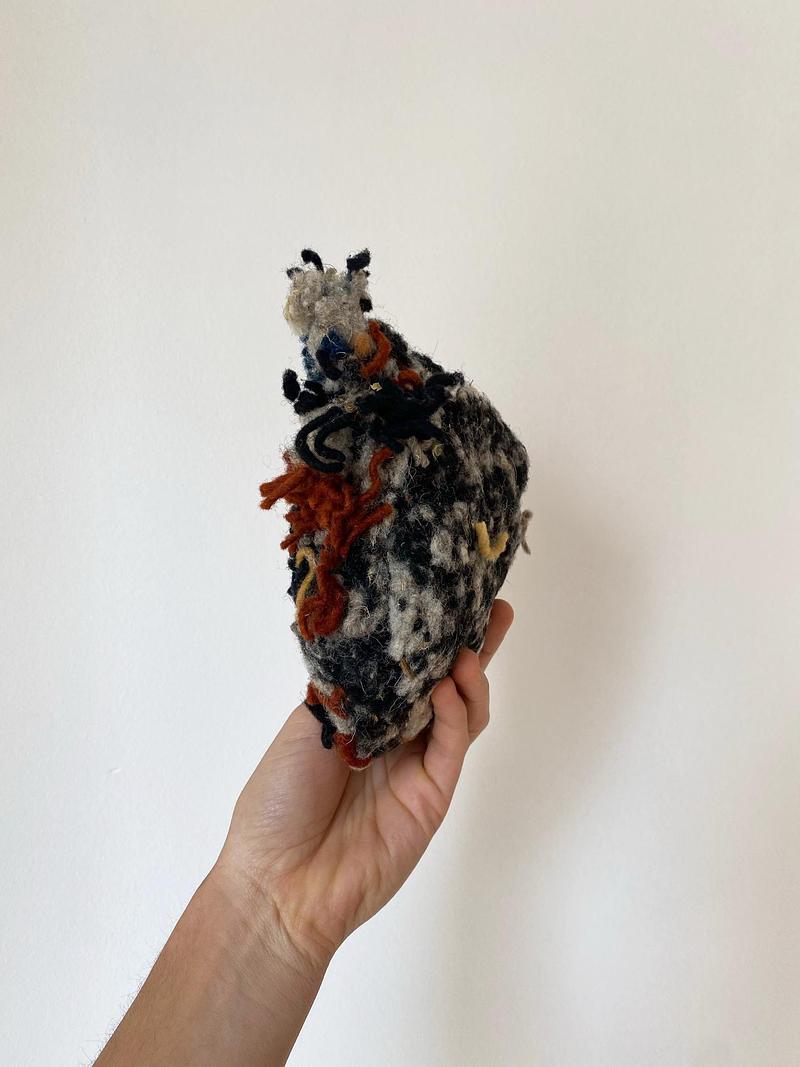
Image moyenne résolution : 5.12 x 6.83 @ 300dpi ~ 820 ko
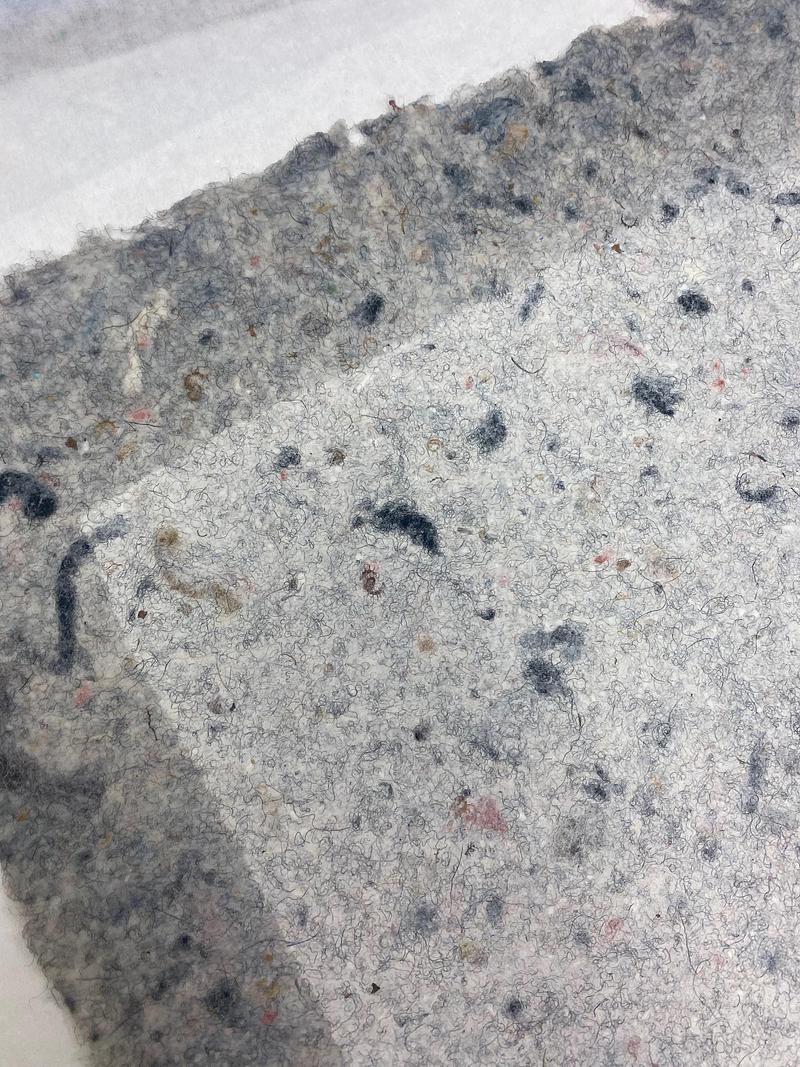
Image moyenne résolution : 6.67 x 8.89 @ 300dpi ~ 3,7 Mo
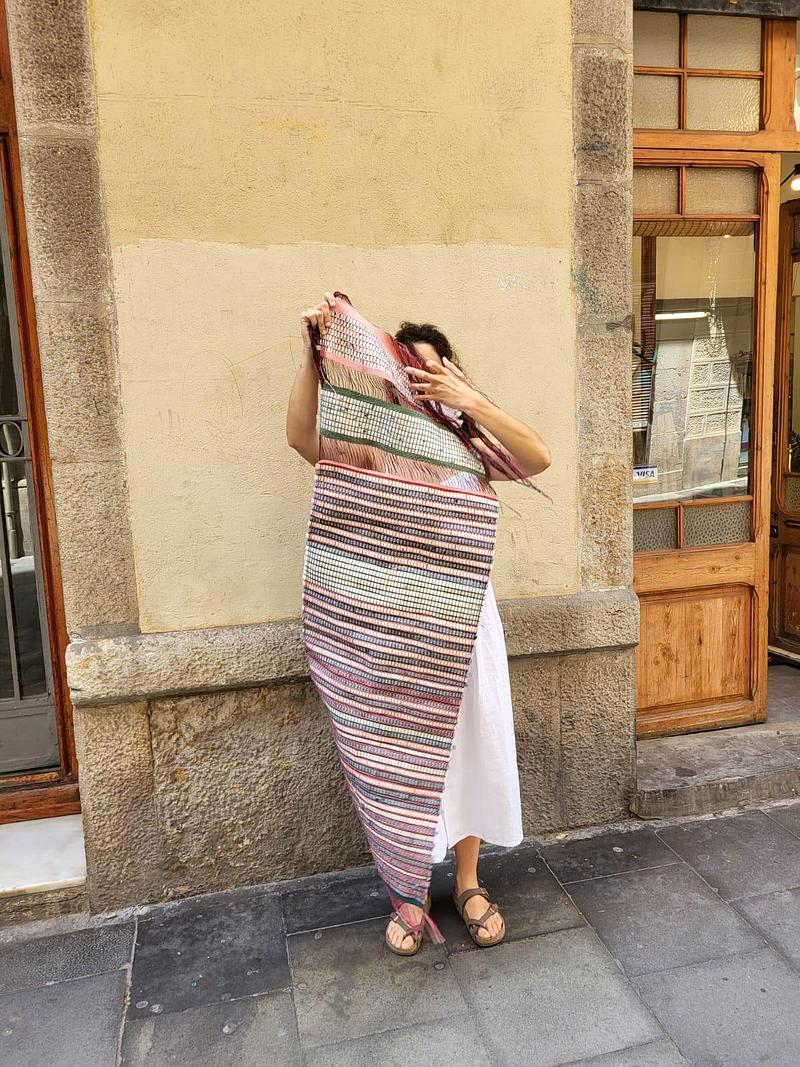
Image moyenne résolution : 4.0 x 5.33 @ 300dpi ~ 360 ko
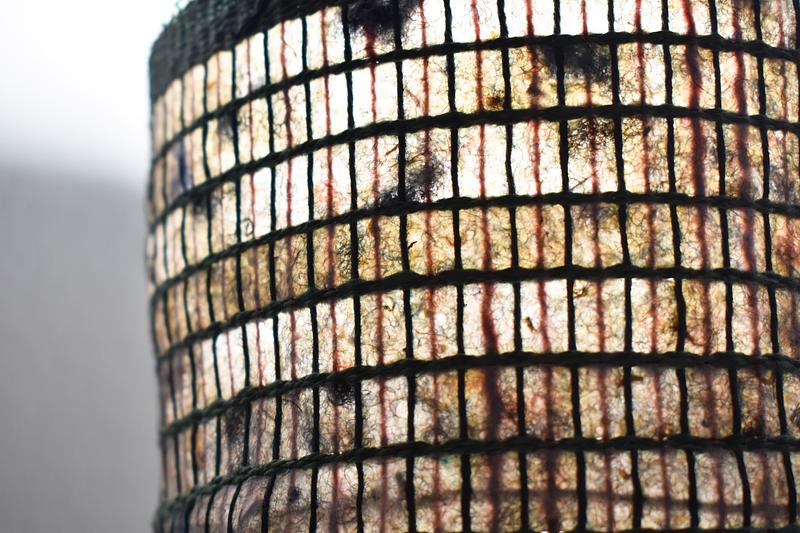
Image haute résolution : 16.69 x 11.13 @ 300dpi ~ 8 Mo
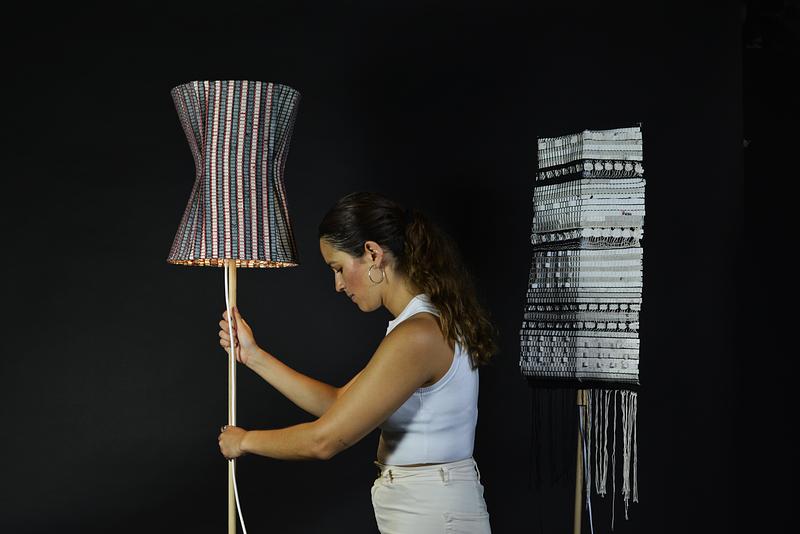
Image très haute résolution : 24.53 x 16.37 @ 300dpi ~ 8,6 Mo
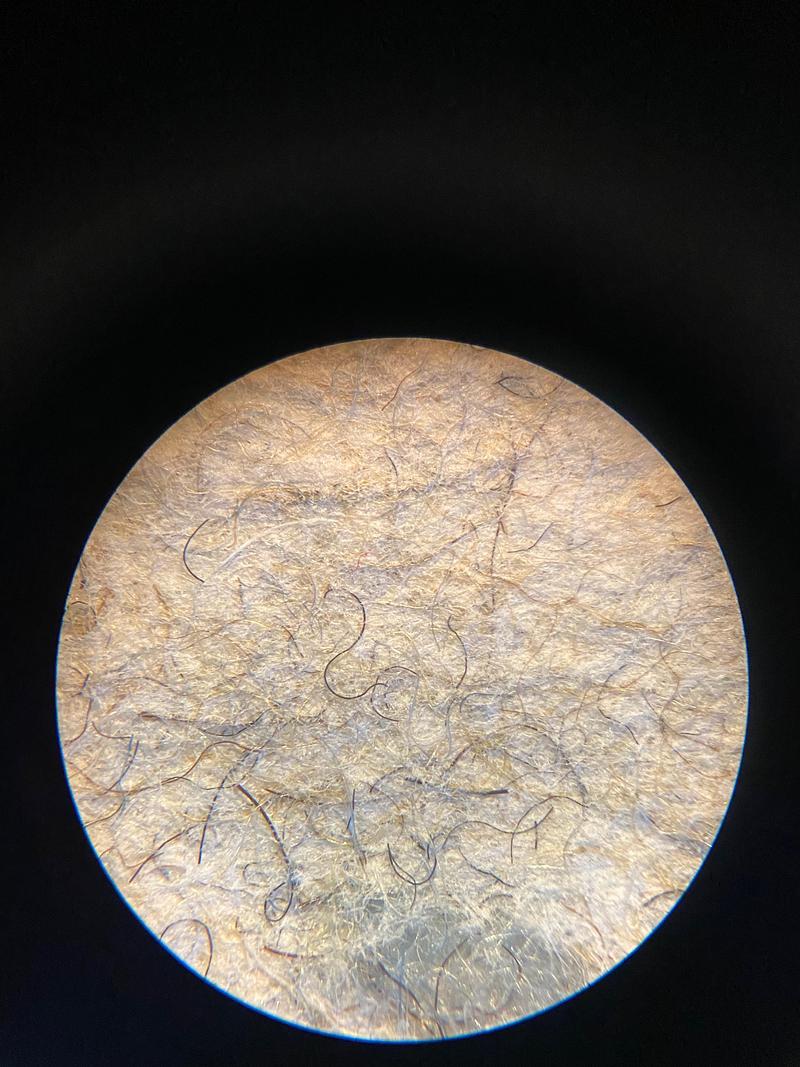
Image haute résolution : 10.08 x 13.44 @ 300dpi ~ 2,6 Mo
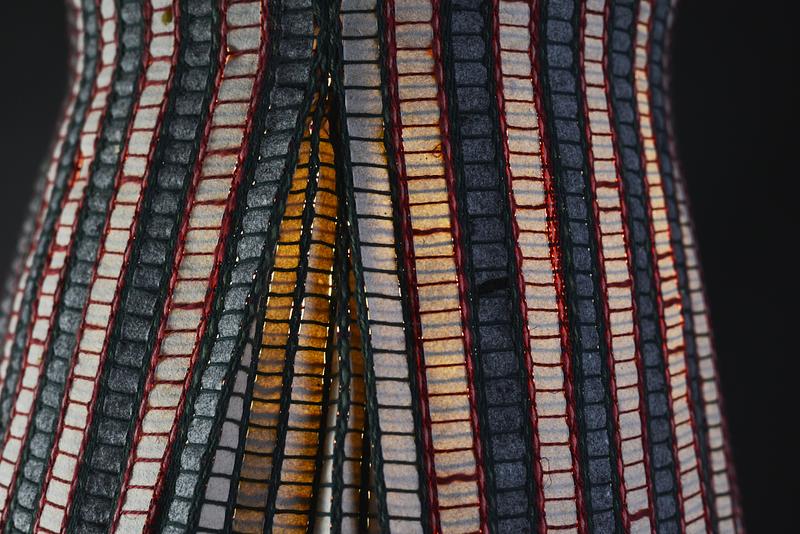
Image très haute résolution : 24.53 x 16.37 @ 300dpi ~ 14 Mo

Publicité
Vous pourriez également aimer...
Istanbul, Türkiye, 01-10-2026
ARKOBJECT : la culture artisanale d’Istanbul prend une forme contemporaine
ARKOBJECT
Amsterdam, Pays-Bas, 09-06-2026
Le musée d'art pour enfants KiMu ouvre ses portes à Amsterdam
KiMu Kinderkunstmuseum
Paris, France, 19-05-2026