Press kit no. 721-15
Journalists, explore this publication-ready project. Create a free v2com media account to download high-resolution images.
Create a media account
Press Kit | no. 721-15
900 Saint-Jacques: Between Past, Modernity, and Mobility
Chevalier Morales
A Contextually Anchored Residential Tower
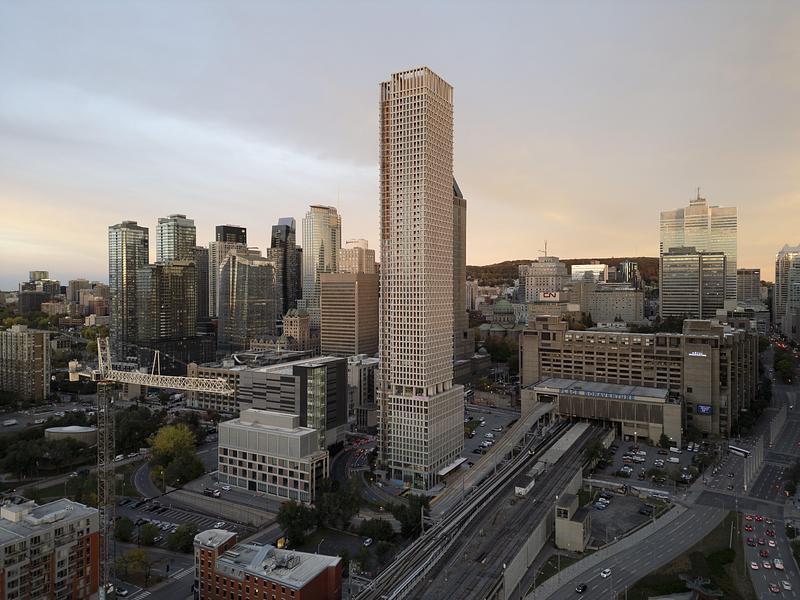
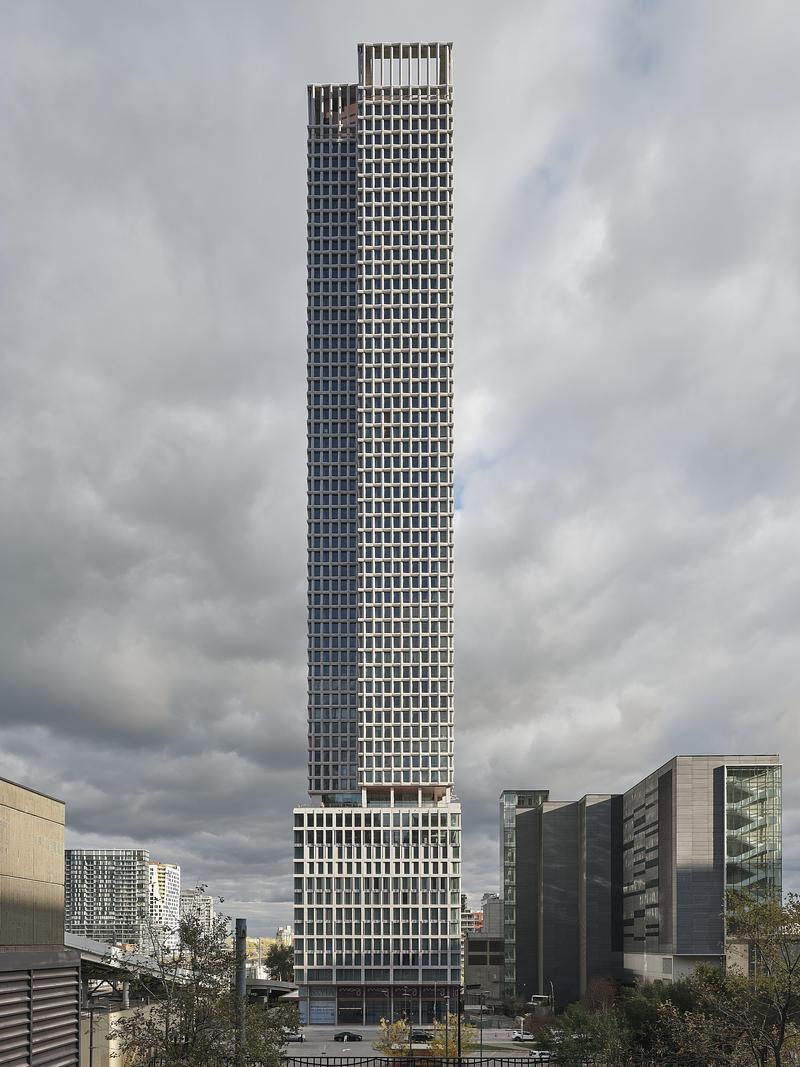
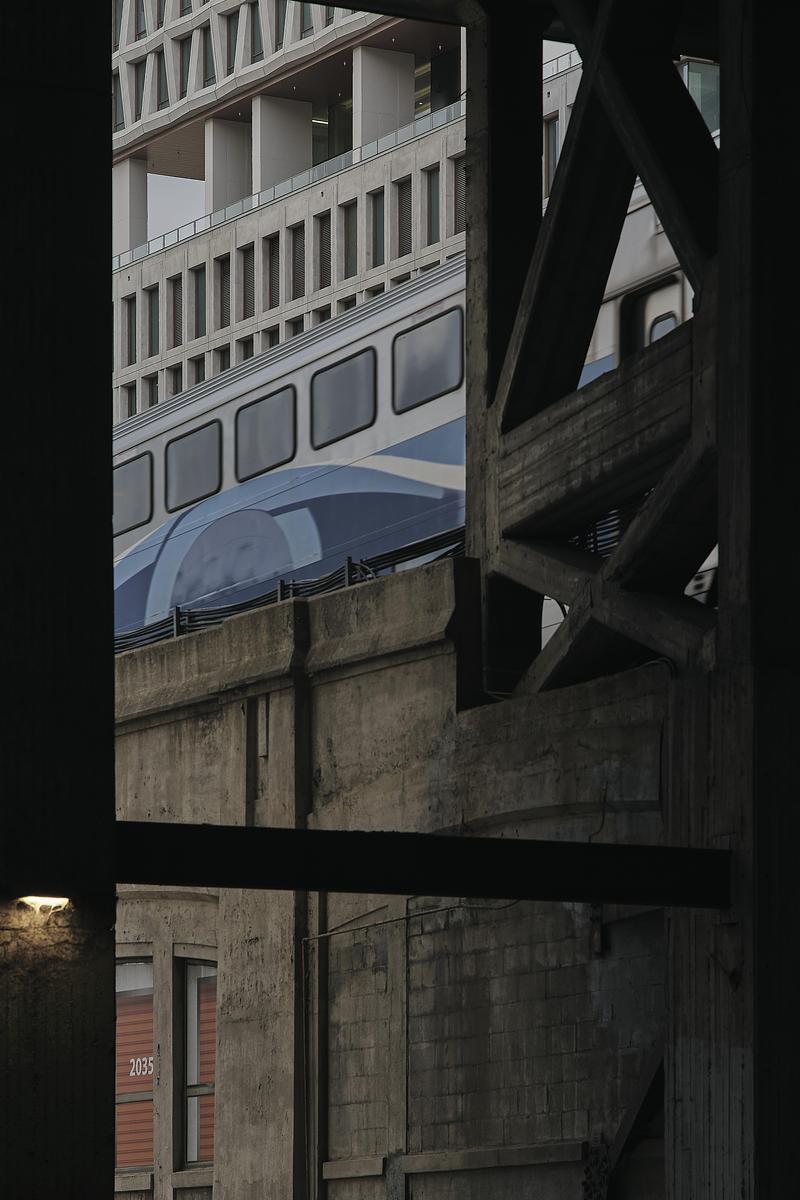
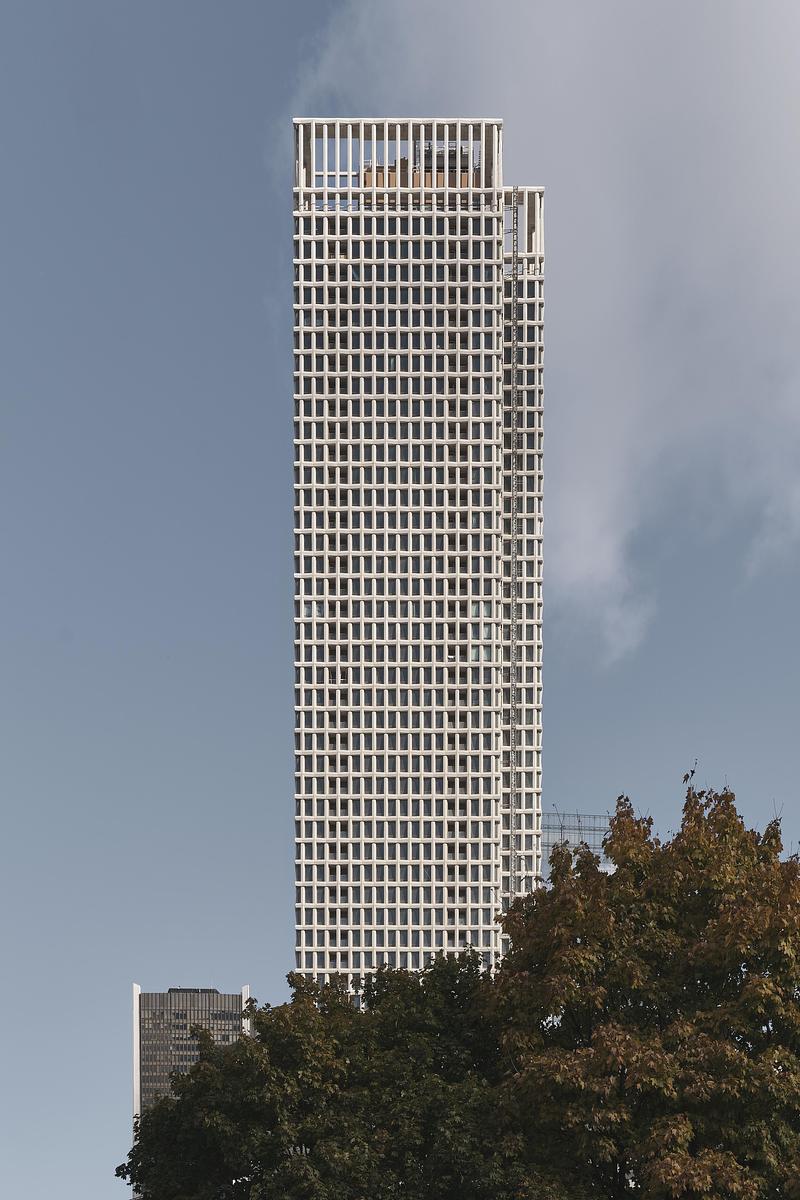
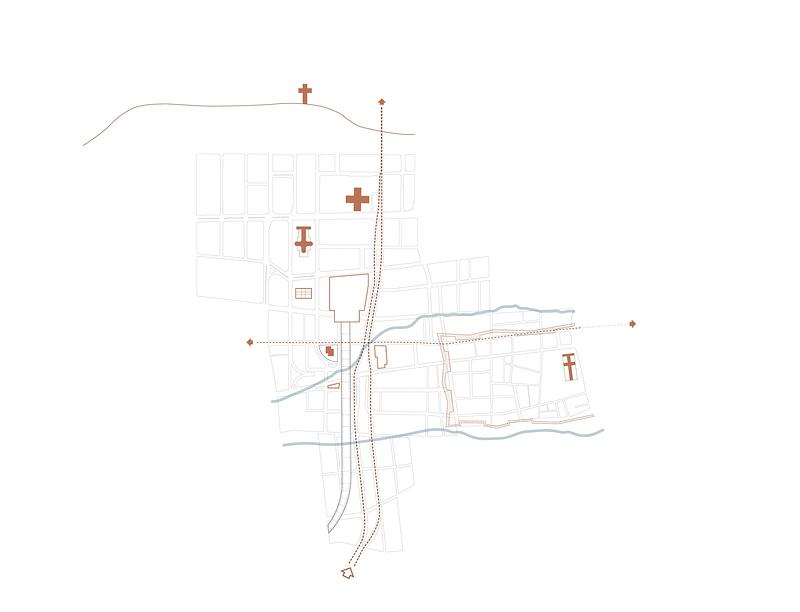
At the heart of the Quartier des Gares, the 900 Saint-Jacques tower offers a contextually sensitive response to contemporary challenges of high-density urban living. Built on a site historically perceived as residual space at the edge of the downtown core, the 63-storey tower establishes a cohesive and liveable microcosm within an infrastructural landscape shaped by rail corridors and the Ville-Marie Expressway.
The mixed-use program includes four levels of underground parking, a 12-storey Moxy hotel, approximately 700 rental residential units distributed across 48 storeys, and a series of shared amenities and social spaces. As Montreal continues to negotiate the intersection of it’s built heritage, housing pressure, and the ecological transition, 900 Saint-Jacques exemplifies how vertical residential development can engage meaningfully with the city’s past, present infrastructure, and evolving urban lifestyles.
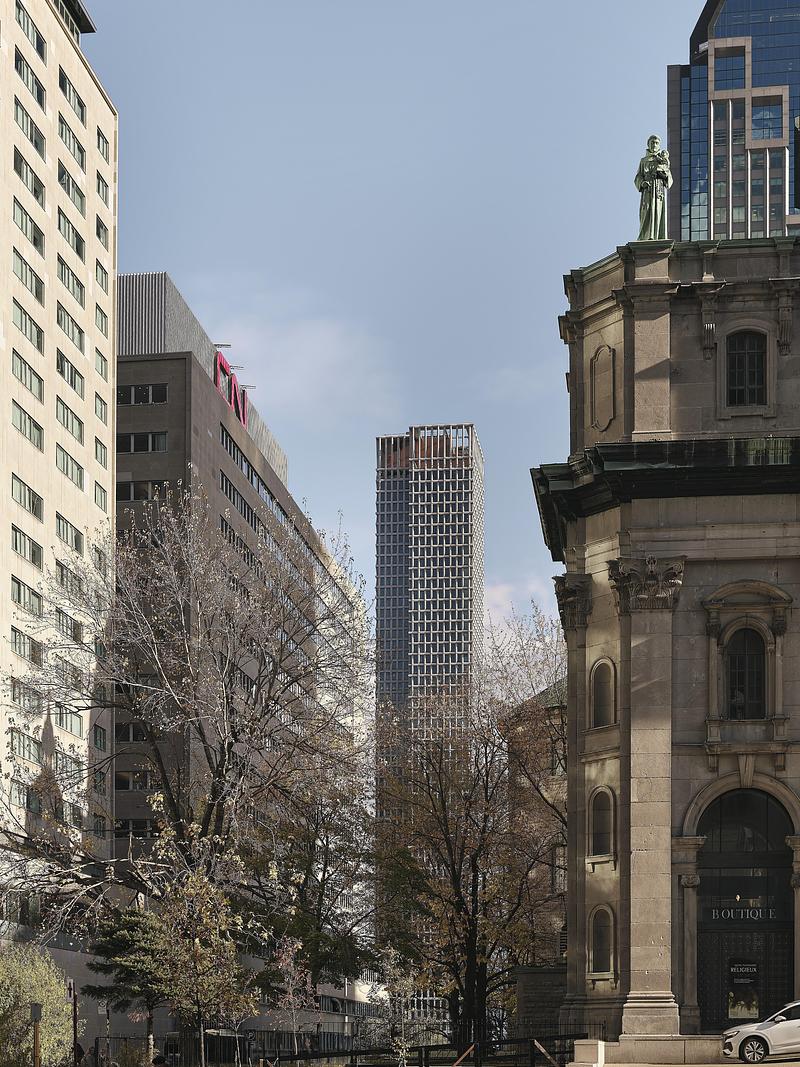
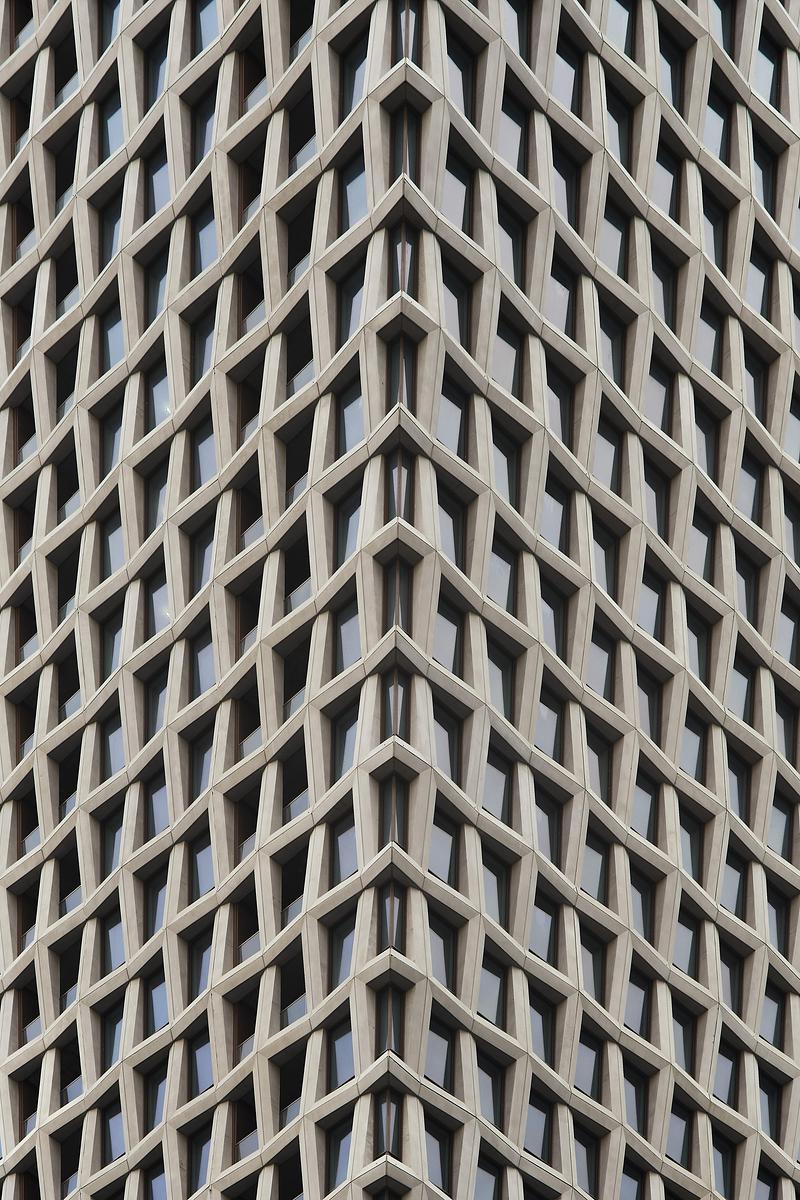
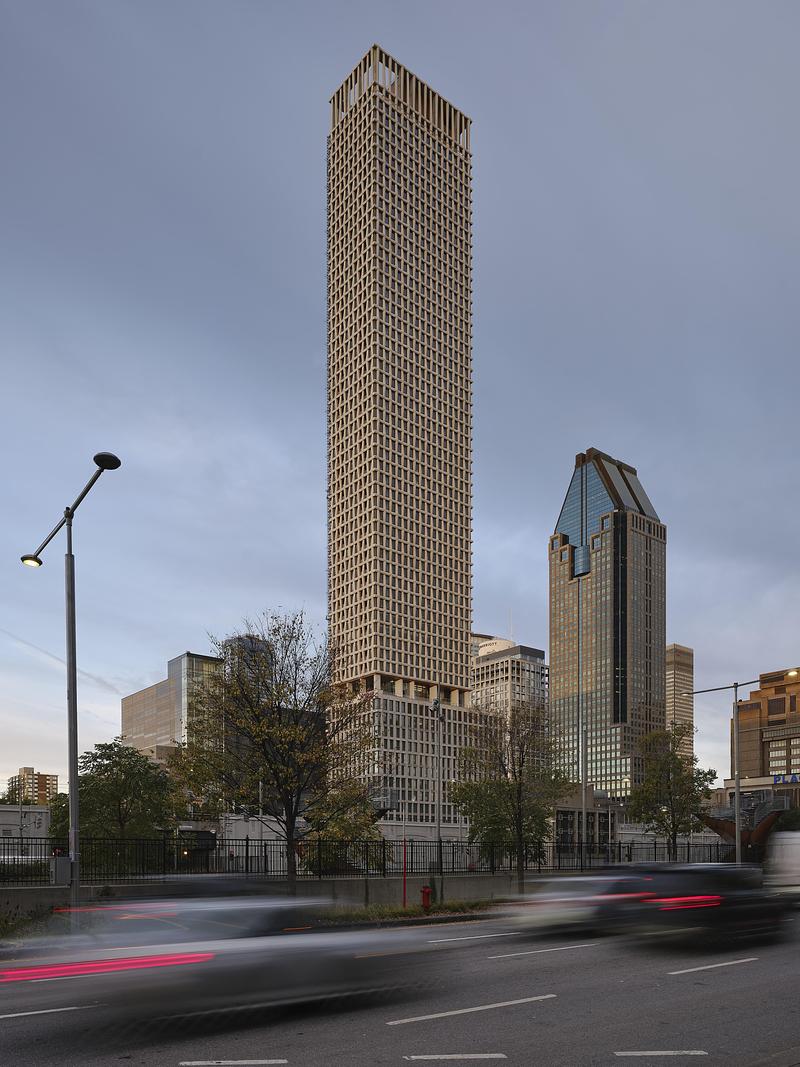
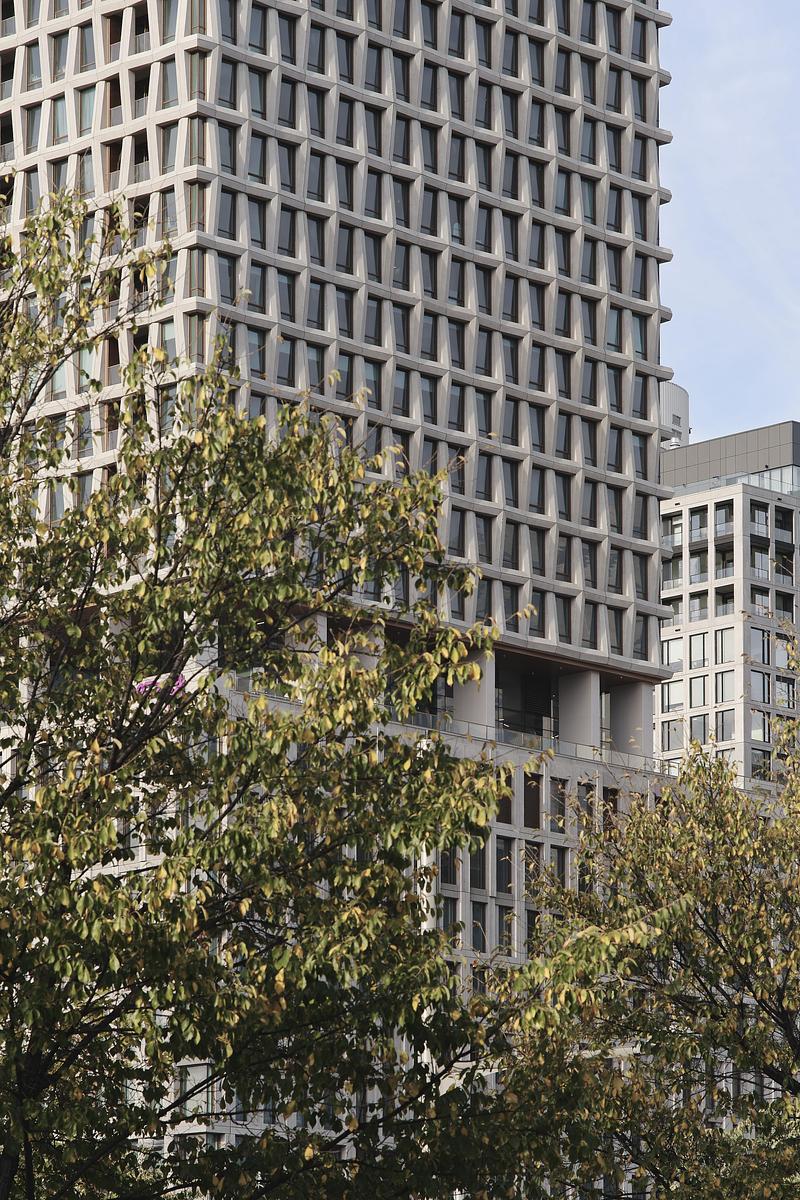
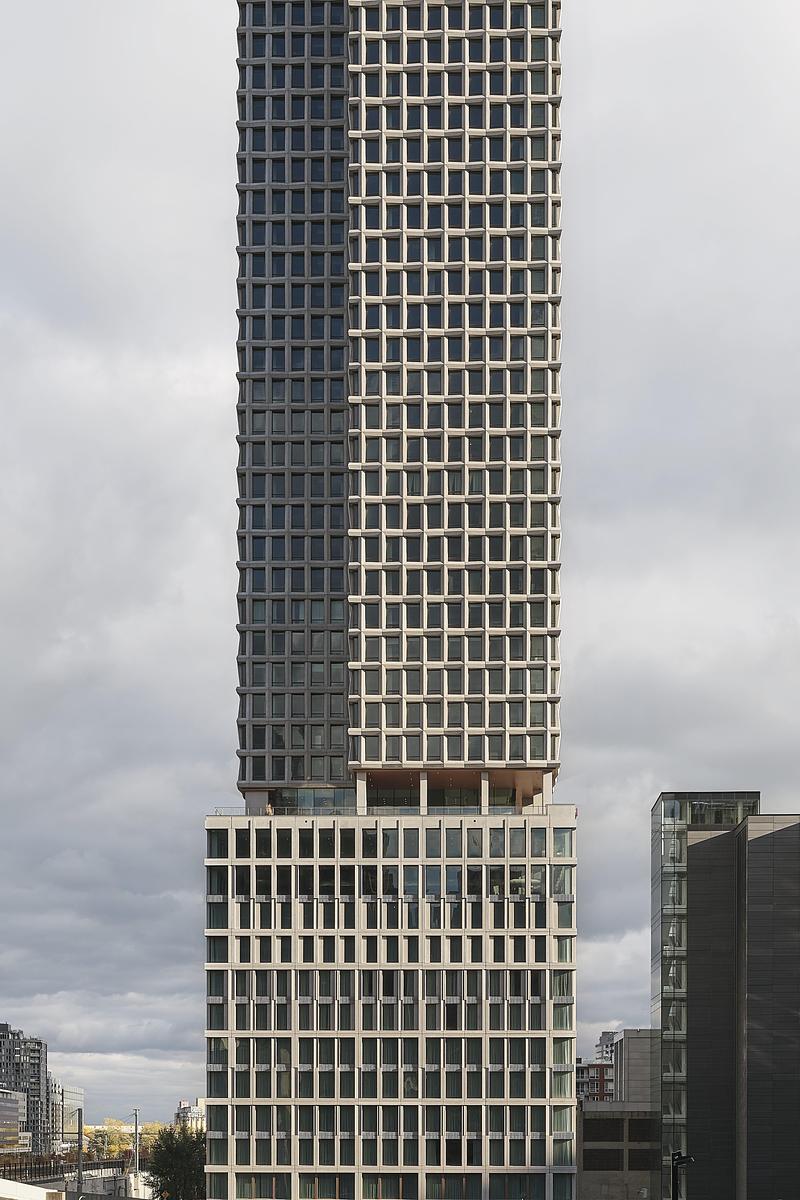
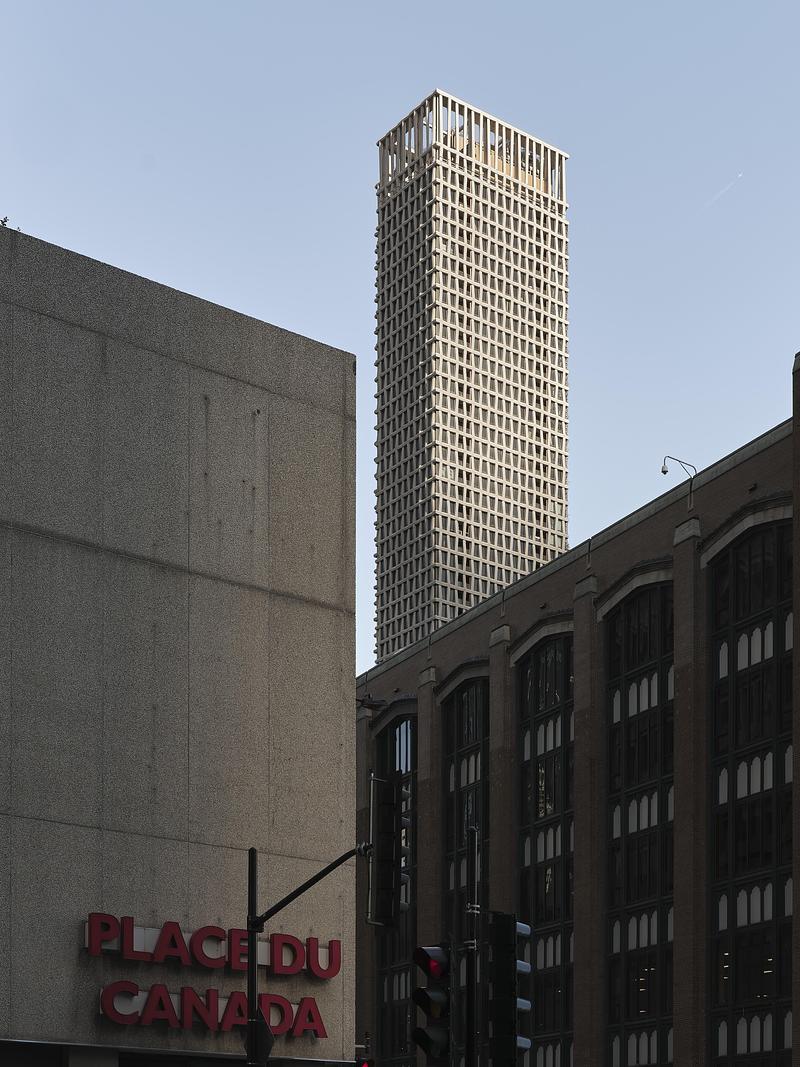
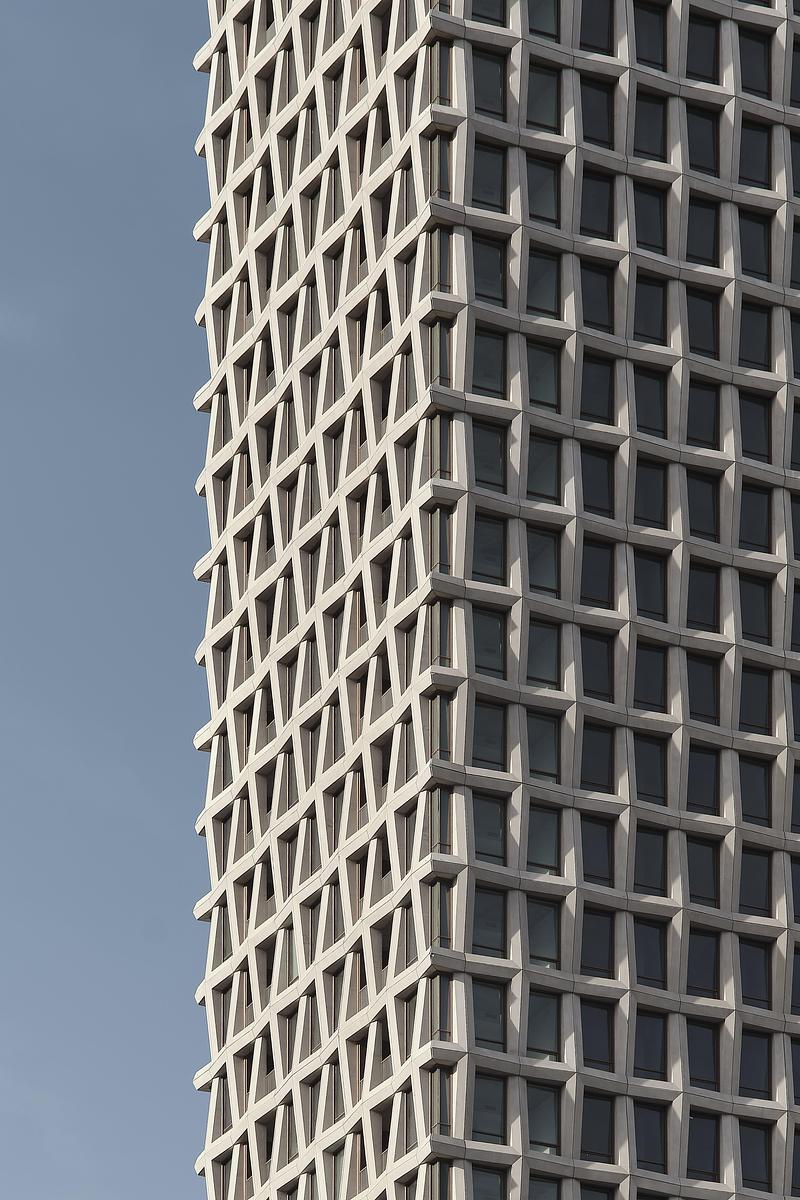
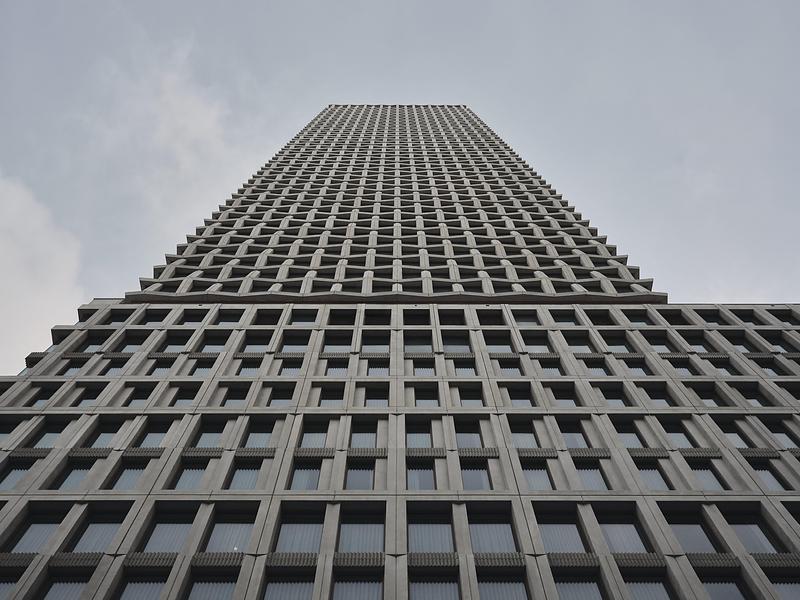
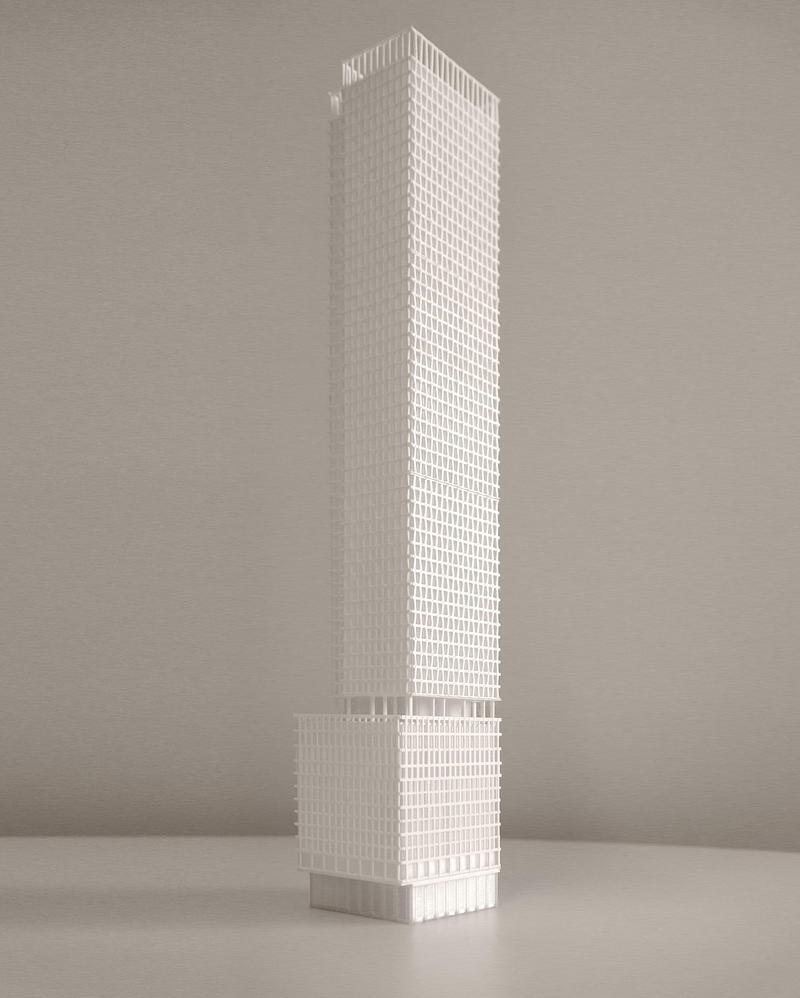
The tower’s mineral envelope reinterprets Montreal’s architectural heritage, echoing the material grain of Old Montreal, Place Ville-Marie, the Sun Life Building, and the Olympic Park, among others. Composed by a series of sculpted precast concrete panels evoking interwoven threads and cruciform patterns, emblematic of the city, the tower stands out in a skyline dominated by glass. Despite its size, the articulation of the envelope conveys a sense of lightness to the building, while solar orientation reveals variations in relief across the façade. Strategically positioned transparent volumes introduce moments of openness, revealing the social activity within and reinforcing the building’s connection to the public realm.
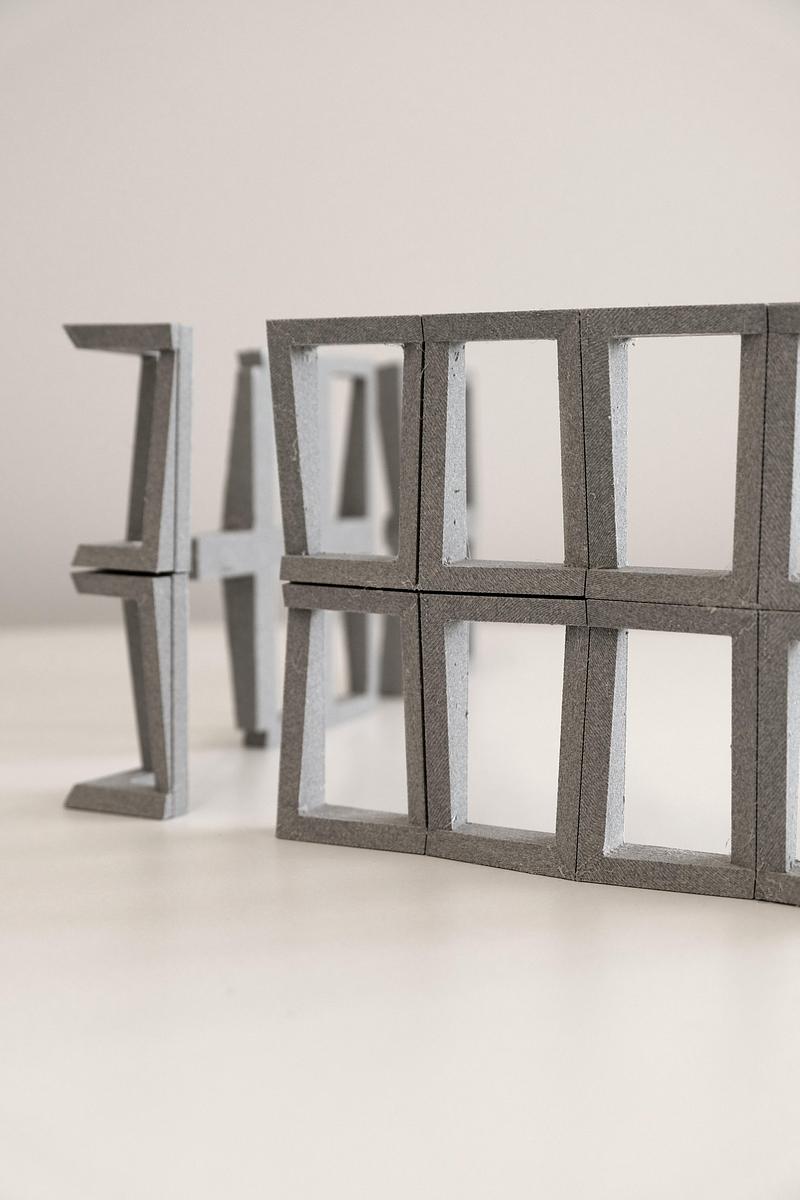
Recipient of a 2025 Canadian Architect Awards of Excellence, 900 Saint-Jacques is recognized for its architectural quality and technical mastery, particularly in its innovative application of precast concrete In contrast to the predominance of glass residential towers, and the project asserts a contemporary identity in dialogue with Montreal’s mineral material culture. The envelope is generated through the repetition and recomposition of a limited number of prefabricated panel modules, detailed to blur the boundaries between different façade elements. The use of false joints, open corner panels, and geometries extending beyond module limits enhances a sense of continuity across the surface, producing a textile-like expression that departs from the traditional language of concrete panel construction.
The building’s massing is articulated into three distinct strata: a transparent base, a planted podium, and a crowned tower. Each layer corresponds to a different urban scale and is paired with a corresponding green space.
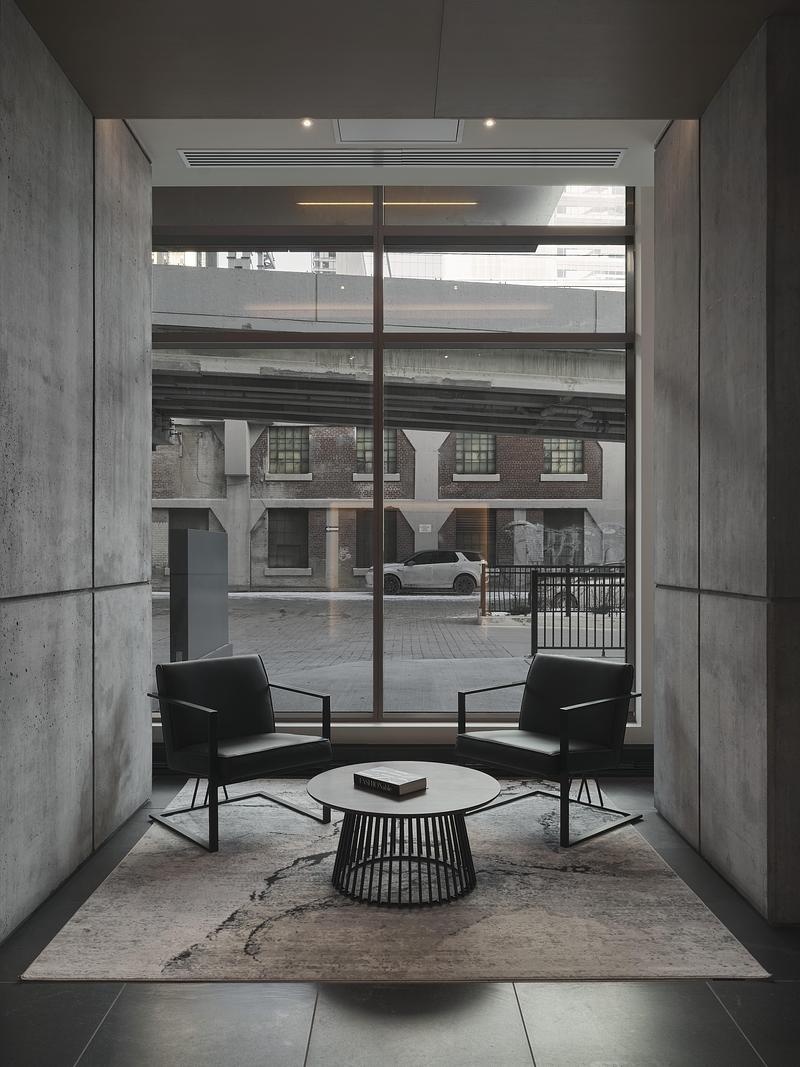
At ground level, a highly transparent envelope activates the public realm and supports a garden connected to the restaurant terrace and adjacent cycling infrastructure, contributing to the greening objectives outlined in the Quartier des Gares PPU. The podium level features textured concrete panels and landscaped terraces forming a suspended garden, establishing a perceptible transition between the street and the tower above. At the summit, a rooftop green space is framed by oversized façade openings, offering panoramic views toward Mount Royal and reinforcing the building’s vertical dialogue with Montreal’s topography.
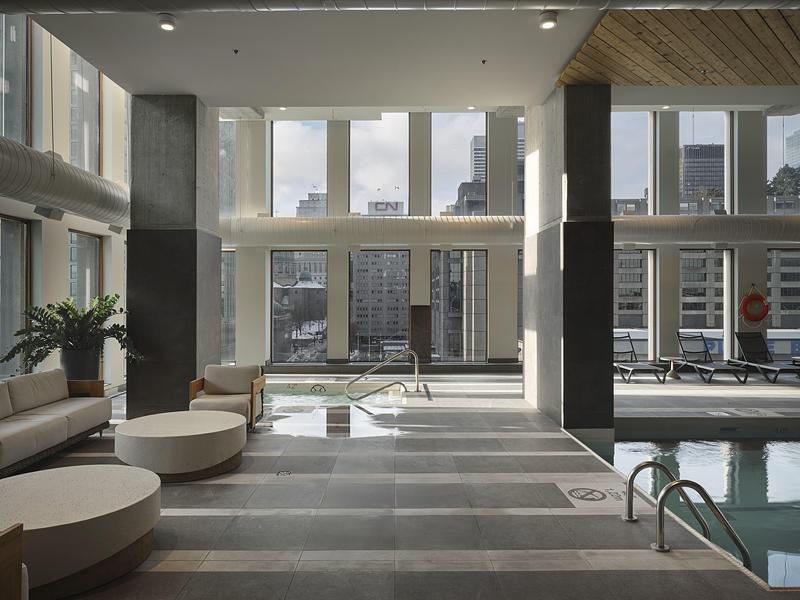
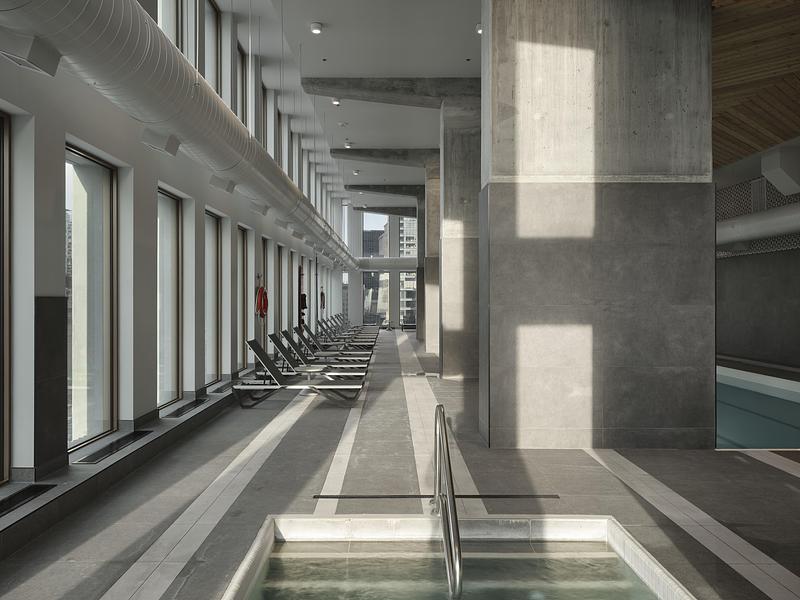
The project’s architectural and programmatic strategy places collective life at the heart of the residential concept. A generous network of shared amenities is distributed throughout the building to foster social interaction and to support a diverse range of daily activities accessible to both residents and hotel guests. Terraces, gardens, a restaurant, community spaces, a shared kitchen, coworking areas, and relaxation zones extend the residential units by offering a wide range of activities, both day and night. The extension of private areas aims to redefine vertical living as a socially connected and experience-driven form of urban living.
The project’s sustainability strategy addresses both environmental and social considerations. From an energy standpoint, the high-performance envelope, in combination with advanced electromechanical systems, exceeds baseline efficiency standards and aligns with principles found in LEED-type certification frameworks. Optimized window-to-wall ratios, the use of locally sourced materials, water-efficiency measures, and high-efficiency lighting systems collectively reduce the building’s environmental footprint. Notably, the precast concrete envelope improves winter energy performance by approximately 25% compared to a conventional glass façade.
Socially, 900 Saint-Jacques prioritizes the diversity of household types and long-term livability. The residential mix includes an enhanced proportion of family-sized units, with a significant offering of three-bedroom and flexible layouts adaptable to evolving needs. Smaller units, inspired by the principles of compact living, provide more accessible entry points to downtown housing, offset by the quality and abundance of integrated shared spaces.
Technical sheet
Project name: 900 Saint-Jacques
Location: Montréal, Québec
Client: Rimap Development
Architects: Chevalier Morales and
Brian Elsden Burrows, Architect - Le Groupe Architex
Interior Design: DesignAgency, Hager Design
Engineering: NCK, BPA
Photography: Maxime Brouillet
About Chevalier Morales
Chevalier Morales is a Montreal-based architecture and design firm founded in 2005, operating on both provincial and national levels. The firm embraces a contemporary vision of architecture that carries social and environmental responsibility, while ensuring a profound connection to the surrounding context. Chevalier Morales has a diverse portfolio that primarily focuses on culture, higher education, workspaces, and both social and private housing.
With a talented team of approximately fifty collaborators, Chevalier Morales undertakes an average of forty projects annually, united by a shared commitment to addressing the challenges of the present and shaping the built environment of the future. The firm has since established itself as a key player in the Canadian architectural landscape.
For more information
Media contact
- Chevalier Morales
- Alexis Thérien, Digital media coordinator
- presse@chevaliermorales.com
-
514 273-9277
Attachments
Terms and conditions
For immediate release
All photos must be published with proper credit. Please reference v2com as the source whenever possible. We always appreciate receiving PDF copies of your articles.
Very High-resolution image : 15.0 x 20.0 @ 300dpi ~ 8.9 MB
Very High-resolution image : 20.0 x 15.0 @ 300dpi ~ 5.1 MB
Very High-resolution image : 13.33 x 20.0 @ 300dpi ~ 4.7 MB
Very High-resolution image : 15.0 x 20.0 @ 300dpi ~ 5.1 MB
Very High-resolution image : 13.33 x 20.0 @ 300dpi ~ 5.7 MB
Very High-resolution image : 13.33 x 20.0 @ 300dpi ~ 3.8 MB
Very High-resolution image : 15.0 x 20.0 @ 300dpi ~ 6.9 MB
Very High-resolution image : 15.0 x 20.0 @ 300dpi ~ 4.4 MB
Very High-resolution image : 13.33 x 20.0 @ 300dpi ~ 3.6 MB
Very High-resolution image : 13.33 x 20.0 @ 300dpi ~ 4.3 MB
Very High-resolution image : 13.33 x 20.0 @ 300dpi ~ 4.2 MB
Very High-resolution image : 15.0 x 20.0 @ 300dpi ~ 5.2 MB
Very High-resolution image : 20.0 x 15.0 @ 300dpi ~ 5.1 MB
Very High-resolution image : 20.0 x 15.0 @ 300dpi ~ 5 MB
Very High-resolution image : 20.0 x 15.0 @ 300dpi ~ 6.9 MB
Very High-resolution image : 13.87 x 20.8 @ 300dpi ~ 11 MB
Very High-resolution image : 16.67 x 20.8 @ 300dpi ~ 11 MB
Very High-resolution image : 34.0 x 26.02 @ 300dpi ~ 3.3 MB
Advertising
You may also like...
Montreal, Canada, 2025-07-09
The Strategic Evolution of Davies Ward Phillips & Vineberg's Offices
Chevalier Morales

Montreal, Canada, 2010-05-30
Exposing the Intangible: Going Beyond White Blindness
Chevalier Morales
West Bay, Cayman Islands, 2026-05-29
The Watermark Welcomes First Residents, Establishing a New Benchmark for Ultra-Prime Living in the Caribbean
The Watermark

New York, United States, 2025-11-10
Top-Selling Manhattan New Development, Sutton Tower, Wins International BLT Built Design Award
Sutton Tower
Victoria, Canada, 2025-03-31
One Bear Mountain Wins Twice at Victoria Capital Region Commercial Building Awards
One Bear Mountain

Toronto, Canada, 2024-10-29
Auberge on the Park: Toronto’s Historic Icon Reimagined with Contemporary Elegance
II BY IV DESIGN

Toronto, Canada, 2024-10-01


