Press kit no. 5118-07
Journalists, explore this publication-ready project. Create a free v2com media account to download high-resolution images.
Create a media account
Press Kit | no. 5118-07
Kehai House
HW Studio
The Architect House
The Japanese believe that the soul of a house does not lie in its walls, nor in its roof, but in the void it contains. “The void is absolutely powerful because it can contain everything,” wrote Kakuzo Okakura. It allows us to breathe, to move, to think, to live. That was, from the beginning, the deepest idea of this house: that its center would not be an object, but rather an empty present.
This is my house. The architect’s house—the one accustomed to giving form to other people’s dreams—faces here a much barer question: how to build a life that is coherent with the words one has spoken for years?
With a limited budget, the decisions were less aesthetic than vital. Every coin had to speak with clarity; every centimeter had to make sense. But beyond economic constraints, it was my long and slow path toward Zen, toward the Dharma, and toward Japan, that truly shaped it.
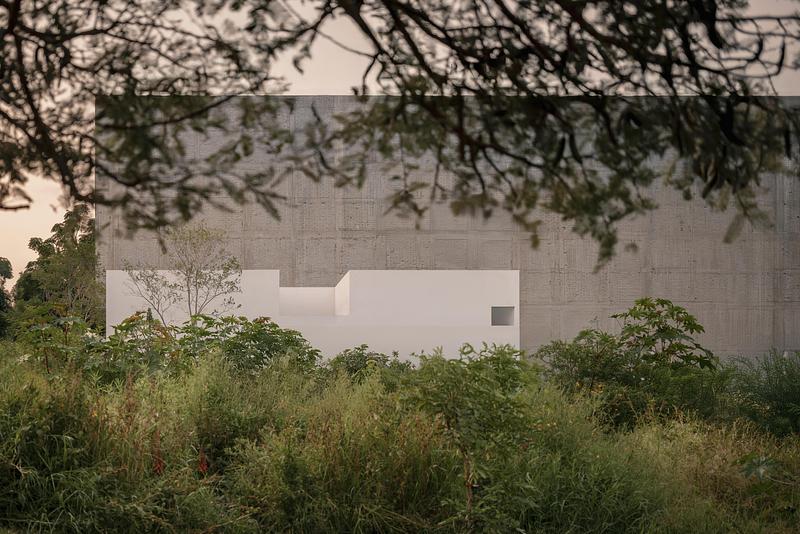
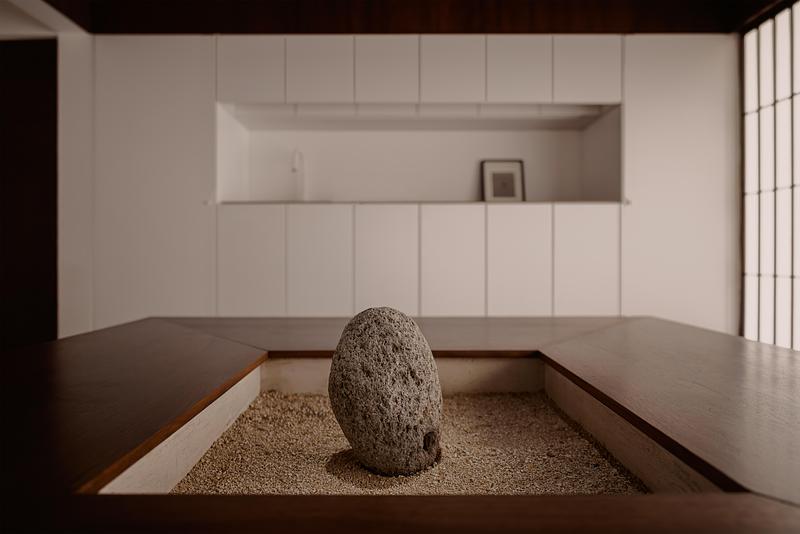
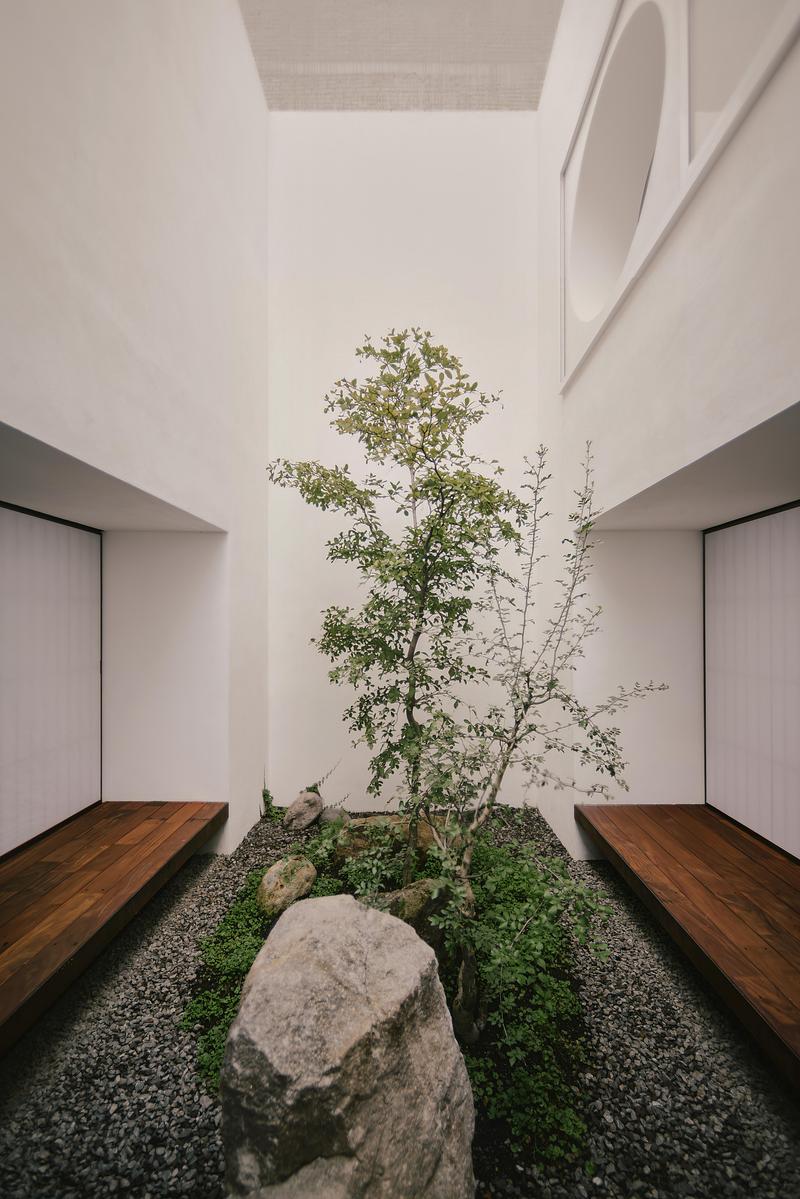
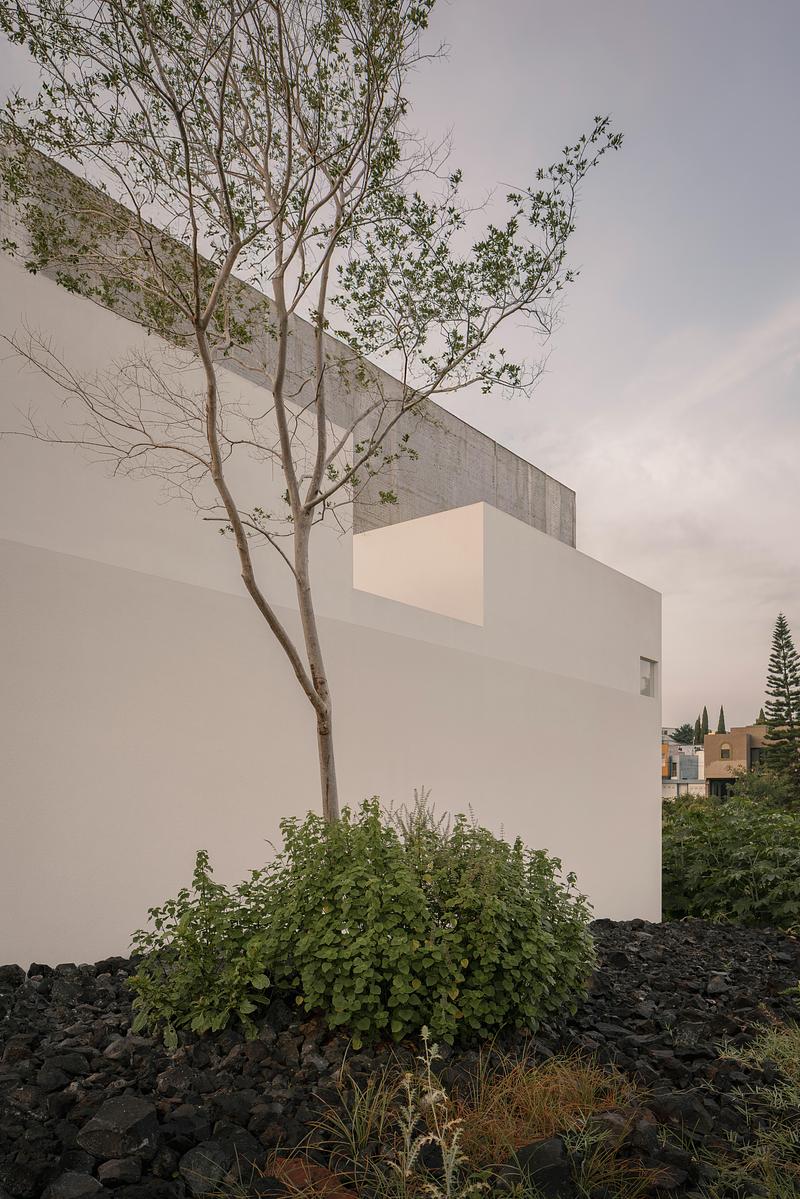
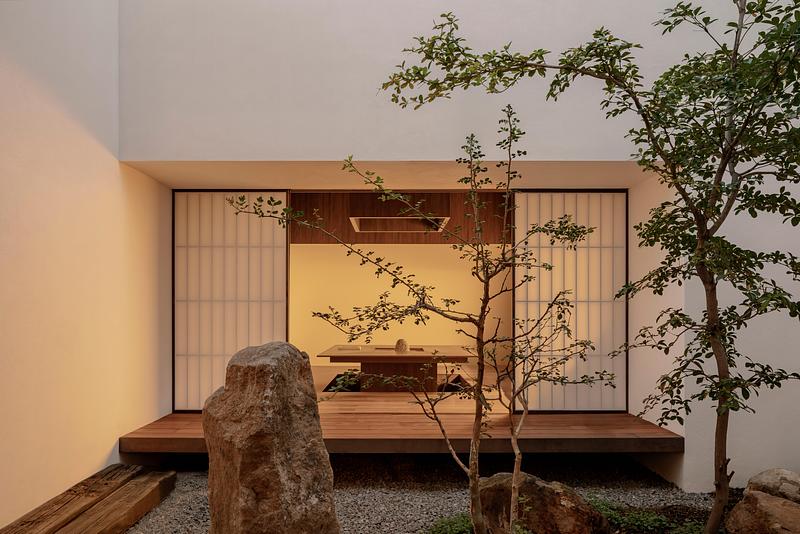
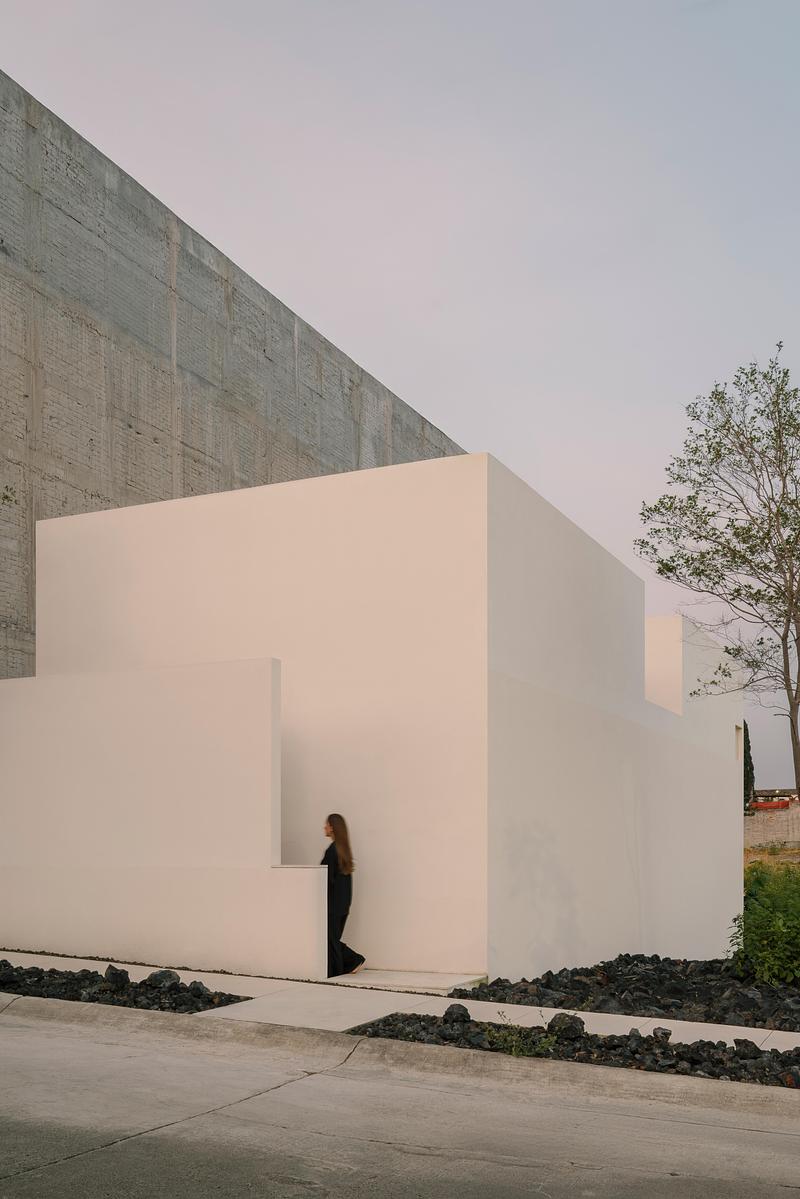
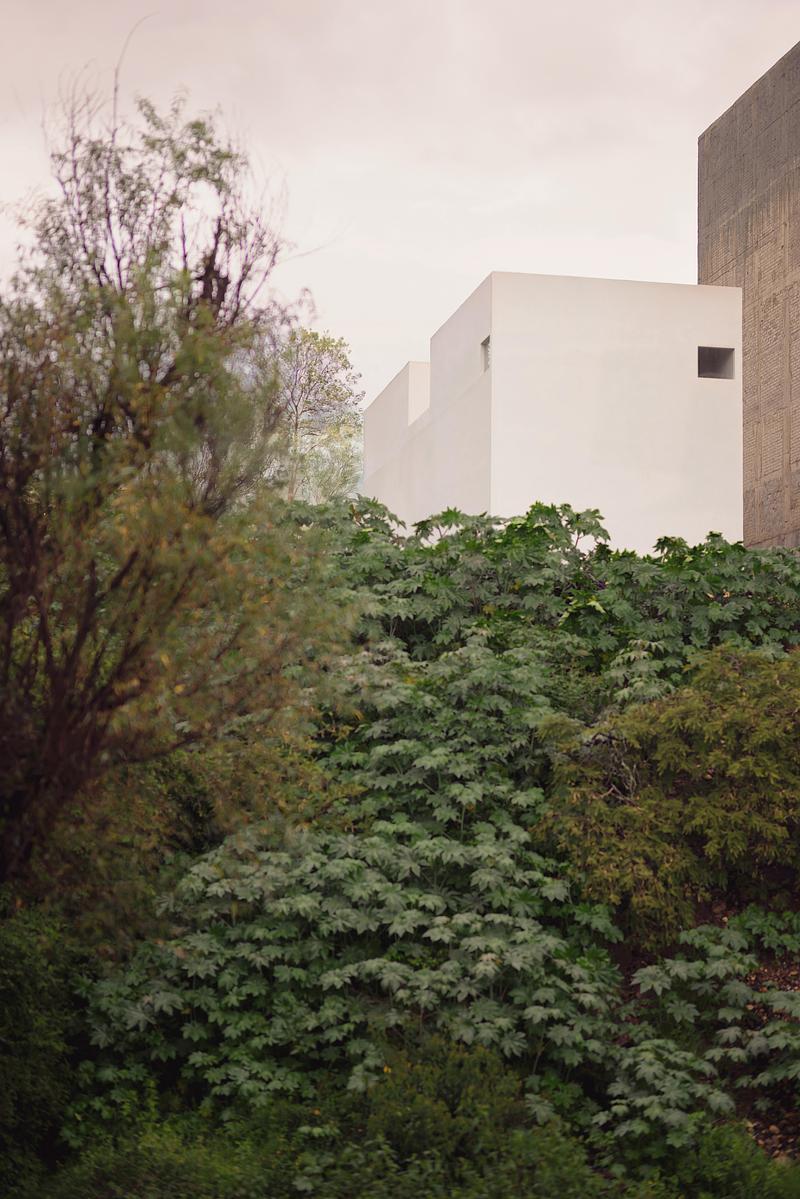
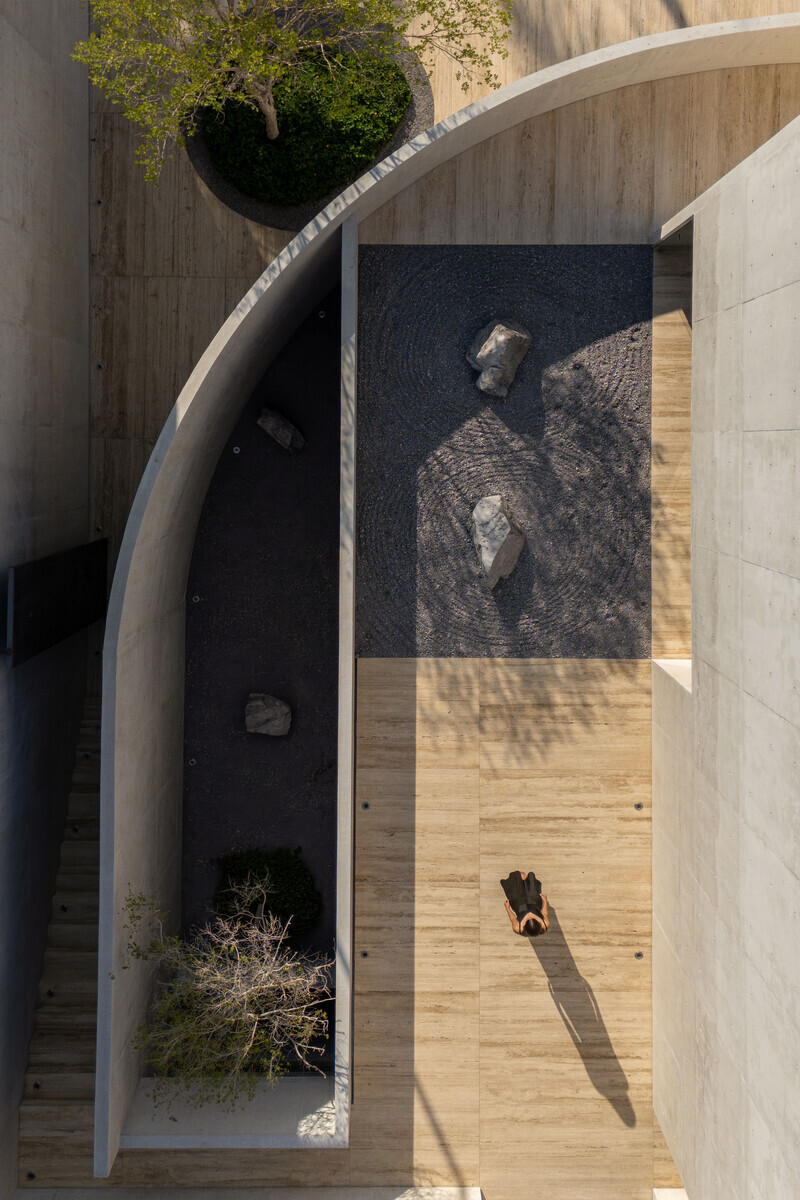
From the outside, the house seems like nothing more than a box—like the ones I’ve been making throughout my career. Quiet. Closed. Like a stone in the urban landscape. However, upon crossing the threshold, one understands that this box does not enclose, but holds. What appears hermetic actually protects something delicate: a stone garden that is not touched, but touches everything.
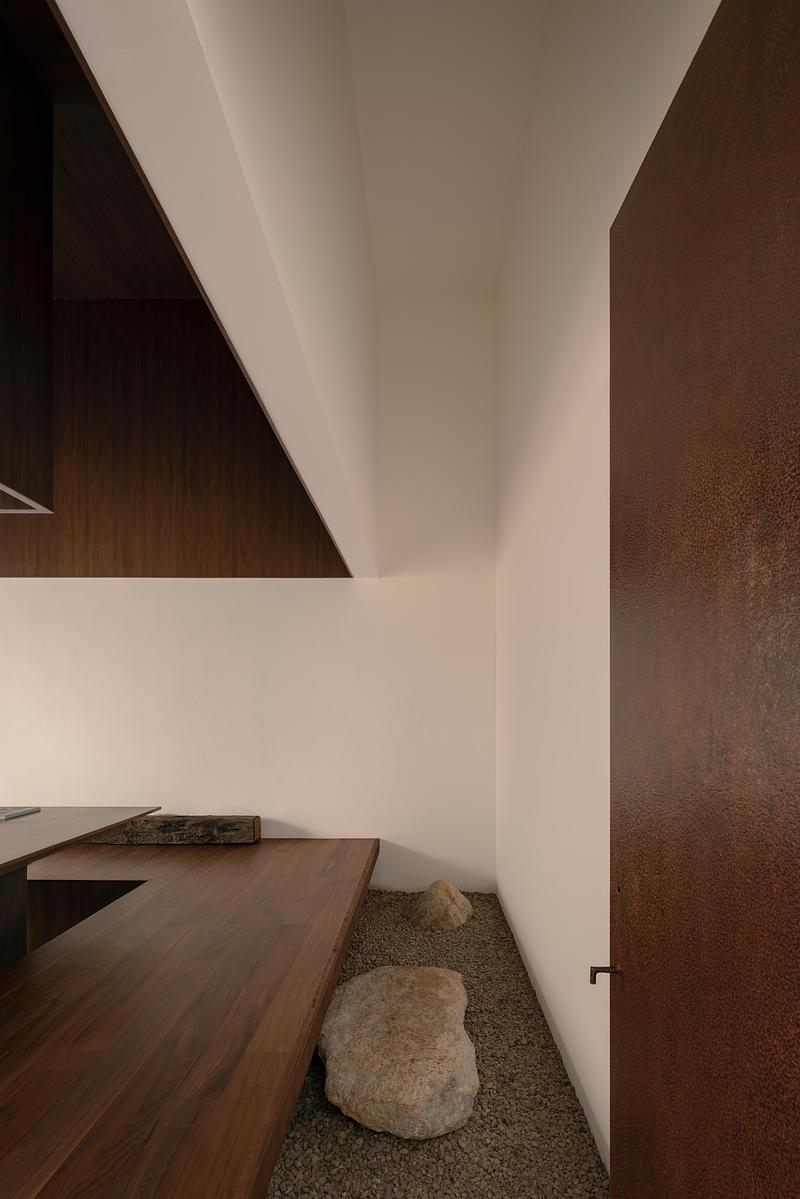
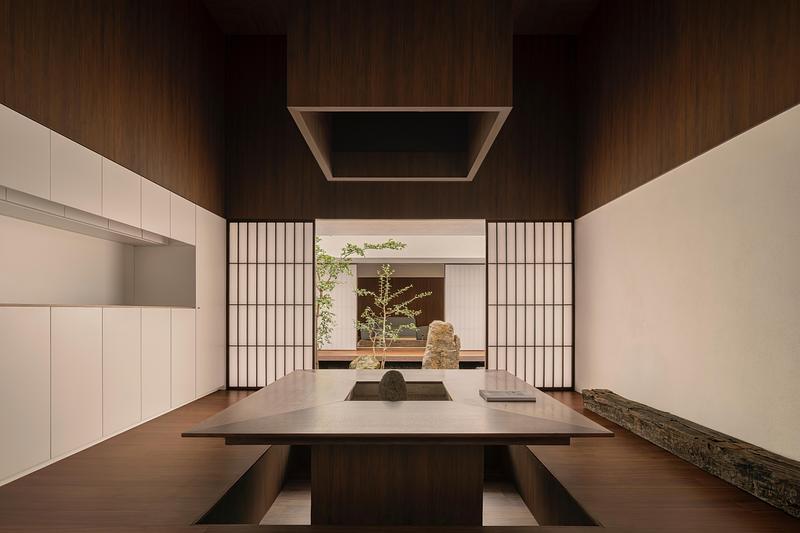
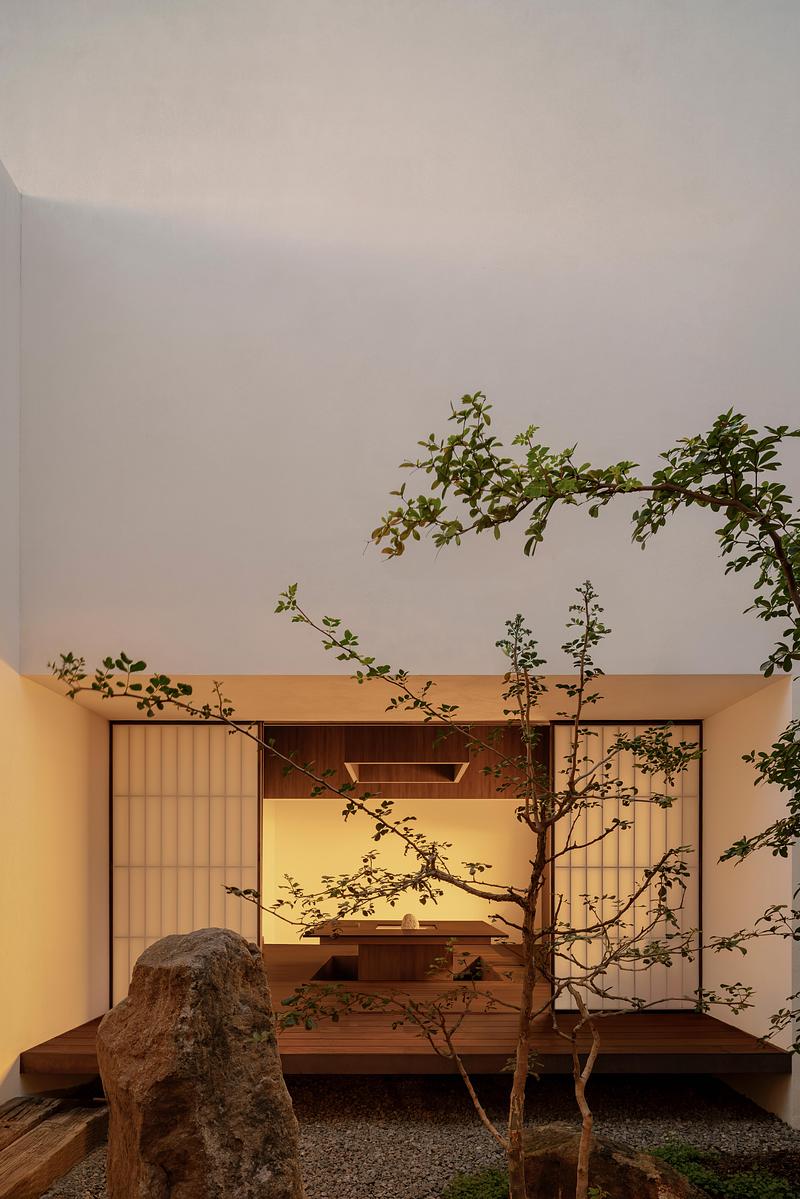
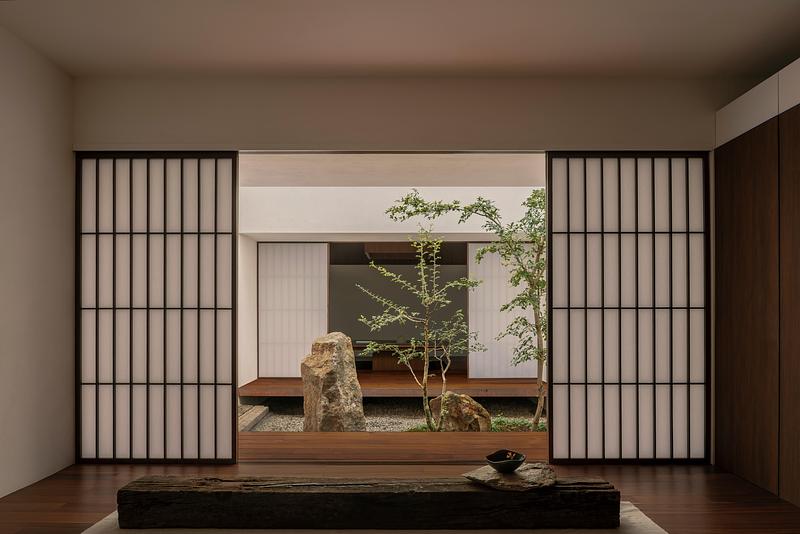
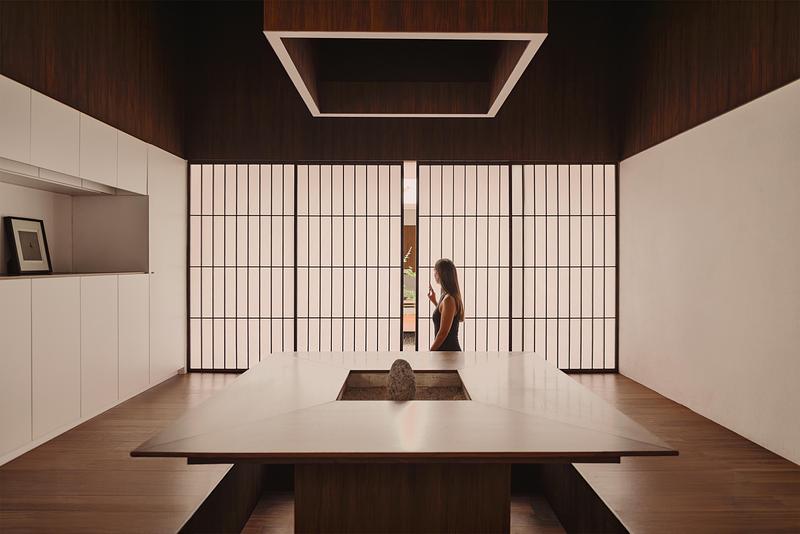
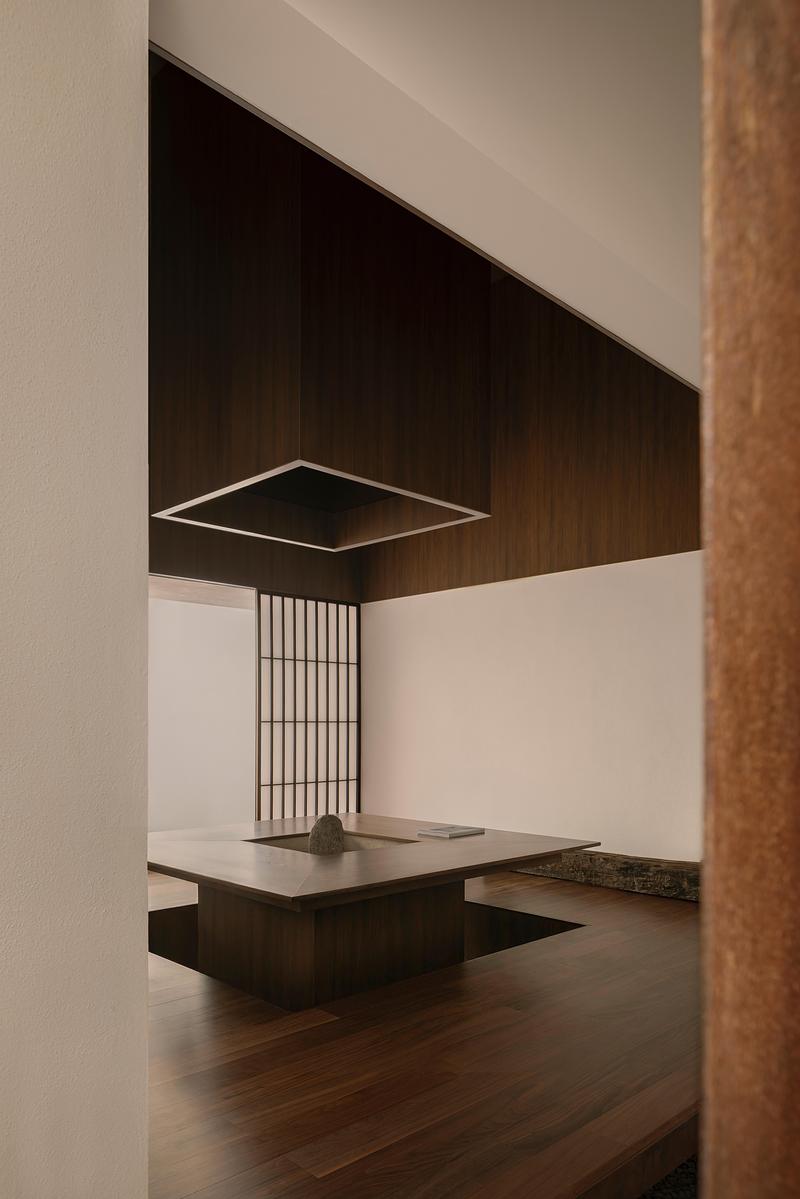
As in the temples of Kyoto, the stones are carefully arranged, not to represent something, but to evoke a sensation—perhaps even a feeling. Upon this bed of grey gravel float two wooden platforms, as in that temple. They are not floor: they are pause. Spaces for stopping, for looking, for simply being. The garden does not decorate: it organizes. It is the heart around which the spaces are ordered like satellites orbiting stillness.
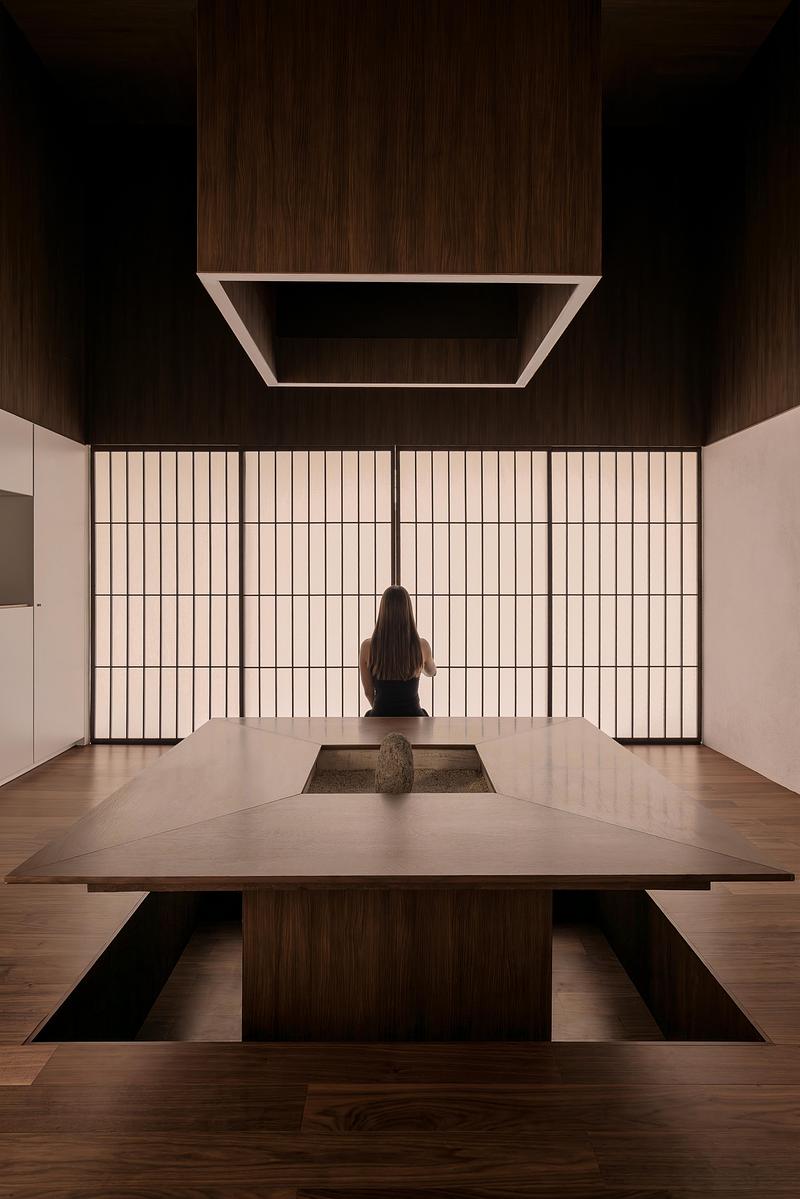
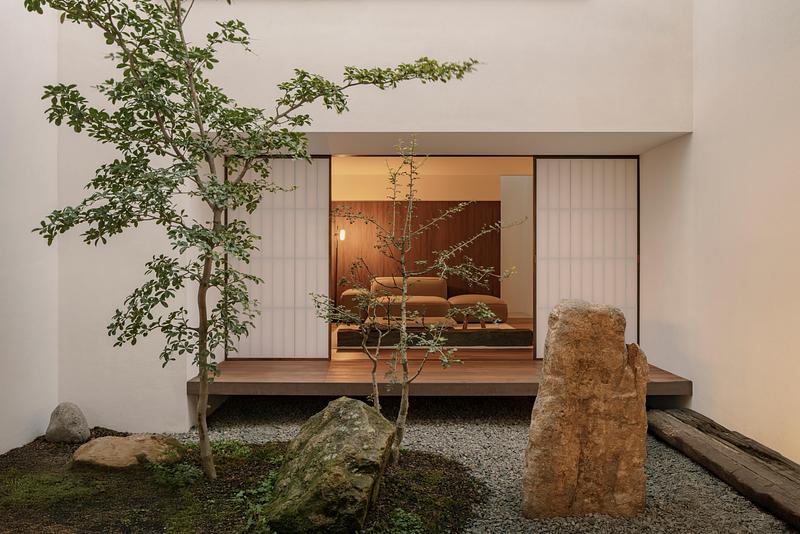
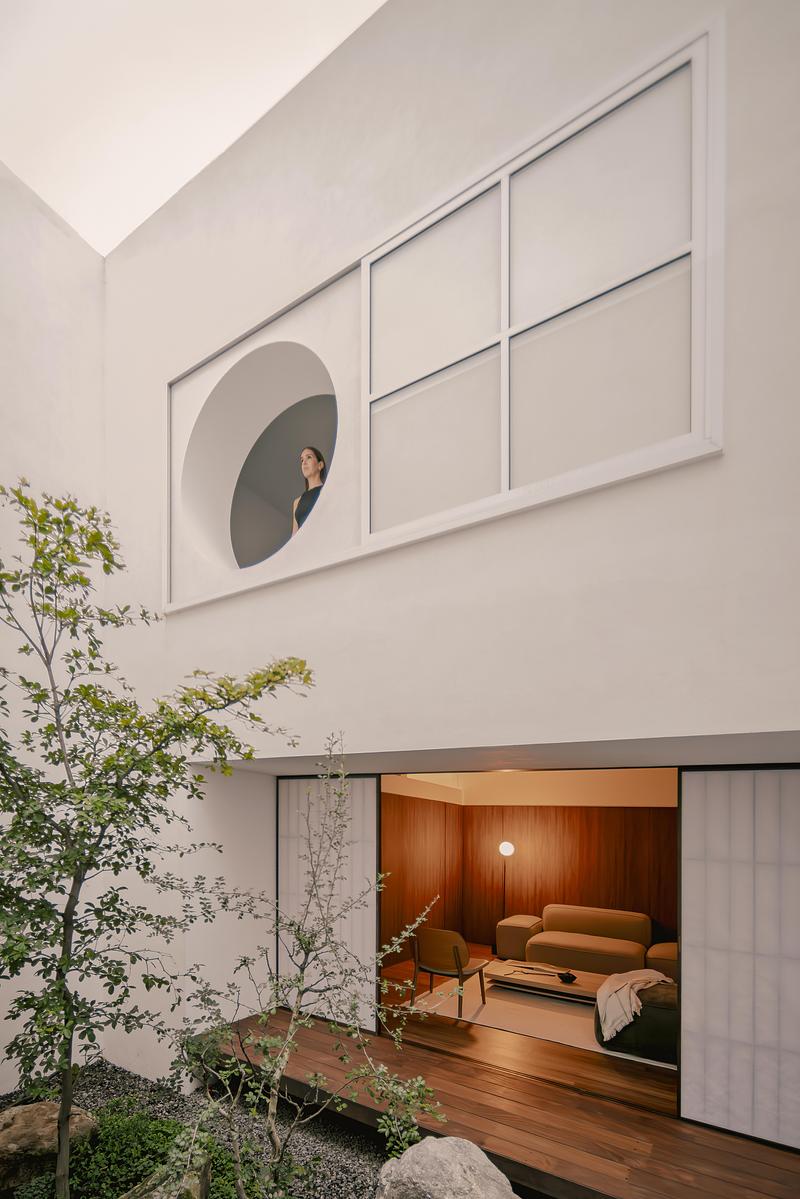
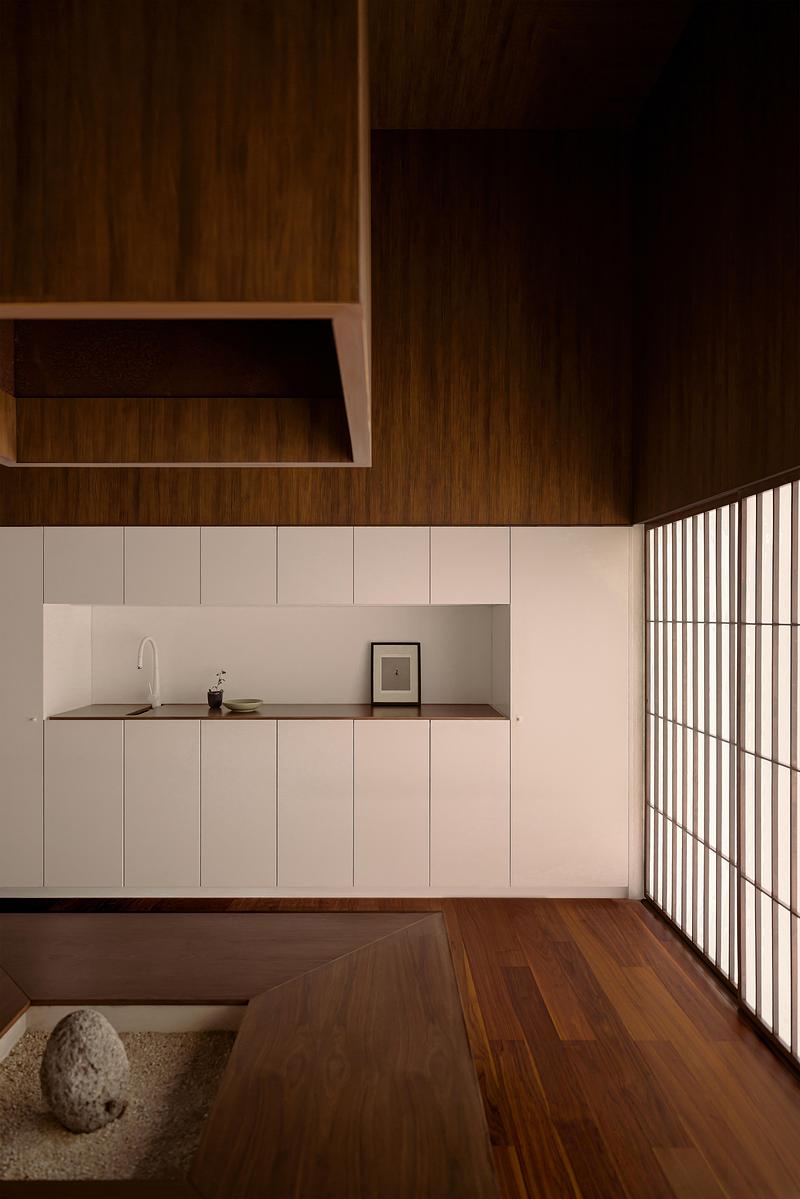
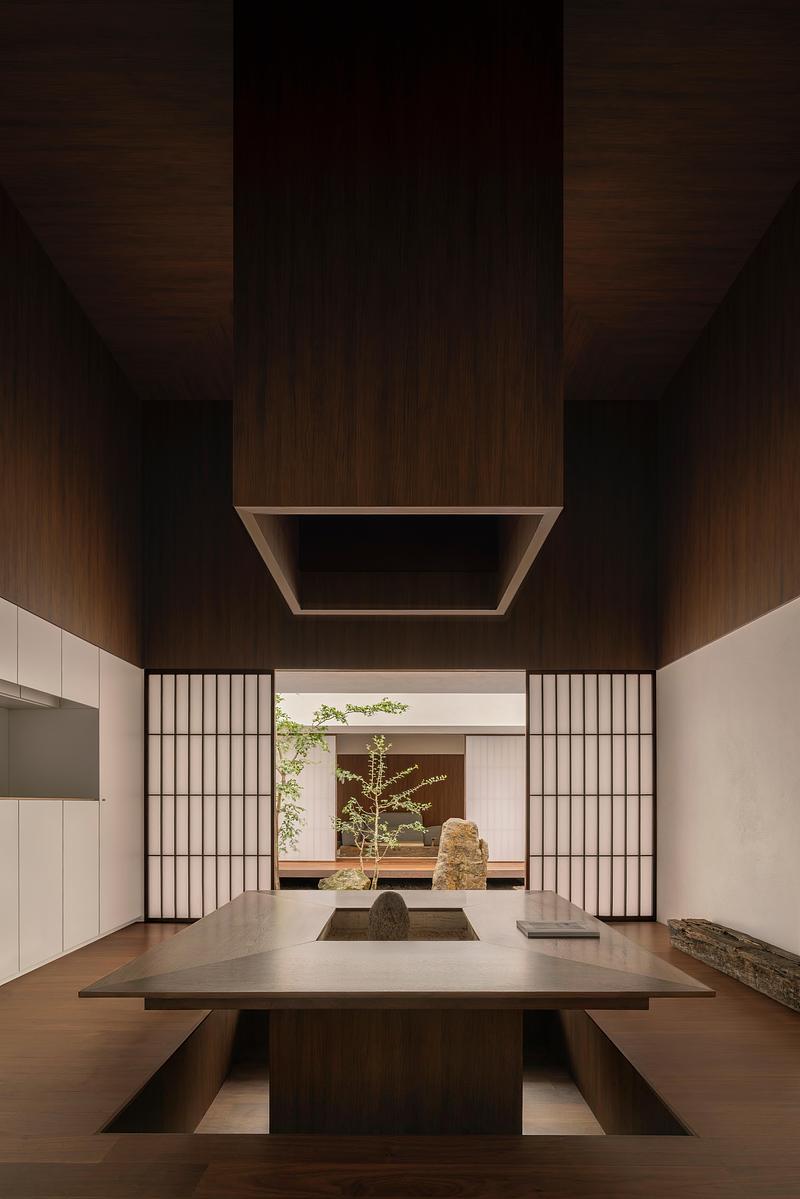
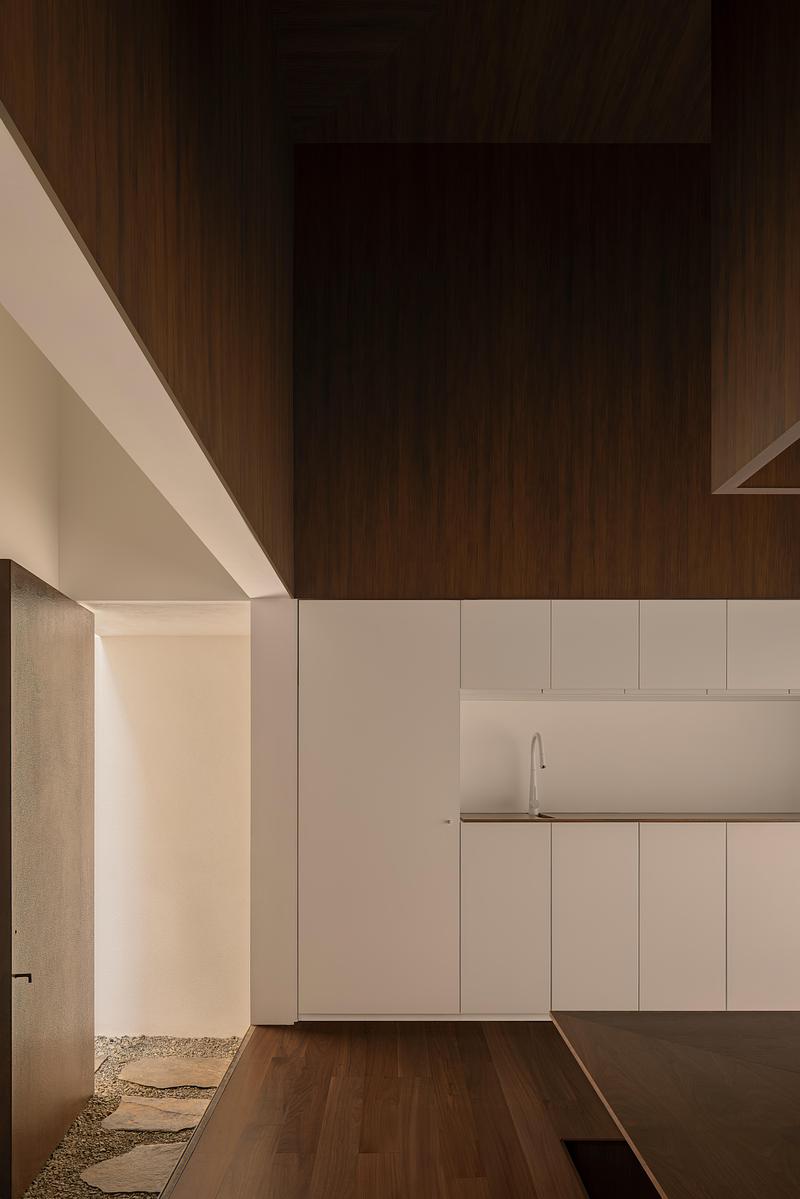
On one side, the kitchen and dining area, with double height. Above it, a volume that gathers the smoke from the fire, thinking not only of nostalgia, but of the real possibility that, one day, the city may no longer provide what we need. On the other side, the living room: a space for contemplation, where large stones rest like islands in a quiet sea. There is no covered hallway between both spaces. To go from the living room to the dining area—if it’s raining—you get wet... or you wait for the rain to stop. Architecture here does not protect from the world: it reconciles you with it.
The shōji doors, made with rice paper, are not an aesthetic concession. They are the true filter between inside and out. Light, as it passes through them, softens until it becomes time. The day doesn’t rush in—it reclines. Shadow is not the absence of light, but its most delicate form.
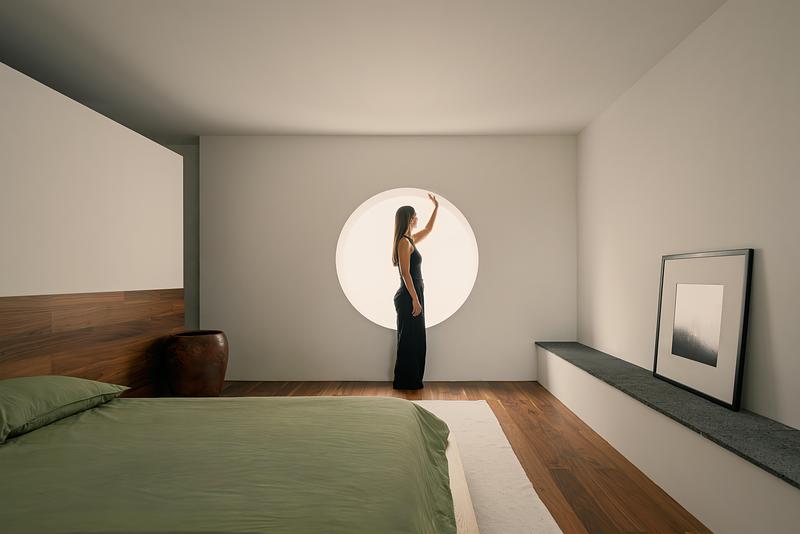
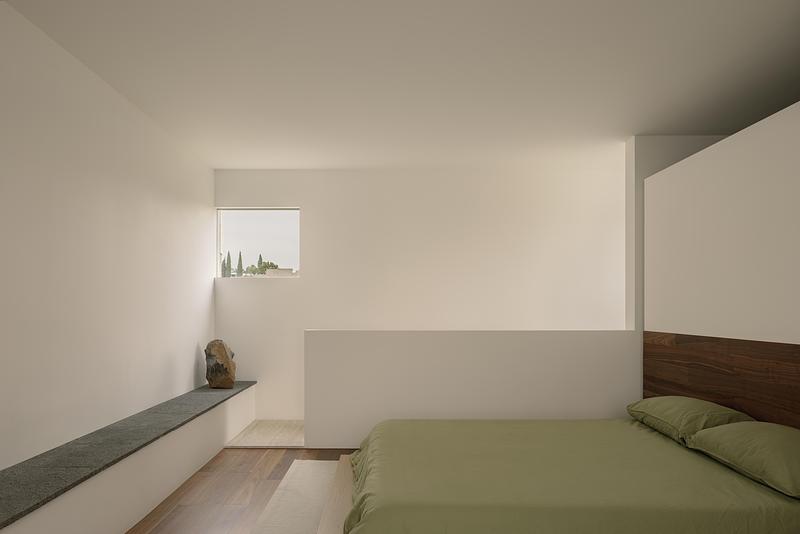
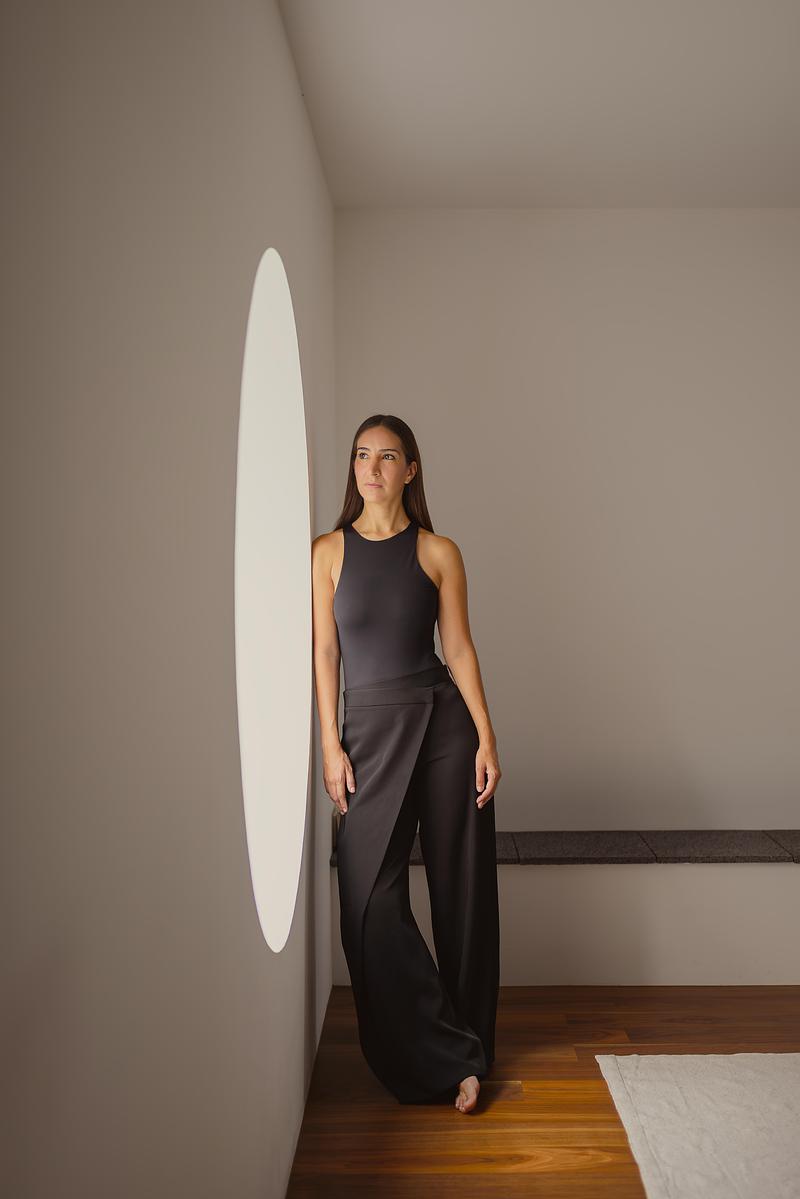
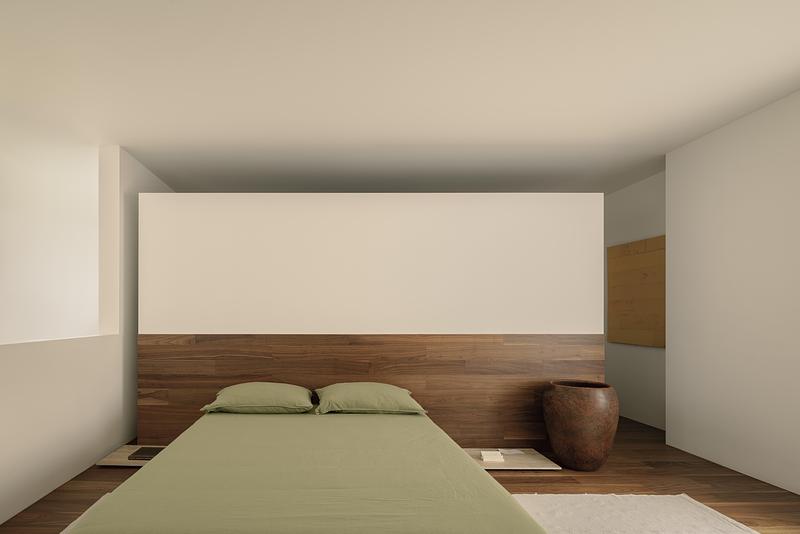
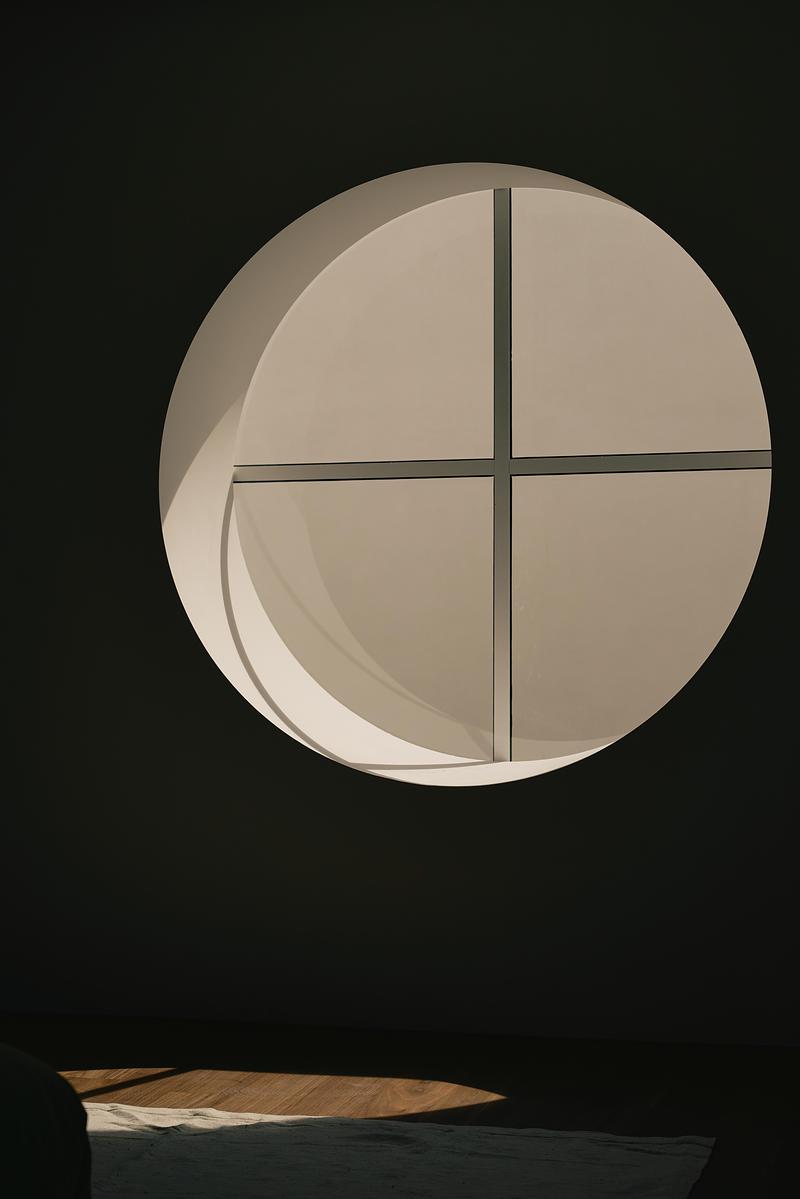
Finally, the bedroom, placed above, is a minimal, intimate space. A single circular window opens to the foliage of a tree planted at the center of the garden. It is an eye that contemplates.
The program is austere. There are no unnecessary hallways or grand gestures. The house is almost entirely devoid of glass. Only three small windows open to what is truly worth seeing: a mountain, a neighboring pine, the tree that lives at the center. Everything else is contained, inward-looking—like a sound box that keeps its own music secret.
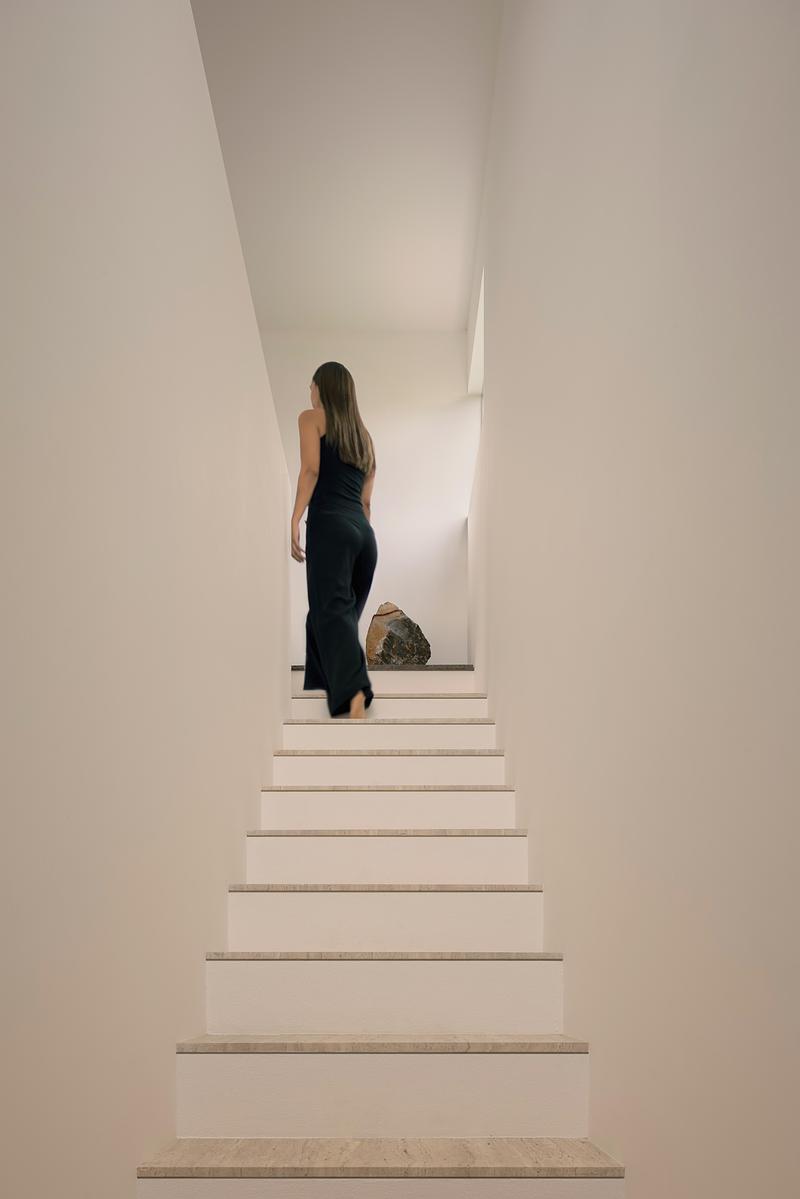
The entrance, instead of ascending, descends. One enters by going down, like someone bowing before something sacred. The staircase reaches the place where the stone offered stability, avoiding unnecessary costs in foundation. But it is also a spiritual gesture: to inhabit this house, one must leave a certain pride at the door, and enter with humility—like someone passing through the torii of an invisible shrine.
In Japan, what is valued is the imperfect, the incomplete, the ephemeral. Beauty is not what shines eternally, but what is about to disappear. This house was not made to impress. It was made to endure in silence; to bear the light weight of an honest life.
Technical sheet
Architects: HW STUDIO
Website: www.hw-studio.com Contact e-mail: info@hw-studio.com Facebook: @hwstudioarquitectos Instagram: @hwstudioarq
Location: Morelia, Michoacán, México
Google maps link: https://maps.app.goo.gl/QqoHYRApvWbCCTn76 Completion Year: 2025
Size: 95 mts2
Leads Architects: Rogelio Vallejo Bores
Architects: Oscar Didier Ascencio Castro & Nik Zaret Cervantes Ordaz
Structural Engineer: Abdiel Nuñez Gaona
Construction company: Alberto Gallegos Negrete (Grupo GAPSE) Budget: 82,000 USD
Pictures: César Béjar IG:@cesarbejarstudio, Gustavo Quiroz IG:@gustavoquirozfoto
About HW Studio
HW Studio is an architecture practice based in Morelia, Mexico, founded by Rogelio Vallejo Bores. The studio works from a place of silence and attentive presence, seeking to shape spaces that invite calm, reflection, and a deeper way of inhabiting the world.
Rather than pursuing iconic gestures, HW Studio focuses on revealing what is already there — the quiet dignity of a site, the weight of materials, the rhythm of light and shadow, the memories and sensibilities of its inhabitants. Each project is approached as a dialogue between the land, the people who will dwell in it, and the architects who give form to that encounter.
Working with a small, carefully chosen team, the studio accepts only a few commissions each year, allowing each dwelling or space to grow with intention and sincerity. Their work has been recognized internationally through publications, exhibitions, and awards, becoming part of a broader conversation on architecture as an experience of presence, emotion, and essential beauty.
For more information
Media contact
- HW Studio
- Rogelio Vallejo Bores
- info@hw-studio.com
- 5586195442
Attachments
Terms and conditions
For immediate release
All photos must be published with proper credit. Please reference v2com as the source whenever possible. We always appreciate receiving PDF copies of your articles.
Very High-resolution image : 18.21 x 27.31 @ 300dpi ~ 18 MB
Very High-resolution image : 27.31 x 18.21 @ 300dpi ~ 24 MB
Very High-resolution image : 18.21 x 27.31 @ 300dpi ~ 26 MB
Very High-resolution image : 26.9 x 17.94 @ 300dpi ~ 18 MB
Very High-resolution image : 27.31 x 18.21 @ 300dpi ~ 27 MB
Very High-resolution image : 18.21 x 27.31 @ 300dpi ~ 25 MB
Very High-resolution image : 27.31 x 18.21 @ 300dpi ~ 18 MB
Very High-resolution image : 18.21 x 27.31 @ 300dpi ~ 28 MB
Very High-resolution image : 18.21 x 27.31 @ 300dpi ~ 24 MB
Very High-resolution image : 18.21 x 27.31 @ 300dpi ~ 27 MB
Very High-resolution image : 27.31 x 18.21 @ 300dpi ~ 19 MB
Very High-resolution image : 18.21 x 27.31 @ 300dpi ~ 13 MB
Very High-resolution image : 27.31 x 18.21 @ 300dpi ~ 22 MB
Very High-resolution image : 27.31 x 18.21 @ 300dpi ~ 13 MB
Very High-resolution image : 18.21 x 27.31 @ 300dpi ~ 5.4 MB
Very High-resolution image : 27.31 x 18.21 @ 300dpi ~ 14 MB
Very High-resolution image : 27.31 x 18.21 @ 300dpi ~ 26 MB
Very High-resolution image : 18.21 x 27.31 @ 300dpi ~ 32 MB
Very High-resolution image : 18.15 x 27.21 @ 300dpi ~ 15 MB
Very High-resolution image : 27.31 x 18.21 @ 300dpi ~ 23 MB
Very High-resolution image : 18.21 x 27.31 @ 300dpi ~ 18 MB
Very High-resolution image : 18.21 x 27.31 @ 300dpi ~ 15 MB
Very High-resolution image : 18.21 x 27.31 @ 300dpi ~ 17 MB
Very High-resolution image : 18.21 x 27.31 @ 300dpi ~ 27 MB
Very High-resolution image : 18.21 x 27.31 @ 300dpi ~ 18 MB



Advertising
You may also like...




New York, United States, 2026-09-09
Archi-Tectonics Radically Transforms Country Home with Passive Solar Greenhouse
Archi-Tectonics