Press kit no. 562-74
Journalists, explore this publication-ready project. Create a free v2com media account to download high-resolution images.
Create a media account
Press Kit | no. 562-74
20 years of Montréal, UNESCO City of Design: two decades of innovation and influence
Bureau du design (Design Montréal), City of Montréal
Twenty years after Montréal was named a UNESCO City of Design, the city is celebrating two decades of pioneering governance in North America, founded on the institutionalization of quality in design and architecture. That ambition has birthed a series of transformative initiatives—including more than 60 design and architecture competitions—that have helped shape the city and inspired practices well beyond its borders. Montréal continues to build on that legacy, innovating and strengthening its leadership role in promoting the quality and sustainability of living environments.
This year, Montréal is marking the 20th anniversary of its designation as a UNESCO City of Design. In June 2006, the city became the first in North America and only the third in the world to join the UNESCO Creative Cities Network in the field of design. Far more than an international distinction or “label,” the designation further affirms a progressive vision whereby Montréal has established design as a core principle of its development, its cultural vitality and its transition into a more sustainable and equitable metropolis.
“Montréal’s designation as a UNESCO City of Design is a key lever for outreach and development. More than ever, our city is focused on innovation to meet urban challenges, be they economic, social or environmental. The expertise of our designers and the actions of the Bureau du design continue to reinforce Montréal’s international leadership when it comes to innovation by design.” — Soraya Martinez Ferrada, Mayor of Montréal
Daring to embrace design as a municipal function
Back in 1991, Montréal made the decision—unheard of at the time and still rare today—to incorporate an office dedicated to design into its municipal administration. As a result, the city’s first Design Commissioner, Marie-Josée Lacroix, joined the Service du développement économique.
“This role didn’t really exist anywhere, so we had to build it from the ground up. We not only had to prove its worth, but also persuade the City itself to become an exemplary client with regard to design and architecture.” — Marie-Josée Lacroix, Montréal’s first Design Commissioner
In 2006, after joining the UNESCO network, the city created the Bureau du design, which became the primary vehicle for implementing the mission and values of the City of Design designation. In making design a service in the public interest and not merely an esthetic feature, Montréal led the way for some 50 other cities around the world that are now members of the Cities of Design subnetwork. While each city has adapted the designation to its own institutional framework, Montréal’s experience has shown the benefits of placing design at the core of public policy and decision-making.
Creativity as an economic driver
Early in the 2000s, as Montréal sought to reinvent its economic growth drivers, it recognized design and architecture as sectors with promising futures. The UNESCO designation has since helped support and consolidate a creative ecosystem that now comprises nearly 20,000 professionals in Greater Montréal.
Over the past two decades, a number of flagship initiatives have succeeded in expanding the public’s appreciation of design, supporting emerging talents and demonstrating the economic value of creativity.
The Design Montréal Open House concept gave thousands of people a behind-the-scenes look at design studios and firms. The Commerce Design Montréal awards raised merchants’ awareness of the importance of design as a differentiating factor and a key to success. CODE Souvenir Montréal encouraged local purchasing by highlighting gift items designed and manufactured here, and the Phyllis Lambert Grant provided support to emerging design and architecture practitioners.
Made-in-Montréal initiatives inspiring others beyond its borders
In the past 20 years, concepts developed by the Bureau du design have inspired communities around the world. The Commerce Design Montréal program was licensed to 14 cities, among them New York City, Brussels, Luxembourg, Marseille and Detroit. The City of Montréal has also authorized two members of the Cities of Design subnetwork, Geelong and Dundee, to adapt the CODE SOUVENIR concept (Geelong and Dundee). Lastly, the #WhoIstheArchitect / #quiestlarchitecte campaign, an original concept by the firm Kollectif, was adopted by Kaunas and Dundee.
Early in 2026, Montréal was chosen to be part of a cohort of six cities committed to championing quality in design and architecture; Pioneering Places is an initiative of the Davos Baukultur Alliance, powered by the World Economic Forum.
Public commissions: a well-entrenched culture of quality
From its distinctive approach to public commissions to engagement-building processes aimed at the professional community, Montréal has progressively built a culture of design and architecture quality that is now being emulated worldwide.
This culture of quality has manifested itself in particular through the practice of using design and architecture competitions for public contract awardance. By promoting project assessment on the basis of quality, this approach has helped open up public commissions to larger numbers of firms, stimulated emulation and emphasized the importance of concepts, and in the process has led to the building of exemplary public facilities.
Historically, public procurement in North America has been governed by a rigid system of traditional competitive tendering using the lowest-bidder approach or founded on strict corporate-experience criteria. Successfully entrenching this culture of architectural quality within a North American municipal framework required sustained vision and political will. With more than 60 competitions held in the last 20 years, Montréal has firmly established itself as a recognized North American centre of expertise in this area.
From vision to public policy
This vision of excellence in design, embraced by Montréal for more than two decades, has gradually become integral to municipal policies and practices. It has been put into practice notably through the 2019 adoption of the Montréal Agenda for Quality and Exemplarity in Design and Architecture, a document that sets out guidelines and mobilizes the entire city in working toward a high-quality, sustainable built environment. The recently published 2050 Land-Use and Mobility Plan is an ambitious, concrete application of the Agenda.
Tangible impacts on residents’ quality of life
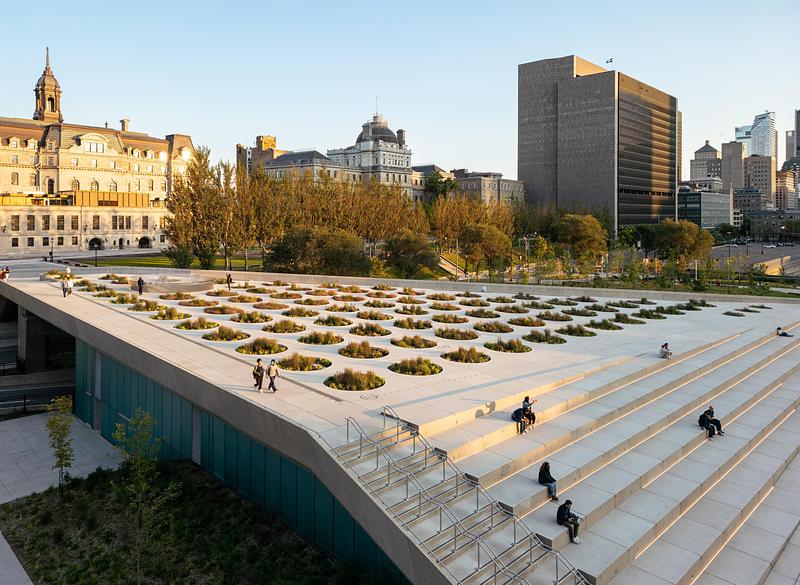
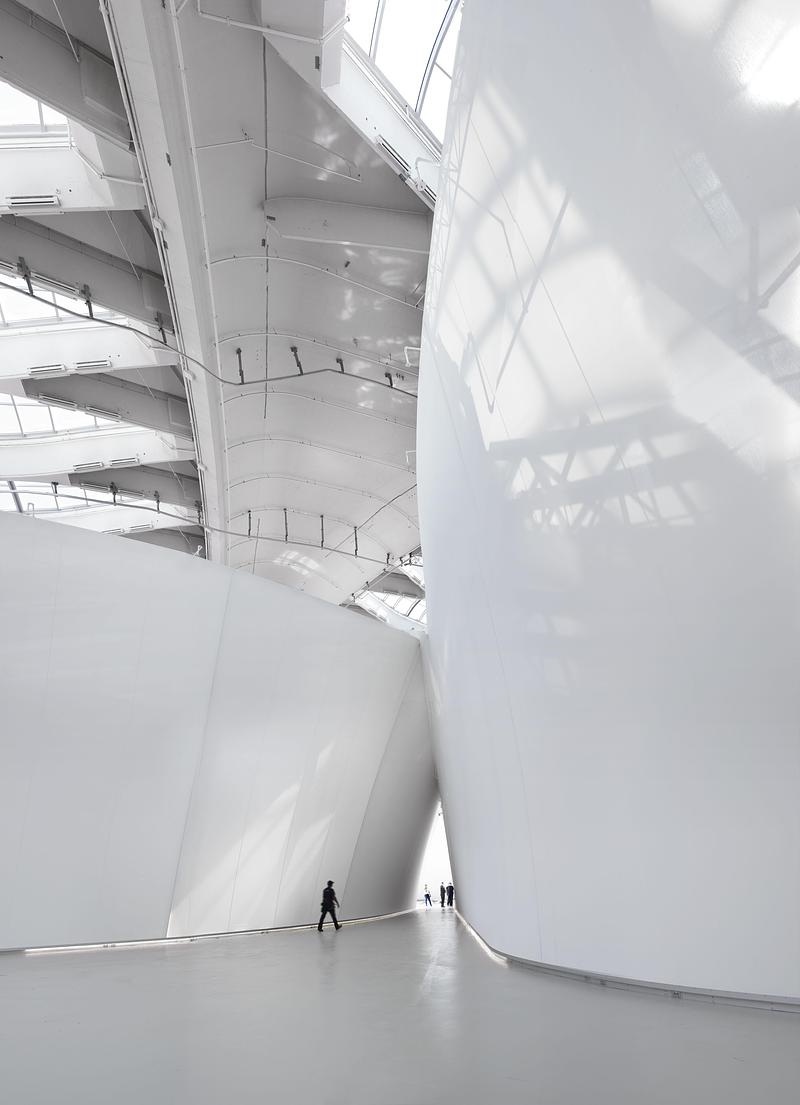
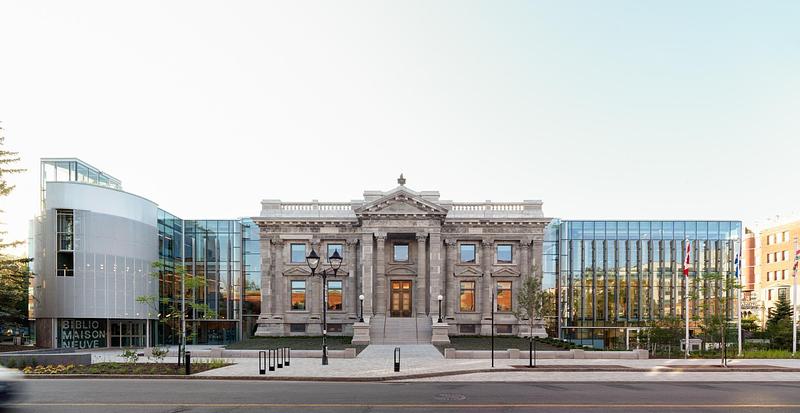
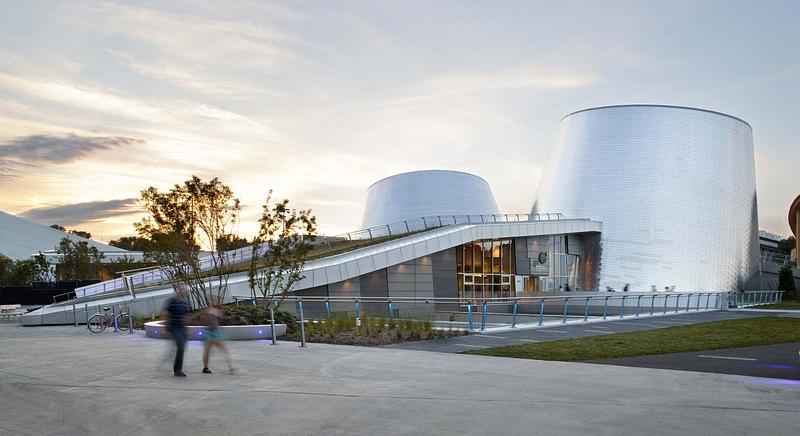
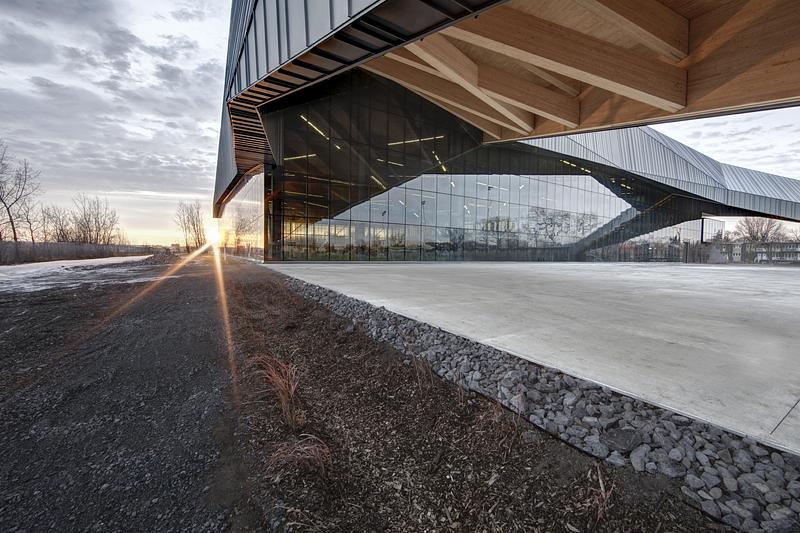
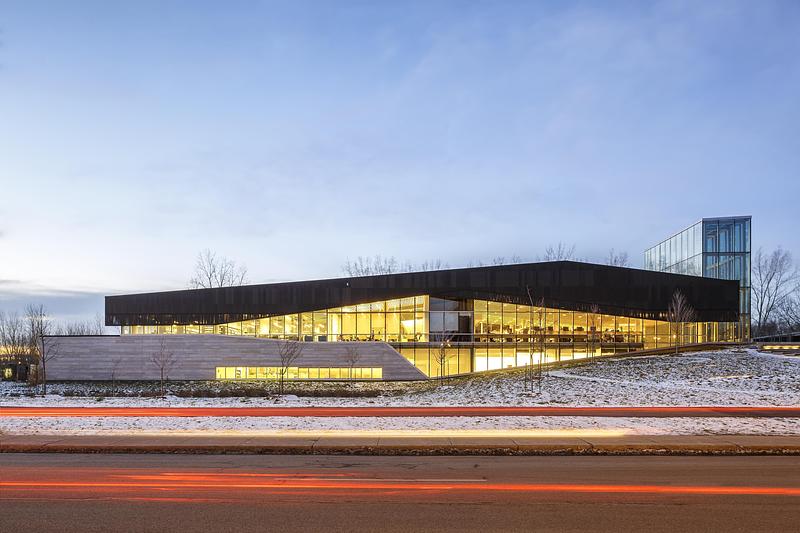
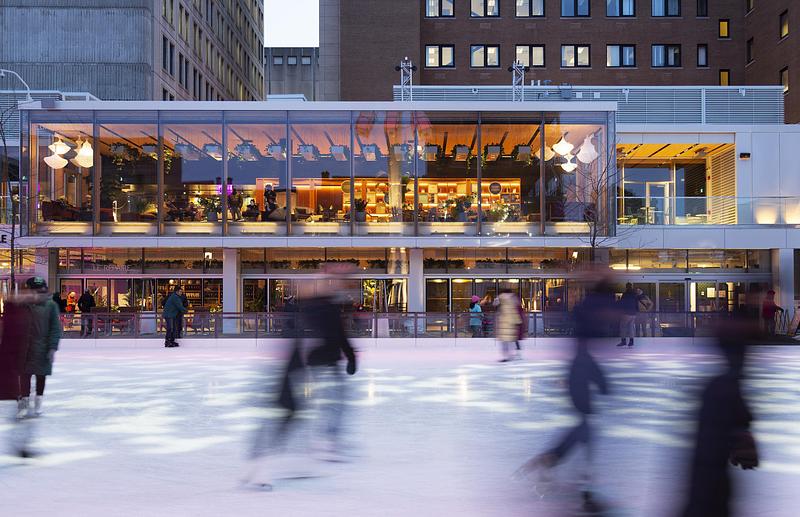
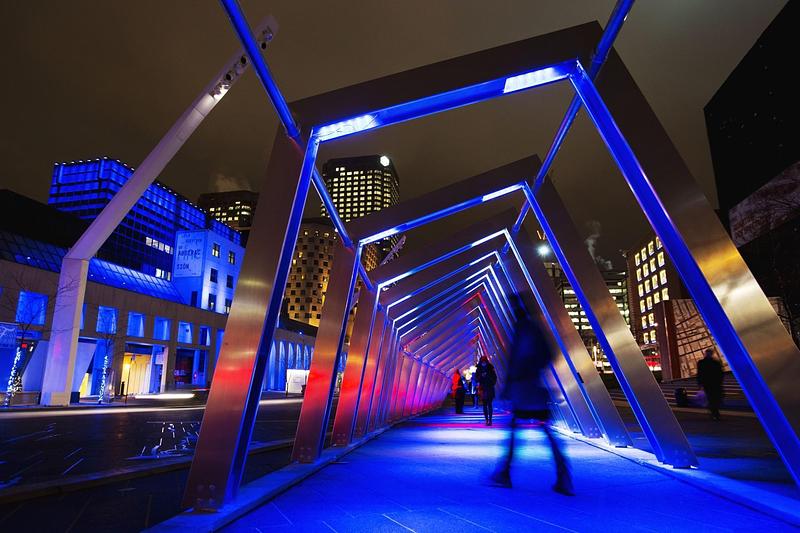
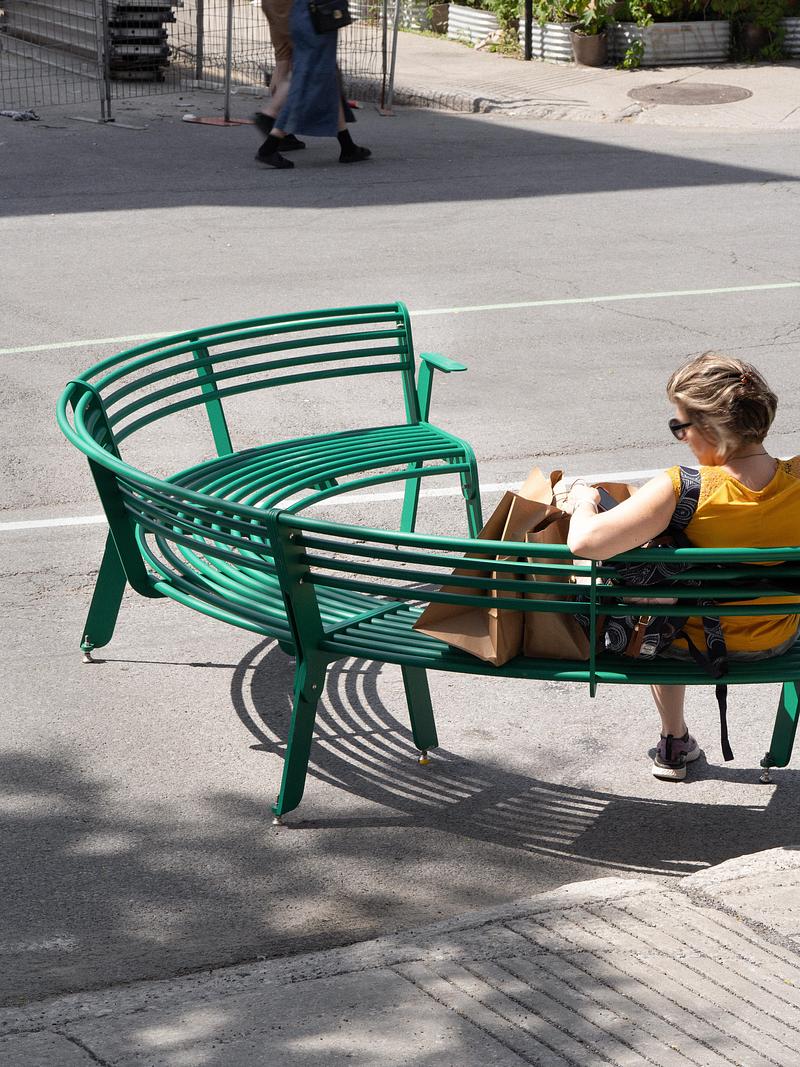
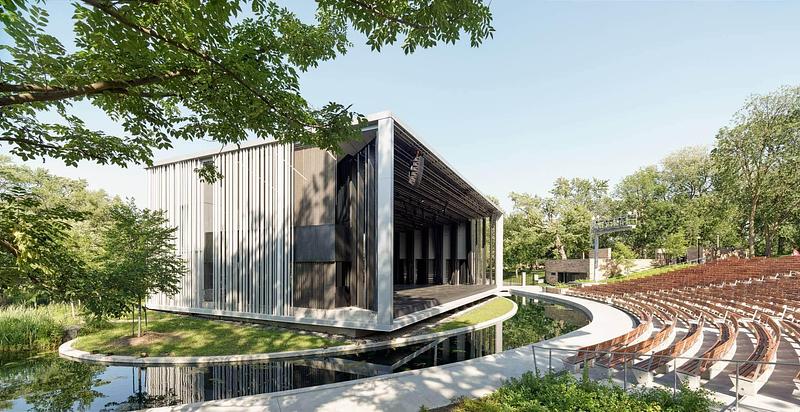
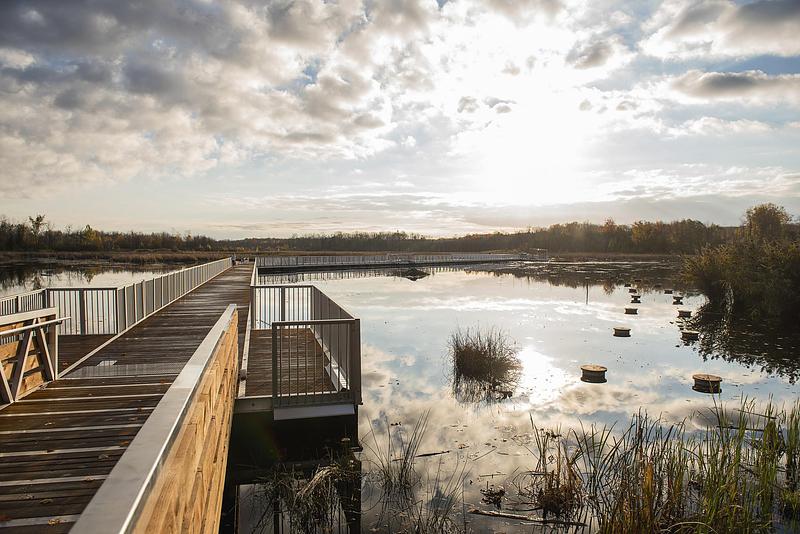
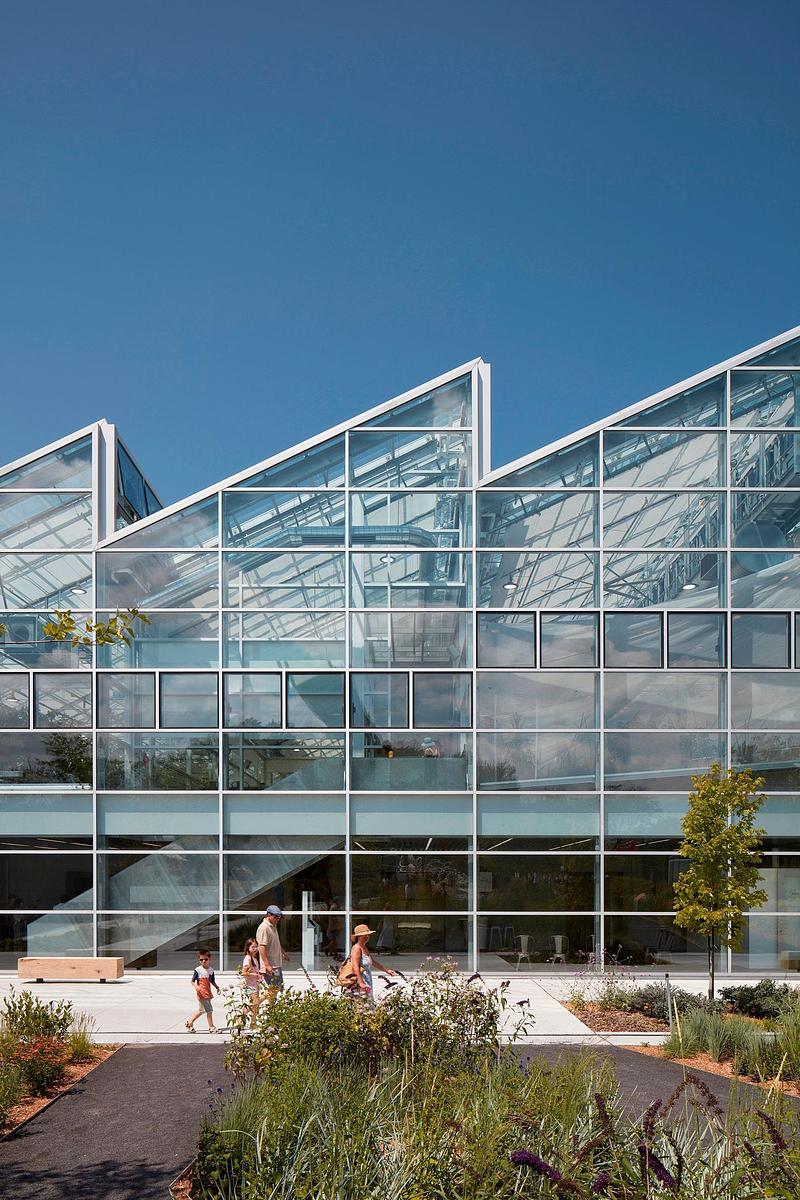
The benefits of this approach are now acknowledged by members of the design and architecture community and the public. Since 2019, nearly 50 awards of excellence have gone to some 30 municipal architecture, landscape architecture and urban design projects. They include the Biodôme Migration and Insectarium Metamorphosis, Place des Montréalaises, the Montréal Soccer Stadium, Esplanade Tranquille, Théâtre de Verdure and the Sanaaq Centre, as well as the heritage restoration of City Hall.
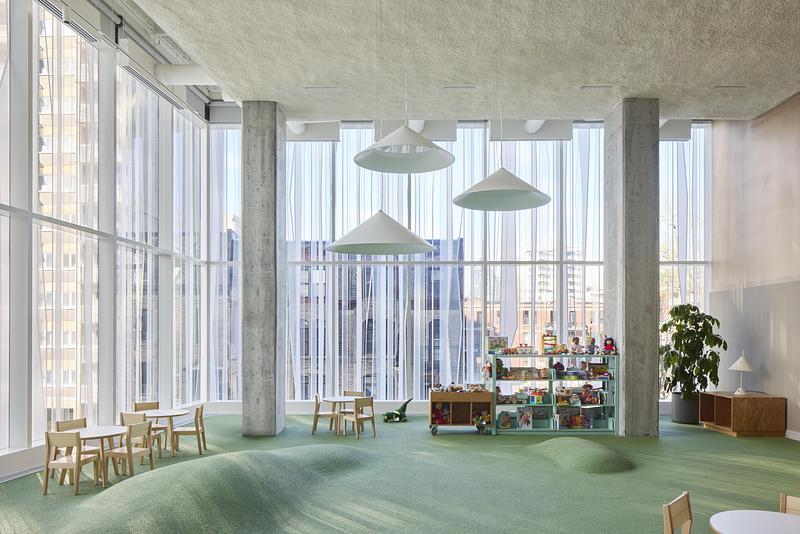
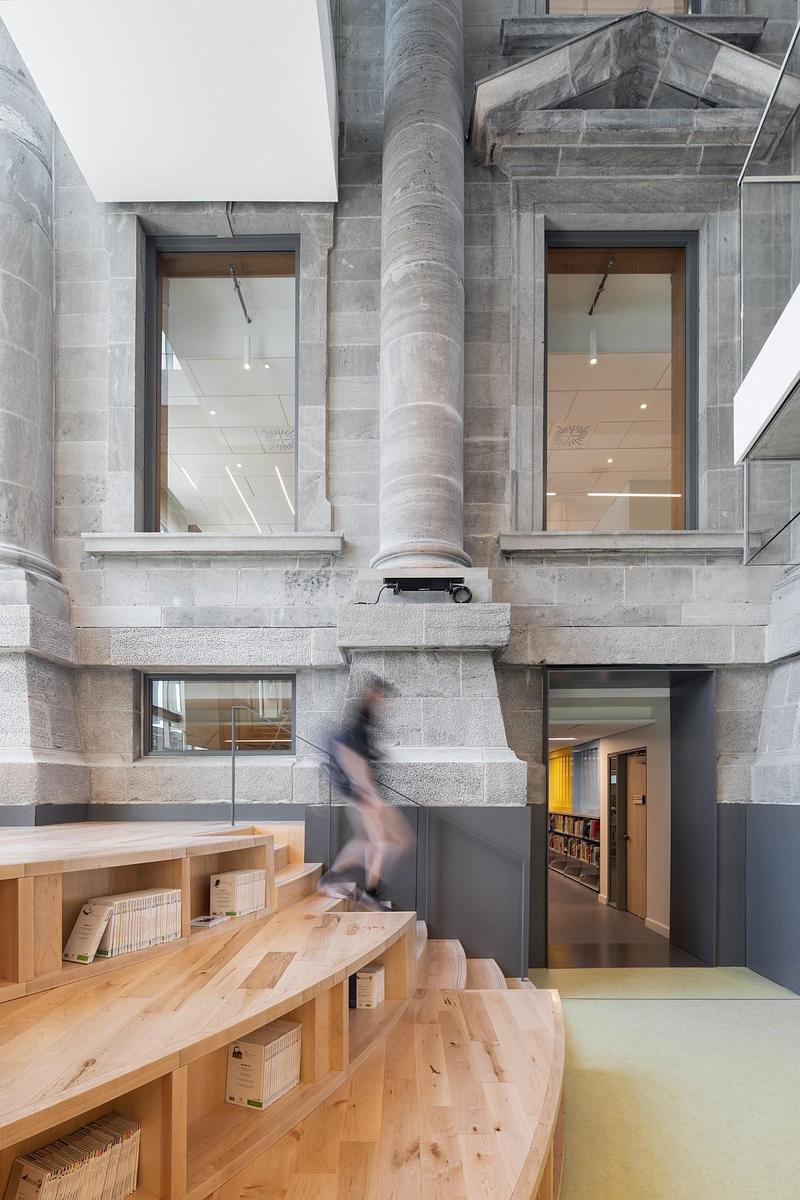
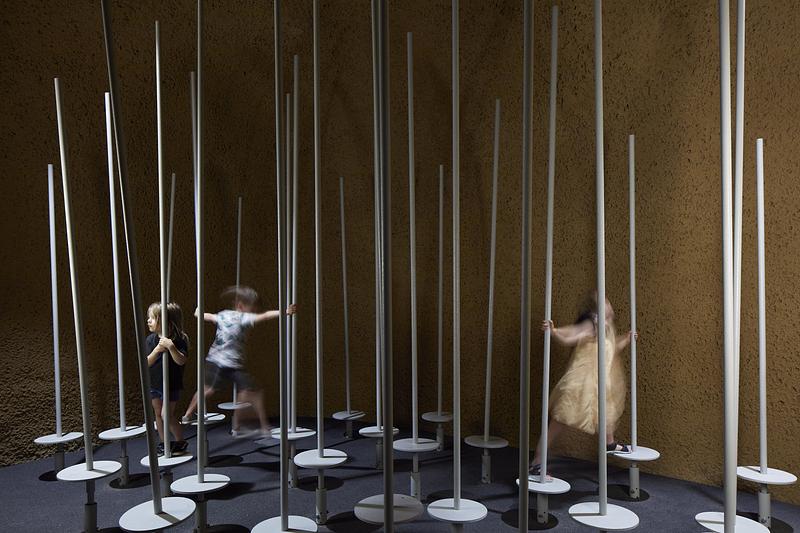
The growing appreciation for Montréal’s public facilities further reflects this recognition. Annual visits to libraries in Mercier–Hochelaga-Maisonneuve Borough have increased by 91% following the opening of the Maisonneuve Library. A comparable effect has been seen at the Space for Life complex, where the Biodôme Migration and Insectarium Metamorphosis projects have helped drive a strong upturn in visitor numbers.
Meeting the great urban challenges of tomorrow
Over the years, design has emerged as a powerful driver of innovation for the city administration. This was especially evident during the health crisis in the wake of the pandemic, when the power of design was harnessed to swiftly adapt public spaces, experiment with new approaches and improve accessibility of many municipal services.
Today, this drive for innovation is central to the Bureau du design’s actions. In the current context of ecological transition, resource scarcity and shifting urban needs, Montréal is working with its partners to expedite adoption of circular design and construction practices.
In collaboration with ecosystem stakeholders, the city is, among other things, helping to map adaptive-reuse and circular-economy value chains in the construction industry so as to better understand obstacles to innovation and identify the most promising courses of action.
“Circular construction is a driver of quality in architecture, bridging heritage preservation and innovation. Backed by the expertise of our local firms, Montréal is well positioned to more quickly develop, test and roll out solutions that will help shape the city of tomorrow.” — Andréanne Moreau, City of Montréal Executive Committee member responsible for culture, heritage, design and the French language
“As a participant in the UNESCO Creative Cities Network and the Davos Baukultur Alliance, Montréal is on the front lines of dialogue around international best practices. The city is now positioned as a genuine testing ground for circular-economy principles applied to the built environment.” — Patrick Marmen, Chief of Staff and Design Commissioner, Bureau du Design
A distinction that belongs to an entire community
The designation Montréal, UNESCO City of Design reflects a shared ambition embraced for the past 20 years by thousands of designers, architects, firms, institutions, organizations, partners and citizens who, each day, are helping shape a more creative, inclusive and sustainable city.
Throughout the year, Montréal will be making the most of this anniversary to showcase the faces, architects and designers who are transforming the city. Through a range of inspiring, accessible digital content, the public will be invited to go behind the scenes and explore Montréal creativity.
Technical sheet
See the list of projects in the attachment.
See “Perspectives on a Collective Commitment” in the attachment. — this honorary publication that celebrates around sixty ambassadors for their outstanding contribution to promoting and enhancing the designation. (French only)
About the Bureau du design de la Ville de Montréal (Design Montréal)
The Bureau du design, part of Montréal’s Service du développement économique, acts as a catalyst for creativity, innovation and excellence in design and. It provides guidance for municipal projects, supports the local ecosystem and contributes to positioning Montréal as a cultural and creative metropolis. Its team was instrumental in the city’s designation as a UNESCO City of Design, and coordinates the ensuing actions for the benefit of the community.
For more information
Media contact
- v2com PR
-
Pénélope Fortin, Public Relations Director
- pfortin@v2com-newswire.com
- .
Attachments
Terms and conditions
For immediate release
All photos must be published with proper credit. Please reference v2com as the source whenever possible. We always appreciate receiving PDF copies of your articles.
Publication Rights for Books
The images in this press kit are not royalty-free for use in books or monographs.
You may download the material, but any publication in such media requires prior written authorization and a specific copyright negotiation for publishing (see media contact).
Very High-resolution image : 20.0 x 14.62 @ 300dpi ~ 17 MB
Very High-resolution image : 27.31 x 18.21 @ 300dpi ~ 130 MB
Very High-resolution image : 20.1 x 27.77 @ 300dpi ~ 1.7 MB
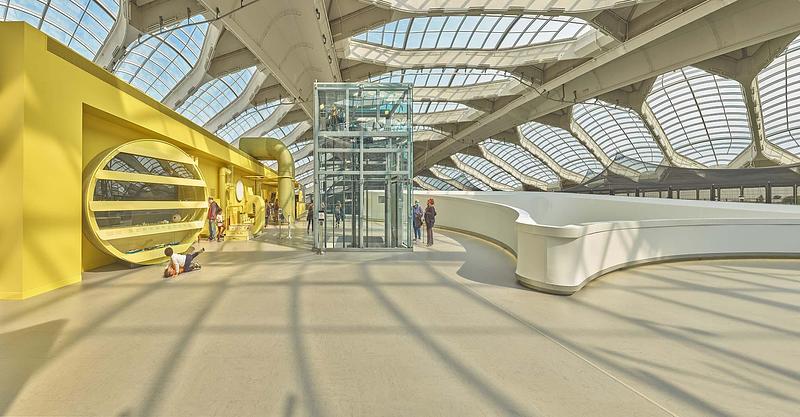
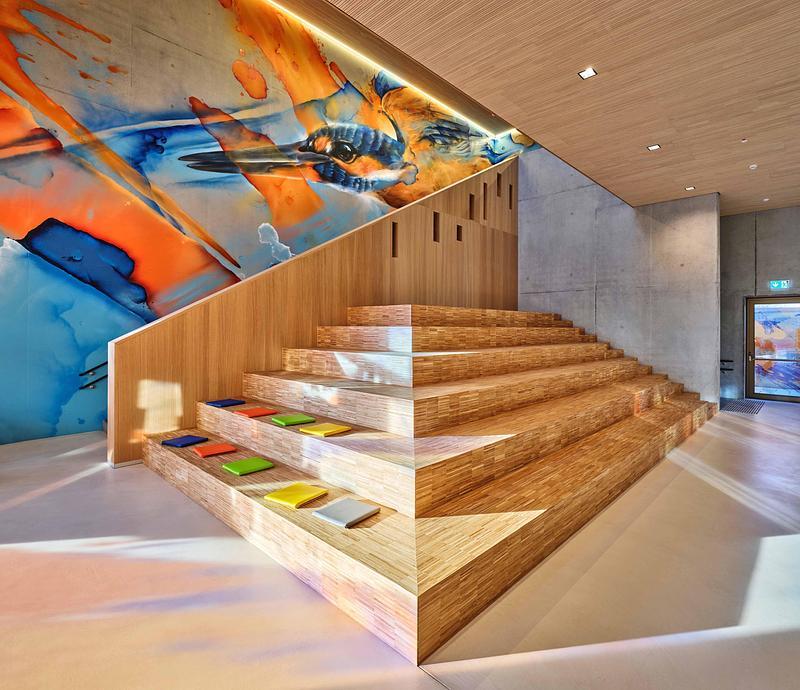
Renaissance of Montreal’s Biodome (2021), by KANVA in collaboration with NEUF architect(e)s
Biomachine Exhibition, in collaboration with La bande à Paul
Medium-resolution image : 6.83 x 3.56 @ 300dpi ~ 280 KB
Medium-resolution image : 6.83 x 3.52 @ 300dpi ~ 1.3 MB
Medium-resolution image : 4.55 x 6.83 @ 300dpi ~ 580 KB
Medium-resolution image : 8.53 x 4.65 @ 300dpi ~ 400 KB
Very High-resolution image : 20.0 x 13.33 @ 300dpi ~ 15 MB
High-resolution image : 16.67 x 11.11 @ 300dpi ~ 9.8 MB
High-resolution image : 11.0 x 7.11 @ 300dpi ~ 20 MB
Medium-resolution image : 6.4 x 4.26 @ 300dpi ~ 500 KB
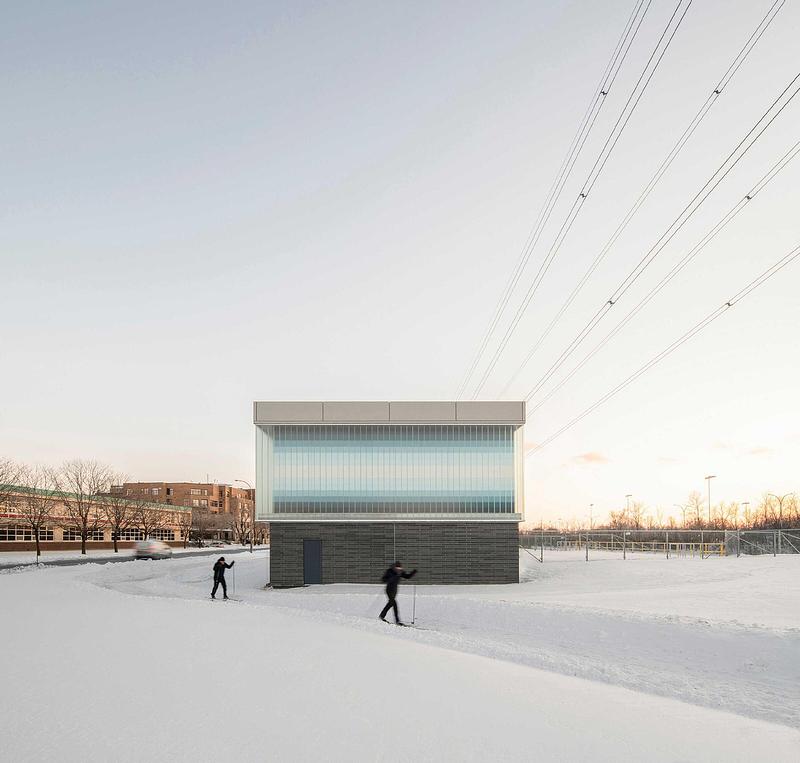
Medium-resolution image : 8.0 x 7.63 @ 300dpi ~ 340 KB
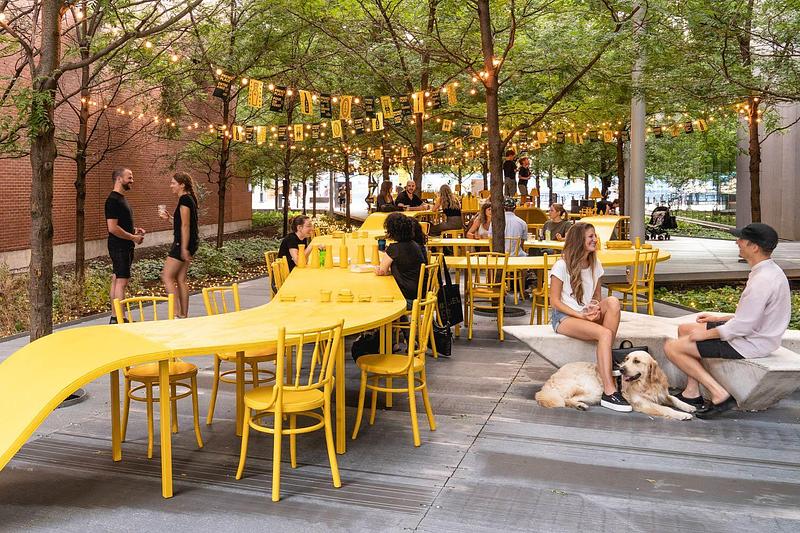
by Ædifica, MASSIVart, and Körnelius
Very High-resolution image : 20.0 x 13.33 @ 300dpi ~ 2.8 MB
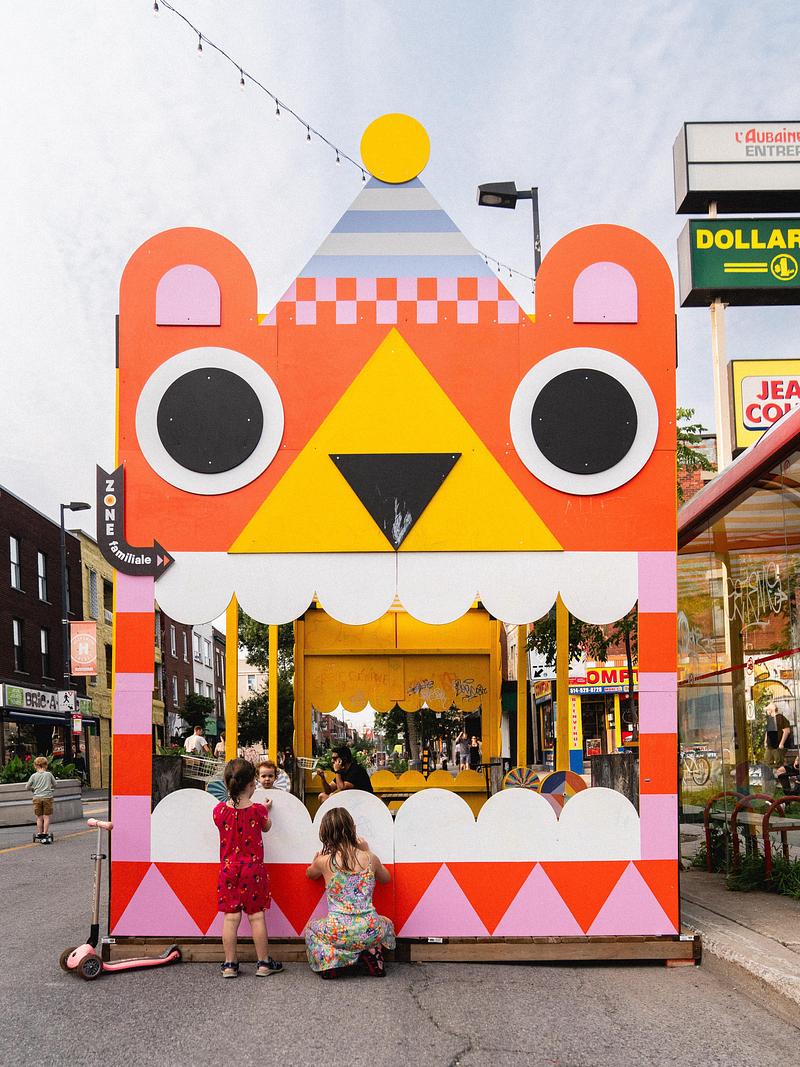
High-resolution image : 12.5 x 16.67 @ 300dpi ~ 15 MB
Medium-resolution image : 5.0 x 3.33 @ 300dpi ~ 2.5 MB
High-resolution image : 12.5 x 16.67 @ 300dpi ~ 13 MB
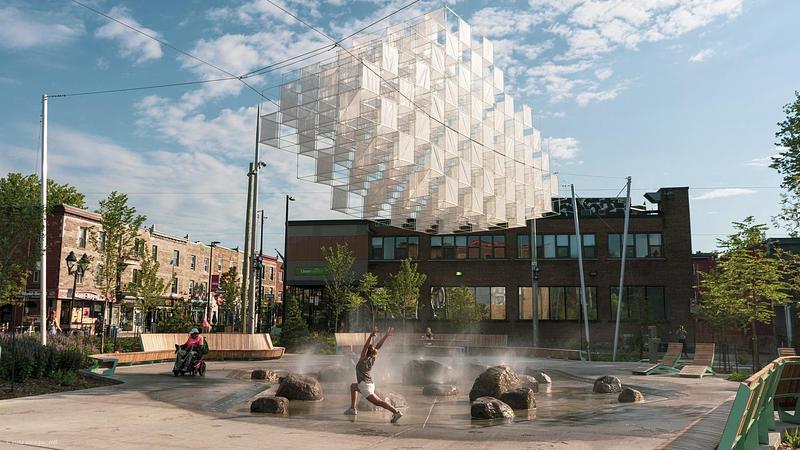
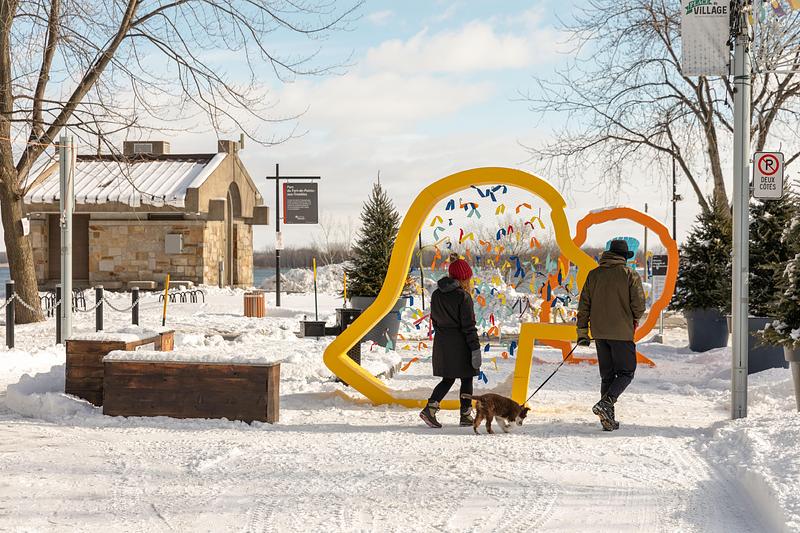
Temporary artwork Partiellement nuageux avec de fortes probabilités de « wow »! (2021), by EN TEMPS ET LIEU
Medium-resolution image : 5.0 x 2.81 @ 300dpi ~ 450 KB
Medium-resolution image : 6.83 x 3.51 @ 300dpi ~ 340 KB
Medium-resolution image : 9.0 x 6.01 @ 300dpi ~ 1.3 MB
Medium-resolution image : 5.27 x 7.9 @ 300dpi ~ 900 KB
Very High-resolution image : 17.67 x 11.78 @ 300dpi ~ 54 MB
High-resolution image : 12.0 x 8.0 @ 300dpi ~ 880 KB
The signature celebrating Montréal’s designation as a City of Design member of the UNESCO Creative Cities Network (2008) (in French)
Medium-resolution image : 6.0 x 2.82 @ 300dpi ~ 21 KB
Medium-resolution image : 6.0 x 2.83 @ 300dpi ~ 21 KB
Advertising
You may also like...
Toronto, Canada, 2026-10-21
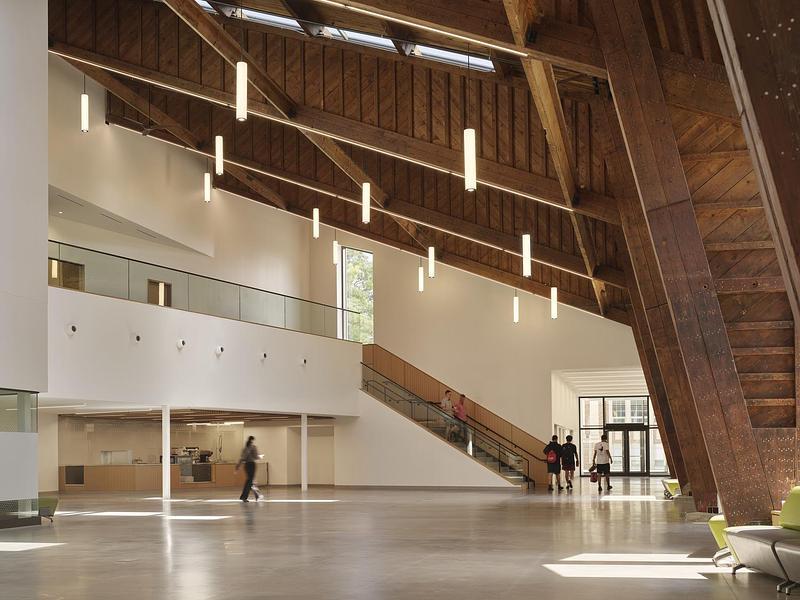
De La Salle College John Hunt Student Life Centre
Moriyama Teshima Architects
Céragrès Studio: From Concept to Material. A New Destination for Design.
Discover Céragrès Studio: a brand-new space in the heart of Mile-Ex, bringing together materials, furniture, and expertise. Designed as a true resource hub for design and architecture professionals, the Studio offers an evolving material library, a space for exploration, and a network of collaborators dedicated to bringing your projects to life.
Montreal, Canada, 2026-10-15
KANVA Unveils the Parc Marie-Victorin Museum: Inhabiting the Topography to Reveal a Heritage Forged by Time
KANVA
Montreal, Canada, 2026-10-13
Le Grand-Espace Sherbrooke: A New Cultural Venue
Atelier Paul Laurendeau | NEUF architectes
Montreal, Canada, 2026-09-10
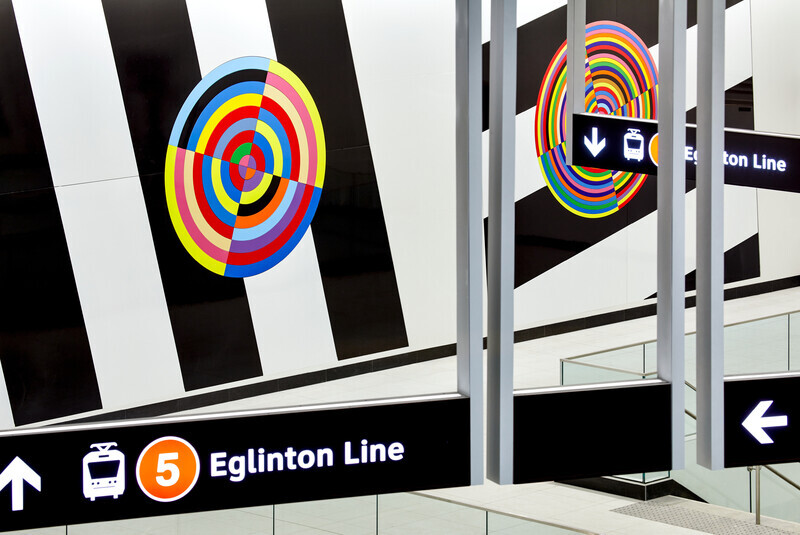
Eglinton Crosstown LRT : Elevating the Quality of Design in the Public Realm
Daoust Lestage Lizotte Stecker Benech
Los Angeles, United States, 2026-09-02
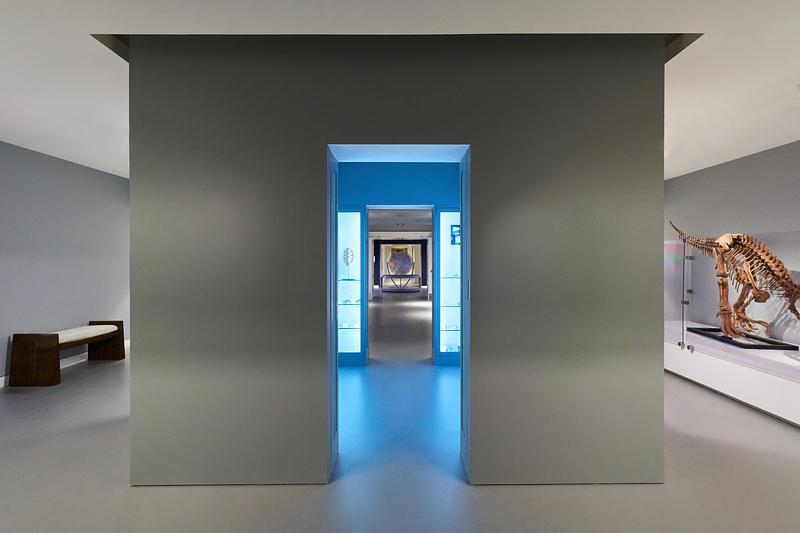
StudioHAU Completes Extensive Renovation and Redesign of the Berkshire Museum’s First Floor Galleries, Aquarium and Public Spaces
StudioHAU
Toronto, Canada, 2026-08-12
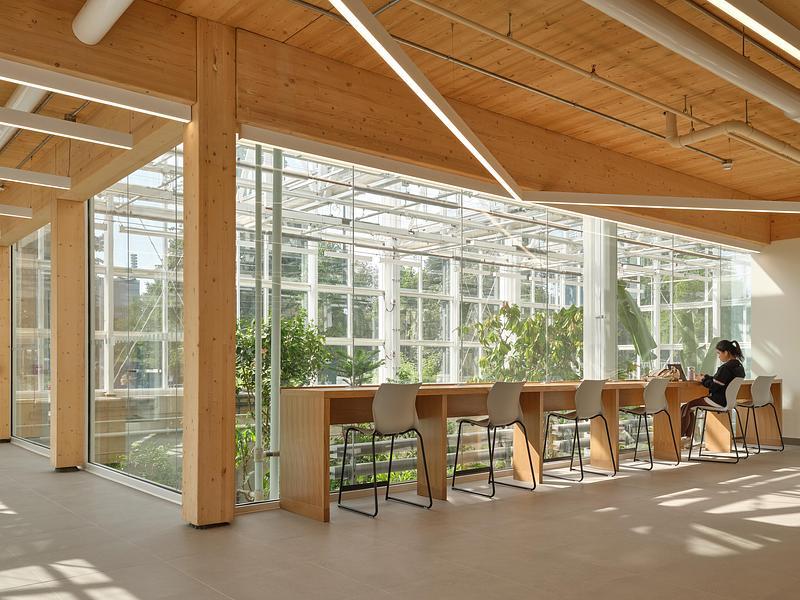
McMaster University Life Sciences Building and Greenhouse
Moriyama Teshima Architects
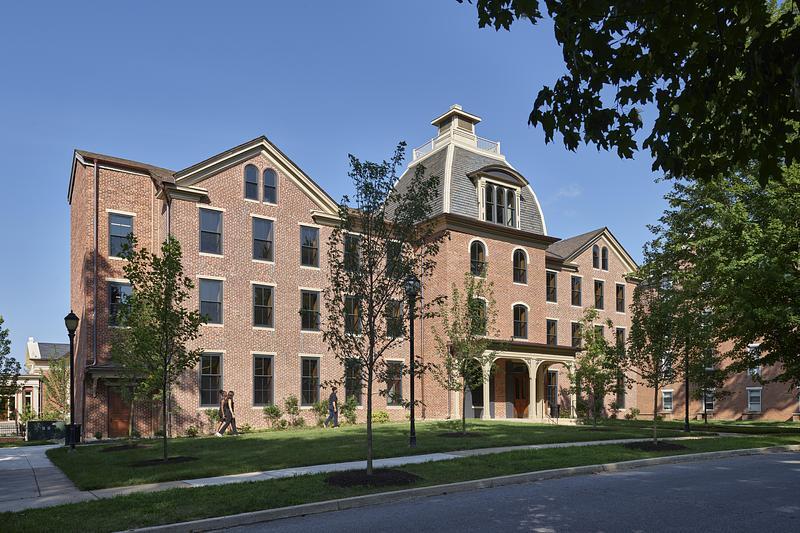
Philadelphia, United States, 2026-08-12
VMA Brings Lincoln University’s Cresson Hall Back to Life
Voith & Mactavish Architects, LLP (VMA)