Press kit no. 748-54
Journalists, explore this publication-ready project. Create a free v2com media account to download high-resolution images.
Create a media account
Press Kit | no. 748-54
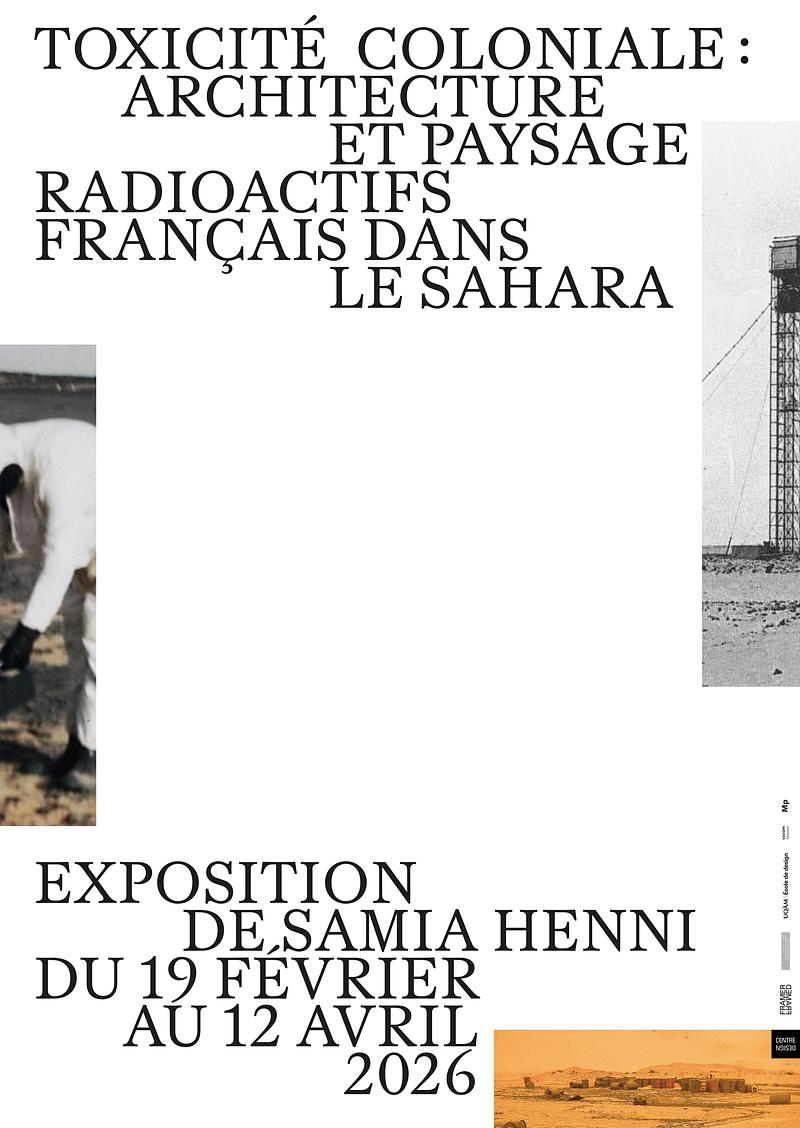
UQAM’s Centre de design Presents "Toxicité coloniale : Architecture et paysage radioactifs français dans le Sahara"
Centre de design de l'UQAM
Dates: February 19, 2026 to April 12, 2026
An investigation into the French nuclear program in Algeria
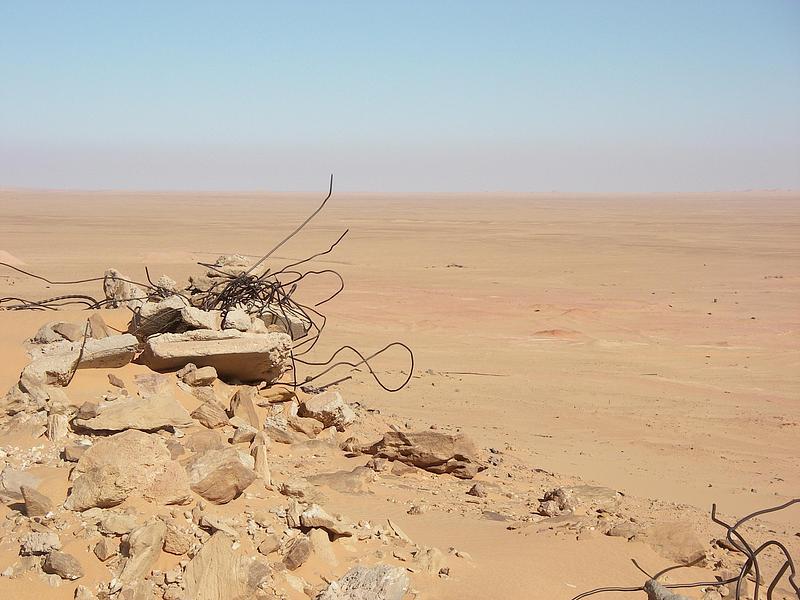
Between 1960 and 1966, the French colonial regime detonated four atmospheric atomic bombs and thirteen underground nuclear bombs in the Sahara Desert in Algeria. The resulting toxification of the Sahara spread radioactive fallout across Algeria, North, Central and West Africa, as well as the Mediterranean (including Southern Europe), causing irreversible and ongoing contamination of living bodies, cells and particles, as well as in the natural and built environments. More than sixty years later, the French nuclear program's archives remain closed, and as a result, the historical details and the ongoing consequences of these experiments remain largely unknown.
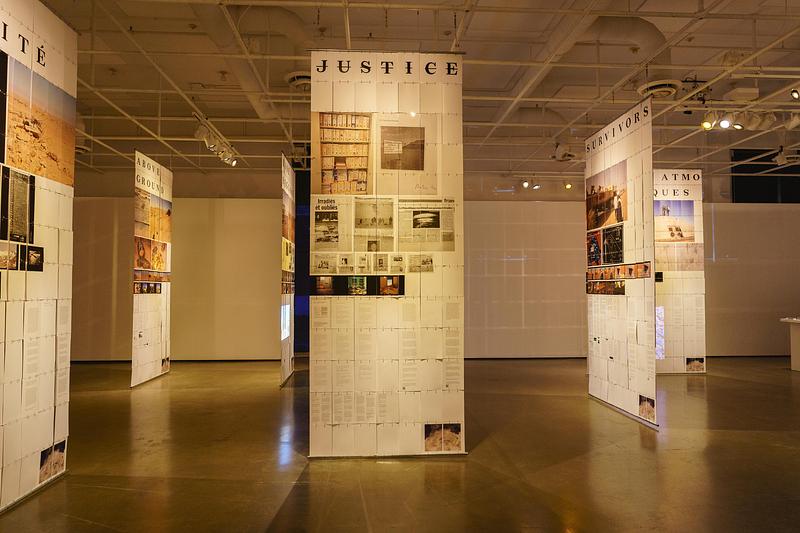
The exhibition Toxicité coloniale presents available, offered, collected and leaked documents in an immersive multimedia installation. From these materials, Henni creates a series of thirteen audiovisual assemblages, or “stations,” referencing the original military structures. These stations trace the spatial, atmospheric, and geological impacts of nuclear bombs while highlighting colonial vocabulary and the persistence of radioactive and architectural debris.
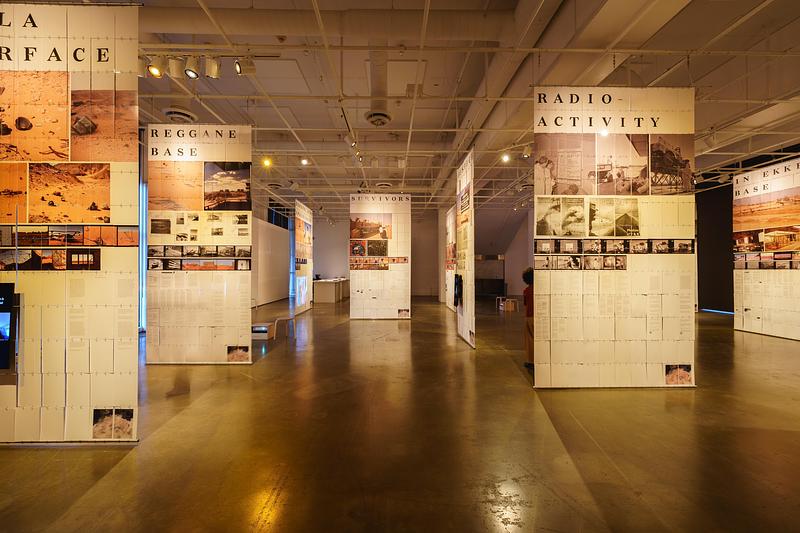
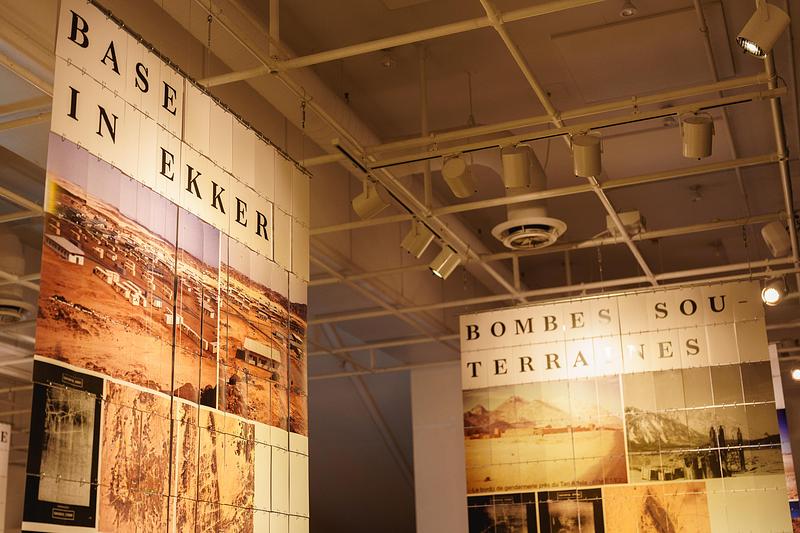
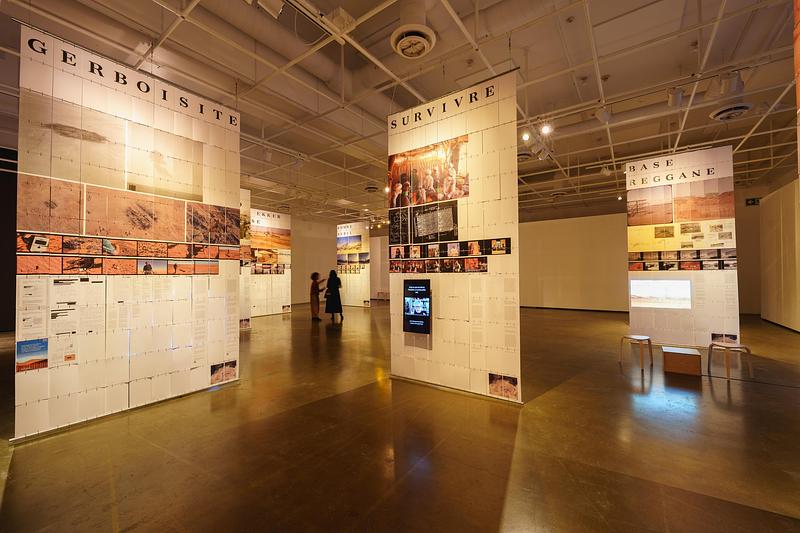
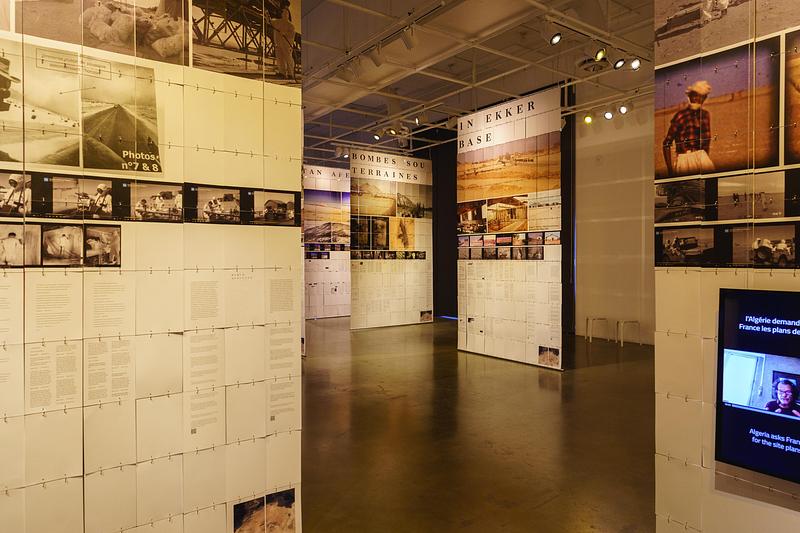
The Reggane and In Ekker bases form the geographical anchor points of the exhibition. Around Reggane, the atmospheric nuclear bombs of the Gerboise series (Blue, White, Red and Green) were exploded, while in the In Ekker sector and on the Tan Afella mountain, the explosion of thirteen underground nuclear bombs took place, including that of Beryl.
The exhibition takes visitors both above and below ground, highlighting the infrastructure, landscapes, and bodies exposed to radioactivity and radiation. It also addresses the realities of survival in these permanently contaminated territories and raises the unresolved question of justice.
Exhibition design
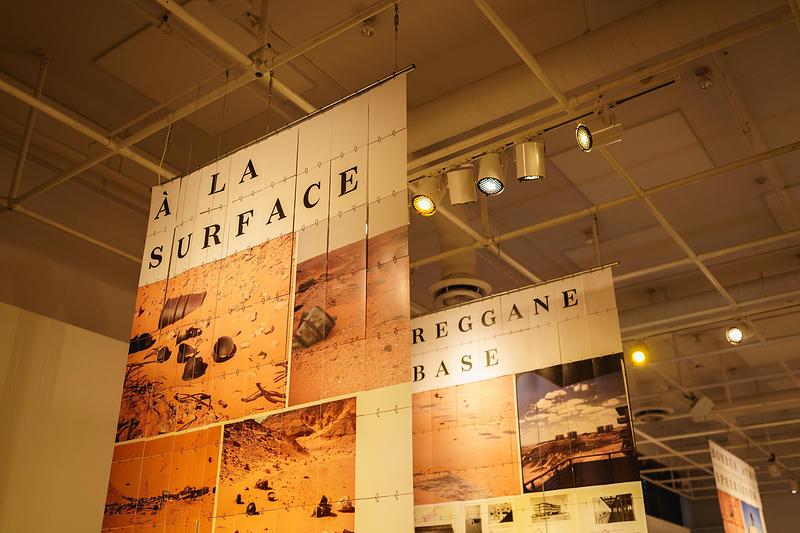
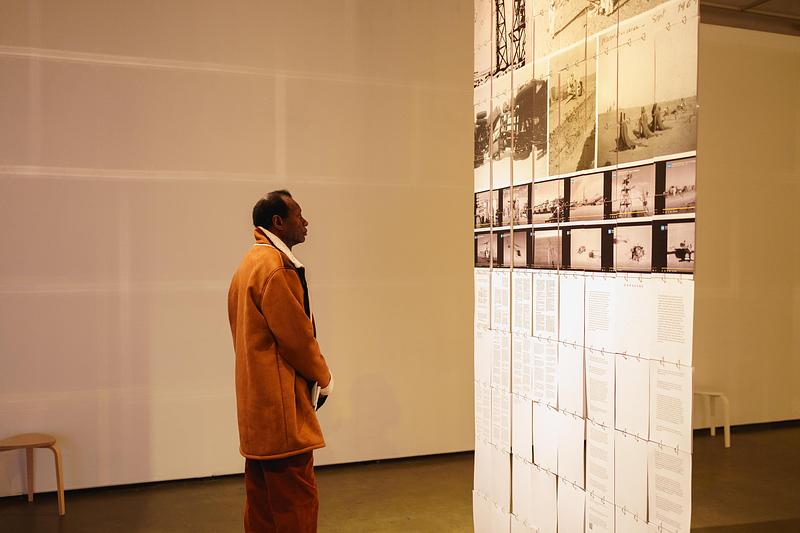
The exhibition unfolds as an immersive multimedia installation, conceived as the opening of an ongoing investigation. Each station presents a distinct facet of the research findings. The space is organized by lightweight partitions made of standard A4 sheets of paper, suspended using binder rings and held in place by metal tubes. Layered in pairs, these sheets form curtain-like partitions, visible from both sides.
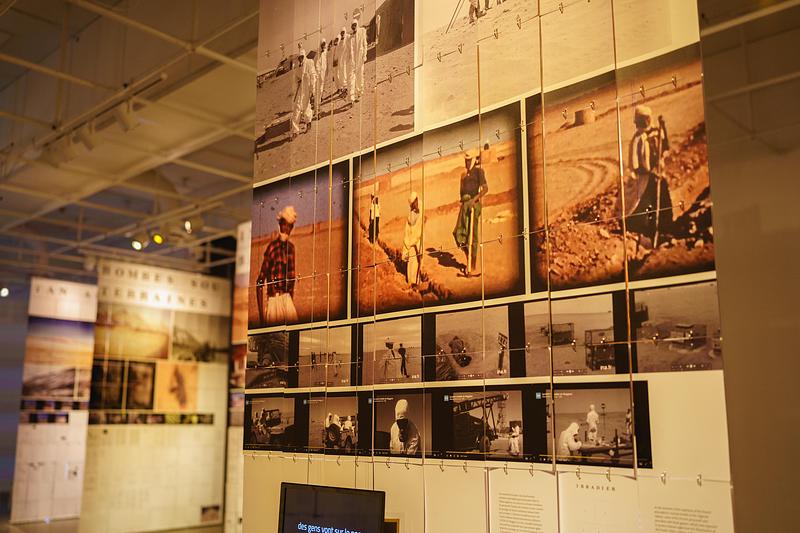
Printed on these supports are a variety of artifacts, ranging from government and military documents to handwritten testimonies from victims. The typed translations are dated and include the translator's name, thus serving as additional witnesses to the narrative. Enlarged archival images and stills from videos filmed in the Sahara are arranged in sequences, allowing for the construction of counter-narratives to the official versions. Some pages are intentionally left blank to suggest the absence and silence of still-classified archives.
Eight televisions displaying filmed testimonies and five projections punctuate the space. An audio track continuously plays ambient desert wind sounds, enveloping visitors and enhancing the immersive experience.
An exhibition based on years of research
This exhibition is part of a broader research project and dissemination project that also includes two books: Colonial Toxicity: Rehearsing French Radioactive Architecture and Landscape in the Sahara (Amsterdam and Zurich, 2024, 2025), a nearly 600-page work that won the Swiss Most Beautiful Books and The Best Dutch Book Designs awards, and Colonial Toxicity: Documenting the Radioactive Landscape in the Sahara (Paris, 2026).
The exhibition also features an open-access digital database, The Testimony Translation Project, a research and translation project that aims to make accessible approximately 40 written testimonies from victims and witnesses of French nuclear bombs in the Algerian Sahara, originally written or recorded in Arabic, Tamahaq, or standard French. All documentation is available for consultation at the UQAM’s Centre de design.
These various methods of spatializing and disseminating information constitute a powerful call to action, demanding the opening of still-secret archives and the decontamination of the sites in question. These two steps are essential for understanding the past, present, and future of colonial toxicity.
A first at UQAM’s Centre de design
The exhibition is being presented for the first time in French at the UQAM’s Centre de design. The original curatorial texts in English are retained alongside the new French translations. Videos, interviews, and other materials appear in their original language (English, French, or Tamasheq), with translations in both French and English. This edition also marks the first complete presentation of this major exhibition since its initial staging at the Framer Framed gallery in Amsterdam in 2023.
“Showing this exhibition at the UQAM’s Centre de design is a necessary step, as it provides a space where research, teaching, and design practice converge. Samia Henni mobilizes tools specific to architecture and design, including drawing, mapping, and spatial visualization, to conduct a genuine investigation and forensic reconstruction of a subject long shrouded in secrecy. She reveals how the architect’s tools can do more than simply construct a building: they can also be used to understand and decipher complex historical and territorial events, to build knowledge, and to take a stand.” – Patrick Evans, Director of UQAM’s Centre de design.
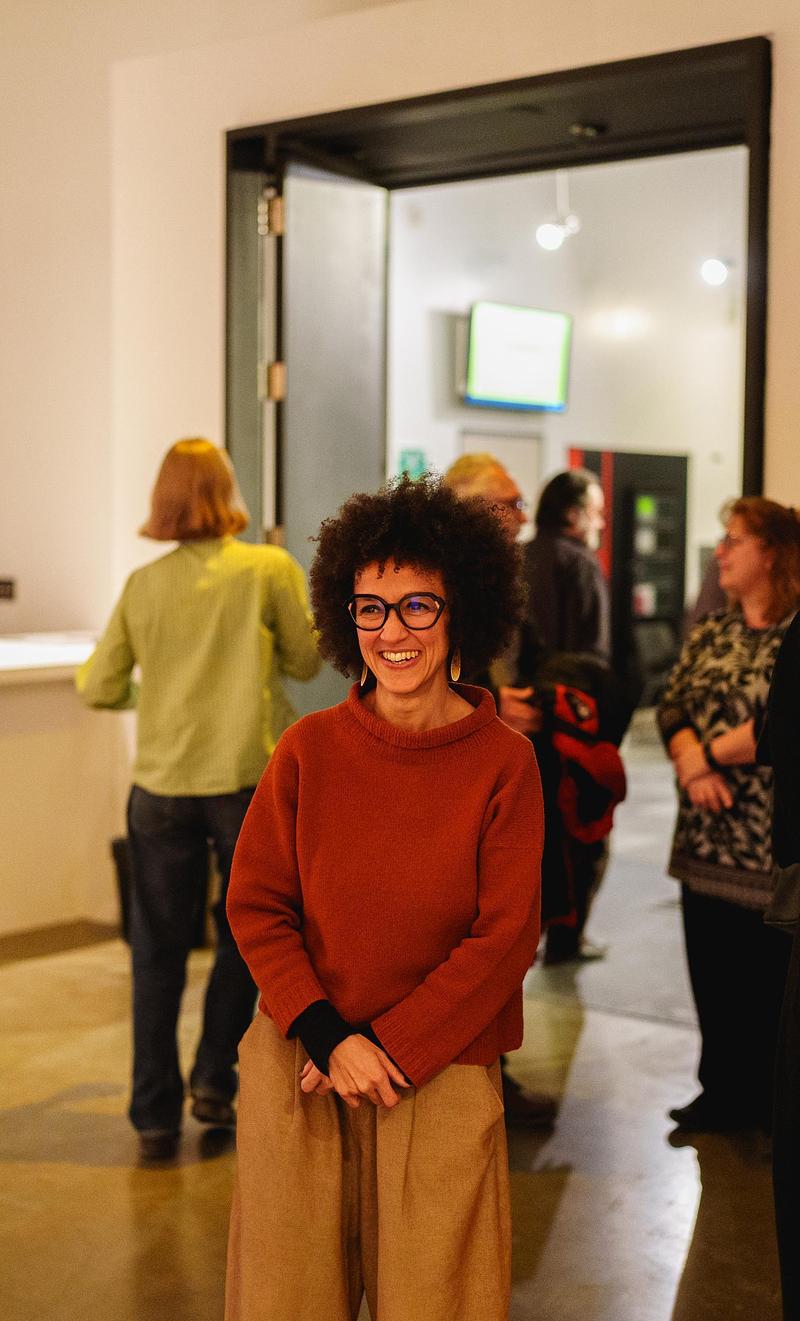
“Designing an exhibition and thinking through it constitutes a form of research and a way to engage a diverse audience. The exhibition has a dual purpose: first, to showcase the architectural and landscape production of radioactivity, as well as the irreversible and ongoing impact of this production and contamination; and second, to juxtapose these with powerful testimonies from victims of nuclear power. The exhibition also serves as a call for the declassification of institutional archives and the decontamination of sites around which Saharan populations still live. For all these reasons, I thank UQAM’s Centre de design for contributing to the international circulation of this exhibition.” – Samia Henni, historian and curator of the exhibition.
Credits and acknowledgments
The original edition of the exhibition, titled Performing Colonial Toxicity (2023), is a co-production of Framer Framed and If I Can't Dance, I Don't Want To Be Part Of Your Revolution, with the support of the Swiss Arts Council Pro Helvetia. The author and curator extends special thanks to: the Observatoire des armements (Arms Observatory), the Établissement de communication et de production audiovisuelle de la Défense (ECPAD) (Defense Audiovisual Production and Communication Establishment), filmmakers Élisabeth Leuvrey and Larbi Benchiha, and producer Farid Rezkallah, for access to images and film excerpts; and Professor Roxanne Panchasi (Simon Fraser University) for her assistance in translating the Algerian testimonies collected in Tamasheq.
About Samia Henni
Samia Henni is an architectural historian and exhibition curator who focuses on built, destroyed, and imagined environments. Employing textual and visual strategies, her practice examines the histories of these environments produced by the processes and mechanisms of colonization, forced displacement, nuclear weapons, resource extraction and war.
Samia Henni's research has resulted in the publication of the award-winning books Architecture of Counterrevolution: The French Army in Northern Algeria (EN, gta Verlag, 2017, 2022, EN; Edition B42, 2019, FR) and Colonial Toxicity: Rehearsing French Radioactive Architecture and Landscape in the Sahara (If I Can't Dance, Framer Framed, edition fink, 2024, 2025, EN; Editions B42, 2026, FR). She is also the editor of Deserts Are Not Empty (Columbia Books in Architecture and the City, 2022, 2025, EN; LetteraVentidue, 2024, IT) and War Zones: gta papers n. 2 (gta Verlag, 2018).
Her research is developed and disseminated through exhibitions, including Performing Colonial Toxicity (first presented at the Framer Framed gallery in Amsterdam in 2023, then in a partial version at ETH Zurich in Switzerland, The Mosaic Rooms gallery in London, chez doc in Paris and the Lightroom Gallery at Carleton University in Ottawa), Discreet Violence (presented in Zurich, Rotterdam, Berlin, Johannesburg, Paris, Prague, Ithaca, Philadelphia, and Charlottesville between 2017 and 2022), Archives: Secret-Defense? (presented in Berlin in 2021) and Housing Pharmacology (presented in Marseille in 2020).
Samia Henni obtained her PhD in the history and theory of architecture from ETH Zurich and has taught at several universities, including ETH Zurich, the University of Technology Sydney, Cornell, and Princeton. She currently teaches at the Peter Guo-hua Fu School of Architecture at McGill University.
Activities alongside the exhibition
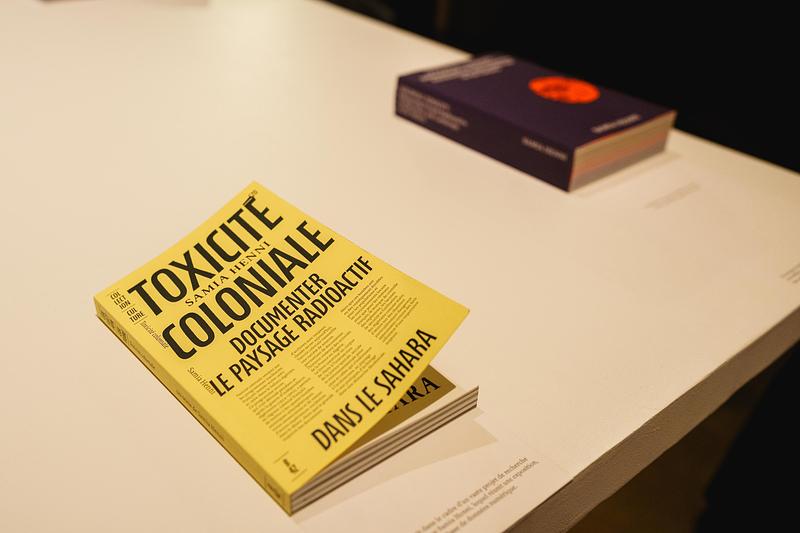
Launch of Samia Henni’s latest publication, Toxicité Coloniale : Documenter le paysage radioactif dans le Sahara, published in French by Éditions B42.
On this occasion, Henni will present how this project came to be and the creative process behind this edition.
When: Thursday, March 12, 2026, at 5:00 p.m.
Where : Canadian Centre for Architecture Library
Guided Tour and Roundtable
Discussion: A guided tour led by Samia Henni, followed by a roundtable discussion with invited guests. This discussion will open a space for reflection on the potential and limitations of exhibition as an investigative practice.
When: Tuesday, March 17, 2026, at 2:00 p.m.
Where: UQAM’s Centre de design
Address and hours of operation
Centre de design de l’UQAM
1440, Sanguinet Street
Montreal
Berri-UQAM Metro Station
Wednesday to Sunday, 12 pm – 18 pm
Free admission
Guided tours of exhibitions for groups
Available at all times
Reservations are required and can be made at centre.design@uqam.ca
Free of charge
Information
Tel. : 514 987-3395
centre.design@uqam.ca
centrededesign.com
Facebook / Instagram / LinkedIn
Partners
Centre de design de l'UQAM
Framer Framed
If I Can't Dance
École de design de l'UQAM
MP
v2com newswire
About UQAM’s Centre de design
UQAM's Centre de design is one of the only venues in Canada to present exhibitions that illustrate historical and current trends in the fields of graphic, industrial, urban design, as well as architecture and fashion.
Founded in 1981 by professors at UQAM's École de design, the Centre has produced over 400 exhibitions, catering to design professionals, students, and the general public. For over 40 years, it has contributed to the development of design culture and its local and international reach, both through the prestigious exhibitions it hosts and through the creation of numerous travelling exhibitions, presented in more than a dozen countries, primarily dedicated to promoting Quebec design.
Located in downtown Montreal, in the heart of the Latin Quarter and the Quartier des Spectacles, it welcomes the public free of charge in its 400 square meters of exhibition space, offers conferences and organizes special events from September to June.
For more information
Media contact
-
Centre de design de l'UQAM
-
Olivier Lapierre, Media Relations Consultant
- olivier.olpr@gmail.com
- 514 583-3868
Attachments
Terms and conditions
For immediate release
All photos must be published with proper credit. Please reference v2com as the source whenever possible. We always appreciate receiving PDF copies of your articles.
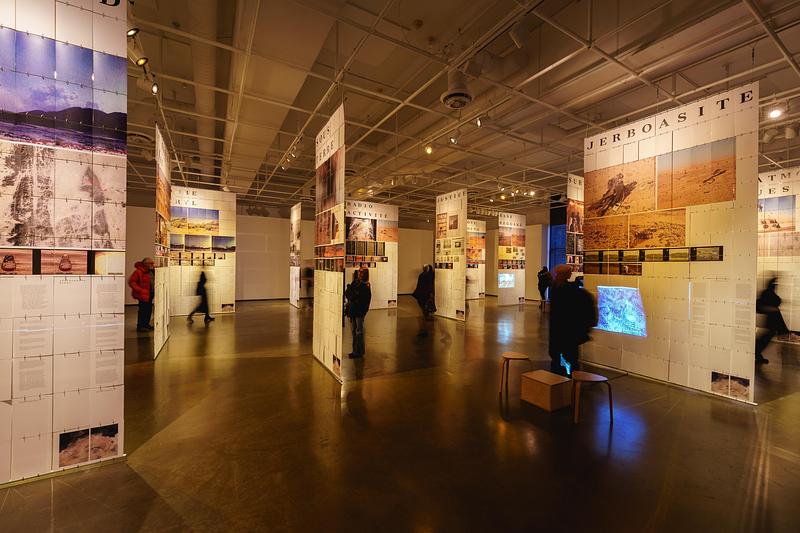
"Toxicité coloniale : Architecture et paysage radioactifs français dans le Sahara" exhibition presented at UQAM's Centre de design, 2026.
High-resolution image : 13.33 x 8.89 @ 300dpi ~ 6.5 MB
High-resolution image : 11.83 x 16.67 @ 300dpi ~ 3 MB
High-resolution image : 13.33 x 8.89 @ 300dpi ~ 6.4 MB
High-resolution image : 13.33 x 8.89 @ 300dpi ~ 8.3 MB
High-resolution image : 13.33 x 8.89 @ 300dpi ~ 8.1 MB
High-resolution image : 13.33 x 8.89 @ 300dpi ~ 6.4 MB
High-resolution image : 13.33 x 8.89 @ 300dpi ~ 6.7 MB
High-resolution image : 13.33 x 8.89 @ 300dpi ~ 6.9 MB
High-resolution image : 13.33 x 8.89 @ 300dpi ~ 9.3 MB
High-resolution image : 13.33 x 8.89 @ 300dpi ~ 8.1 MB
Medium-resolution image : 5.38 x 8.89 @ 300dpi ~ 3.4 MB
High-resolution image : 13.33 x 8.89 @ 300dpi ~ 5.4 MB
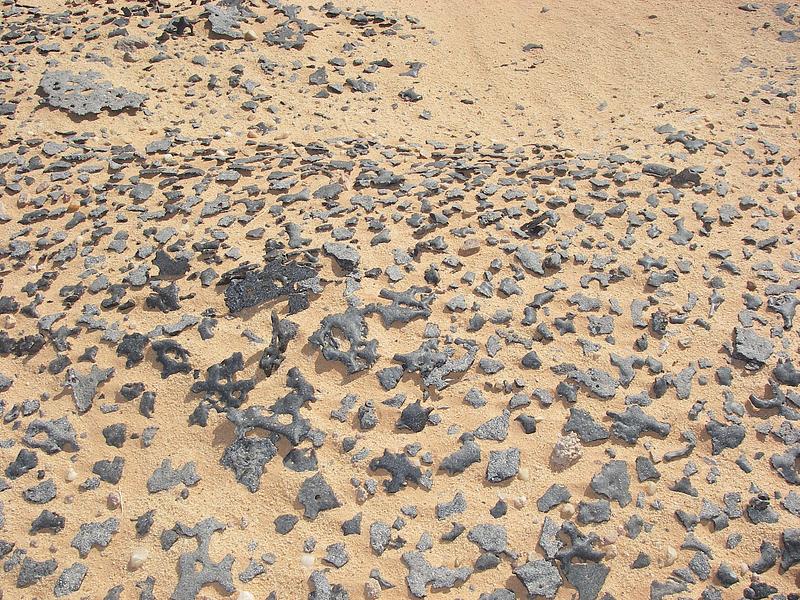
"Blue Gerboise" sand, 2007. Photo credits: Bruno Barrillot. Various metals and materials abandoned in the Sahara around the former Saharan Military Testing Center, Reggane, 2007.
Medium-resolution image : 9.39 x 7.04 @ 300dpi ~ 1.3 MB
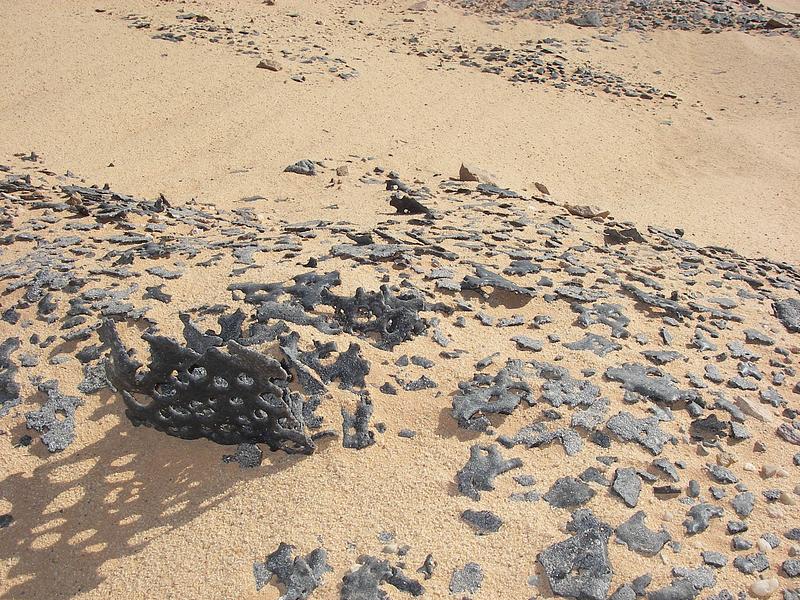
"Blue Gerboise" sand, 2007
Various metals and materials abandoned in the Sahara around the former Saharan Military Testing Center, Reggane, 2007.
Medium-resolution image : 9.39 x 7.04 @ 300dpi ~ 1.2 MB
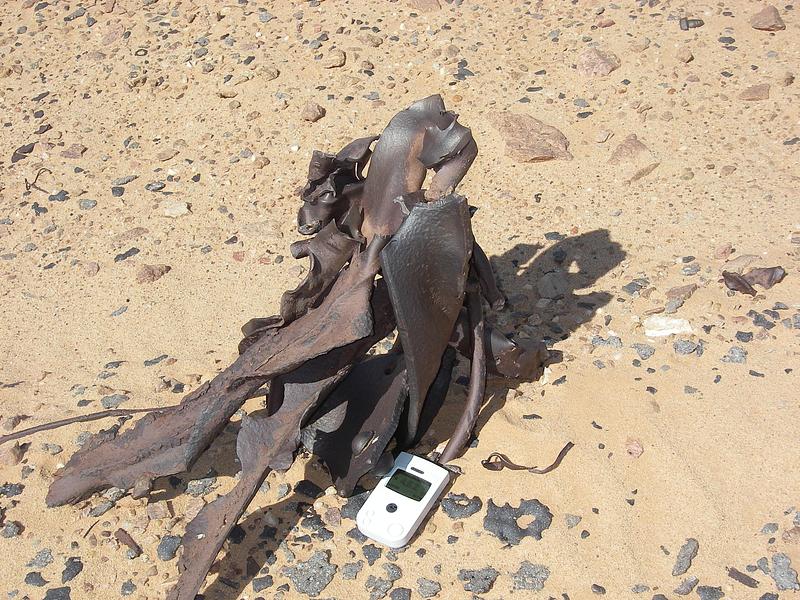
Metals “Blue Gerboise”, 2007. Various metals and materials abandoned in the Sahara around the former Saharan Military Testing Center, Reggane, 2007.
Medium-resolution image : 9.39 x 7.04 @ 300dpi ~ 1.2 MB
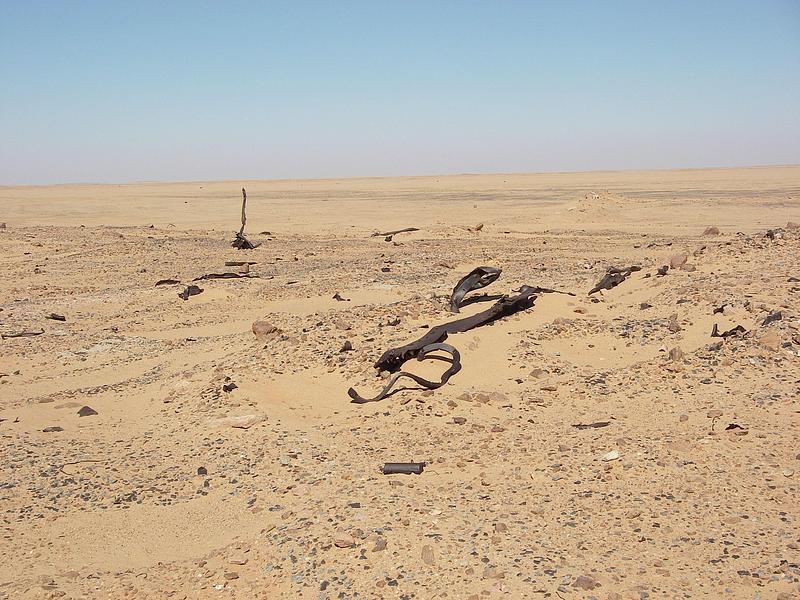
Medium-resolution image : 9.39 x 7.04 @ 300dpi ~ 1.2 MB
Medium-resolution image : 9.39 x 7.04 @ 300dpi ~ 1.3 MB
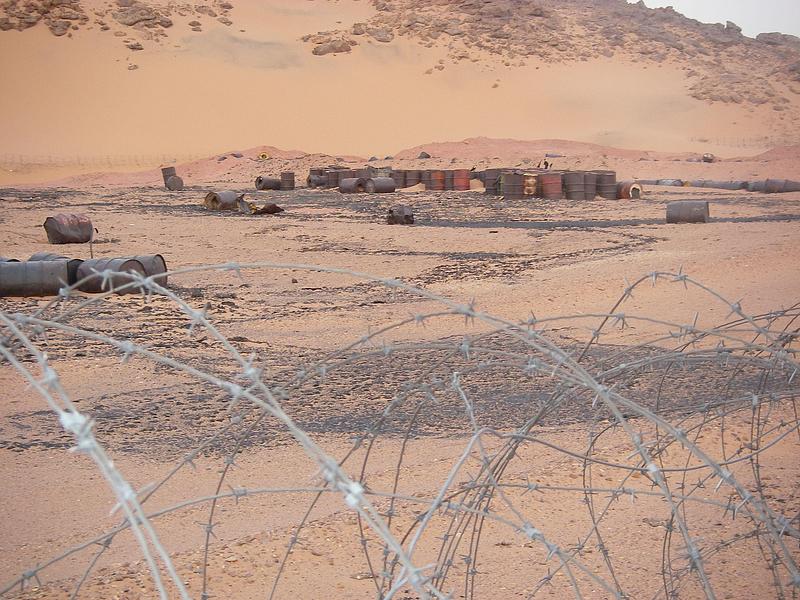
Abandoned barrels in the Sahara around the former Reggane Saharan Military Testing Centre, 2007,
Medium-resolution image : 9.39 x 7.04 @ 300dpi ~ 1.2 MB
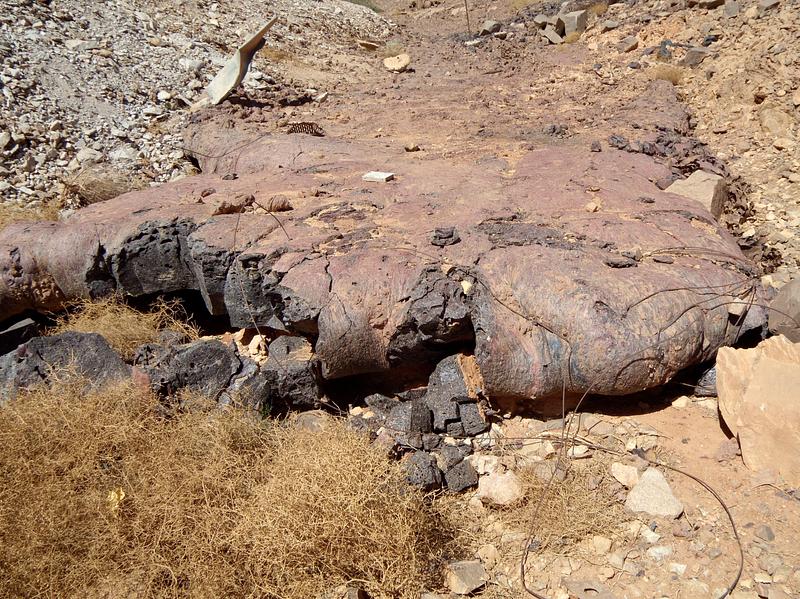
Radioactive lava flow, 2010. Solidified radioactive lava flow generated by the unconfined underground nuclear explosion of the Beryl bomb in the Taourirt Tan Afella massif, In Ekker, May 1, 1962.
High-resolution image : 11.02 x 8.25 @ 300dpi ~ 6.8 MB
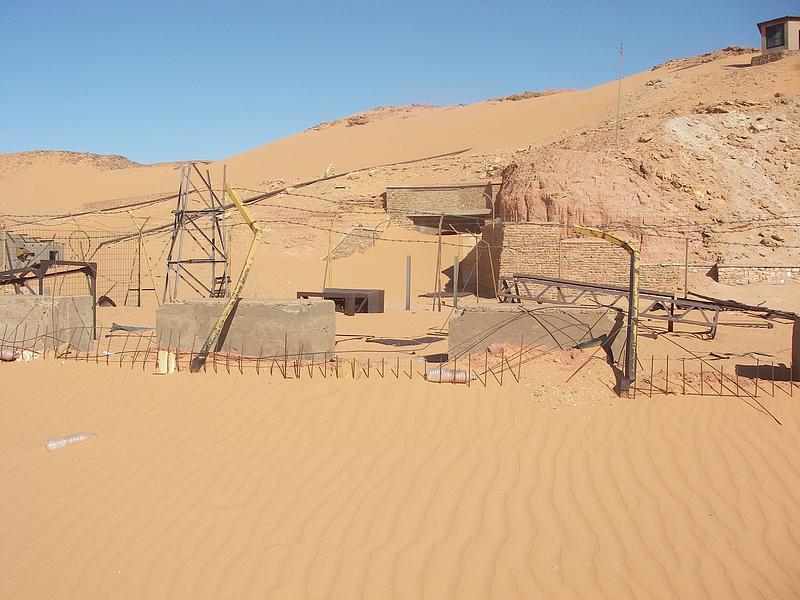
Views of the buildings of the former Saharan Military Experimentation Centre, Reggane, 2007.
Medium-resolution image : 9.39 x 7.04 @ 300dpi ~ 1.2 MB
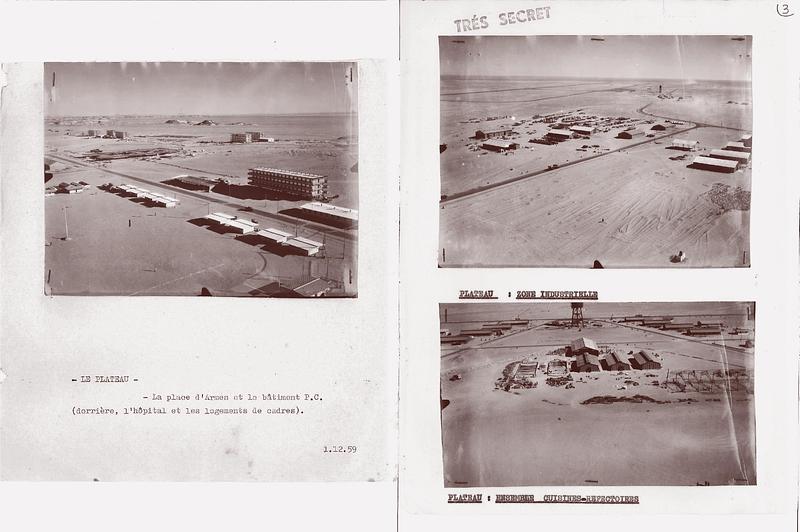
Excerpts from Samia Henni's book Colonial Toxicity: Rehearsing French Radioactive Architecture and Landscape in the Sahara (Amsterdam: If I Can’t Dance and Framer Framed; Zurich: edition fink, 2024, 2025), pages 116–117.
Photographs by an unknown author (a French veteran) provided by MA and MG. The images illustrate the construction of the Reggane plateau, 1959–1960.
Medium-resolution image : 9.03 x 6.0 @ 300dpi ~ 2.1 MB
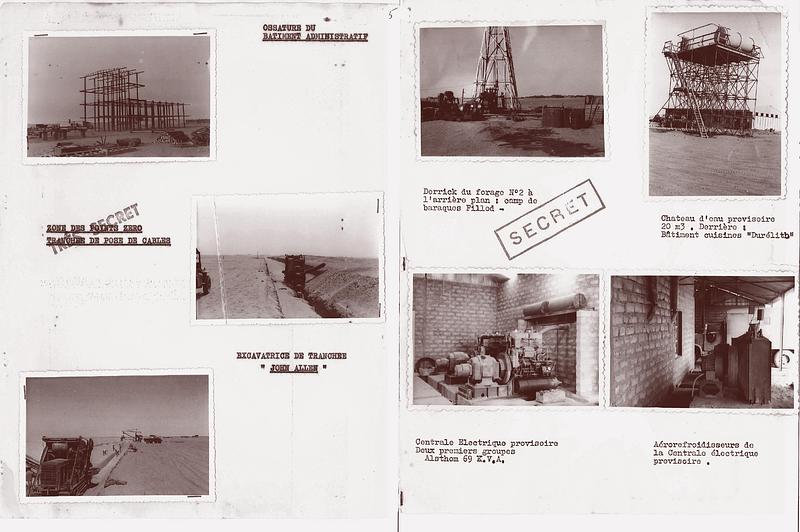
Photographs by an unknown author (a French veteran) provided by MA and MG. The images illustrate the construction of the Reggane plateau, 1959–1960.
Medium-resolution image : 9.03 x 6.0 @ 300dpi ~ 2.2 MB
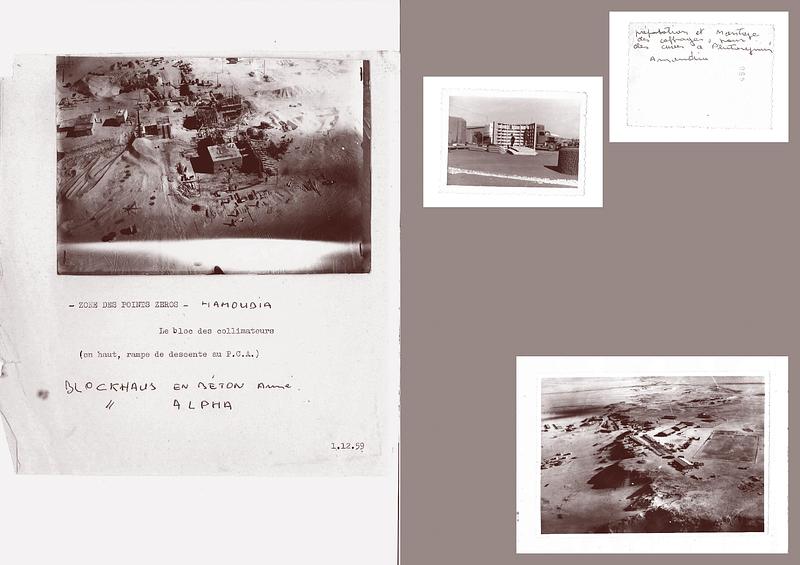
Left page: Photographs by an unknown author (a former French veteran) provided by Mr. A. and Mr. G. The images illustrate the construction of the Reggane plateau, 1959–1960. © Mr. A. and Mr. G.
Right page: Photographs by an unknown author (a former French veteran) showing the construction of Hamoudia, 1959.
Medium-resolution image : 9.03 x 6.37 @ 300dpi ~ 1.9 MB
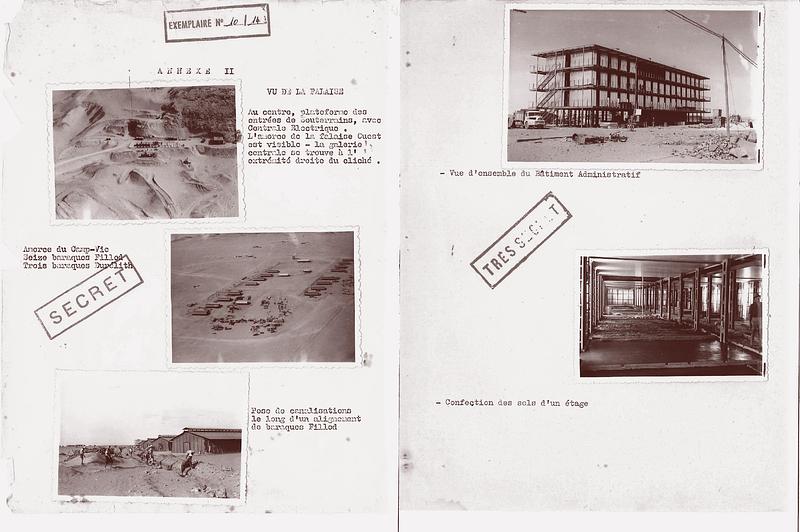
Photographs by an unknown author (a French veteran) provided by MA and MG. The images illustrate the construction of the Reggane plateau, 1959–1960.
Medium-resolution image : 9.03 x 6.0 @ 300dpi ~ 2.2 MB
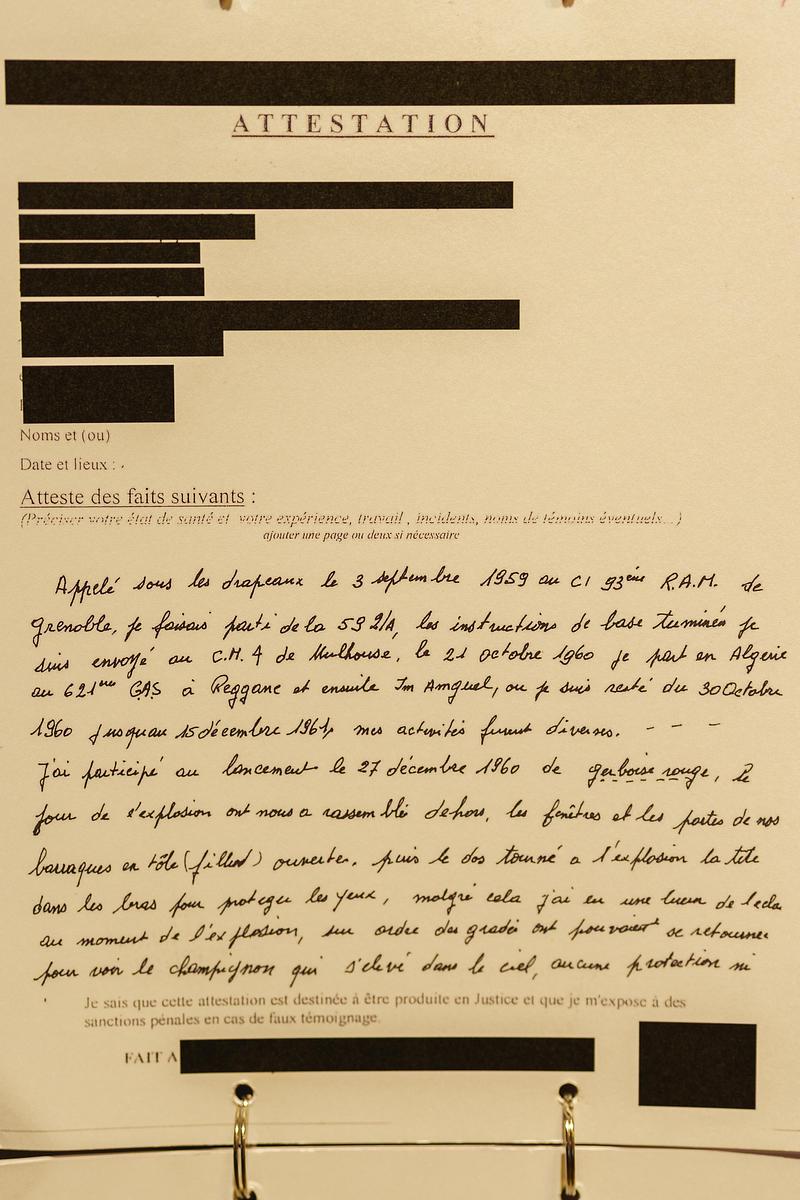
Scan of original testimony of Marcel M, collected by the Observatoire des Armements in collaboration with the Association of the Veterans of the French Nuclear Tests and their families. To protect the privacy of the witnesses, identifying information has been redacted.
High-resolution image : 8.89 x 13.33 @ 300dpi ~ 6.9 MB
Advertising
You may also like...
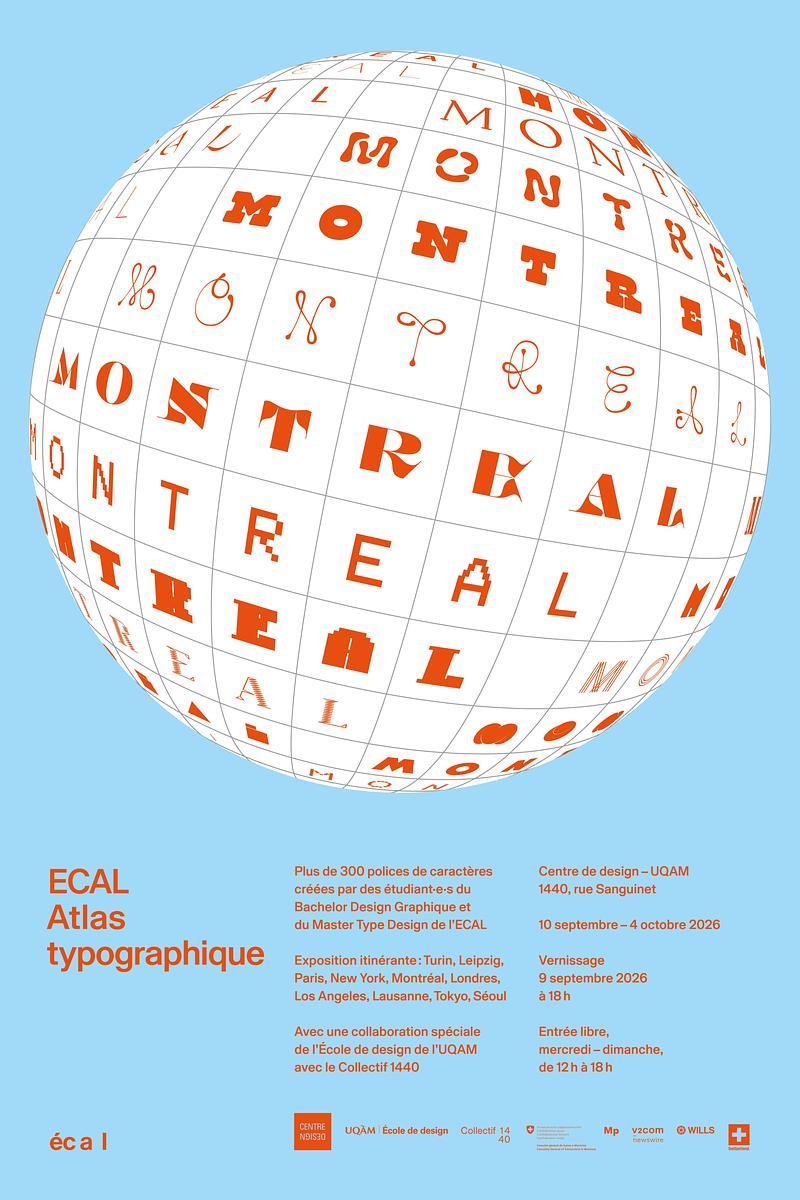
Montreal, Canada, 2026-09-08
UQAM’s Centre de design Presents "ECAL A Typographic Atlas"
Centre de design de l'UQAM
Montreal, Canada, 2025-09-08
The UQAM Design Center Presents Versicolore: The Graphic World of Fanette Mellier
Centre de design de l'UQAM

Montréal, Canada, 2019-11-22
50 years of creativity: the UQAM Centre de Design presents Graphic Design on the Move!
Centre de design de l'UQAM
Montréal, Canada, 2017-08-28
Montréal’s Geodesic Dreams: Exhibition at UQAM Centre de Design
Centre de design de l'UQAM
Montréal, Canada, 2016-11-08
Incisive Images: A Nelu Wolfensohn Poster Retrospective at the UQAM Design Center
Centre de design de l'UQAM
Montréal, Canada, 2015-12-15
Winter-Spring 2016 programming at the UQAM Centre de Design
Centre de design de l'UQAM
Montréal, Canada, 2015-10-29
The work of architectural firm Papineau Gérin-Lajoie LeBlanc at the UQAM Centre de Design
Centre de design de l'UQAM
Division No. 18, Unorganized, Canada, 2015-09-04
Drawings by the renowned Canadian architect Arthur Erickson to be presented at the UQAM Centre de Design
Centre de design de l'UQAM
Montréal, Canada, 2015-05-01
Place à la relève au Centre de design de l’UQAM
Centre de design de l'UQAM
Montreal, Canada, 2014-09-03
The PACKPLAY exhibition at the UQAM Centre de Design: intelligent packaging
Centre de design de l'UQAM
Montreal, Canada, 2014-06-29
Fall 2014 programming at the UQAM Centre de Design
Centre de design de l'UQAM
Montreal, Canada, 2014-05-19
"Alfred en liberté": Alfred Halasa posters at the UQAM Centre de Design
Centre de design de l'UQAM
Montreal, Canada, 2014-04-27
The Spring of design: Future designers expose themselves to the Centre de design de l'UQAM
Centre de design de l'UQAM
Montreal, Canada, 2013-12-18
Winter 2014 Programming at the UQAM Centre de Design
Centre de design de l'UQAM
Montreal, Canada, 2013-06-26
UQAM Centre de Design Program for 2013 – 2014
Centre de design de l'UQAM
Montreal, Canada, 2013-05-26
Exhibition Gros plan, l’art de l’affiche de Michel Bouvet
Centre de design de l'UQAM
Montreal, Canada, 2013-04-18
Le Printemps du design : exhibition of the graduates at UQAM
Centre de design de l'UQAM
Montreal, Canada, 2012-09-24
To be and to communicate
Michel W. Kagan, architect and pedagogue (1953-2009)
Centre de design de l'UQAM
Montreal, Canada, 2012-05-08
« Madame Monsieur » Exhibition of the graduates in graphic design, promotion 2012
Centre de design de l'UQAM
Montreal, Canada, 2011-09-14
Exhibition LINO at the Centre de design de l’UQAM
Centre de design de l'UQAM
Jerusalem, Israel, 2026-08-18
Jerusalem Design Week 2026 "Match Point" – Exploring Sport Through Contemporary Design
Jerusalem Design Week
Montpellier, France, 2026-07-30
"Panache de Lumière", People's Choice Award winner of the Festival des Architectures Vives 2026
Ateliers A+
Montpellier, France, 2026-07-21
Celebrating 20 Years of the Festival des Architectures Vives in Montpellier
Champ Libre Association
Amsterdam, Netherlands, 2026-07-15
Concrete Unveils 77, an Immersive Nightlife and Event Space Hidden Beneath the Streets of London and the BoTree Hotel
concrete amsterdam
Lugano, Switzerland, 2026-07-02
6ª biennale svizzera del territorio
Istituto Internazionale di Architettura
Montreal, Canada, 2026-05-13
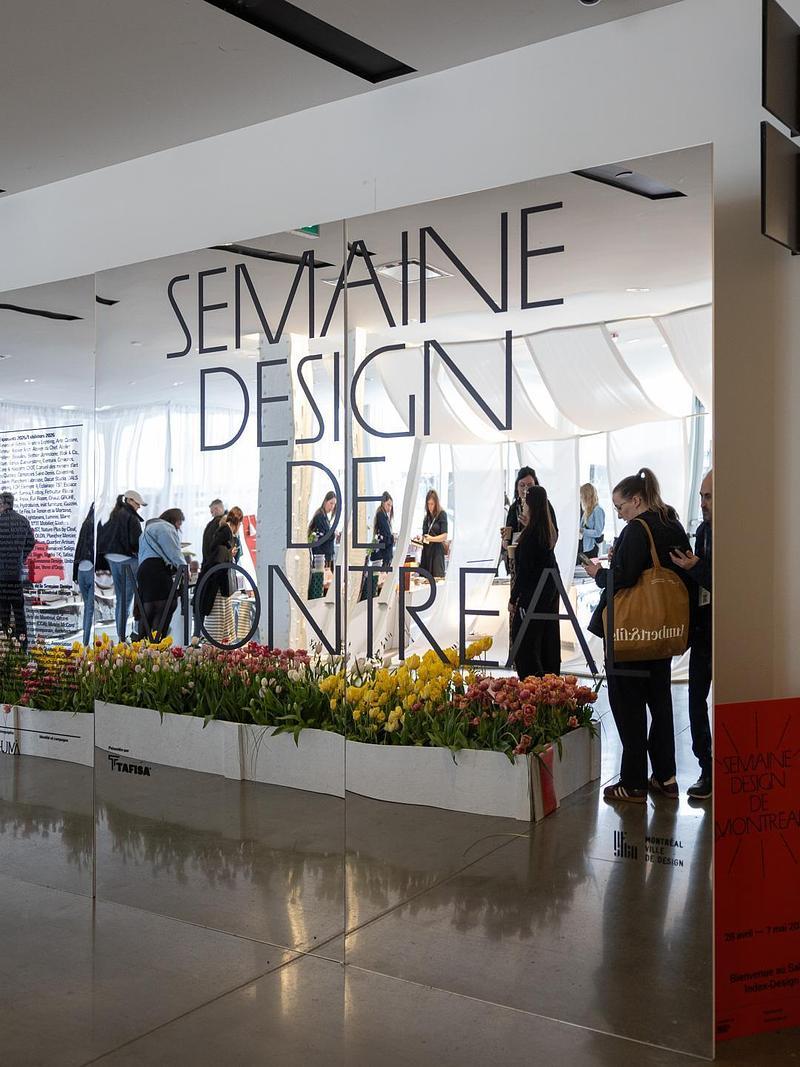
Montréal Design Week Makes a Powerful Debut
Index-Design and Archi-Design QC
Montpellier, France, 2026-04-27