Press kit no. 3326-05
Journalists, explore this publication-ready project. Create a free v2com media account to download high-resolution images.
Create a media account
Press Kit | no. 3326-05
UQAM’s Pavillon de Design Receives the Royal Architectural Institute of Canada’s Prestigious Prix du XXe siècle
Université du Québec à Montréal
Université du Québec à Montréal (UQAM) is proud to announce that its pavillon de Design has been awarded the Royal Architectural Institute of Canada’s (RAIC) Prix du XXe siècle, which recognizes outstanding architectural achievements of the last century. The RAIC highlights the building’s architectural excellence, sustainable qualities, and the university’s responsible stewardship since its inauguration in 1995.
A modern building remarkably integrated into the Quartier Latin
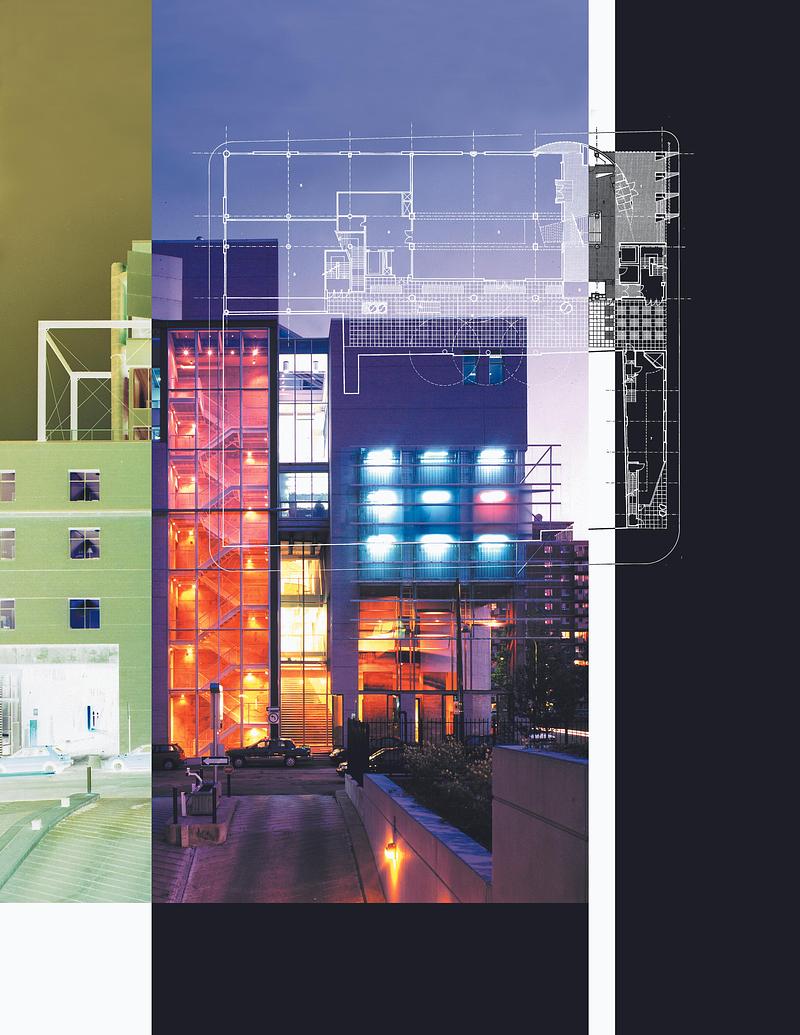
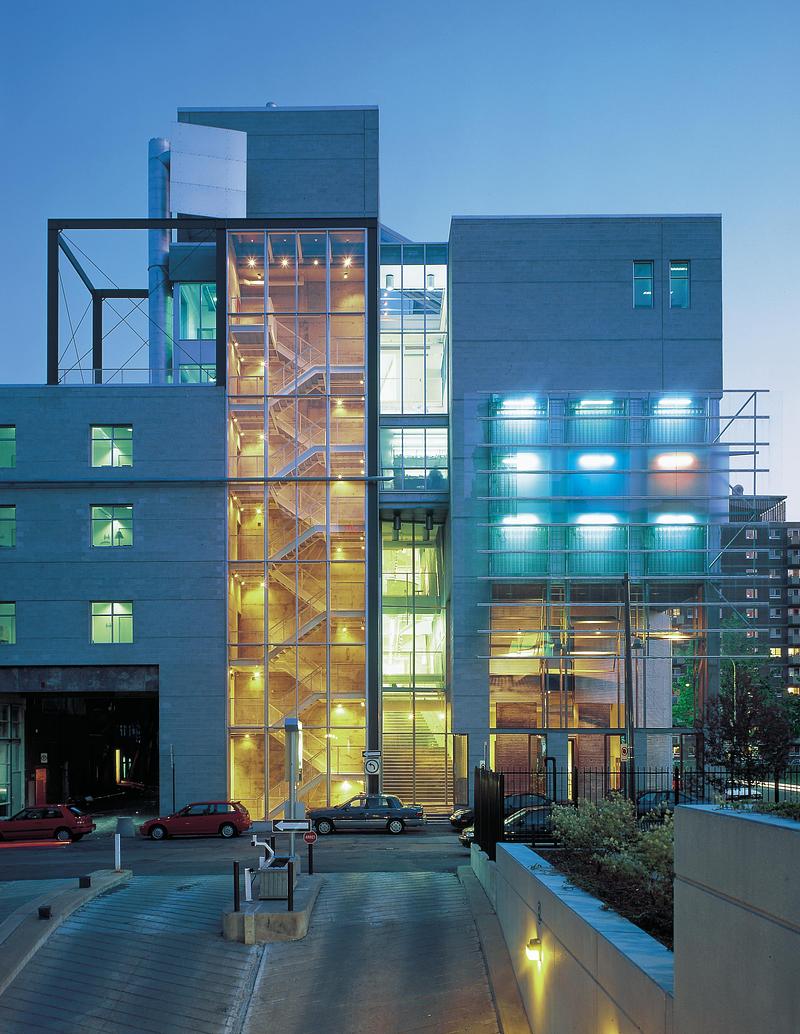
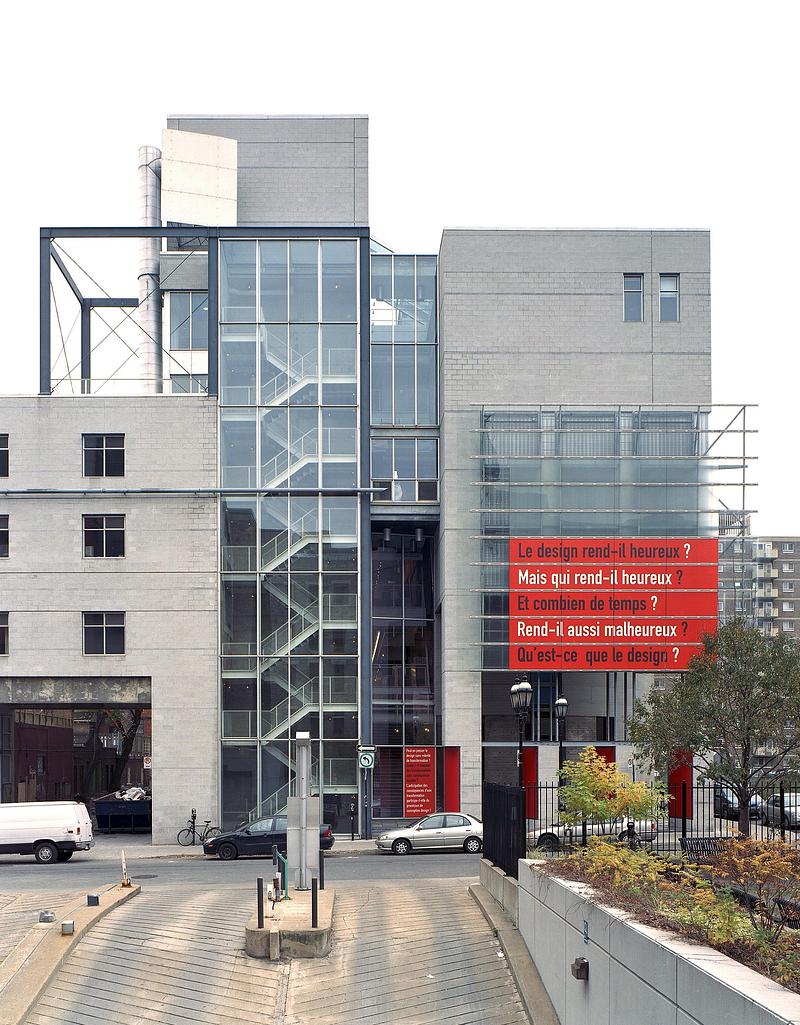
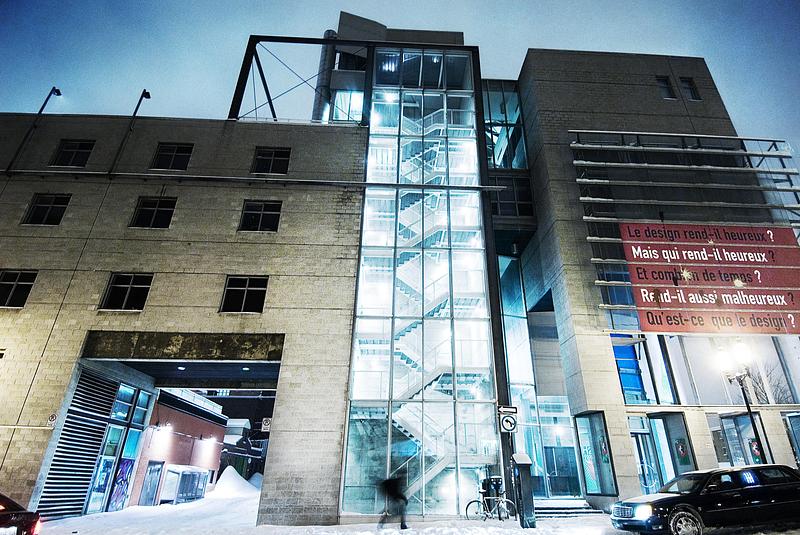
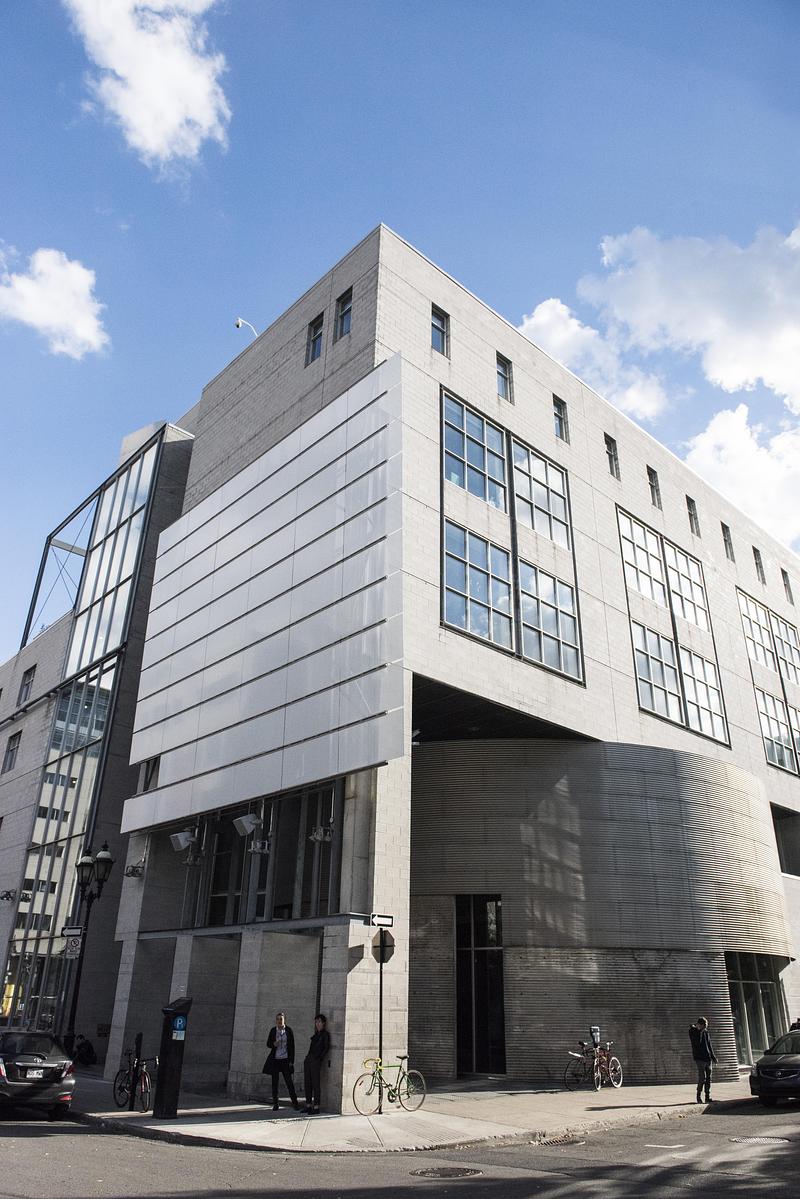
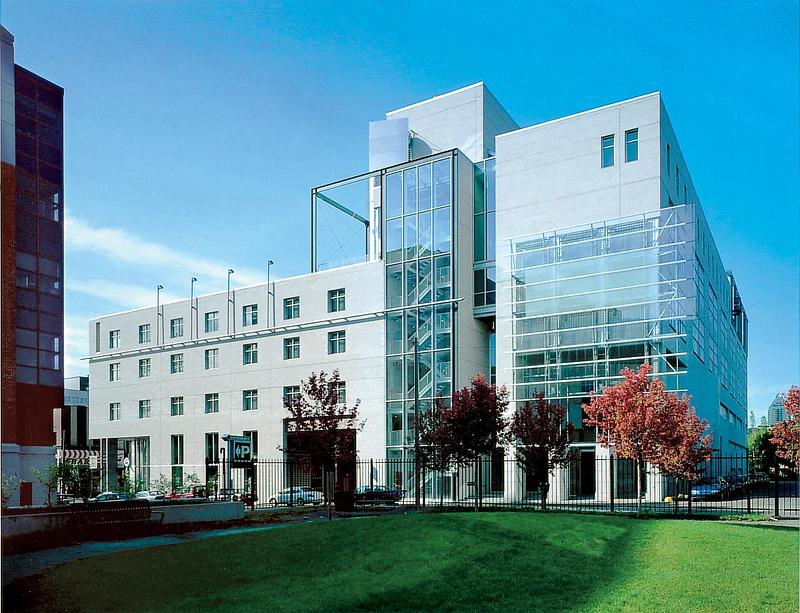
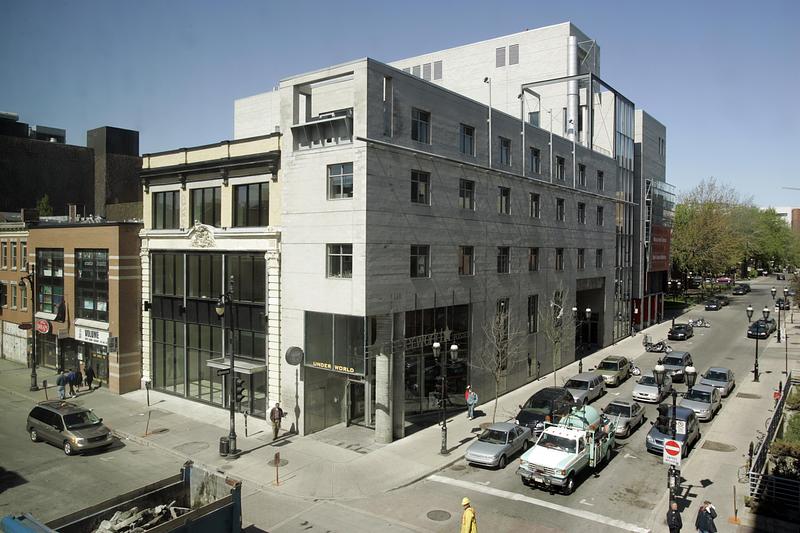
Located at 1440 Sanguinet in Montreal, the pavillon de Design was conceived by Dan Hanganu Architects and was built between 1994 and 1995. The project was driven by the vision of UQAM and its École de design.
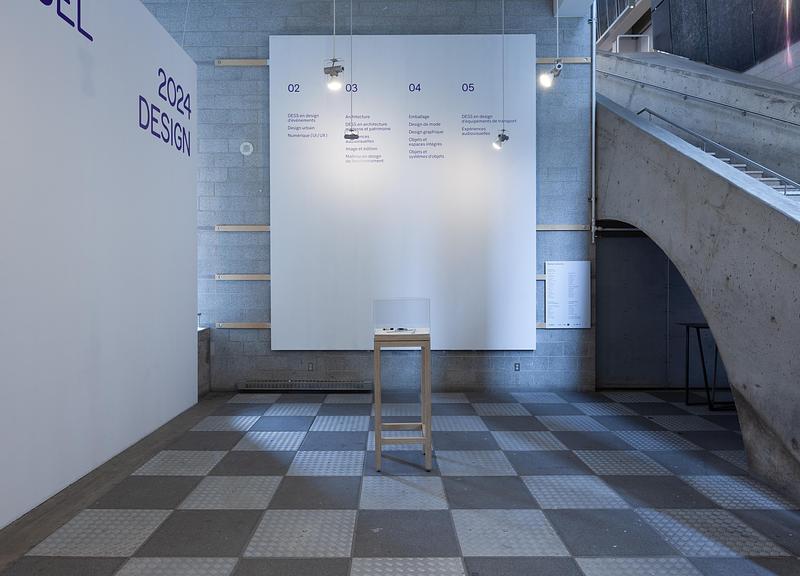
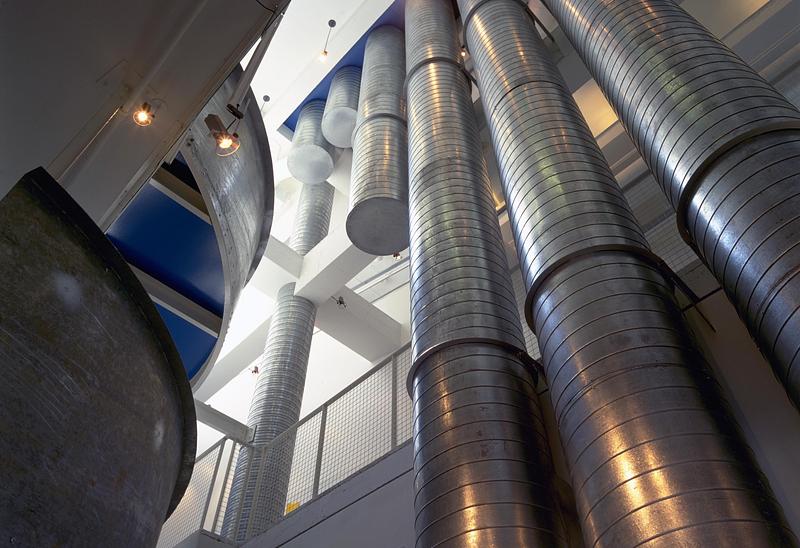
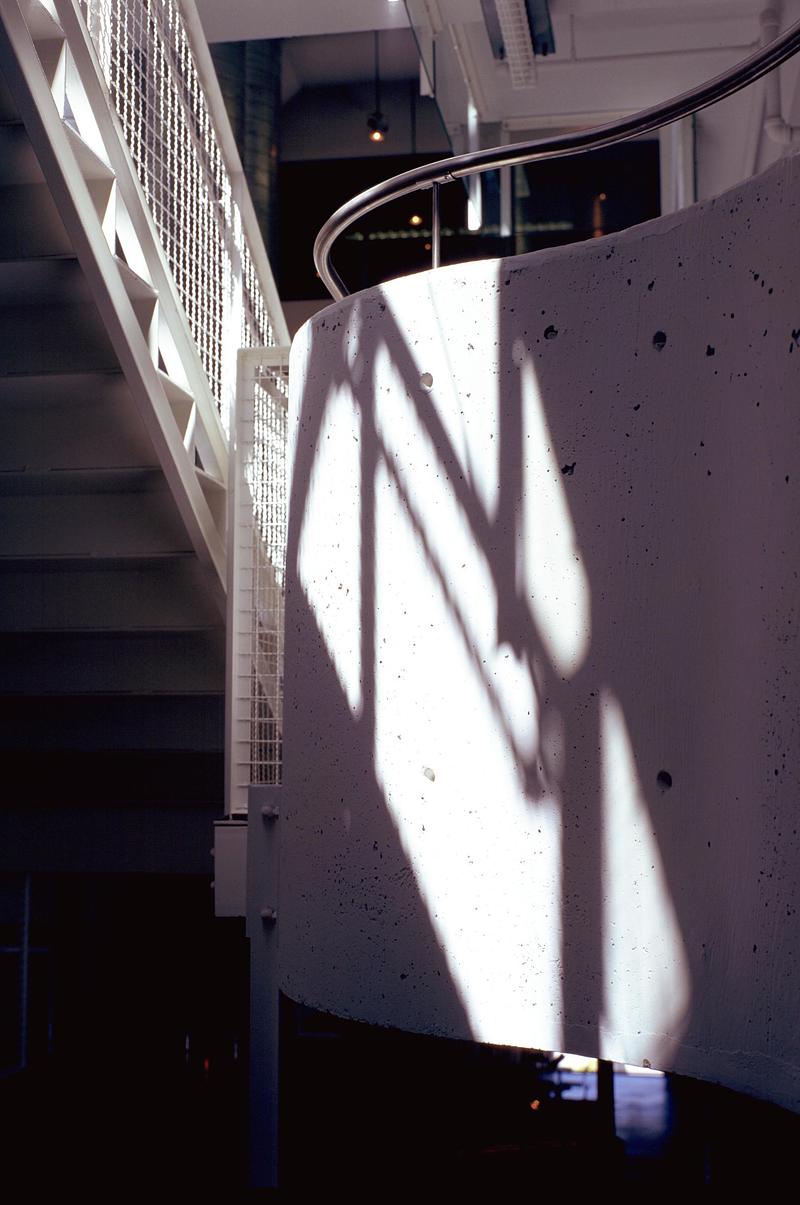
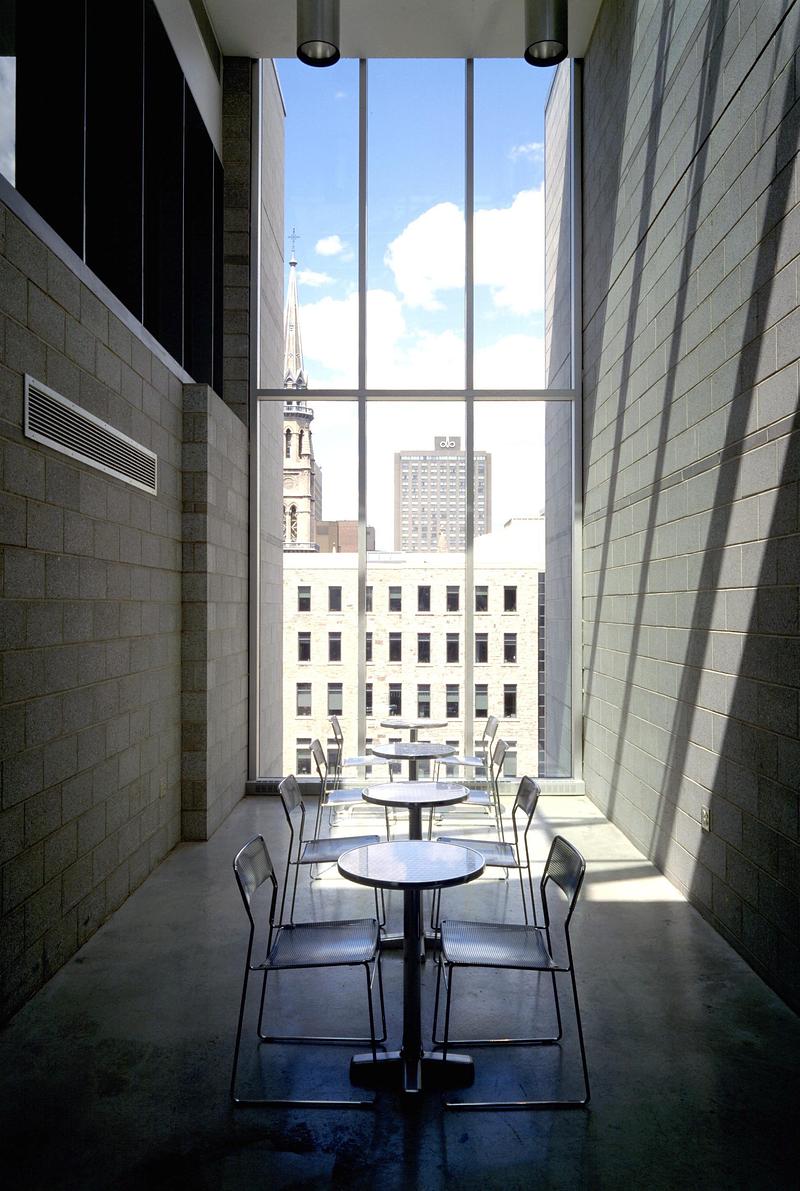
Dominated by steel and glass, the building makes extensive use of natural light. Layers of transparency — created through glass blocks and metal grilles — reinforce the idea of the pavilion as a public space open to the city and connected to the Quartier Latin.
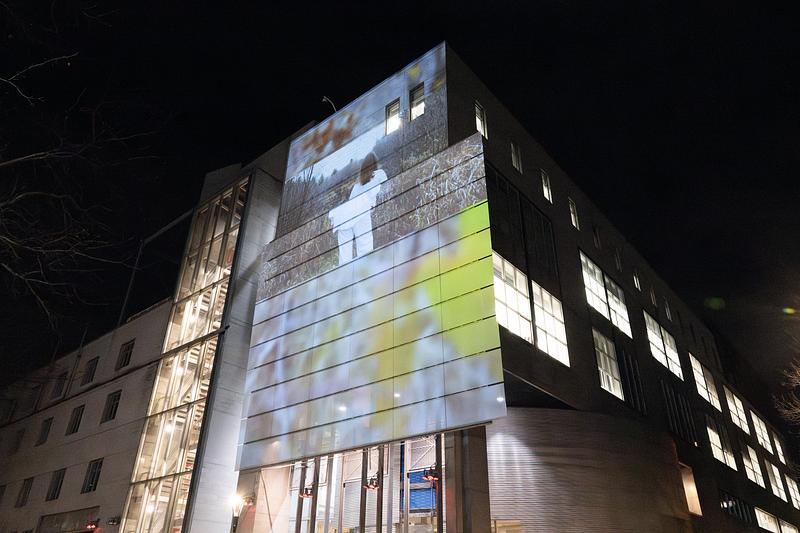
A work of art by Pierre Leclerc completes the pavilion, integrated into the building’s façade. It consists of a 12-square-metre galvanized steel structure featuring 72 clear and frosted glass panels. Equipped with movable elements, the artwork can serve as a support for various graphic interventions and animated projections.
Since its opening, the pavillon de Design has become a key hub for creation, learning, and exchange, serving the university community, UQAM’s partners, emerging artists, the citizens of Montreal, and visitors alike.
The unique concept behind the building has been recognized in the past. In 1996, Dan Hanganu received the Ordre des architectes du Québec Award of Excellence, followed in 1999 by the Governor General’s Medal in Architecture for the pavilion. In 2015, UQAM also honoured the architect’s career by awarding him an honorary doctorate in recognition of the strength and coherence of his work. After passing away in 2017, his architectural and cultural legacy is considered one of the most significant in Quebec. He received numerous distinctions, including being appointed a Member of the Order of Canada in 2010, being named a Knight of the Ordre national du Québec (2005), and receiving the RAIC Gold Medal (2008) and the Ordre des architectes du Québec Medal of Merit (2009).
“UQAM is committed to designing spaces that go beyond their primary function. The pavillon de Design lies at the heart of the Quartier Latin and is fully integrated into its surroundings. It engages in dialogue with the neighbourhood and downtown, contributes to their vitality, and fosters encounters, particularly cultural and educational ones," said Stéphane Pallage, Rector of UQAM. "This award also confirms UQAM’s commitment to excellence, ecoresponsibility, and innovation, as well as its active role in developing inspiring living environments for the community and the neighbourhood in which it operates.”
A stimulating environment for creation and learning
The pavilion houses the École de design and the Centre de design, whose activities directly benefit from an environment that stimulates the creativity of those who move through and appropriate its spaces—through teaching, learning, exhibitions and numerous artistic activities.
The intention to embrace the school’s formative role as a privileged place for teaching design and architecture was central to the pavilion’s design, to which architect Gilles Prud’homme contributed as an early collaborator of Dan Hanganu. The pavilion was conceived as a place of representation and social interaction, as well as discovery and exploration, reflecting the school’s unique identity, where “seeing and being seen” gives meaning to the celebration of transmission inherent to design.
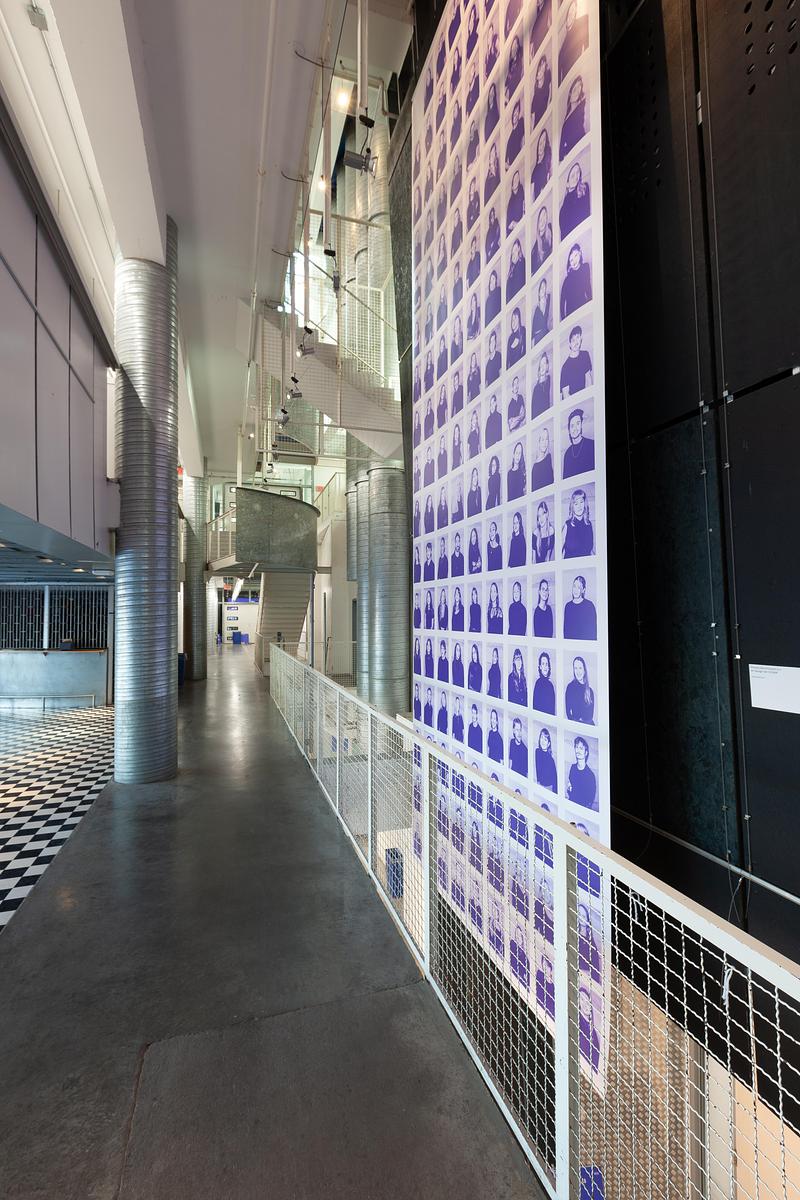
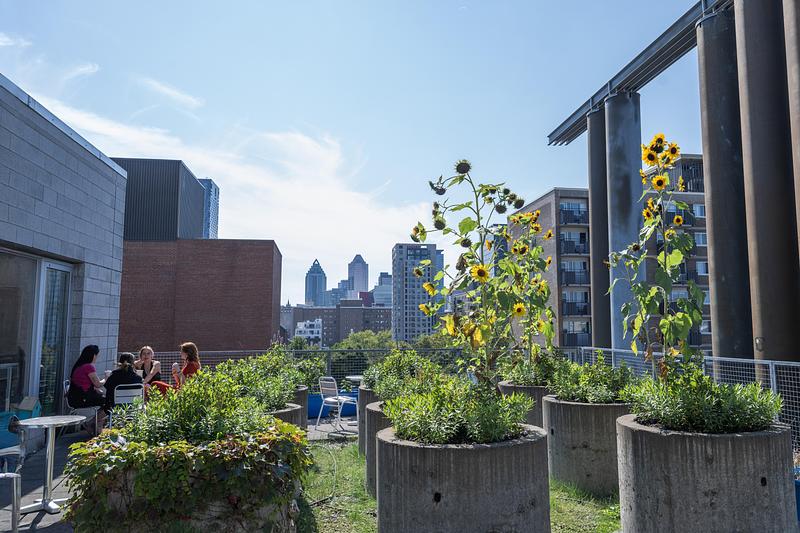
Studio floors are interwoven with office and classroom levels, each composed of adaptable spaces, solids, and voids that animate the heart of the school and structure the rhythm of academic life within the pavilion. The generosity of the architecture also provides abundant natural light from the large opening toward the rooftop terrace, conceived as the culmination of the upward journey.
“Occupying this pavilion on a daily basis profoundly transforms the way we teach, learn, create, and collaborate. The spaces were designed to foster exchange, research and cultural activities, and experimentation," noted Thomas-Bernard Kenniff, Director of UQAM’s École de design. "The RAIC award recognizes not only the architectural quality of the site, but also the extraordinary efforts of all those involved in the project over time. It celebrates the tangible impact its design has had on the academic and creative life of our École de design, as well as on the design community. This distinction carries particular significance as the École de design has just celebrated its 50th anniversary, while the pavilion marks its 30th year.”
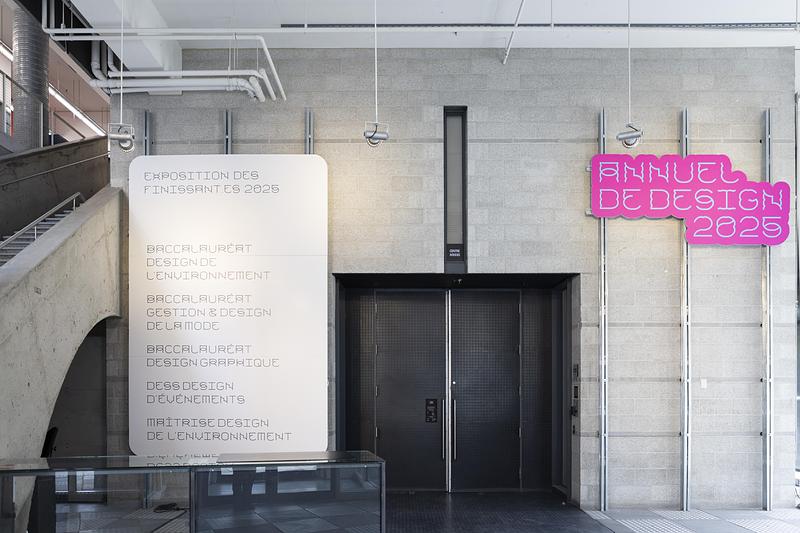
The Annuel de design, UQAM’s Annual Design Exhibition showcasing the creative and innovative work each year of graduating students from UQAM’s École de design, also makes full use of these intermediate and adaptable spaces, spreading across all six floors of the pavilion. This multidisciplinary exhibition, featuring projects in architecture, object design, fashion design, typography, and illustration, is a must-see event for discovering emerging talent and the trends shaping the future of Quebec design. This year, it will take place from May 7-20.
Technical sheet
Architects
Dan S. Hanganu, architectes
Projecgt manager
Gilles Prud'homme, architecte
Collaborators
Guillaume de Lorimier, Earl Murphy, Rose-Marie Tariant, François Poirier, Marie-Danielle Faucher, Andrew Zygal, Alex Touikan, Viorel Indries, Radu C. Jean
Engineers
Structural: Boulva, Kadanoff, Saia, Deslauriers
Mechanical and Electrical: La Société d'experts-conseils Pellemon inc.
About UQAM
Dynamic and innovative since its founding in 1969, UQAM was a pioneer in Quebec in integrating design as a field of university study. Whether in eco-responsible design, digital creation, visual identity, or interventions in public space, UQAM has trained more than 5,000 graduates in this field and has made its mark in Quebec and internationally.
UQAM offers more than 375 programs across three levels of study to approximately 35,000 students. Its teaching and research span a wide range of disciplines: arts, communications, health sciences, social sciences, political science and law, science, management, and education.
The University stands out for its multidisciplinary research, firmly rooted in its environment and communities, and positions itself as a highly creative institution committed to Montreal’s socioeconomic, scientific, and cultural development.
For more information
Media contact
-
Cyrille Batalla
-
Communication Officer
Press Relations and Special Events Division
Communications Service - batalla.cyrille@uqam.ca
- 514 987-3000, ext. 7975
Attachments
Terms and conditions
For immediate release
All photos must be published with proper credit. Please reference v2com as the source whenever possible. We always appreciate receiving PDF copies of your articles.
High-resolution image : 9.06 x 11.73 @ 300dpi ~ 37 MB
High-resolution image : 8.64 x 11.16 @ 300dpi ~ 8.1 MB
Medium-resolution image : 7.94 x 10.18 @ 300dpi ~ 6.3 MB
Very High-resolution image : 20.48 x 13.71 @ 300dpi ~ 20 MB
Very High-resolution image : 16.37 x 24.53 @ 300dpi ~ 14 MB
Very High-resolution image : 25.48 x 16.99 @ 300dpi ~ 49 MB
Very High-resolution image : 20.0 x 13.33 @ 300dpi ~ 4.6 MB
Very High-resolution image : 17.32 x 12.48 @ 300dpi ~ 10 MB
Medium-resolution image : 9.73 x 6.66 @ 300dpi ~ 4 MB
Medium-resolution image : 6.58 x 9.92 @ 300dpi ~ 3.5 MB
Very High-resolution image : 12.48 x 18.72 @ 300dpi ~ 10 MB
Medium-resolution image : 6.49 x 9.67 @ 300dpi ~ 4.5 MB
Very High-resolution image : 23.83 x 15.88 @ 300dpi ~ 8.7 MB
Low-resolution image : 4.88 x 3.74 @ 300dpi ~ 1.7 MB
High-resolution image : 11.68 x 7.79 @ 300dpi ~ 6.4 MB
Advertising
You may also like...
Toronto, Canada, 2026-10-21
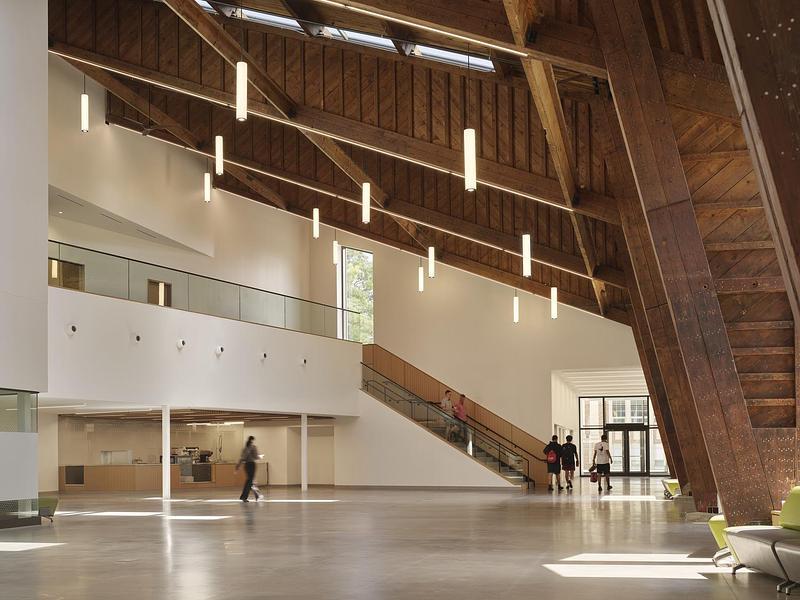
De La Salle College John Hunt Student Life Centre
Moriyama Teshima Architects
Céragrès Studio: From Concept to Material. A New Destination for Design.
Discover Céragrès Studio: a brand-new space in the heart of Mile-Ex, bringing together materials, furniture, and expertise. Designed as a true resource hub for design and architecture professionals, the Studio offers an evolving material library, a space for exploration, and a network of collaborators dedicated to bringing your projects to life.
Montreal, Canada, 2026-10-15
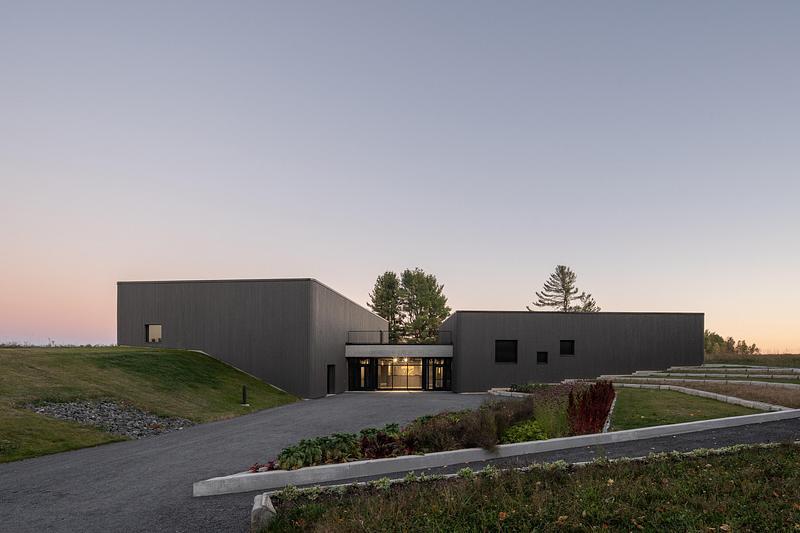
KANVA Unveils the Parc Marie-Victorin Museum: Inhabiting the Topography to Reveal a Heritage Forged by Time
KANVA
Montreal, Canada, 2026-10-13
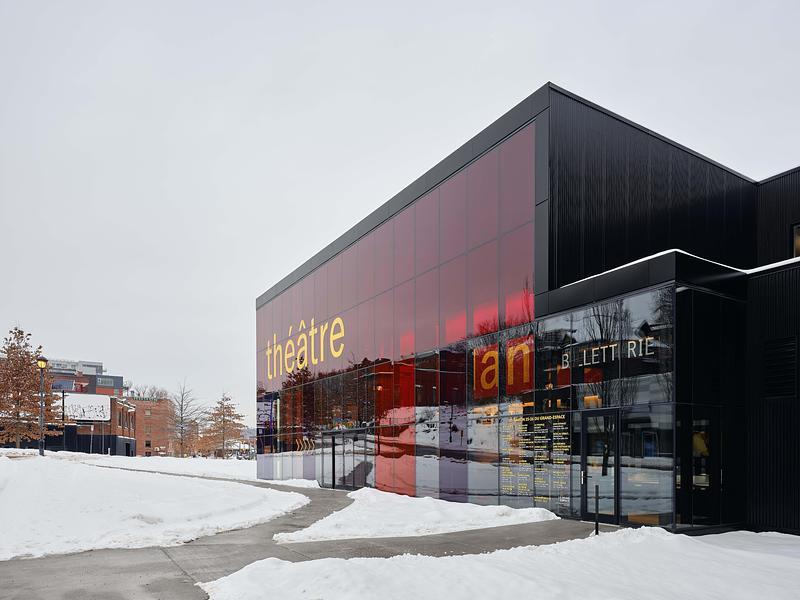
Le Grand-Espace Sherbrooke: A New Cultural Venue
Atelier Paul Laurendeau | NEUF architectes
Montreal, Canada, 2026-09-10
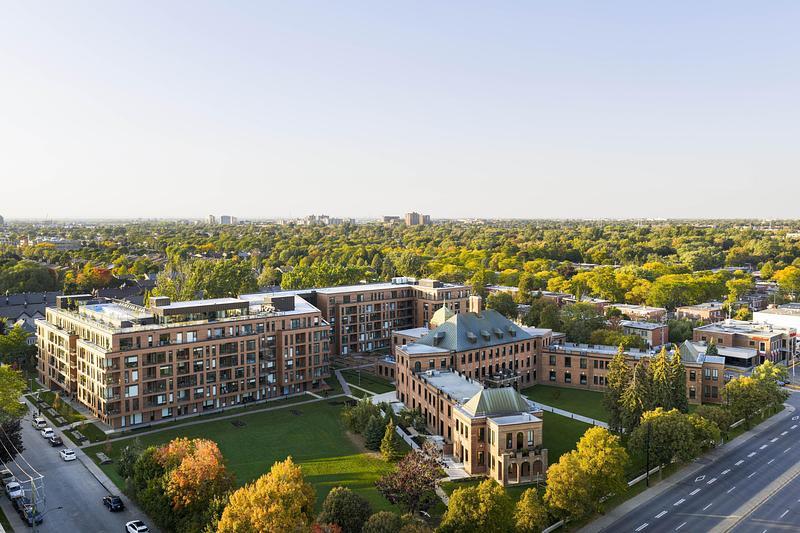
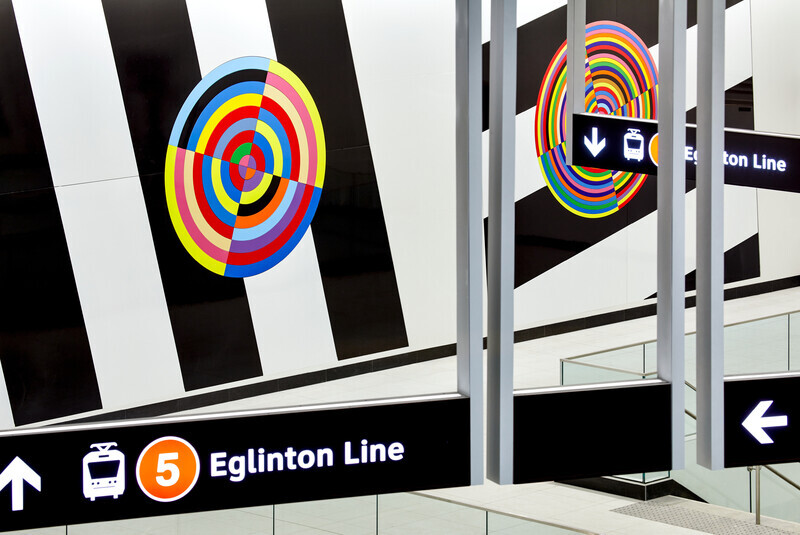
Eglinton Crosstown LRT : Elevating the Quality of Design in the Public Realm
Daoust Lestage Lizotte Stecker Benech
Los Angeles, United States, 2026-09-02
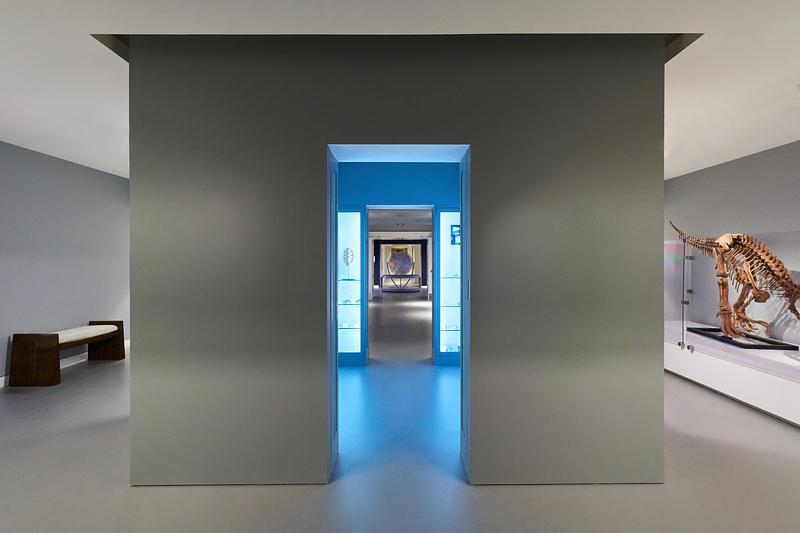
StudioHAU Completes Extensive Renovation and Redesign of the Berkshire Museum’s First Floor Galleries, Aquarium and Public Spaces
StudioHAU
Toronto, Canada, 2026-08-12
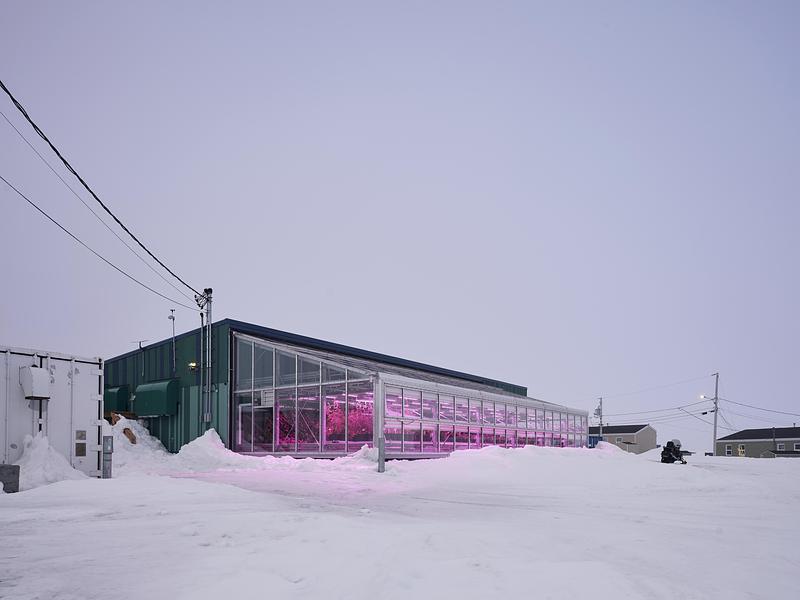
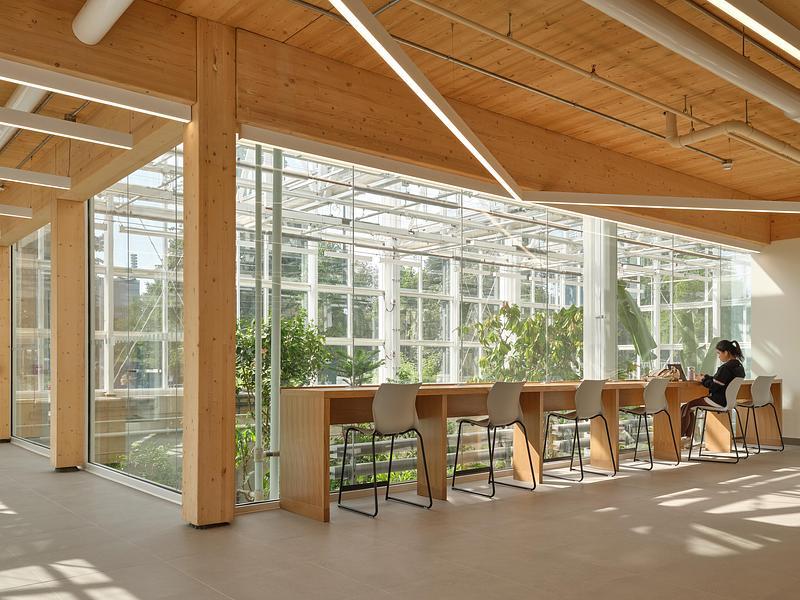
McMaster University Life Sciences Building and Greenhouse
Moriyama Teshima Architects
Philadelphia, United States, 2026-08-12
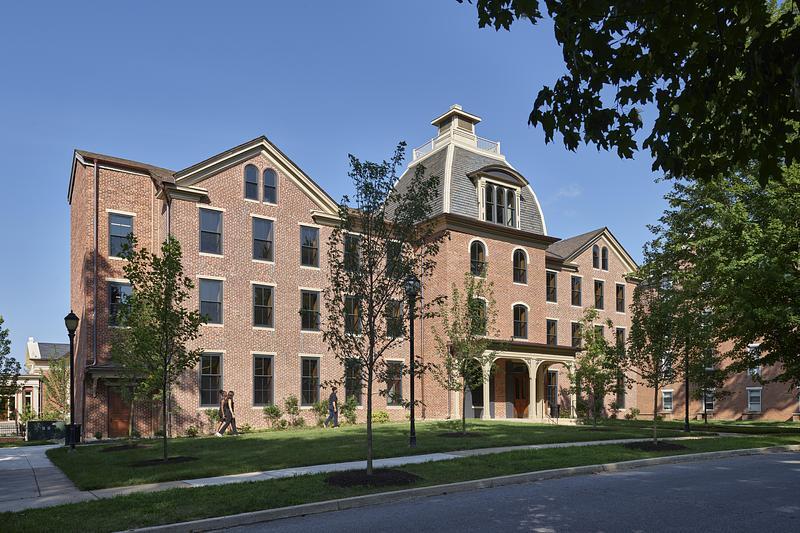
VMA Brings Lincoln University’s Cresson Hall Back to Life
Voith & Mactavish Architects, LLP (VMA)