Press kit no. 2275-09
Journalists, explore this publication-ready project. Create a free v2com media account to download high-resolution images.
Create a media account
Press Kit | no. 2275-09
A New Mother-Child and Emergency Centre in Sherbrooke Offers a Reimagined Hospital Experience
Jodoin Lamarre Pratte + Yelle Maillé + Équipe A architectes in consortium
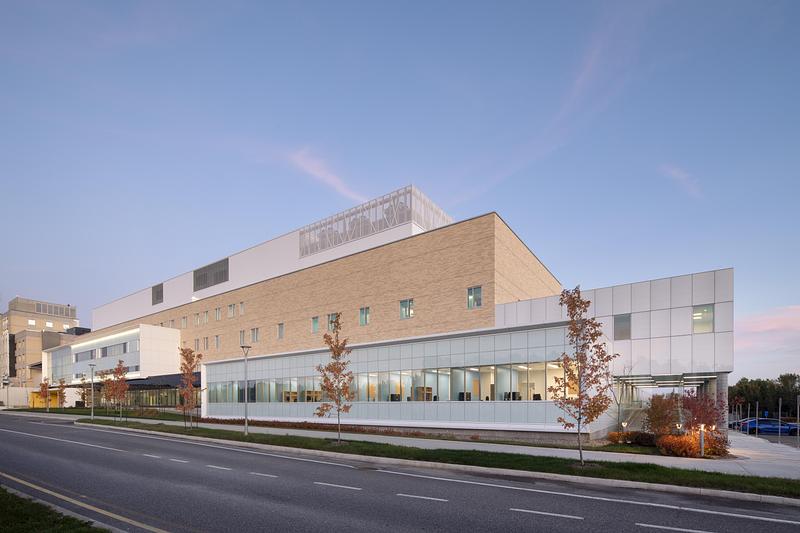
The mother-child and emergency centre (Enfant Soleil Pavilion) at Fleurimont Hospital in Sherbrooke is part of rethinking the evolution of healthcare environments and the role of architecture in creating dialogue between clinical needs and human experiences. Eagerly awaited in the Estrie (Eastern Townships) region, this major 34,500 m² extension consolidates the functions of the emergency, maternity, neonatal, paediatric, and child psychiatry departments—for both outpatient and inpatient care—within a modern and light-filled facility. The sensitive, sustainable, and efficient spaces were created through a sustained collaborative process between clinicians, professionals, managers, artists, and patient partners.
Managing the complexity of a demanding clinical programme
In addition to bringing so many departments together under one roof, the project includes a new main entrance to the entire hospital, as well as staff rest areas; spaces dedicated to teaching and research; accommodation for families; technical, logistical, and support services; indoor parking; and a separate building housing generators—essential for meeting the hospital’s increased energy needs in the event of a power outage. A dedicated ambulance access point at the rear of the building allows separates traffic flows, ensuring greater efficiency in both care delivery and movement.
Functional and direct connections on all floors ensure that care pathways are continuous with the existing hospital. The functional units have been located and arranged on different floors according to the care required, ensuring increased technical efficiency. Inpatient wards are also separated from the critical care areas, allowing recovering patients to benefit from as calm an environment as possible. The spacious inpatient rooms, the vast majority of which are single occupancy, promote efficient clinical work, all while preserving patient privacy and wellbeing.
Designing a healing environment
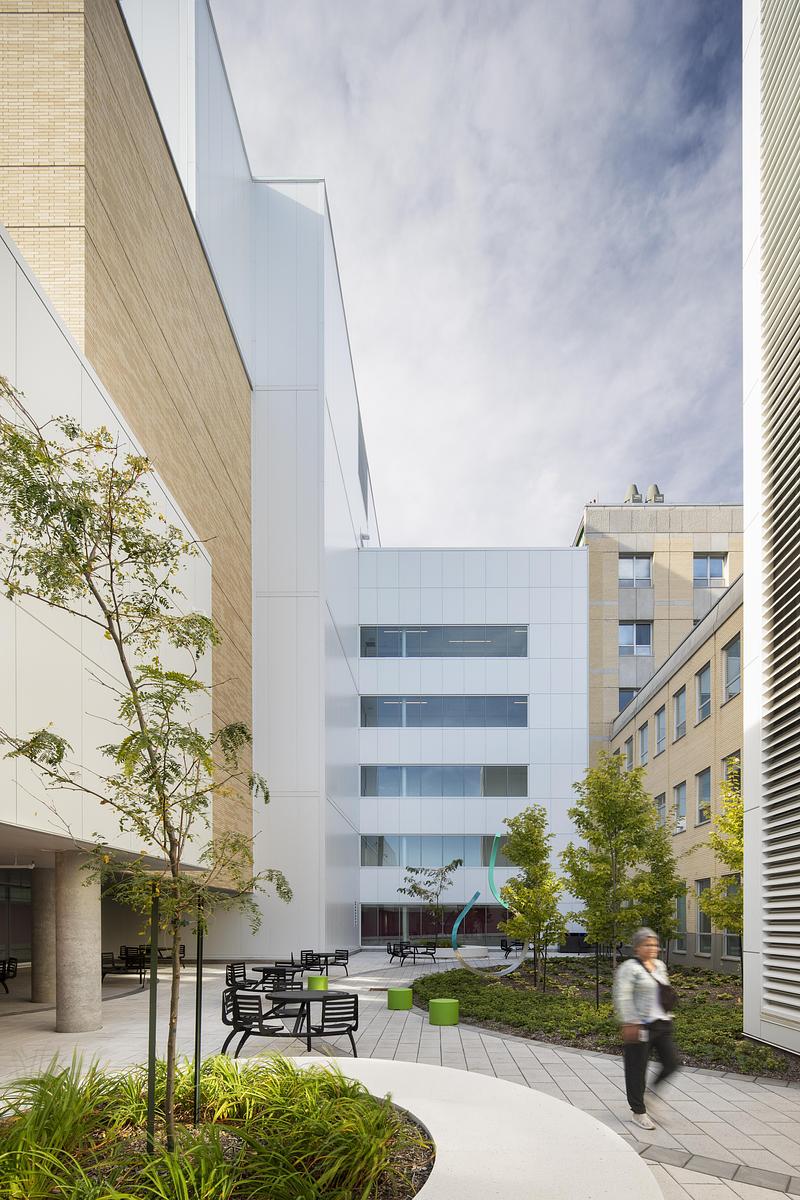
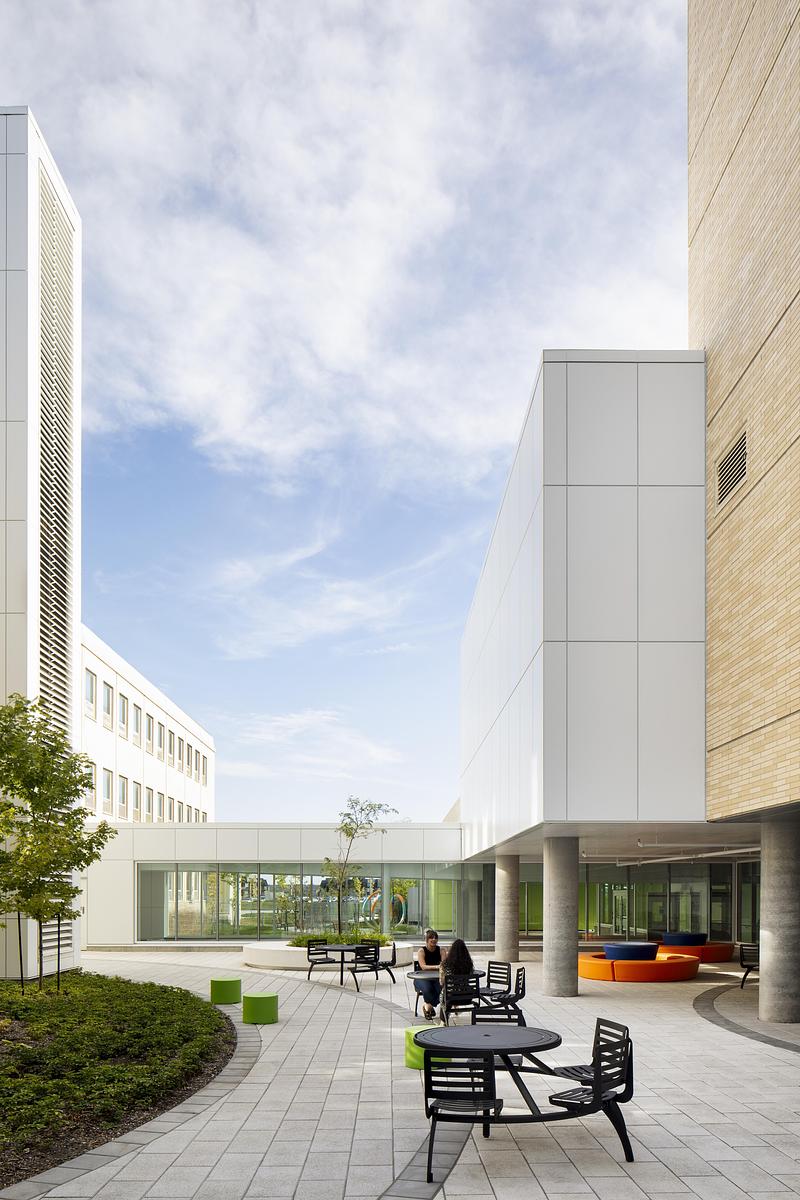
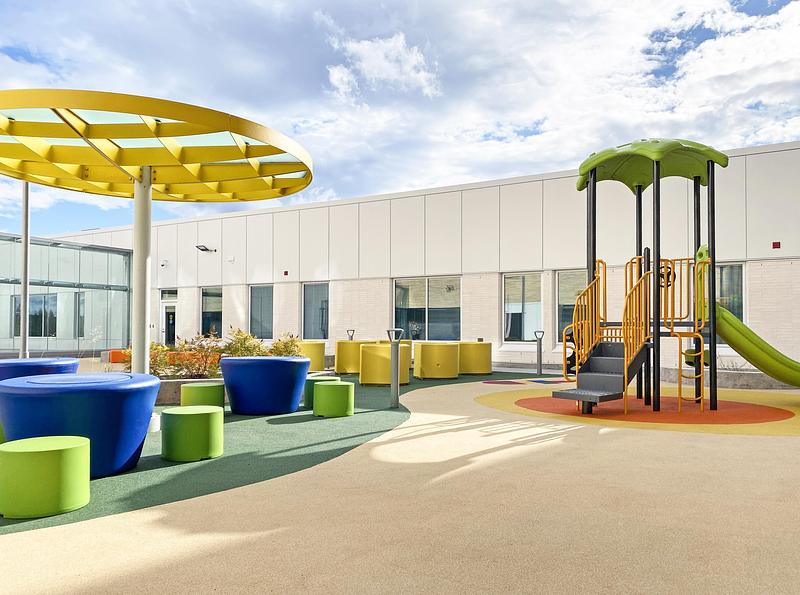
Every decision was carefully considered to offer a healthcare environment that is functional, bright, caring, and welcoming. This goal applied to redesigning the main hospital entrance, to tailoring the clinical units to specific patient groups, to planning a clear and efficient spatial layout, and to integrating colour, artwork, natural materials, and nature-inspired public spaces. Special attention was given to fostering wellbeing and a sense of security, through spaces that are both warm and soothing for mothers and their babies, and playful and reassuring for children. Family-friendly spaces, clear circulation, and a public inner courtyard enhance quality of life and support therapeutic objectives. The new child and adolescent psychiatry unit is fully integrated, but has a separate entrance and therapeutic courtyard, reducing the stigma associated with psychiatry and improving the experience of young patients.
Staff benefit from ergonomic and efficient facilities, dedicated rest areas, and a large, secure bicycle storage area connected to the city’s cycle network. The large bay windows at the ends of the corridors in the inpatient, maternity, and neonatal wards provide an abundance of natural light and views of the surrounding landscape, which helps reduce staff stress and fatigue, as well as helping patients orient themselves.
Architecture as a tool for dialogue between clinical needs and human experiences
Given the density of the programme and its logistical and functional complexity, the building’s form was conceived of as an assembly of blocks, making the program components clearly visible, but part of a coherent whole and within a unified structure. The extension respects its context by blending into the site and seamlessly connecting to the existing hospital, but it also asserts a contemporary style that will endure. The new pavilion’s architectural vocabulary evokes the materiality of the surrounding brick buildings, while reflecting the natural landscape through shimmering surfaces. White, mineral-based roofs reduce the heat-island effect and reliance on air-conditioning, while the landscape design features plants native to the region to promote biodiversity.
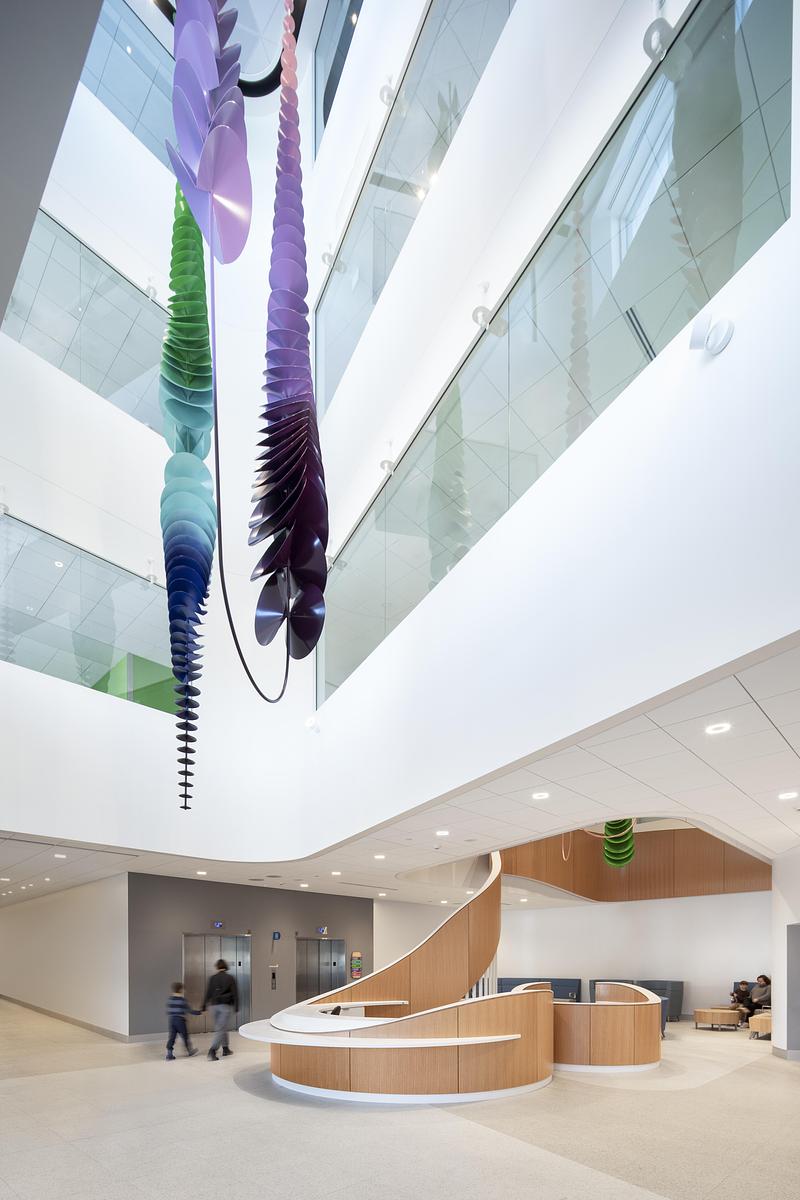
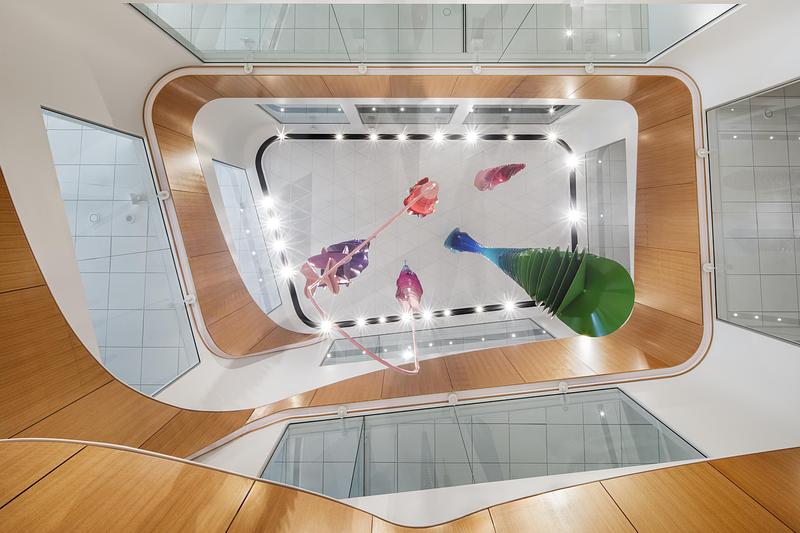
The new entrance hall to the hospital offers sweeping views up to the fourth and fifth floors. A wooden ribbon, like a protective bark, winds up through the storeys, introducing a warm material into the hospital environment. This architectural gesture establishes a dialogue between nature and care, opacity and transparency. On each floor, public zones positioned near the large atriums allow visitors to observe activity on other levels, democratizing the space and helping alleviate the feeling of confinement often experienced in hospitals. In the waiting and rest area on the paediatrics floor, a long sculptural wooden bench invites visitors to pause and contemplate, offering different types of seating and a unique view of a suspended artwork.
A care journey enriched by art
As part of Quebec’s Policy on the Integration of the Arts into the Architecture and Environment of Government and Public Buildings and Sites, four strategic sectors, or groups of locations, were identified that would allow as many people as possible to benefit from artworks, and that would also improve spatial orientation within the hospital environment, humanize the space, and provide a sense of calm for users.
Marc Dulude’s impressive, colourful sculptures are spectacular, unifying, multigenerational, and accessible to all. Within the large atriums connecting the main entrance hall up to the fourth and fifth levels, his piece, Mouvance chromatique, uses organic forms inspired by nature to inspire wonder and invite contemplation, as well as to foster an intuitive and sensitive engagement with the space.
Playful and endearing, the eight sculptures that make up Karine Payette’s work, Prendre soin, depict North American wildlife interacting with everyday objects. Acting as landmarks within the various units, they enliven the care journey and accompany young patients and parents as they move from public areas to clinical spaces.
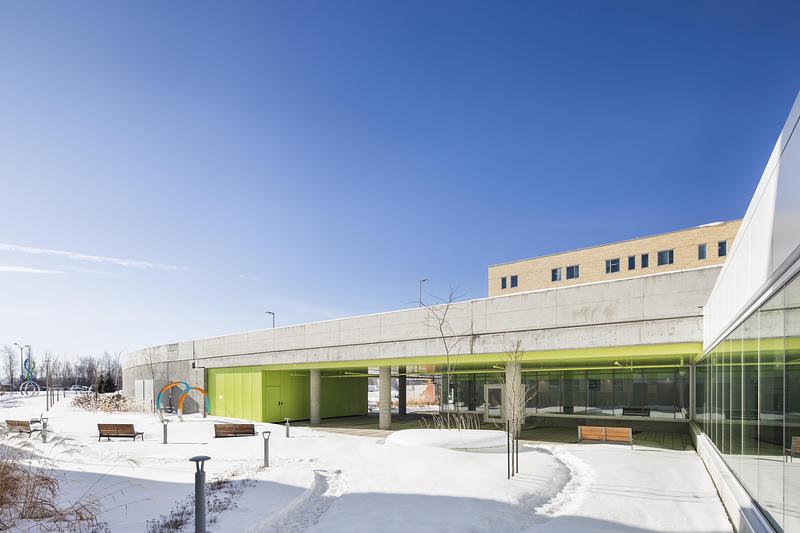
Evoking companionship, support, and kindness, Accueil and Berceau from José Luis Torres’s Cohésion ensemble welcome staff, cyclists, and public transport users arriving on the footpath and cycle lane south of the pavilion. Harmonie, the third part of the work located in the public inner courtyard, calls for “living together”, exchange, and dialogue.
Finally, Philippe Caron Lefebvre’s Orientation Cumulus marks the entrance to the child and adolescent psychiatry unit. Inspired by the interplay of architectural volumes and the Rorschach test, the playful arrangement of four identical, rounded volumes leaves room for individual interpretation.
Toward sustainable facilities
Several design principles guided the development of this major hospital project to ensure the quality, efficiency, and sustainability of the facilities. To name a few: sectors and departments were grouped and stacked according to the nature and level of care required, thereby achieving better functional and technical performance; natural light was maximized; new structures were integrated into the site while respecting the natural and built environment; construction details were adapted to local climatic conditions to ensure the building be simple to maintain and durable; sustainable and local materials were used wherever possible.
As part of the LEED v4 certification process—the project aims for silver certification level—several strategies were employed to reduce the building’s environmental footprint and promote the wellbeing of its users. Existing green spaces were preserved by locating the extension on the site of a previous car park. Sustainable mobility is encouraged through a large, secure, and sheltered bicycle parking directly connected to the city’s cycle network, and with charging points for electric vehicles. The facility is equipped with water-efficient plumbing fixtures, and measures to divert waste from landfills were implemented during construction. Heat islands and reliance on air conditioning are reduced with a white and mineral-based roof, while biodiversity is promoted with landscaping that features low-maintenance plants indigenous to the region. Inside, occupants are provided excellent views of the surrounding natural landscape, and the air quality is ensured through high-efficiency filters and low-emission materials. Finally, the biophilic design—warm colours, wood, and organic shapes evoking nature—helps create a healthy and pleasant indoor environment for everyone.
Beyond the LEED criteria, and in line with new building energy performance standards, the pavilion is equipped with a high-efficiency adaptive lighting system combining motion sensors and lighting control based on daylight.
Technical sheet
Client
Projet Manager: Société québécoise des infrastructures
Owner: Centre intégré universitaire de santé et de services sociaux de l'Estrie – Centre hospitalier universitaire de Sherbrooke
Key professional team
Architecture: Jodoin Lamarre Pratte + Yelle Maillé + Équipe A architectes in consortium
Head of the consortium: Gilles Maillé, Architect, Senior Partner, Yelle Maillé architectes
Project Manager: Michel Broz, Architect, Senior Partner, Jodoin Lamarre Pratte architectes
Assistant Project Manager and Head of Hospital Logistics: Martine Gévry, Architect, Senior Partner, Jodoin Lamarre Pratte architectes
Lead Designer: Karine Boisvert, Architect, Senior Partner, Yelle Maillé architectes
Co-designers responsible for volumetry, the building envelope, and public spaces: Antonio Camara, Architect, Director, Jodoin Lamarre Pratte architectes, and Gilles Maillé, Architect, Senior Partner, Yelle Maillé architectes
Co-Clinical Designers: Élise Lapierre and Nathalie Lapointe, Architects, Partners, Yelle Maillé architectes, and Carolyne Fournier, Technical Director, Jodoin Lamarre Pratte architectes
Head of Interior Design: Nathalie Lapointe, Architect, Partner, Yelle Maillé architectes
Construction Documents Manager: Nicolas Ranger, Architect, Senior Partner, Jodoin Lamarre Pratte architectes
BIM and LEED Certification Manager: Priscillia Champagne, Architect, Director, bS-QP-1, PA LEED C+CB, PA WELL, Jodoin Lamarre Pratte architectes
Site Supervision and Administration Manager: Martin Charland, Architect, Senior Partner, Équipe A
Senior Site Supervisor: Éric Marquis, Architect, Senior Partner, Équipe A
Landscape Architecture: BC2
Engineering: SDK et associés, CIMA+, BPA
On-site materials testing laboratory: Englobe
Contractor: Groupe TEQ
Signage: Bélanger Branding Design
Artworks
Marc Dulude
Mouvance chromatique
2026
Sculptural installation, aluminium, baked enamel
Atrium A: 3.6 x 8.8 x 1.8 m, atrium B: 12.6 x 5.7 x 2.6 m, atrium C: 8.2 x 4 x 2.1 mm
Karine Payette
Prendre soin
2026
Sculptures, aluminium, industrial paint
Penguins: 1.8 x 0.9 x 0.7 m, lynx: 2.2 x 0.6 x 0.6 m, fox: 1.5 x 0.8 x 0.7 m, raccoons: 1.3 x 0.9 x 0.6 m, polar bear cub: 1 x 0.8 x 0.4 m, owls: 1.3 x 0.6 x 0.6 m, arctic foxes: 0.9 x 0.6 x 0.5 m, she-wolf: 1.1 x 0.8 x 0.7 m
José Luis Torres
Cohésion
2025
Sculptures, aluminium, stainless steel, polyurethane paint
Accueil : 6 x 2.2 x 1.7 m, Berceau : 2.7 x 2.2 x 1.7 m, Harmonie : 4.4 x 2.2 x 1.7 m
Philippe Caron Lefebvre
Orientation Cumulus
2025
Sculpture, aluminium, baked enamel
6.8 x 1.3 x 1.6 m
About Jodoin Lamarre Pratte architectes
Among the largest architecture firms in Quebec, Jodoin Lamarre Pratte architectes devotes its practice to the design of sustainable, community-structuring architectural projects—mainly in the institutional fields of healthcare, transportation, education, culture, and research—as well as large-scale corporate and government projects.
Founded in 1958 in Montreal, the firm offers a human-centred, strategic, and environmentally conscious approach to architecture, combining creativity, expertise, and innovation. Driven by a culture of collaboration, inclusion, integrity, and thoroughness, it values the diversity and complementarity of skills within a team of over 200 professionals, under the leadership of Julie Boucher, Stéphanie Boudreau, Michel Broz, Catherine Demers, Martine Gévry, Sylvain Morrier, and Nicolas Ranger.
About Yelle Maillé architectes
Founded in 1994 by André Yelle and Gilles Maillé, Yelle Maillé architectes is an architectural firm recognized for its rigorous yet sensitive approach, where innovation goes hand in hand with sustainability. Its expertise spans the institutional, residential, and commercial sectors, with projects of all scales carried out across Quebec.
Yelle Maillé architectes draws its strength from a stable, experienced, and dedicated team of professionals with complementary expertise. The partners—Maryse Barrette, Karine Boisvert, Yan-Carl Martel, Mathieu Dion, Élise Lapierre, Nathalie Lapointe, Aurore Mauger-Turo, Mariève Poulin, and Andréa Ste-Marie—are actively involved in every project, ensuring open dialogue with the client, a true collaborator in the process. This collaborative culture fosters architectural solutions that are coherent, efficient, and fully aligned with each project’s objectives.
About Équipe A
Founded in 1977 in Sherbrooke, Équipe A architectes has been shaping and revitalizing the architectural fabric of the Eastern Townships and beyond for nearly 50 years. With a team of 28 professionals, the firm is Sherbrooke’s largest, and widely recognized for the quality of its projects. Active in the institutional, commercial, residential, municipal, and industrial sectors, Équipe A designs sustainable and meaningful environments.
Led by five partners, Équipe A draws on complementary talents, a collaborative spirit, and the sharing of knowledge. This synergy fuels a creative approach guided by dialogue and rigor, where each project becomes an opportunity to improve quality of life and contribute to a harmonious architectural landscape. Its mission: to enrich the built environment by placing people at the heart of every project.
For more information
Media contact
- Jodoin Lamarre Pratte architectes
- Marie-France Messier, Communications Manager
- communications@jlp.ca
- +1 514 527-8821
Attachments
Terms and conditions
For immediate release
All photos must be published with proper credit. Please reference v2com as the source whenever possible. We always appreciate receiving PDF copies of your articles.
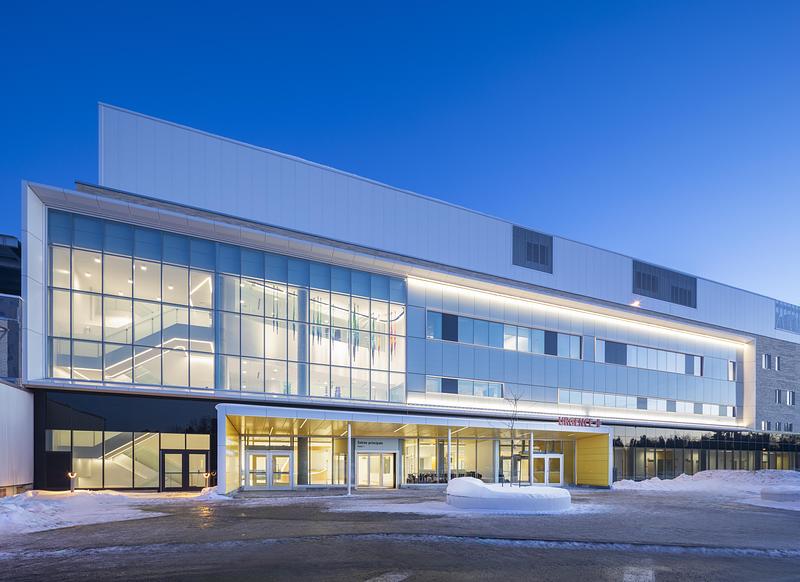
New main entrance to the hospital and entrance to the new emergency unit (Artwork: Marc Dulude, “Mouvance chromatique”)
Adrien Williams
Very High-resolution image : 22.37 x 16.29 @ 300dpi ~ 18 MB
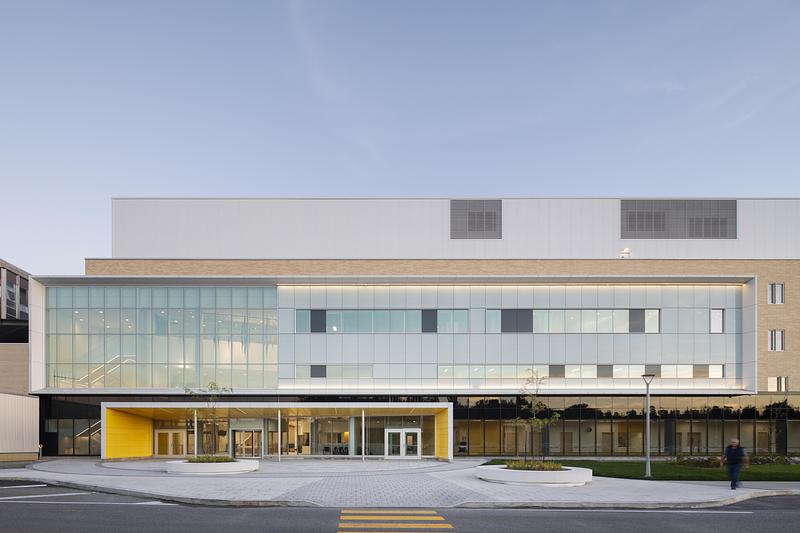
Main entrance façade
Adrien Williams
Very High-resolution image : 22.4 x 14.93 @ 300dpi ~ 12 MB
Façade de l’entrée principale et entrée de la pédopsychiatrie
Adrien Williams
Very High-resolution image : 22.4 x 14.93 @ 300dpi ~ 14 MB
Adrien Williams
Very High-resolution image : 14.93 x 22.4 @ 300dpi ~ 17 MB
New hospital hall (Artwork: Marc Dulude, “Mouvance chromatique”)
Adrien Williams
Very High-resolution image : 14.93 x 22.4 @ 300dpi ~ 12 MB
Wooden ribbon and artwork in the large opening of the main entrance hall (Artwork: Marc Dulude, “Mouvance chromatique”)
Adrien Williams
Very High-resolution image : 22.4 x 14.93 @ 300dpi ~ 16 MB
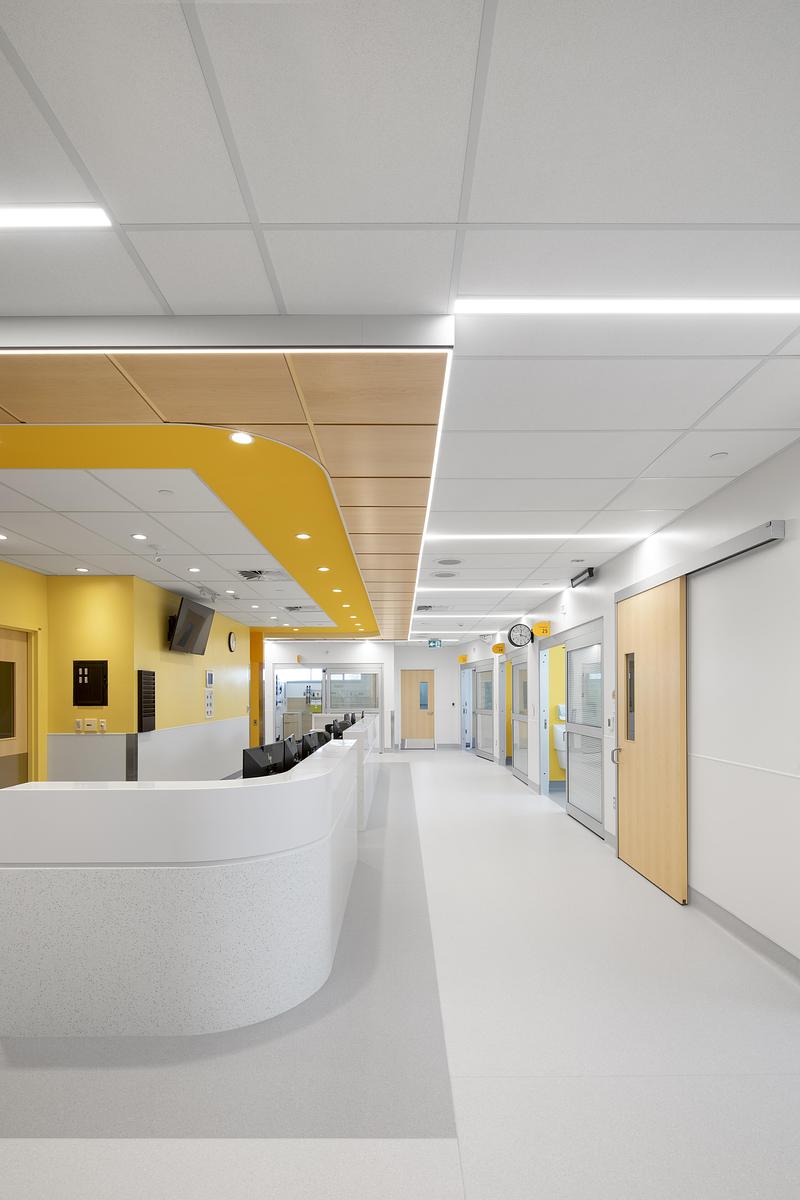
Observation area’s workstation in the emergency unit
Adrien Williams
Very High-resolution image : 14.93 x 22.4 @ 300dpi ~ 11 MB
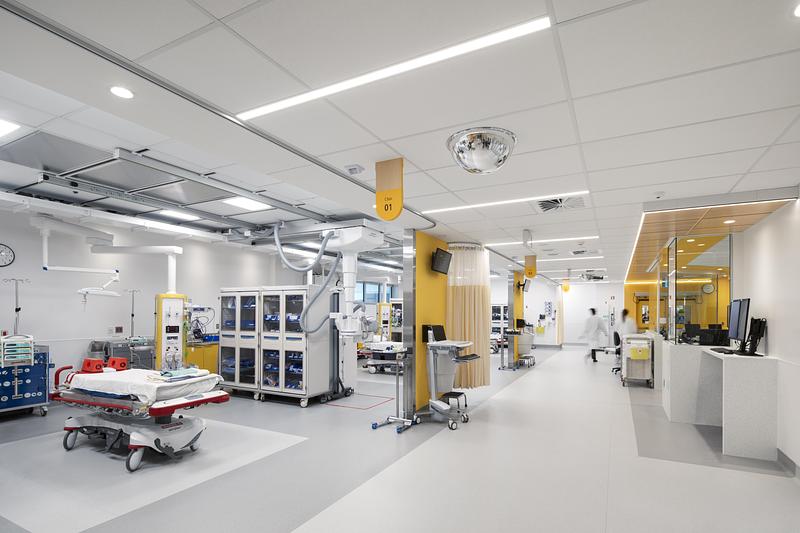
Trauma area in the emergency unit
Adrien Williams
Very High-resolution image : 22.4 x 14.93 @ 300dpi ~ 13 MB
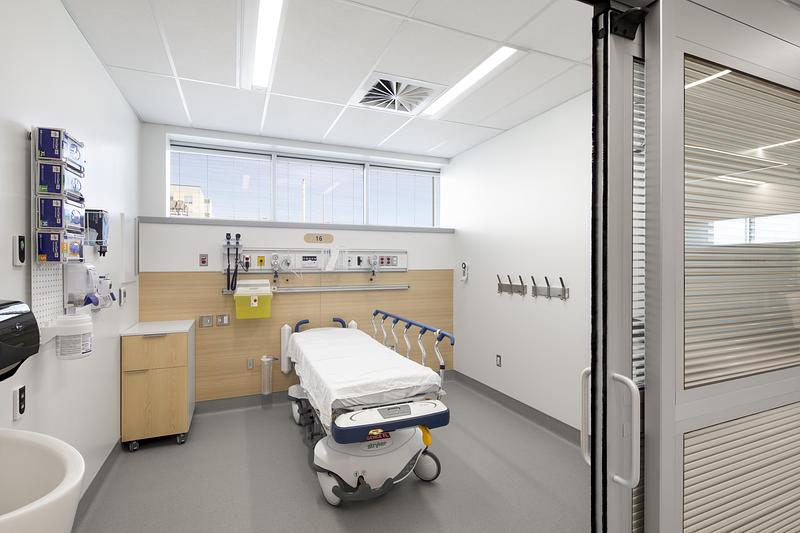
Observation room in the emergency unit
Adrien Williams
Very High-resolution image : 22.4 x 14.93 @ 300dpi ~ 12 MB
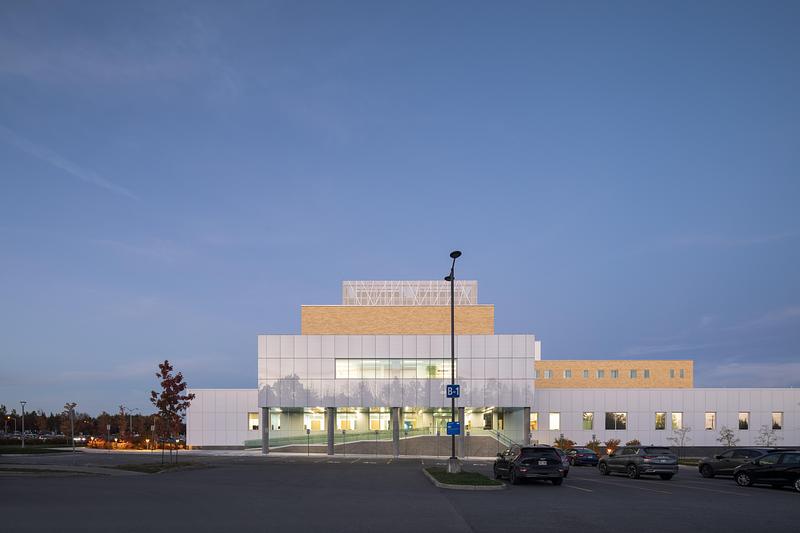
West façade reflecting the surrounding forest (entrance to the child and adolescent psychiatry unit)
Adrien Williams
Very High-resolution image : 22.4 x 14.93 @ 300dpi ~ 13 MB
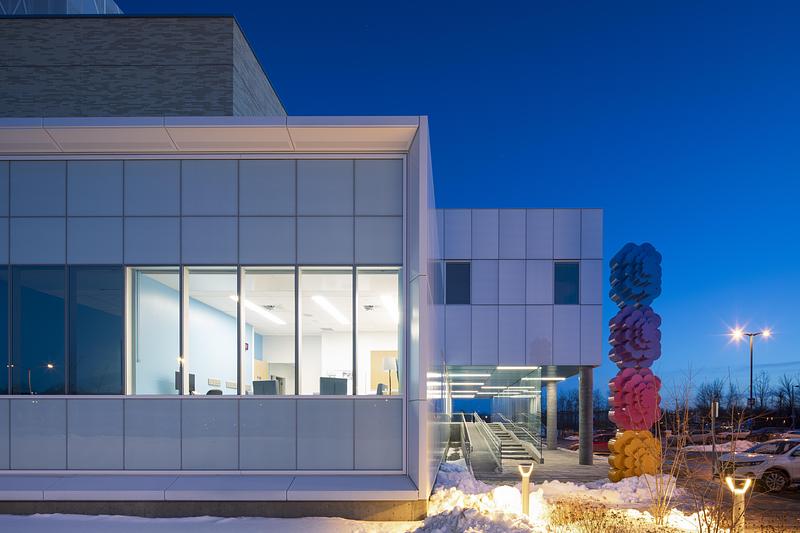
Entrance to the child and adolescent psychiatry unit (Artwork: Philippe Caron Lefebvre, “Orientation Cumulus”)
Adrien Williams
Very High-resolution image : 22.4 x 14.93 @ 300dpi ~ 16 MB
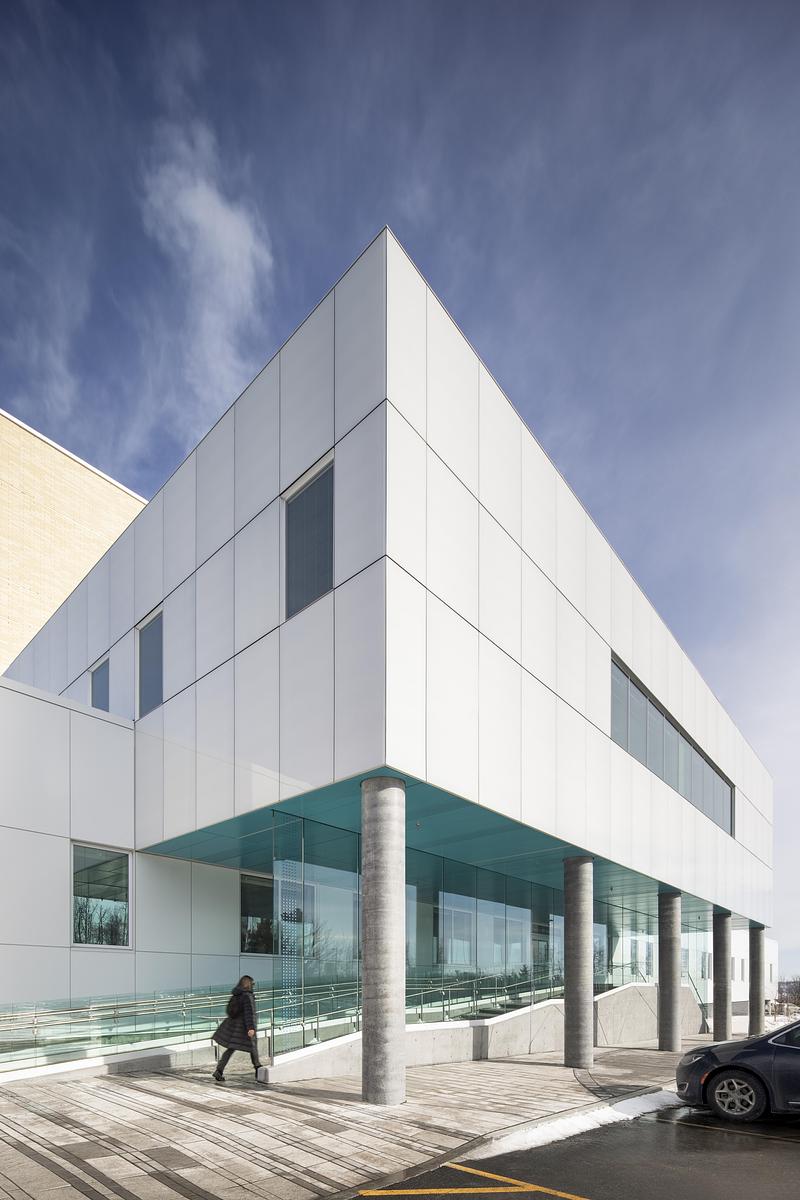
Entrance to the child and adolescent psychiatry unit
Adrien Williams
Very High-resolution image : 14.93 x 22.4 @ 300dpi ~ 13 MB
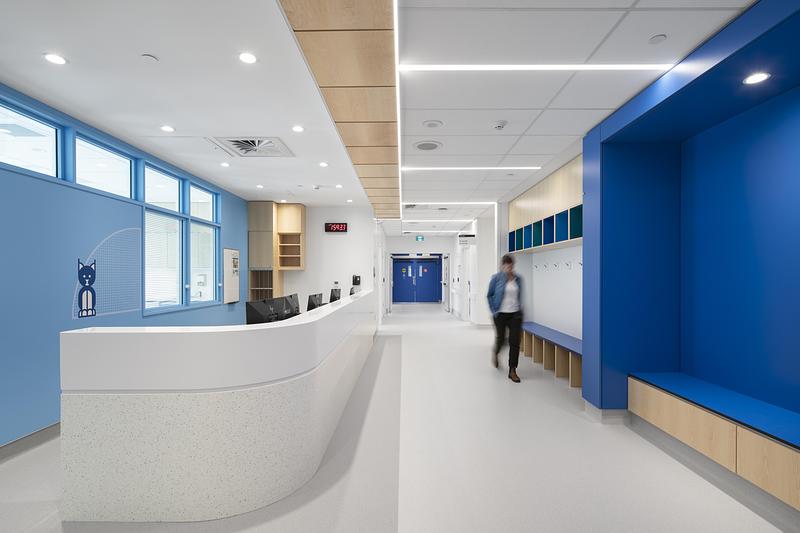
Child psychiatry reception area
Adrien Williams
Very High-resolution image : 22.4 x 14.93 @ 300dpi ~ 12 MB
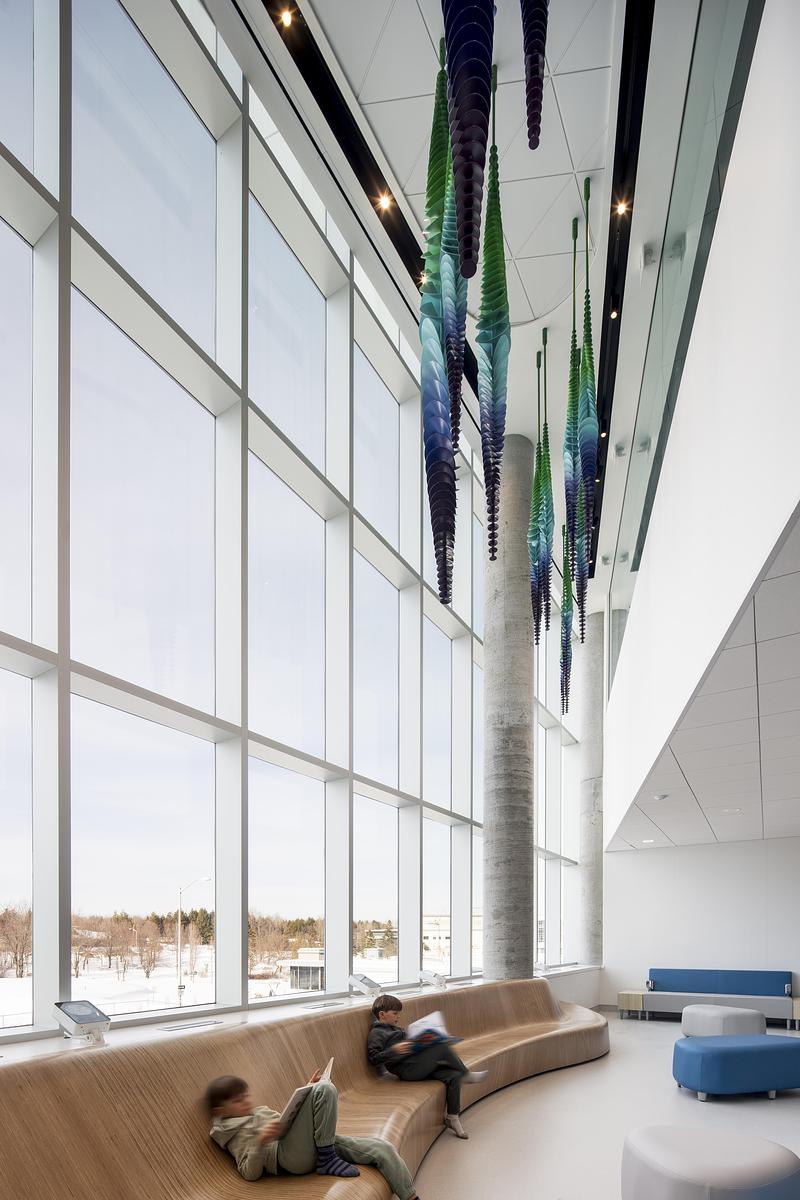
Waiting and resting area on the pediatric floor (Artwork: Marc Dulude, “Mouvance chromatique”)
Adrien Williams
Very High-resolution image : 14.93 x 22.4 @ 300dpi ~ 12 MB
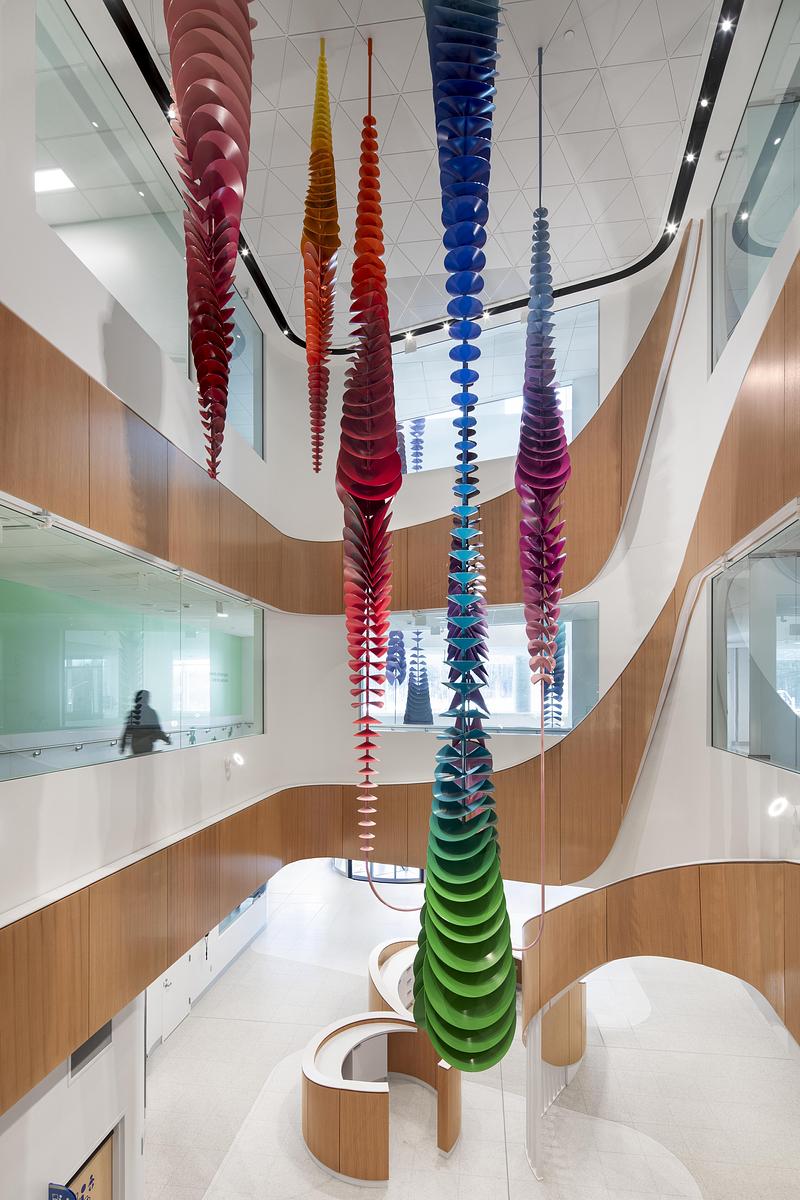
Wooden ribbon and artwork accross the large opening of the main entrance hall (Artwork: Marc Dulude, “Mouvance chromatique”)
Adrien Williams
Very High-resolution image : 14.93 x 22.4 @ 300dpi ~ 14 MB
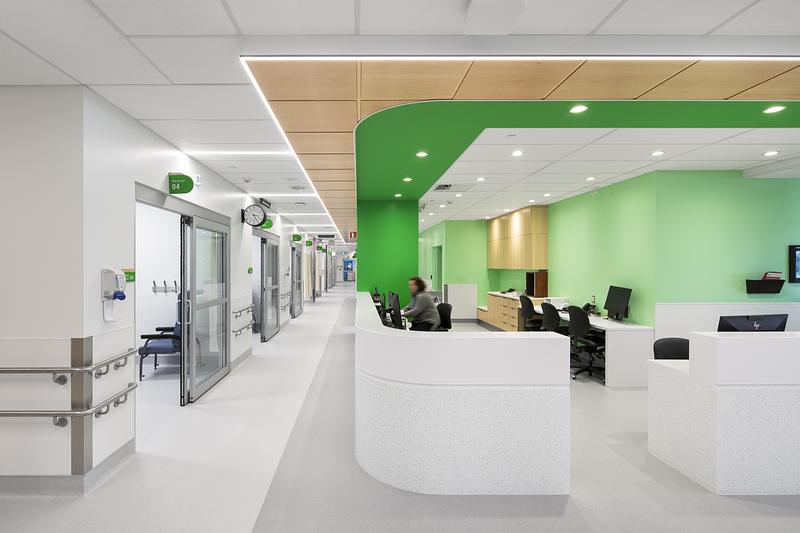
Workstation in the paediatric observation area
Adrien Williams
Very High-resolution image : 22.4 x 14.93 @ 300dpi ~ 11 MB
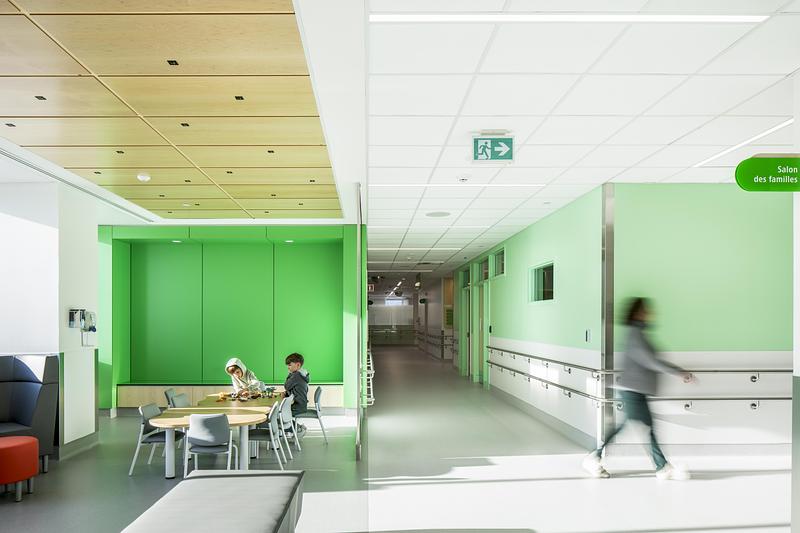
Rest area for families in the paediatric ward
Adrien Williams
Very High-resolution image : 22.4 x 14.93 @ 300dpi ~ 10 MB
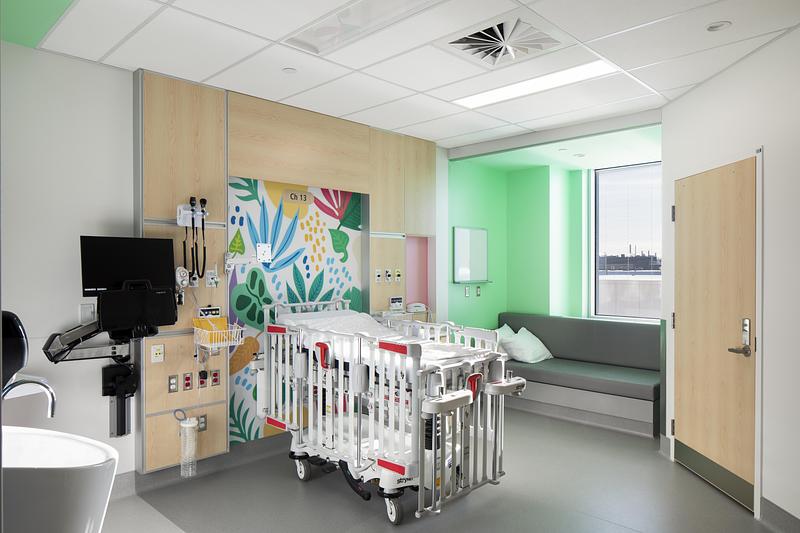
Inpatient pediatric room
Adrien Williams
Very High-resolution image : 22.4 x 14.93 @ 300dpi ~ 13 MB
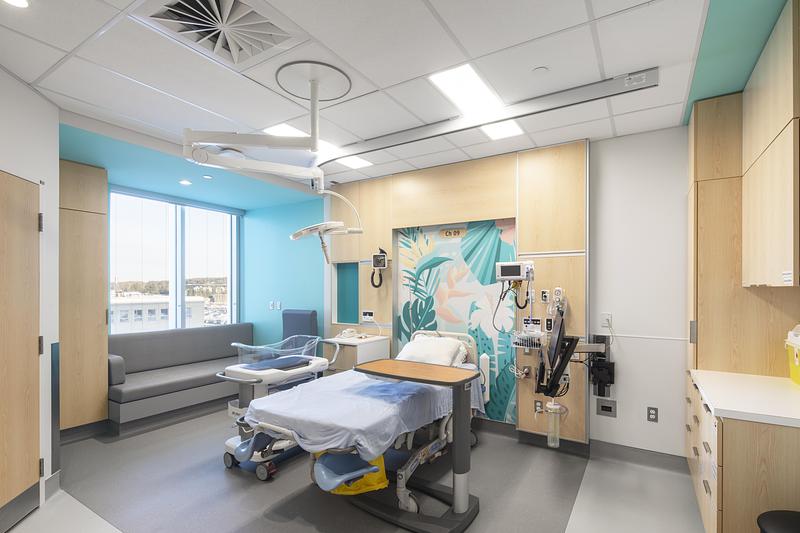
Room in the maternity ward
Adrien Williams
Very High-resolution image : 22.4 x 14.93 @ 300dpi ~ 15 MB
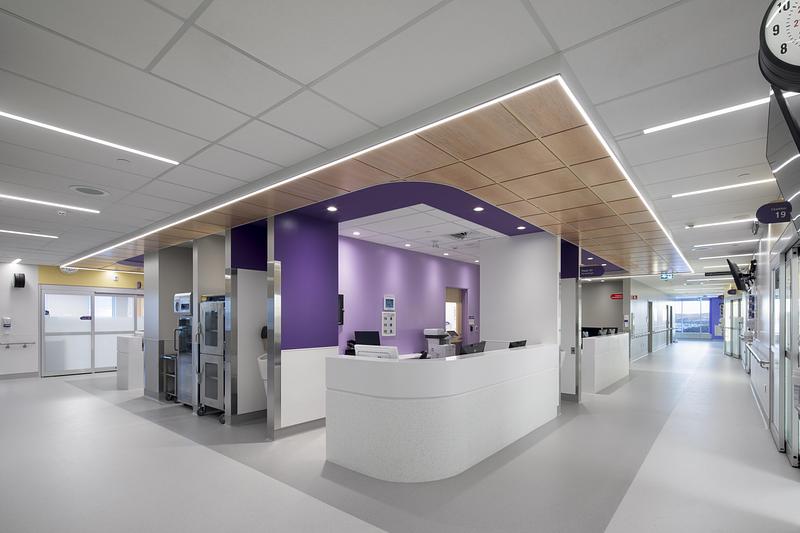
Workstation in the neonatal unit
Adrien Williams
Very High-resolution image : 22.4 x 14.93 @ 300dpi ~ 11 MB
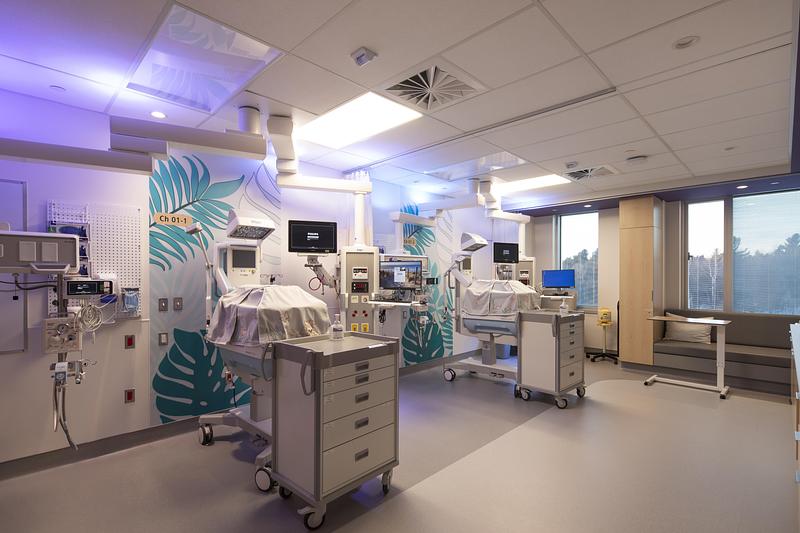
Double room in the neonatal unit with colored lighting options
Adrien Williams
Very High-resolution image : 22.4 x 14.93 @ 300dpi ~ 15 MB
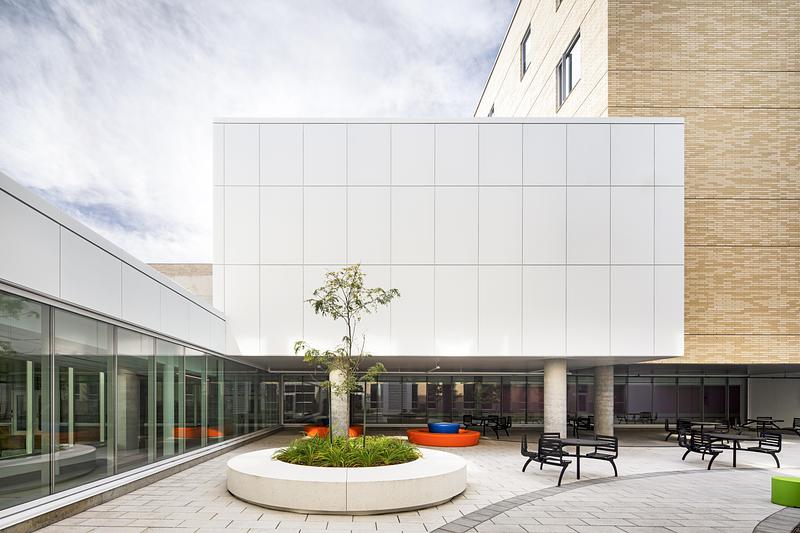
Public inner courtyard
Adrien Williams
Very High-resolution image : 22.4 x 14.93 @ 300dpi ~ 16 MB
Public inner courtyard
Adrien Williams
Very High-resolution image : 14.93 x 22.4 @ 300dpi ~ 14 MB
Ambulance access ramp, bicycle storage and staff entrance (Artwork: José Luis Torres, “Accueil” and “Berceau,” from the “Cohesion” series)
Adrien Williams
Very High-resolution image : 22.4 x 14.93 @ 300dpi ~ 13 MB
Outdoor therapeutic courtyard in the child psychiatry unit
Jodoin Lamarre Pratte architectes
High-resolution image : 13.44 x 10.0 @ 300dpi ~ 7.4 MB
Advertising
You may also like...
Montreal, Canada, 2026-09-10
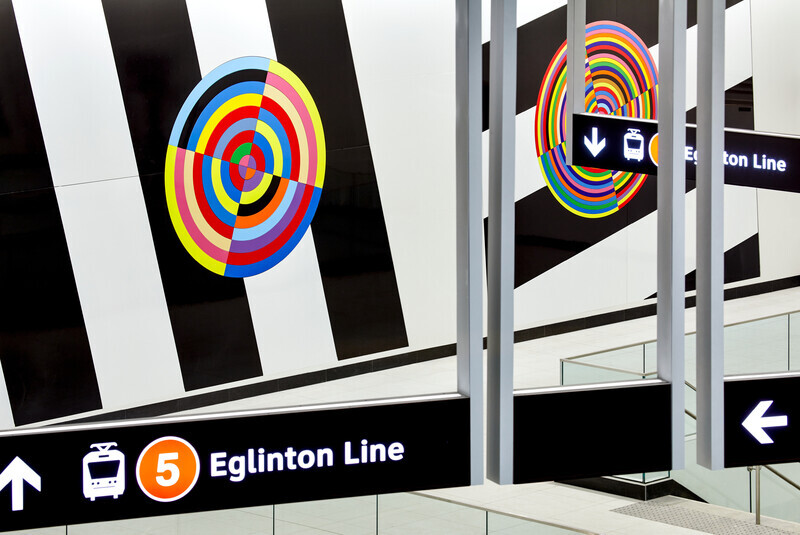
Eglinton Crosstown LRT : Elevating the Quality of Design in the Public Realm
Daoust Lestage Lizotte Stecker Benech
Los Angeles, United States, 2026-09-02
StudioHAU Completes Extensive Renovation and Redesign of the Berkshire Museum’s First Floor Galleries, Aquarium and Public Spaces
StudioHAU
Toronto, Canada, 2026-08-12
McMaster University Life Sciences Building and Greenhouse
Moriyama Teshima Architects
Philadelphia, United States, 2026-08-12
VMA Brings Lincoln University’s Cresson Hall Back to Life
Voith & Mactavish Architects, LLP (VMA)
Toronto, Canada, 2026-07-30
University of Guelph Honey Bee Research Centre
Moriyama Teshima Architects
Singapore, Singapore, 2026-07-24
DP Architects’ Central Manpower Base (CMPB) Wins at Architizer A+ Awards 2026
DP Architects